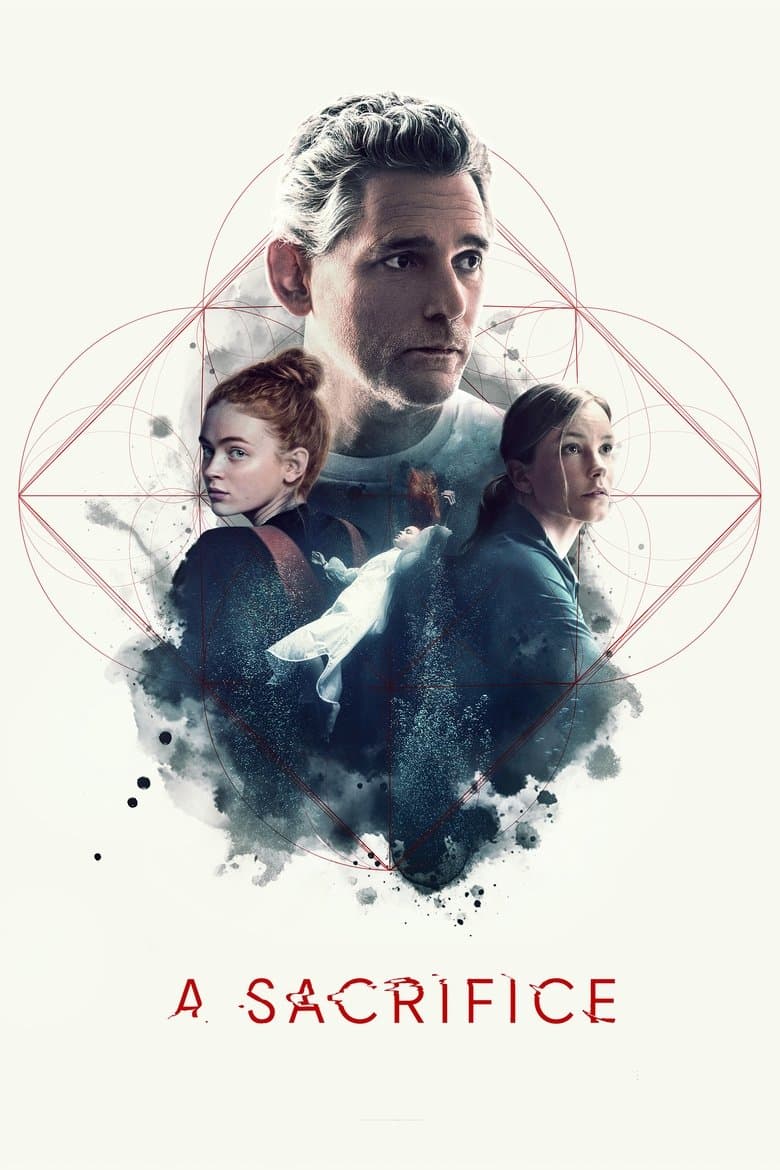
A Sacrifice follows Ben Monroe, an American researcher who studies how people act in groups while living in Berlin. He investigates a cult after a mass suicide and tries to repair his bond with his rebellious teenage daughter, Mazzy. Mazzy meets Martin, a local boy who leads her into Berlin’s party scene and then toward the group Ben is studying. The film has a dark thriller tone as family anger, loneliness, drug use, and danger build toward a rescue.
The clearest political element is the cult’s environmental message. Hilma and her followers speak about damage to nature, too many people, and saving the earth, but they turn those ideas into a demand for suicide and human sacrifice. The movie shows that movement as a deadly trap and links it to group pressure, online influence, and the need to belong. The story ends by putting family trust and personal choice against the group’s demand for total obedience.
Community feedback
Was our 12% Woke rating accurate?
Breakdown
These are the editorial factors and ratings behind our score for A Sacrifice.
Woke representation / casting
Not present. The main characters are White Americans and White German characters, and the women in key roles serve the cult, police, and family plot. The casting is not framed as a diversity or empowerment statement.
0%
Woke political dialogue
The cult repeatedly talks about environmental disaster, too many people, and saving the earth. Hilma presents suicide as a way to repair nature, and Martin repeats the group’s ideas to Mazzy. The film uses this language to control people and shows the movement as deadly. The political thread is clear but stays inside the cult plot.
18%
Identity-driven story themes
Not present. The story centers on cult control, loneliness, groupthink, family strain, and suicide. It does not make race, sexuality, or identity politics the subject of the main character arcs.
0%
Western institutional / cultural critique
Not present. The film shows a flawed father, a dangerous cult, and an environmental group that has been turned into a cult. It does not attack Western institutions, Christianity, or traditional family life as systems.
0%
Woke character or canon changes
Not relevant. The movie moves the source story from Tokyo to Berlin and adds more cult material. Those changes serve the thriller plot and are not identity-driven changes.
0%
Anti-woke backlash and complaints
A small Filmweb discussion included a complaint about “left-wing ideologies” and a joke that Greta Thunberg would dislike the film’s climate theme. The separate X research pass found no anti-woke posts, boycott calls, or review bombing. Most audience comments focused on pacing, plot logic, acting, and the trailer. The evidence shows a fringe reaction rather than a wider controversy.
6%
Creator track record context
Jordan Scott has a cached score of 10/100. Nicholas Hogg has a cached score of 5/100. The listed producers have cached scores from 0 to 16/100, with no strong activist pattern. Interviews about this film focus on cults, isolation, family, environmentalism, and online algorithms rather than DEI or queer framing.
10%
Production
Movie · 2026
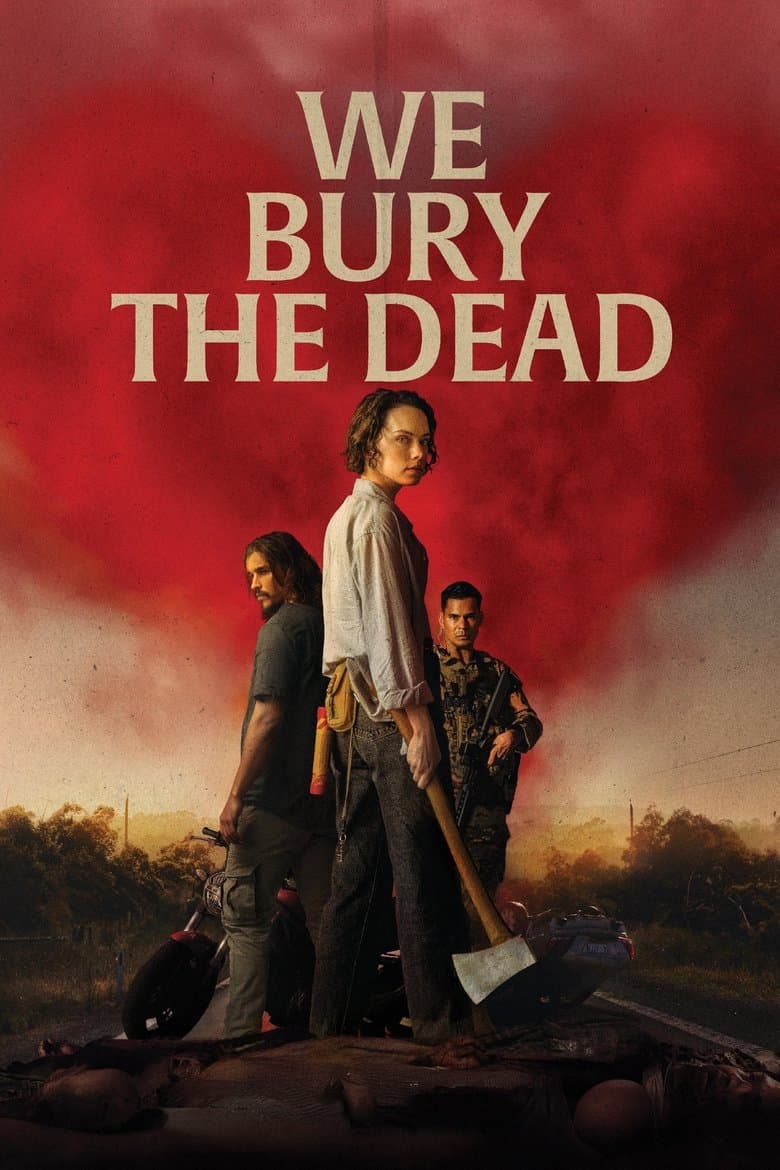
After a catastrophic military disaster reanimates the dead, Ava searches for her missing husband amidst an increasingly hostile world.
Movie · 2024
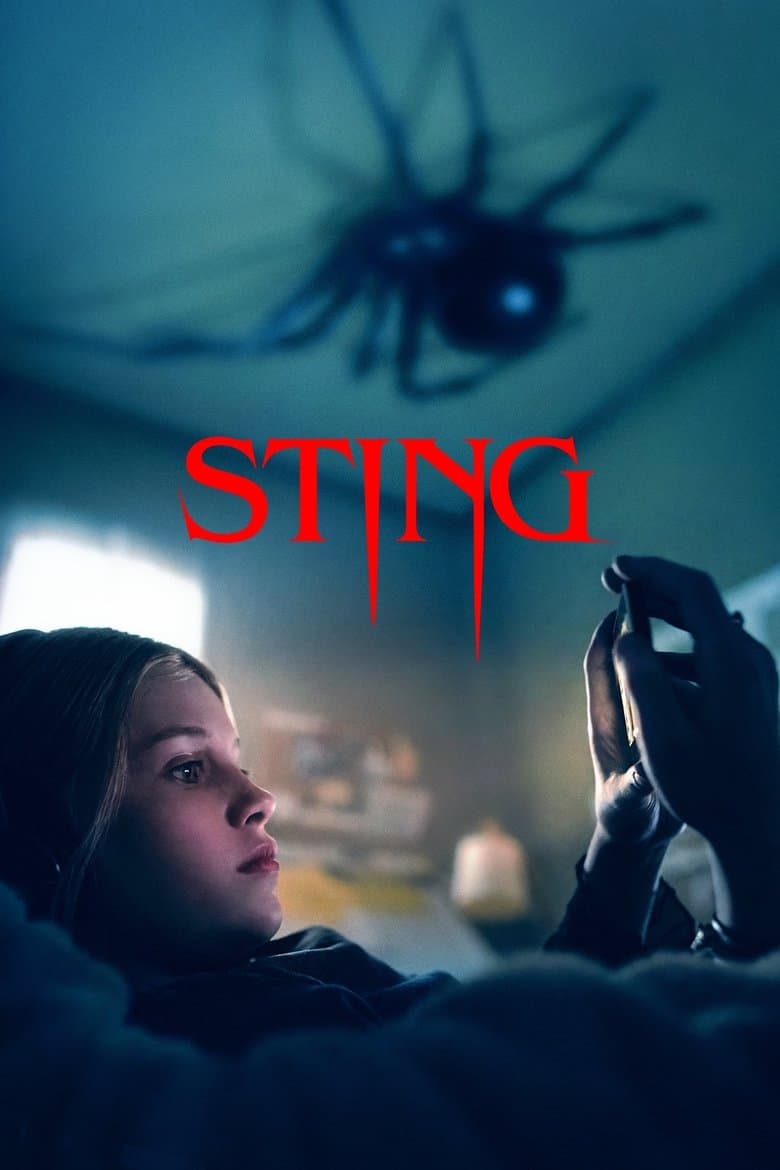
After raising an unnervingly talented spider in secret, 12-year-old Charlotte must face the truth about her pet and fight for her family's survival.

Movie · 2019
When a huge hurricane hits her hometown in Florida, Haley ignores evacuation orders to look for her father. After finding him badly wounded, both are trapped by the flood.
Movie · 2021
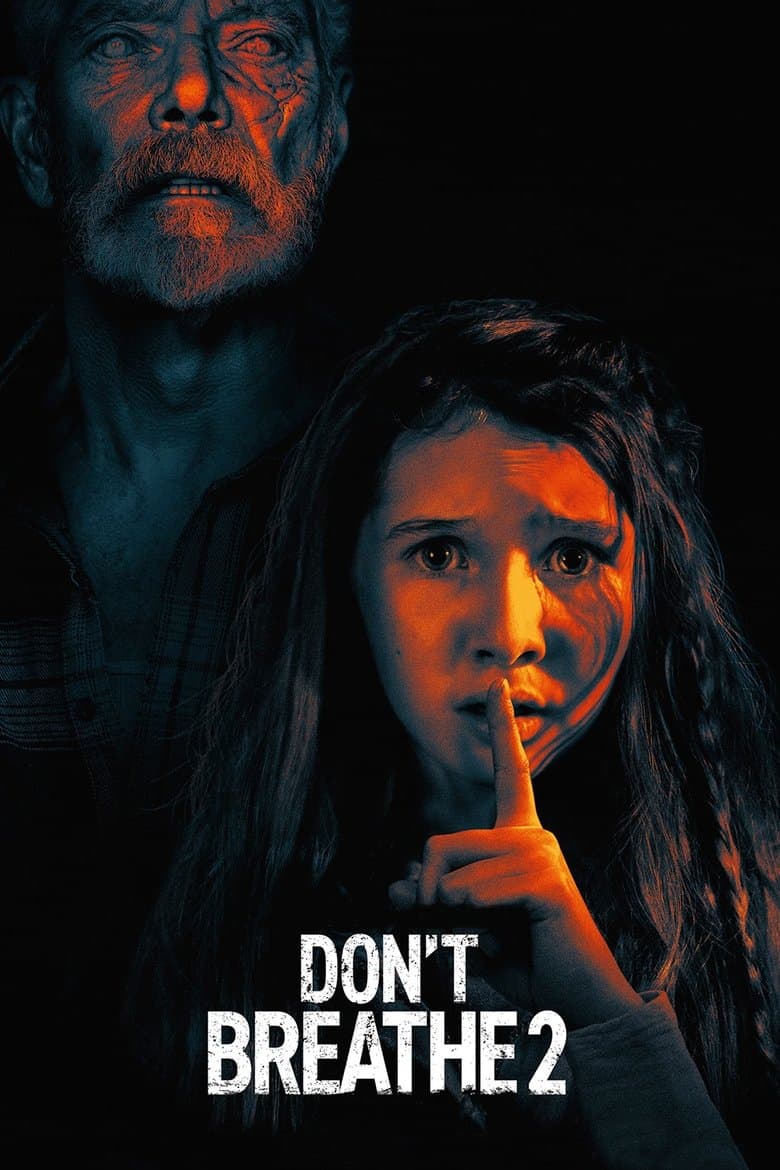
The Blind Man has been hiding out for several years in an isolated cabin and has taken in and raised a young girl orphaned from a devastating house fire.
Movie · 2016
An evening of drunken prank calls becomes a nightmare for a pair of teenagers when a mysterious stranger turns their own game against them.
Movie · 2019
When a 12-year-old boy goes missing at a local park, a detective investigates the case to help the boy's family find answers.
Movie · 2024
With his wife out sick, a struggling father brings home a lifelike AI, only to have his self-aware new help want everything her new family has to offer...

Movie · 2024
A grieving woman in a secluded forest encounters a killer who injects her with a paralytic drug. As her body shuts down, her fight for survival begins.
