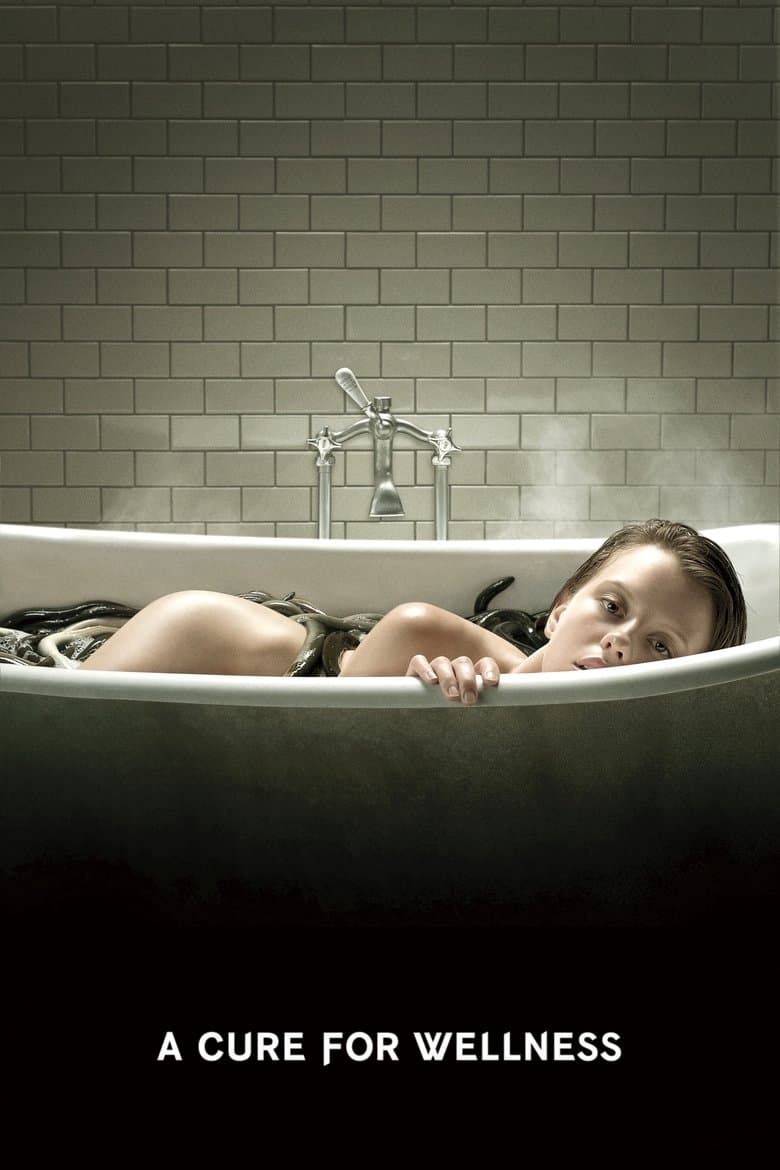
An ambitious young Wall Street executive named Lockhart is sent to a remote Swiss Alps wellness center to bring back his firm’s missing CEO. The spa looks calm, but it hides dark body-horror secrets. Toxic aquifer water is filtered through patients’ bodies into an eel-linked immortality elixir. A centuries-old baron poses as the clinic’s doctor. An isolated young woman named Hannah is trapped in a pure-bloodline incest scheme. The story is gothic psychological horror about corporate ambition, denial, self-deception, and the trap of endless cure culture.
The film is not an identity-politics drama. Dialogue focuses on hollow ambition, corporate pressure, and the spa’s wellness con rather than modern social-justice talk. The main engine is body horror, immortality, aristocratic incest, and pure-blood lineage, not a present-day race or gender manifesto. Hannah’s abuse and escape can be read as freedom from male control, but the movie plays that as horror and trauma, not activist empowerment messaging. What stands out instead is satire of Wall Street hustle and the wellness industry as parallel traps for the rich.
Community feedback
Was our 25% Woke rating accurate?
Breakdown
These are the editorial factors and ratings behind our score for A Cure for Wellness.
Woke representation / casting
The leads fit a modern New York finance world and a European Alpine spa. Supporting board faces appear only as brief office background. They are not hero identity centerpieces or a marketed diversity cast.
8%
Woke political dialogue
The talk covers hollow ambition, corporate pressure, and the spa’s wellness con. There is little identity, DEI, or modern social-justice rhetoric. The dialogue stays in a gothic psychological-thriller style.
12%
Identity-driven story themes
The core story is body horror, immortality, aristocratic incest, and pure-blood lineage for the villain’s heir. That is classic gothic material, not a present-day race or gender manifesto. Hannah’s abuse and escape can be read as freedom from male control, but the film plays it as horror and trauma, not activist empowerment messaging. There is no confirmed LGBTQ plot or subtext.
18%
Western institutional / cultural critique
The film satirizes Wall Street hustle and the wellness industry as parallel traps for the rich. It shows denial, self-absolution, and health-and-wealth as the same old exploitation. That is cultural and class satire, not a sustained attack on traditional family, Christianity, or conservative identity.
28%
Woke character or canon changes
Not relevant. This is an original screenplay loosely inspired by Thomas Mann’s The Magic Mountain. It is not an identity-driven rewrite of franchise characters or real historical figures.
0%
Anti-woke backlash and complaints
Not present. Public heat was about runtime, coherence, box-office failure, and a fake-news marketing stunt. It was not a meaningful right-leaning campaign about the film being too woke. Searches and social chatter do not show sustained anti-woke backlash.
0%
Creator track record context
Cached creative scores are low to moderate for Verbinski, Haythe, and others. There is no strong pattern of activist or DEI-driven public work. This is supporting context only.
18%
Production
Movie · 2021
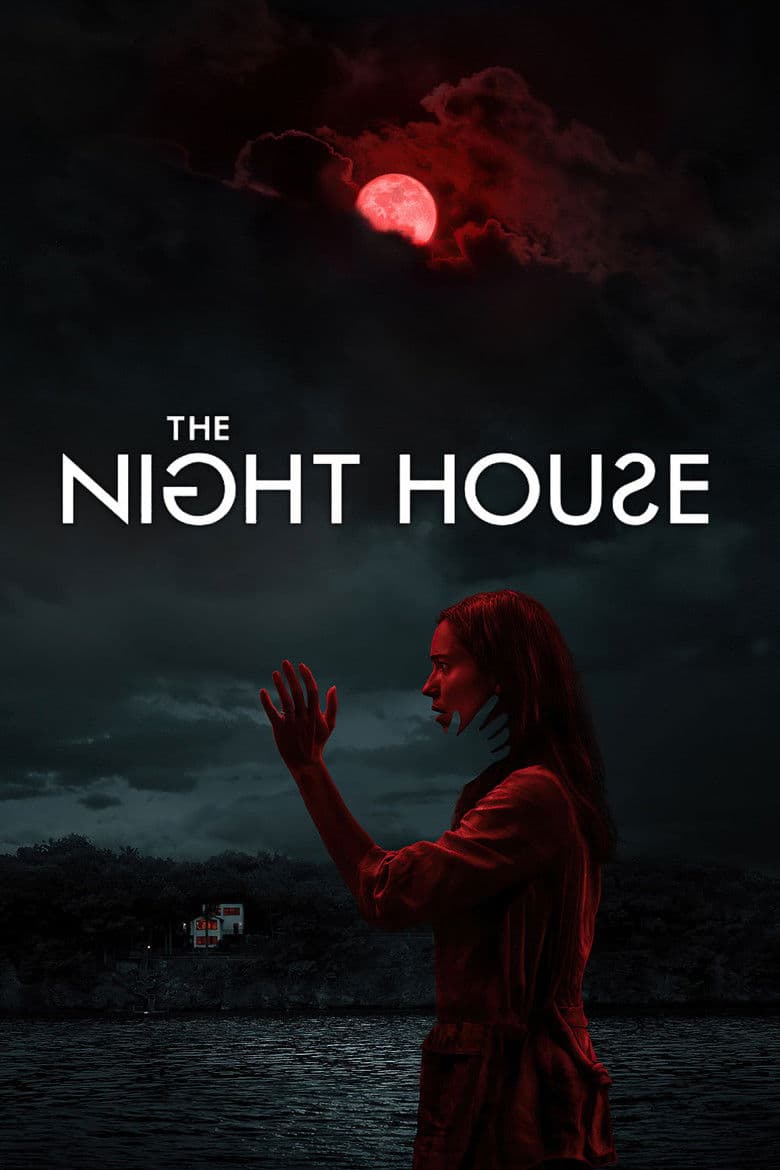
Reeling from the unexpected death of her husband, Beth is left alone in the lakeside home he built for her. Soon she begins to uncover her recently deceased husband's disturbing…
Movie · 2026
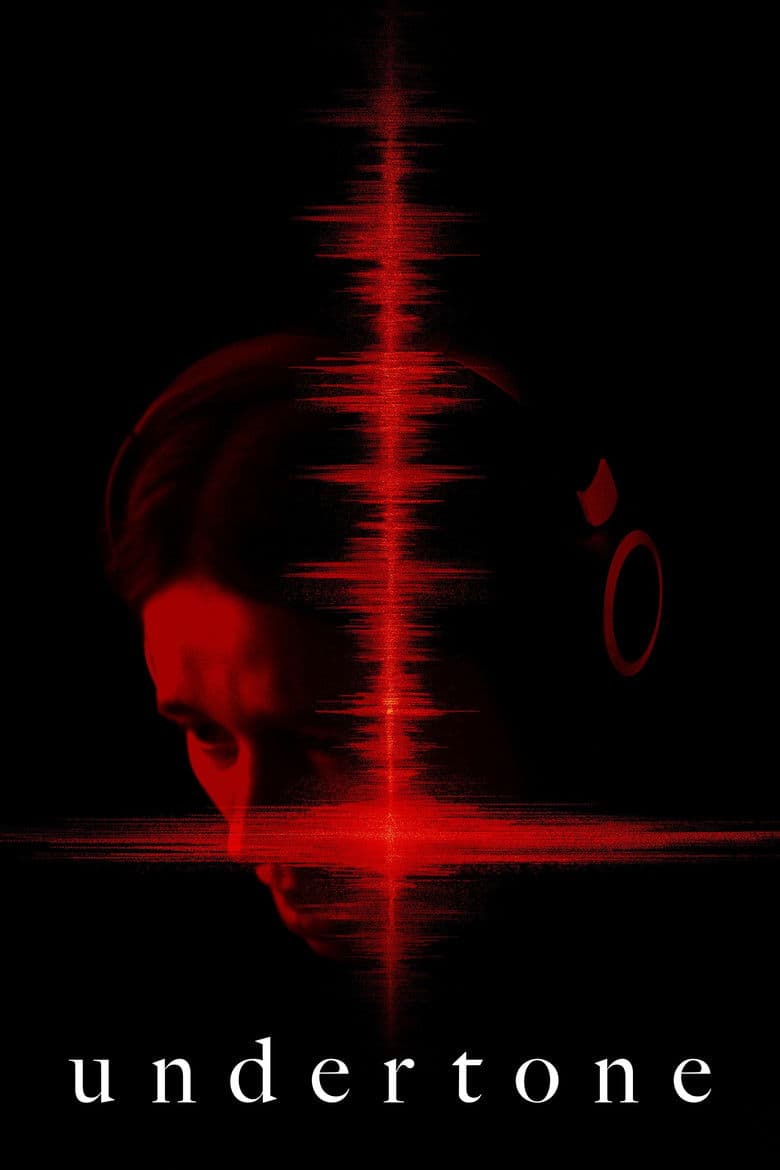
The host of a popular paranormal podcast becomes haunted by terrifying recordings mysteriously sent her way.

Movie · 2016
Father and son coroners receive a mysterious unidentified corpse with no apparent cause of death. As they attempt to examine the "Jane Doe," they discover increasingly bizarre…
Movie · 2016
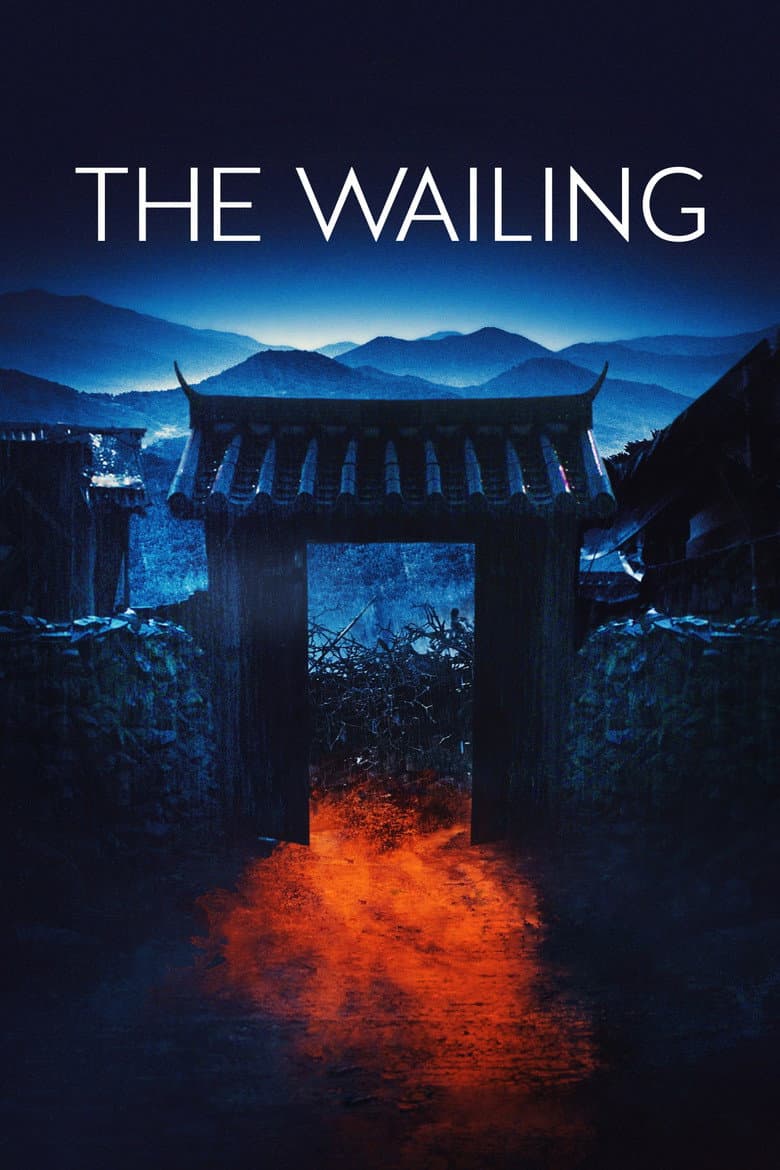
A stranger arrives in a little village and soon after a mysterious sickness starts spreading. A policeman is drawn into the incident and is forced to solve the mystery in order to…
Movie · 2024
In the near future, on a decimated Earth, Paul and his twin sons face terror at night when ferocious creatures awaken.

Movie · 2017
After a mysterious global crisis, a young girl is left alone to hide from a malevolent power that stalks her home.
Movie · 2023
A lonely woman battles extraterrestrials who threaten her future while forcing her to face her past.
Movie · 2026
In an attempt to avenge her daughter’s death, Irene Kelly travels through parallel universes, killing her daughter’s murderer again and again.
