Movie review
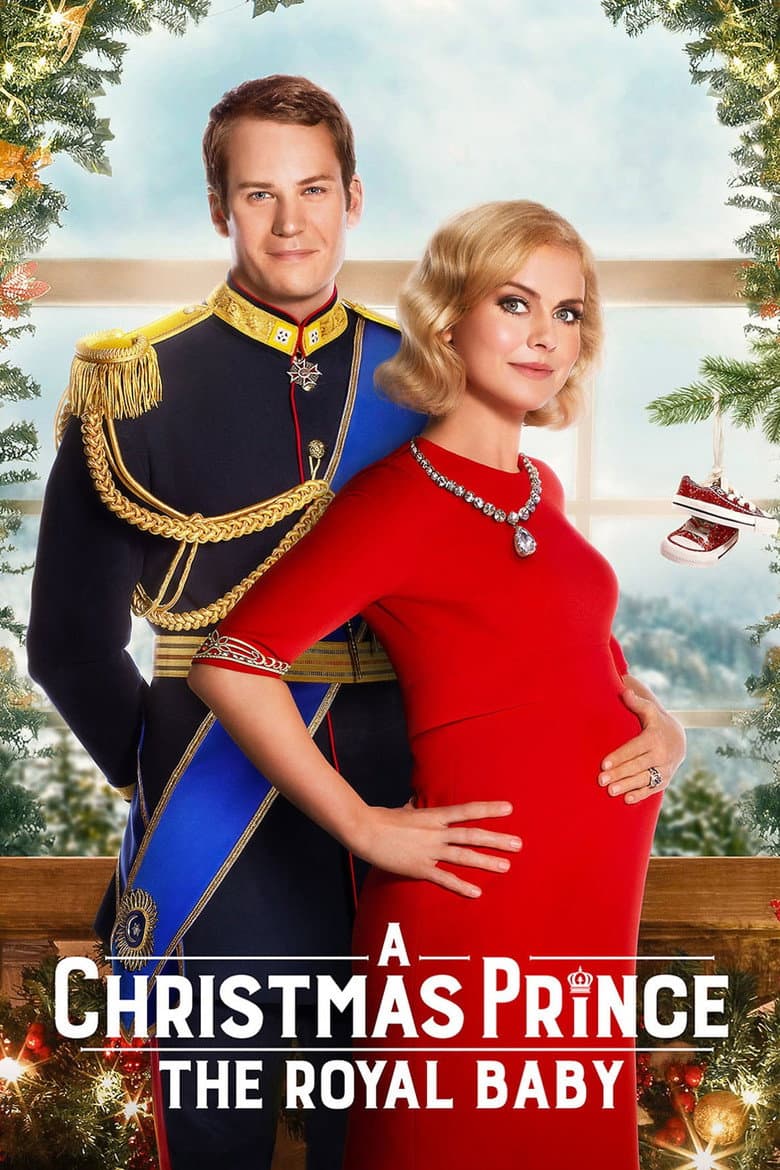
Queen Amber and King Richard are waiting for their first child in the snowy kingdom of Aldovia. They must host King Tai and Queen Ming of Penglia while the two royal families renew a 600-year peace treaty. When the treaty disappears, Amber investigates the palace before Christmas Eve, because the missing document could bring back a war and place a curse on the baby. The film mixes a silly mystery with romance, family warmth, holiday songs, and fairy tale magic.
The film gives its clearest woke message to modern gender roles. Amber says Aldovia changed its line of succession so girls can inherit, and she asks the two queens to sign the treaty for the first time. Amber keeps leading the search while Richard and the other men mostly support her, build a crib, or help with distractions. The story also presents an Asian royal couple, a black best friend, a princess with a spine condition, and two supporting men presented as gay. These choices add a clear representation message, but the identity material stays inside a light Christmas mystery and family romance.
Community feedback
Was our 48% Woke rating accurate?
Breakdown
These are the editorial factors and ratings behind our score for A Christmas Prince: The Royal Baby.
Woke representation / casting
The film places an Asian king and queen from Penglia beside the mostly white Aldovian royal family. The story gives the Penglian couple important roles in the treaty plot, so their identity is visible rather than background only. The film also includes a black best friend, a South Asian event planner, and a disabled princess. The movie presents these roles as part of its holiday world instead of stopping for a diversity speech.
18%
Woke political dialogue
Amber says Aldovia changed its line of succession so girls can inherit. Amber says the change brings the kingdom into the 21st century. Amber asks both queens to sign the treaty for the first time. The ending repeats the point when the queens add their names, but the movie keeps the message inside a light Christmas story.
39%
Identity-driven story themes
Amber leads the mystery even though she is heavily pregnant and keeps working as a journalist. The story treats her as the main problem solver, while Richard mostly worries about her and helps with side tasks. The queens' shared fight to change the treaty gives the movie a repeated women-can-lead message. The theme matters to the treaty plot, but romance, family, and Christmas fun still take most of the film.
52%
Western institutional / cultural critique
The old treaty rules allow only kings to sign, and Amber calls that tradition out of date. The movie links female succession and queen signatures with bringing Aldovia into the 21st century. The story treats the old male-only custom as something that should change. The film still supports monarchy, marriage, family, and Christmas traditions, so this critique stays mild.
28%
Woke character or canon changes
Amber and Richard announce that Aldovia changed its line of succession so a daughter can inherit the throne. The story also changes the old treaty custom by having both queens sign it. Those are identity-related changes inside the established royal world of the franchise. The movie does not recast a named character with a new race or sex.
24%
Anti-woke backlash and complaints
Not present. No searched review, Reddit discussion, or news item accused the film of pushing woke, DEI, or identity politics. The available reaction mostly mocked the weak mystery and the baby curse, while X research found no anti-woke posts.
0%
Creator track record context
John Schultz has a cached score of 9/100 and is mainly linked to family and commercial films. Nate Atkins has 0/100, and Karen Schaler has 8/100, with no strong record of identity activism. The listed producers score 0-7/100, and casting director Carolyn McLeod scores 16/100 for support of deaf, disabled, and neurodiverse artists. The crew context gives only a weak signal beside the film's clear gender message.
7%
Production

Movie · 2018
Elizabeth, a charming morning show news anchor, seeks advice from her dog's therapist after a breakup. Tara, a spunky barista, dreams of a life beyond the coffee shop.

Movie · 2022
An engaged, spoiled hotel heiress finds herself in the care of a handsome, blue-collar lodge owner and his precocious daughter after getting amnesia in a skiing accident.

Movie · 2021
On an idyllic beach in the Pacific Northwest, curiosity gets the better of a young raccoon whose frustrated parent attempts to keep them both safe.

Movie · 2020
While gathering evidence to support closing a tropical U.S. Air Force base, a congressional aide warms to its generous captain.

Movie · 2016
A mother bird tries to teach her little one how to find food by herself. In the process, she encounters a traumatic experience that she must overcome in order to survive.

Movie · 2019
John Mulaney and his kid pals tackle existential topics for all ages with catchy songs, comedy sketches and special guests in a nostalgic variety special.

Movie · 2018
This Christmas, Thunder Mountain Ski Resort is abuzz when celebrity chef Shane Roarke is named the new head chef.

Movie · 2020
Second chances start when a hardened criminal crosses paths with a precocious little girl who is helped by an angel to change hearts during the holiday season.
