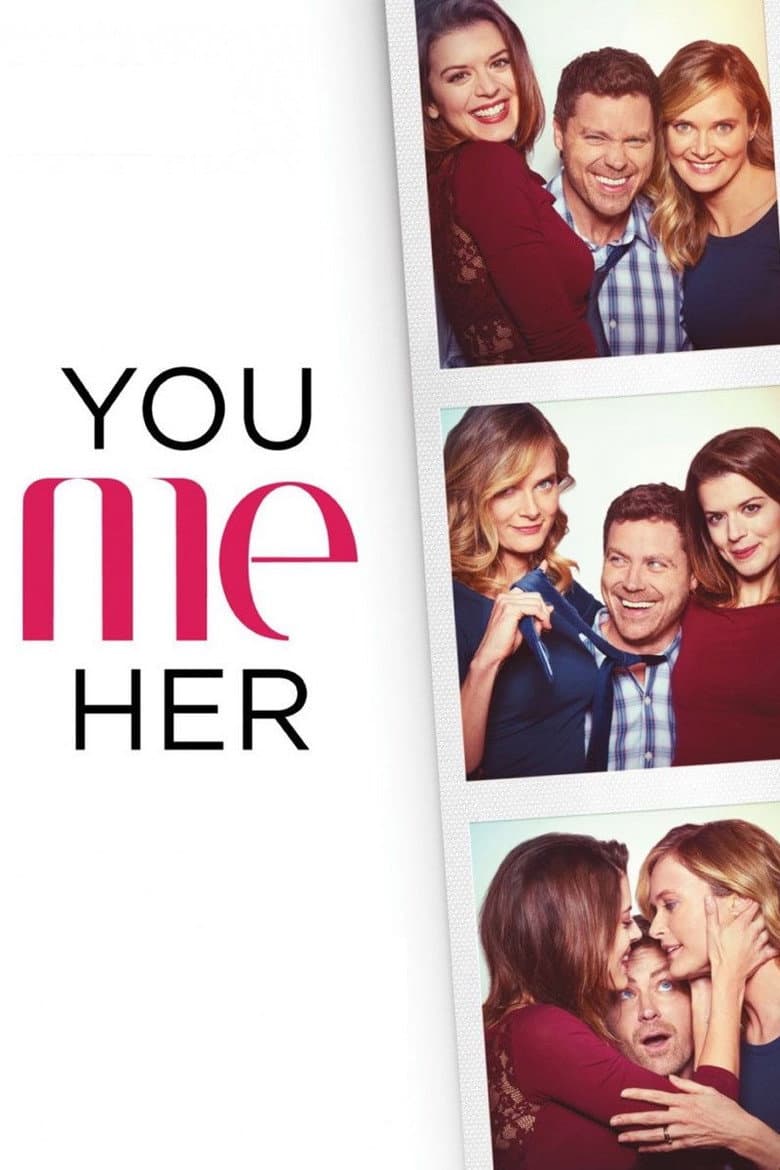
Started March 22, 2016 · Ended · Based on 5 seasons, 50 episodes through June 8, 2020 · TV-MA · 30 min
You Me Her follows Jack and Emma, a married couple in suburban Portland whose quiet life changes after Jack meets Izzy, a young escort. Emma soon falls for Izzy too, and the three begin a romantic relationship. The show follows their jealousy, breakups, family problems, and attempts to live together. Its tone mixes comedy, sex, emotional drama, and relationship arguments across five seasons.
The main woke element is the show’s support for polyamory and bisexual relationships. Izzy and Emma are shown as bisexual women, and their romance with Jack drives nearly every season. The story often treats monogamy, marriage, and normal family life as limited rules that the characters may reject. The show also presents social judgment of their relationship as narrow-minded, although the relationship itself causes serious pain and conflict.
Community feedback
Was our 48% Woke rating accurate?
Breakdown
These are the editorial factors and ratings behind our score for You Me Her.
Woke representation / casting
Not present in this title.
0%
Woke political dialogue
Not present in this title.
0%
Identity-driven story themes
The show makes polyamory the central relationship model. Emma and Izzy are presented as bisexual women who love Jack and each other. The three-person romance drives the main plot across all five seasons. The story usually treats this relationship as a valid choice, even while showing jealousy, hurt, and practical problems.
68%
Western institutional / cultural critique
The show presents marriage and monogamy as rules that can limit personal happiness. The neighbors and family members often judge the three-person relationship as strange or wrong. The story treats that judgment as narrow-minded in several recurring conflicts. The show also questions the idea that a normal family must contain only two adults.
39%
Woke character or canon changes
Not present in this title.
0%
Anti-woke backlash and complaints
NewsBusters accused the show of trying to normalize polyamory and weaken traditional marriage. Some viewers also objected to its positive treatment of a three-person relationship. The criticism was limited and did not become a major culture-war dispute. Much of the other criticism came from polyamory viewers who disliked the show’s realism, so it does not raise this score.
22%
Creator track record context
Not present in this title.
0%
Production

TV Show · 2016
Rebellious Mickey and good-natured Gus navigate the thrills and agonies of modern relationships.
TV Show · 2019
Tony had a perfect life. But after his wife Lisa suddenly dies, Tony changes. After contemplating taking his own life, he decides instead to live long enough to punish the world…

TV Show · 2023
The lives of a realtor, a plumber and a former tennis star unexpectedly collide, exposing America’s obsession with true crime, murder and the slow-close toilet seat.
TV Show · 2016
Set nearly a decade after the finale of the original series, this revival follows Lorelai, Rory and Emily Gilmore through four seasons of change.

TV Show · 2019
A group of working-class friends finding unconventional ways to win at life in suburban northern England. These lads have dealt, scammed, bribed and conned their way through…

TV Show · 2022
In disguise as her friend, Ha-ri shows up to a blind date to scare him away. But plans go awry when he turns out to be her CEO — and makes a proposal.
TV Show · 2018
A hit man from the Midwest moves to Los Angeles and gets caught up in the city's theatre arts scene.
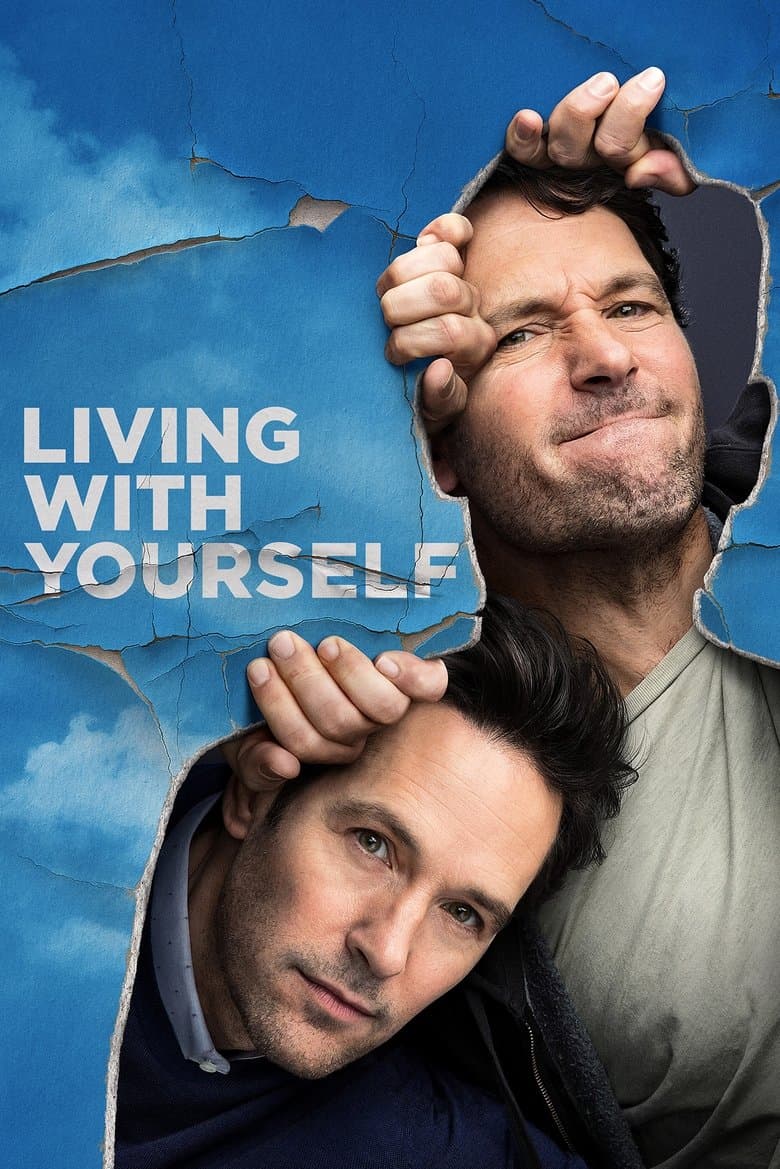
TV Show · 2019
Burned out on life, Miles undergoes a strange procedure at a strip mall spa -- and wakes to find he's been replaced by a better version of himself.
