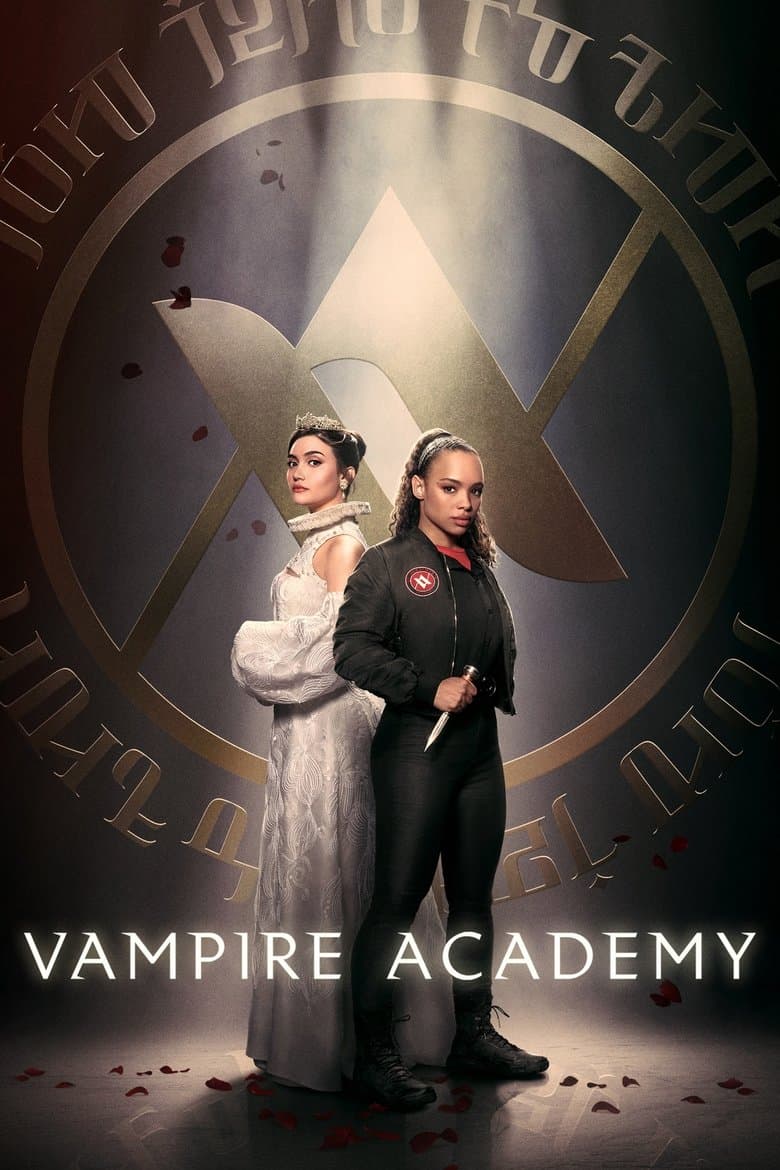
Started September 15, 2022 · Canceled · Based on 1 season, 10 episodes through October 27, 2022 · TV-MA · 47 min
Vampire Academy follows Rose Hathaway, a half-vampire guardian trainee who protects her best friend, Lissa Dragomir. Lissa is a royal vampire who must survive court fights after a family tragedy changes her place in the Dominion. Rose trains at St. Vladimir’s Academy while deadly Strigoi vampires threaten the school and the wider vampire society. The show mixes romance, palace drama, school rivalries, magic, and violent vampire attacks.
The show makes class and equality major parts of its season-long story. Rose and Lissa repeatedly question a system that gives royal vampires power over non-royals and guardians. The season also adds several visible queer relationships, including Mia and Meredith and Victor and Robert, while Sonya suffers after she cannot choose one kind of magic and is punished for failing to fit the system. The main cast is visibly diverse, and the two women at the center drive the action, but romance, family secrets, and vampire danger share much of the screen.
Community feedback
Was our 66% Woke rating accurate?
Breakdown
These are the editorial factors and ratings behind our score for Vampire Academy.
Woke representation / casting
The show puts a black woman, Sisi Stringer, in the lead role of Rose, a guardian-in-training. The show gives the royal lead to Daniela Nieves, a Latina actor, and gives major space to an Asian male love interest and a black gay married couple. The cast shows a clear identity-visible pattern in important roles. Interviews also frame the mix as authentic diversity and representation.
42%
Woke political dialogue
Victor repeatedly argues for equality between royal and non-royal vampires. Lissa says she wants to rule for all citizens, and the season follows royal elections, voting rules, and court speeches. Rose and Lissa question laws that sort people by class and birth. The political conflict returns across the season, although romance and vampire attacks take much of the screen.
44%
Identity-driven story themes
The show makes class, prejudice, and equality part of the main story. The show adds Mia and Meredith as a queer couple and presents Victor and Robert as a married gay couple. Sonya is punished after she cannot choose one kind of magic, which becomes a story about forcing a person to fit a social role. These themes recur across the season, but the story remains a broad vampire romance rather than a story focused only on queer characters.
50%
Western institutional / cultural critique
The season criticizes the royal and guardian system for placing one class above another. The queen urges Moroi men to produce more Dhampir children, which shows that the society treats women’s bodies as a tool for its future. Rose, Lissa, and other women push against these roles and make key choices. The target is a fictional vampire monarchy, so the critique is less direct than an attack on modern Western institutions.
32%
Woke character or canon changes
The creators added queer relationships that were not in Richelle Mead’s books. The show makes Victor and Robert a married couple and gives Mia and Meredith a romance. The show also reshapes Sonya’s backstory around punishment for not fitting the magic system. These identity-based changes affect several important characters and recur across the season.
55%
Anti-woke backlash and complaints
One small X reply called the show woke and said it was only the books in name. One Metacritic user review also called it woke-galore and attacked the changes to the characters and plot. Other book-fan complaints focused on adaptation quality without an anti-woke claim. No major culture-war outlet, boycott effort, or review-bomb campaign was found, so the backlash remains fringe.
15%
Creator track record context
Julie Plec has a stored score of 45/100 and a history of adding queer and diverse characters. Tawal Panyacosit Jr. has a stored score of 65/100 for public representation work. Marguerite MacIntyre and most listed directors and producers have low or mild stored scores. The title’s equality and queer framing makes this background relevant, but the team is not mainly known for political activism.
32%
Production
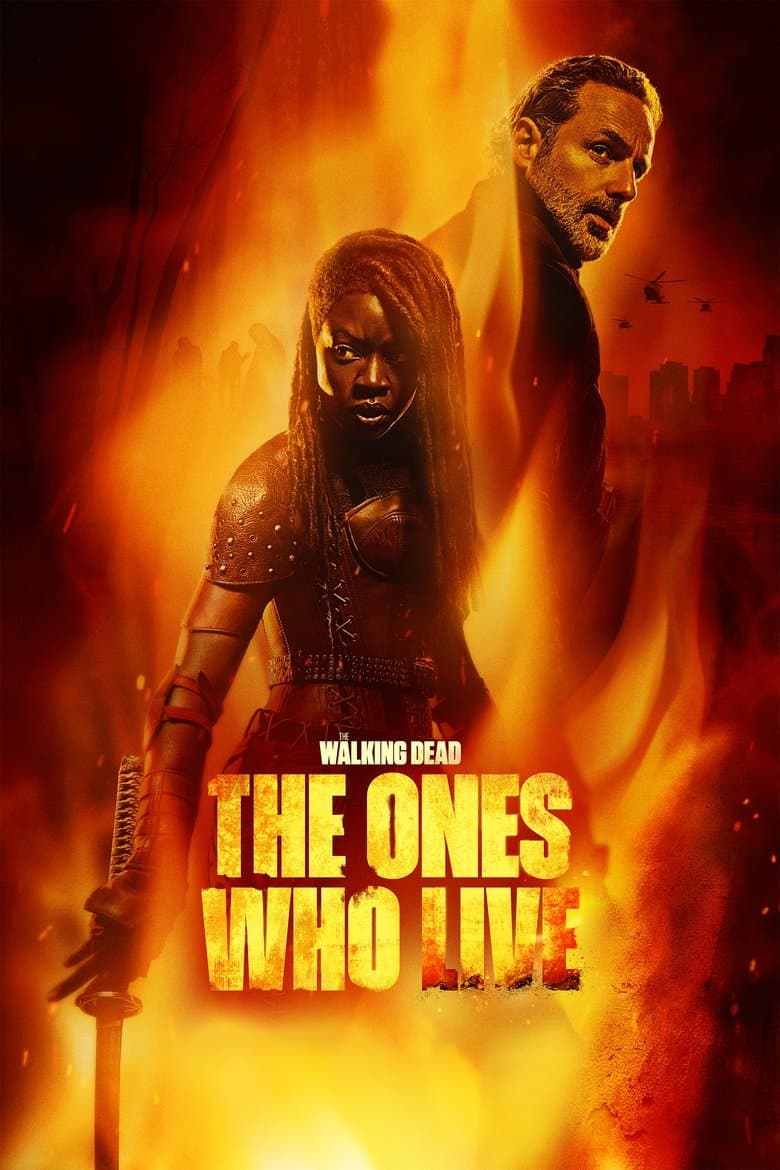
TV Show · 2024
Rick and Michonne are thrown into another world, built on a war against the dead... And ultimately, a war against the living.
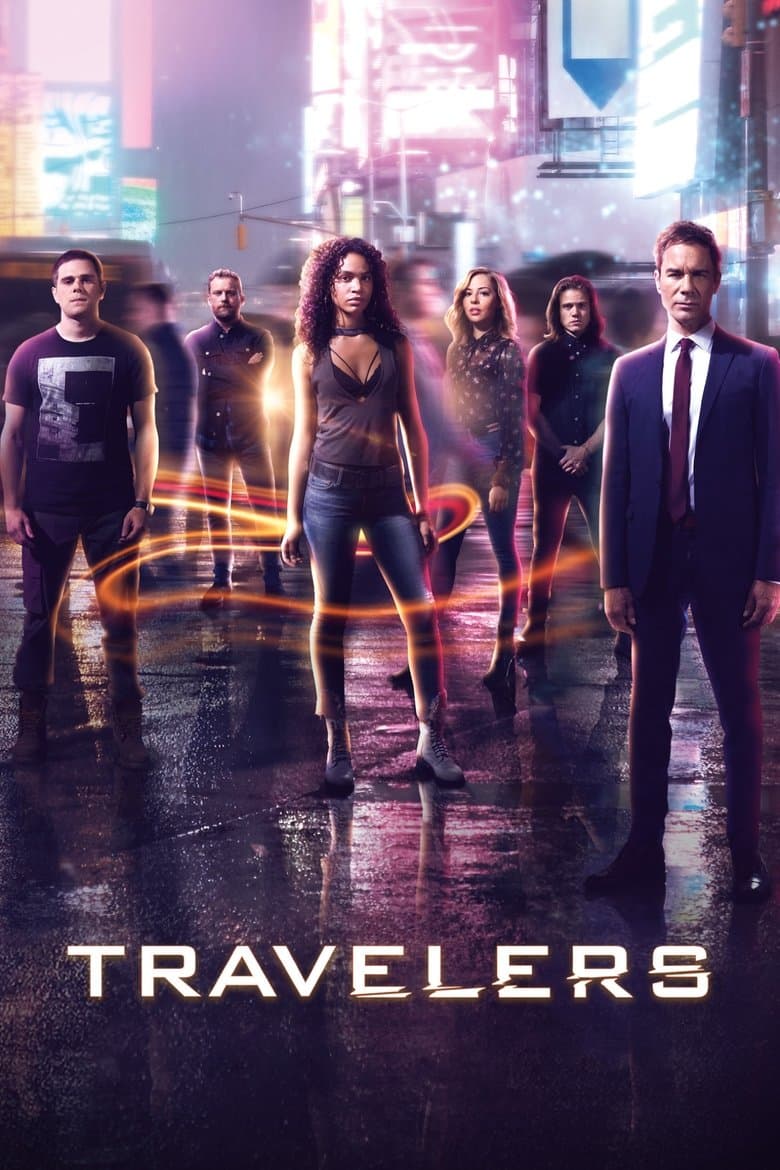
TV Show · 2016
Hundreds of years from now, the last surviving humans discover the means of sending consciousness back through time, directly into people in the 21st century.

TV Show · 2022
Irene and Franklin York, a retired couple, have a secret: a Chamber buried in their backyard that miraculously leads to a strange, deserted planet.
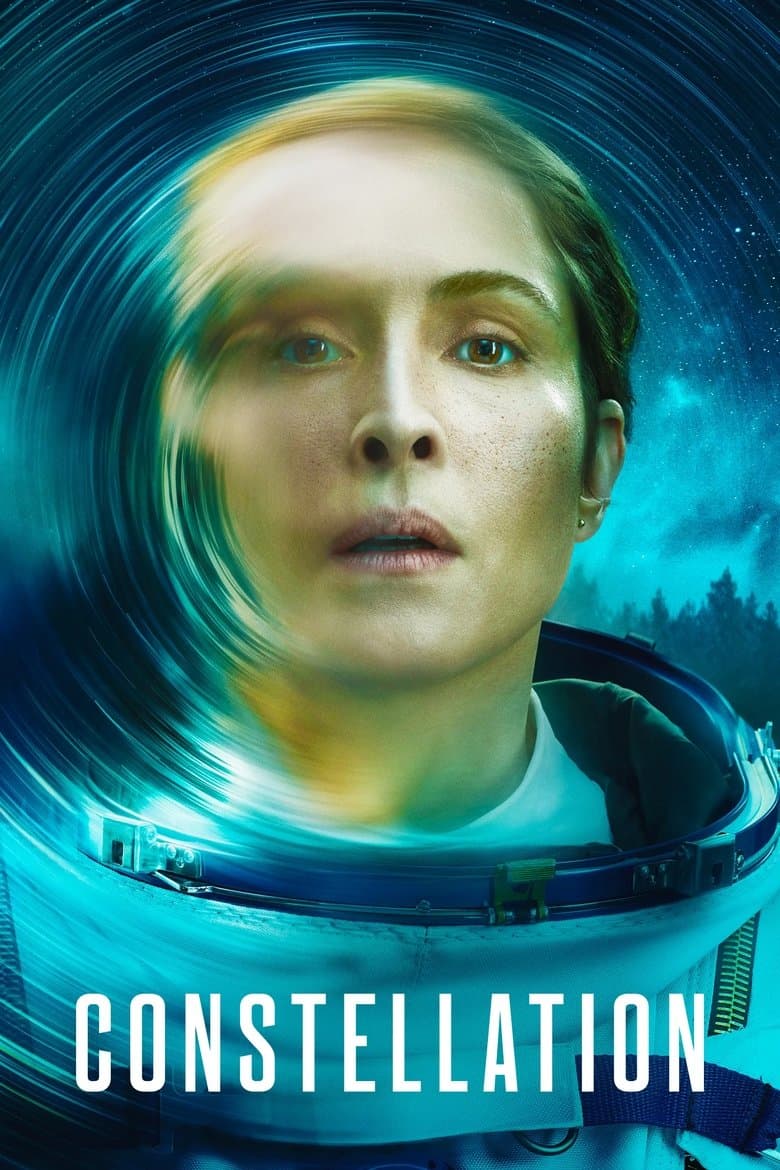
TV Show · 2024
When a fatal accident occurs on board the International Space Station, a lone astronaut makes the heroic journey back to Earth, only to discover key pieces of her life—including…
TV Show · 2023
Aster Calyx and Halan Kai Nielsen are inextricably drawn to Beacon 23. Navigating one threat after another, they unravel the beacon’s mysteries, just in time to face their most…
TV Show · 2022
Gary is an emotional wreck and struggles to provide for his daughter since the death of his wife. Mary has a secret she can't bring herself to share with anyone.
TV Show · 2021
A single mother enters a world of twisted mind games when she begins an affair with her psychiatrist boss while secretly befriending his mysterious wife.
TV Show · 2024
Jason Dessen is abducted into an alternate version of his life. To get back to his true family, he embarks on a harrowing journey to save them from the most terrifying foe…
