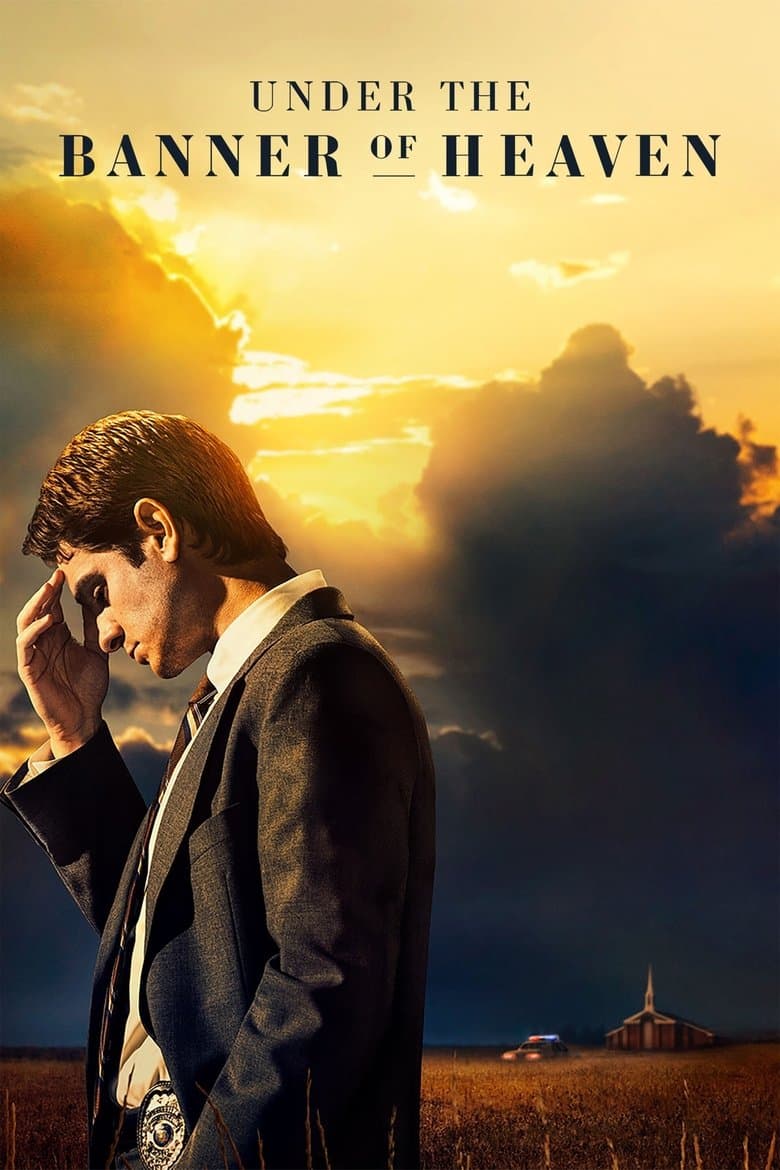
Started April 28, 2022 · Ended · Based on 1 season, 7 episodes through June 2, 2022 · TV-MA · 68 min
Under the Banner of Heaven follows Jeb Pyre, a devout Mormon detective in 1980s Utah. He investigates the murders of Brenda Wright Lafferty and her baby daughter. The case leads him to a violent fundamentalist group and the hidden history of his church. Jeb’s investigation connects the murders to Mormon fundamentalists, the Lafferty family, polygamy, and the Mountain Meadows Massacre. The series uses a grim, slow, and serious tone.
The series questions religious authority, male power, polygamy, and strict family roles. Brenda challenges rules that limit women, and the story presents her actions as brave and necessary. Jeb’s faith crisis makes him question his family, church, and idea of obedience. The show argues that powerful men can use religion to control women and excuse violence. These themes matter because they shape the murder investigation, but the story also focuses on Mormon history, religious belief, and the danger of obeying leaders without question.
Community feedback
Was our 59% Woke rating accurate?
Breakdown
These are the editorial factors and ratings behind our score for Under the Banner of Heaven.
Woke representation / casting
Not present. The review does not identify woke representation or casting.
0%
Woke political dialogue
Jeb and other characters repeatedly discuss church power, distrust of government, women’s roles, and the danger of obeying leaders without question. The dialogue mostly concerns Mormon history and religious belief. The show does not center modern party politics or current activist slogans. These ideas support Jeb’s faith crisis, but they do not control every scene.
28%
Identity-driven story themes
The show repeatedly focuses on patriarchy, polygamy, male control, and the danger faced by women who reject strict religious rules. Brenda’s conflict with the Lafferty family gives these ideas a major place in the story. The series presents questioning old gender rules as brave and necessary. The story also treats religious power as a system that can harm women.
45%
Western institutional / cultural critique
The show attacks the misuse of church authority and the idea that men should rule women through religious law. The story links strict family roles with abuse, fear, and murder. The investigation also questions distrust of government and secretive religious groups. The criticism mainly targets Mormon fundamentalism and its history, rather than all Western institutions.
43%
Woke character or canon changes
Not relevant. The review does not identify relevant character or canon changes.
0%
Anti-woke backlash and complaints
Active Latter-day Saints and conservative Mormon writers called the series agenda-driven and unfair to their faith. Critics said it treated Mormonism as violent and exaggerated its patriarchal past. Some people objected to the show’s use of sacred temple rituals and its treatment of church history. The backlash was real and received major news coverage, but it was mostly religious criticism rather than broad online controversy about woke content.
38%
Creator track record context
Dustin Lance Black has a strong LGBTQ rights record and created When We Rise about gay civil rights. He has also spoken publicly about representation and women’s rights. Samie Kim Falvey has made diversity and inclusion a major part of her producing career. Other key creators have mostly mild, limited, or unclear activist records.
72%
Production
TV Show · 2026
Wrongfully imprisoned for murdering his own son, a father sets out on a desperate rescue mission after learning the boy may still be alive.
TV Show · 2020
When an insidious supernatural force edges its way into a seemingly straightforward investigation into the gruesome murder of a young boy, it leads a seasoned cop and an…

TV Show · 2020
Zoe Walker leaves her quiet life behind to investigate her brother's disappearance in Ibiza, where she quickly heads down a decadent and dangerous path.
TV Show · 2025
A brash but brilliant cop becomes head of a new police department, where he leads an unlikely team of misfits in solving Edinburgh's cold cases.
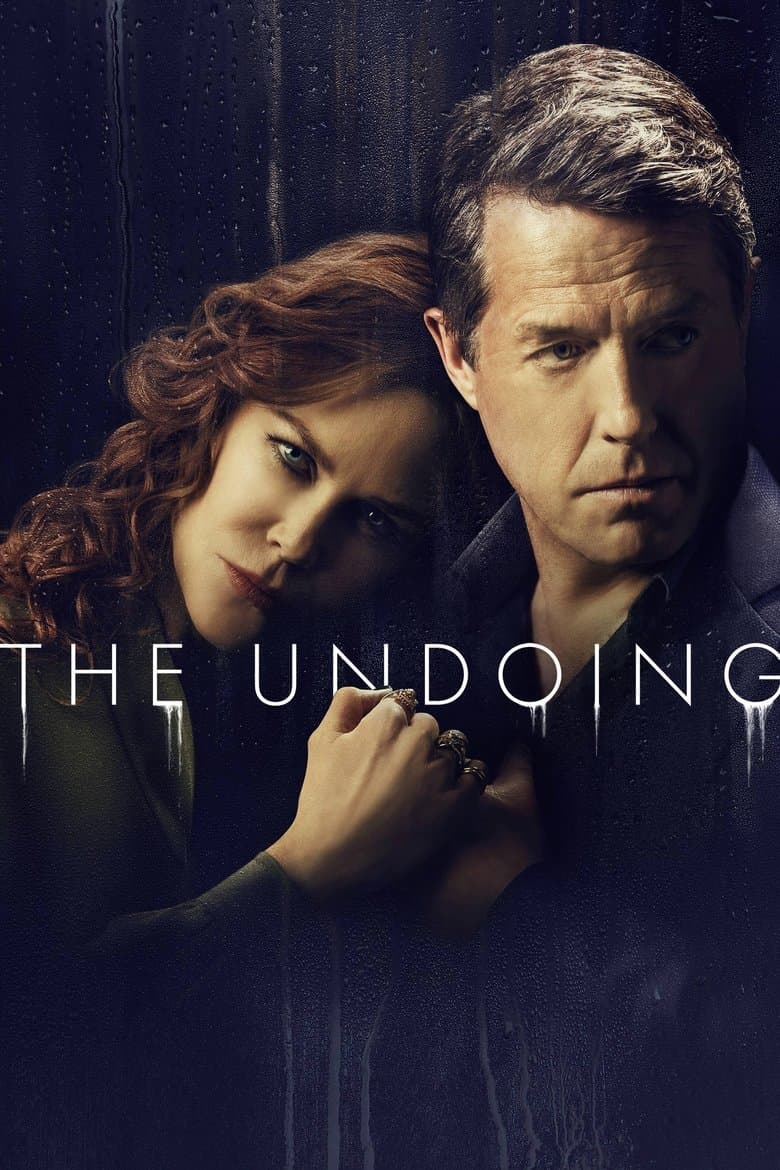
TV Show · 2020
Grace and Jonathan Fraser are living the only lives they ever wanted. Overnight a chasm opens in their lives: a violent death and a chain of terrible revelations.
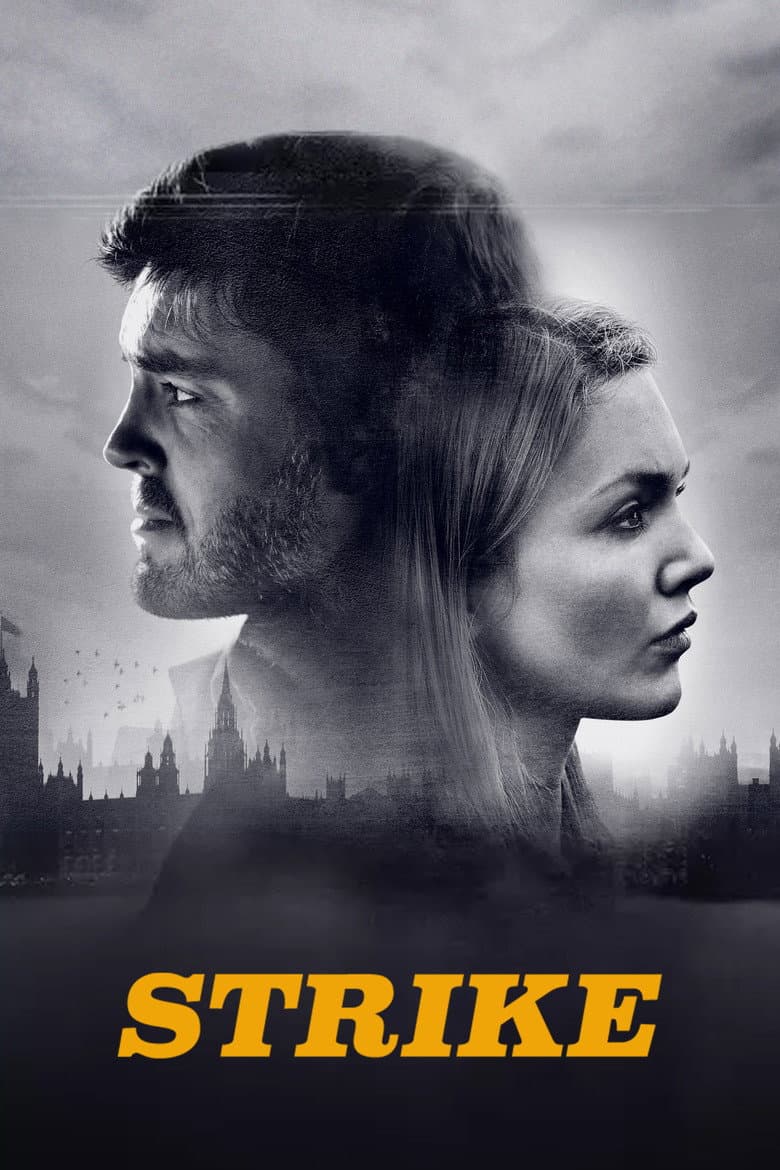
TV Show · 2017
A war veteran turned private detective operates out of a tiny office in London’s Denmark Street. Although wounded both physically and psychologically, his unique insight and…
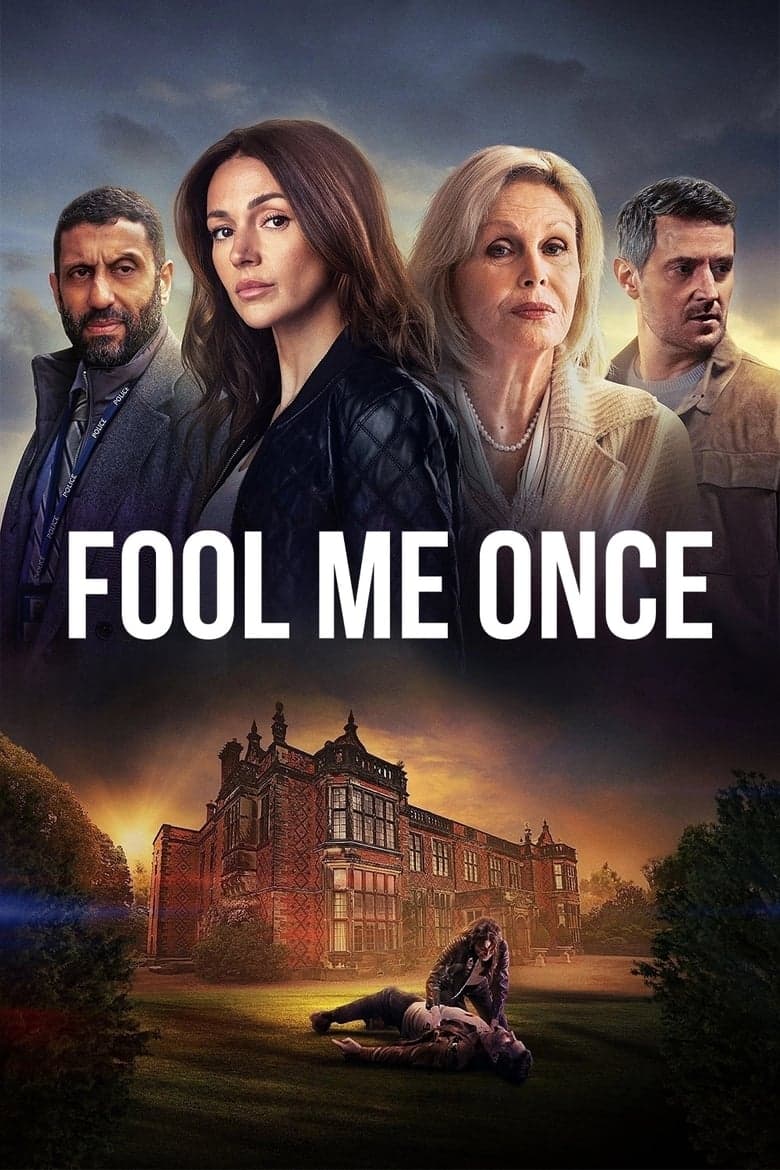
TV Show · 2024
When ex-soldier Maya sees her murdered husband on a secret nanny cam, she uncovers a deadly conspiracy that stretches deep into the past.
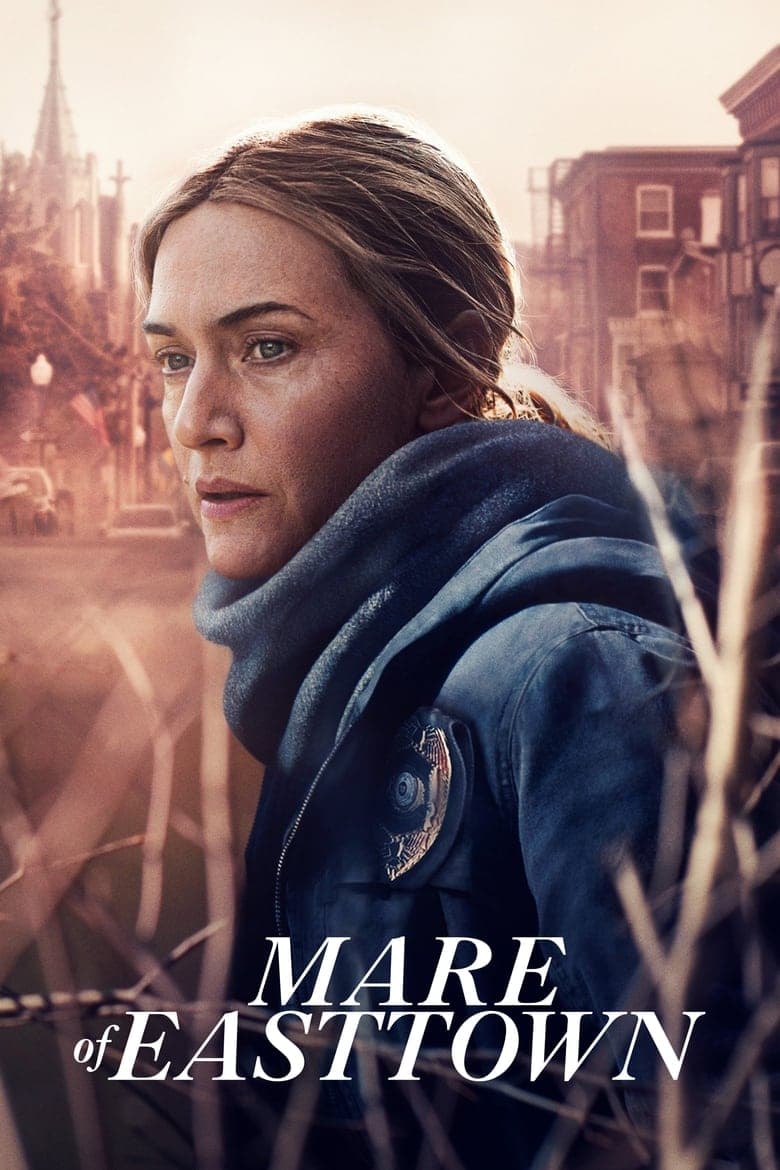
TV Show · 2021
A detective in a small Pennsylvania town investigates a local murder while trying to keep her life from falling apart.
