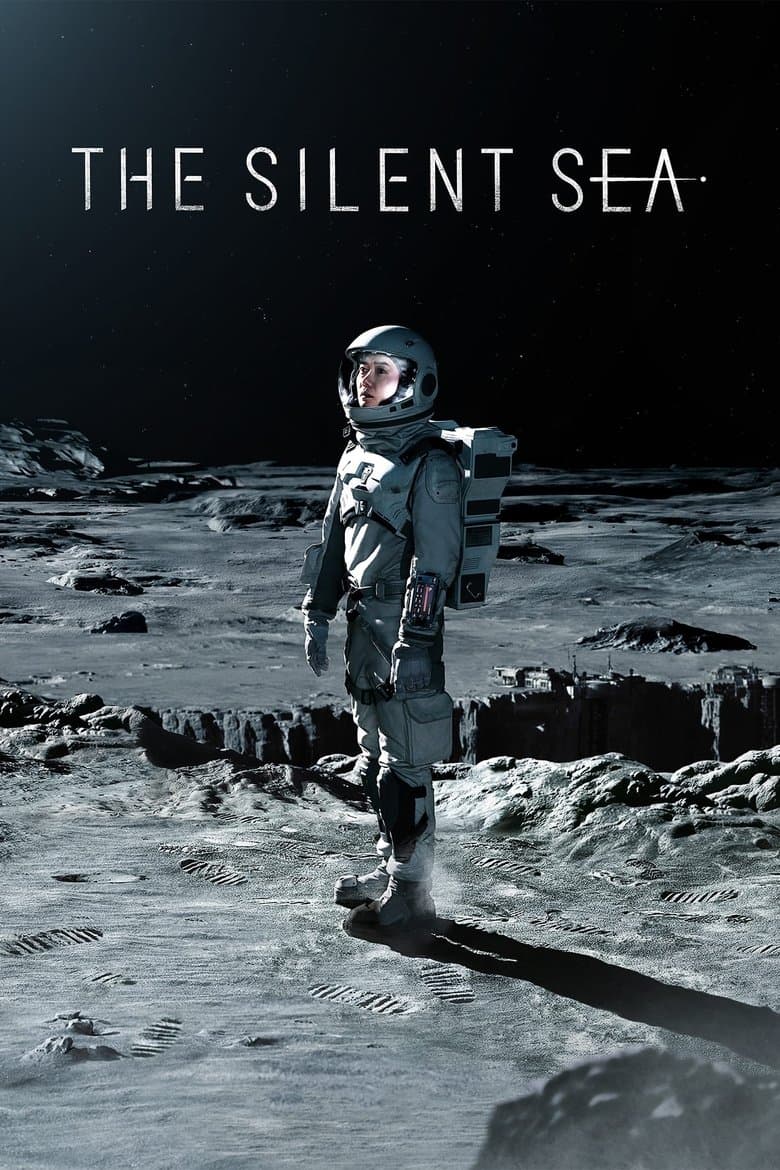
Started December 24, 2021 · Ended · Based on 1 season, 8 episodes through December 24, 2021 · TV-MA · 45 min · Korean
Song Ji-an is an astrobiologist who joins a dangerous mission to the moon after Earth loses much of its water. People receive water according to their social rank, so citizens protest while officials hide the truth about the crisis. Ji-an and Captain Han Yun-jae lead a Korean crew to the abandoned Balhae research station to recover a sample that could save humanity. The crew finds dead researchers, cloned children, and lunar water that can kill, change, and spread. The station turns the mission into a tense fight for survival and the truth.
The visible social message comes from the unequal water system and the struggle over who controls lunar water. The government hides deaths, while a private company seeks control of a resource that could save everyone. Ji-an becomes the main scientific solver and moral voice, and she treats Luna as a child with human worth instead of as a lab product. Dr. Hong and Luna also help carry the story, while the ending favors shared research over control by one state or company. These ideas matter throughout the season, but the show presents them through a survival mystery rather than queer themes or identity politics.
Community feedback
Was our 46% Woke rating accurate?
Breakdown
These are the editorial factors and ratings behind our score for The Silent Sea.
Woke representation / casting
Song Ji-an is a female astrobiologist who leads the investigation. Dr. Hong and Director Choi are also skilled women in important jobs. The captain and most of the crew are men, and Song has a personal reason to join the mission. The Korean cast fits the show's Korean mission, but the pattern gives women several strong roles.
25%
Woke political dialogue
Citizens protest unequal water distribution in the opening. The crew repeatedly debates who should control the lunar water. Song argues that Luna is a person, not a tool for experiments. The show keeps these political ideas inside the survival plot instead of using long speeches.
38%
Identity-driven story themes
Song leads the search for the truth and becomes Luna's main protector. Dr. Hong and Luna help carry the survivors toward the ending. Several male crew members die or sacrifice themselves while the three central female survivors remain. The show gives this female led human rights message real weight, but it does not center the plot on race, sexuality, or modern gender politics.
37%
Western institutional / cultural critique
The story gives better water access to people with higher social rank. The government hides the deaths at Balhae and keeps the mission's purpose secret. RX, a private company, tries to control the lunar water for its own gain. The ending favors a neutral research center and shared use over control by one state or company.
48%
Woke character or canon changes
Not relevant. The series expands the 2014 short film with new characters and a larger world. No race, gender, sexuality, or hero role change from the source is confirmed.
0%
Anti-woke backlash and complaints
Not present. No clear anti-woke complaint appears in the reviewed coverage. The visible complaints focus on pacing, science, and the ending, while the supplied X pass found no anti-woke reaction.
0%
Creator track record context
Director Choi Hang-yong and writer Park Eun-kyo have no clear public activist record. Producer Jo Young-wook also has no clear public activist record. Producer Jung Woo-sung has a long record of refugee and civic work, but the show does not turn that work into a direct political message.
20%
Production
TV Show · 2021
A year after a subglacial volcano erupts, mysterious elements from prehistoric times emerge from the melting ice, bringing unforeseen consequences.
TV Show · 2017
A demented serial killer taunts a retired police detective with a series of lurid letters and emails, forcing the ex-cop to undertake a private, and potentially felonious, crusade…
TV Show · 2016
Hundreds of years from now, the last surviving humans discover the means of sending consciousness back through time, directly into people in the 21st century.
TV Show · 2021
Interconnected phone conversations chronicle the mysterious story of a group of strangers whose lives are thrown into disarray in the lead-up to an apocalyptic event.
TV Show · 2019
Emma, Norman and Ray are the brightest kids at the Grace Field House orphanage. And under the care of the woman they refer to as “Mom,” all the kids have enjoyed a comfortable…
TV Show · 2016
Kyle Barnes has been plagued by possession since he was a child. Now an adult, he embarks on a spiritual journey to find answers, but what he uncovers could mean the end of life…
TV Show · 2018
After 250 years on ice, a prisoner returns to life in a new body with one chance to win his freedom: by solving a mind-bending murder.
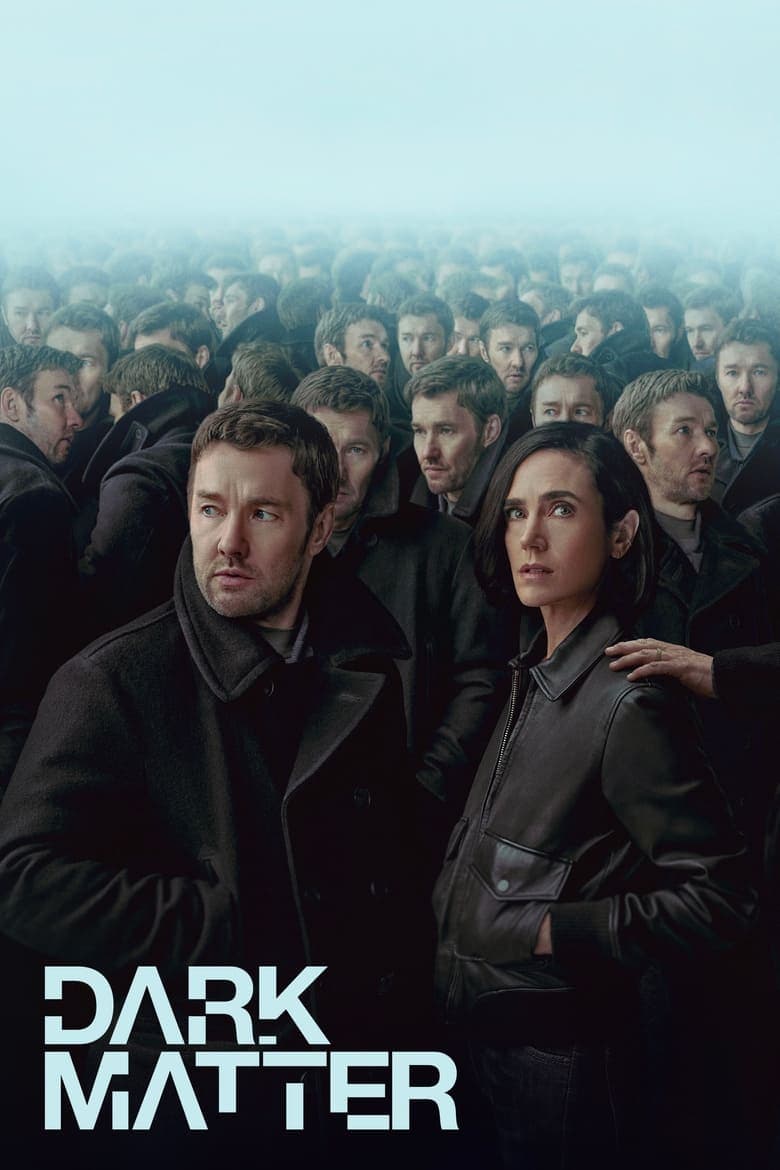
TV Show · 2024
Jason Dessen is abducted into an alternate version of his life. To get back to his true family, he embarks on a harrowing journey to save them from the most terrifying foe…
