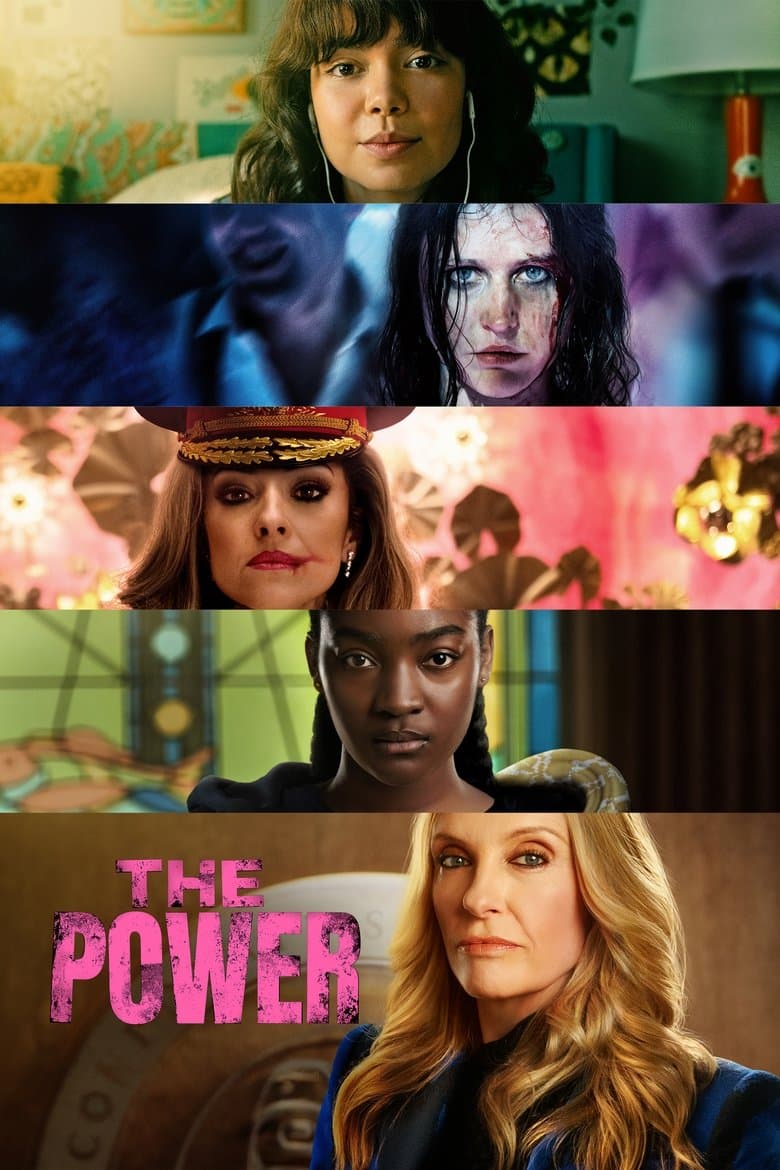
Started March 30, 2023 · Canceled · Based on 1 season, 9 episodes through May 11, 2023 · TV-MA
The Power follows Margot Cleary-Lopez, the mayor of Seattle, and several girls and women around the world after teenage girls suddenly grow an electric organ that lets them shock people. Jos, Margot’s daughter, learns to control the power while Margot tries to protect her family and use the change in her political fight. Roxy, a gangster’s daughter in London, Allie, a runaway foster child, and journalist Tunde in Nigeria face their own battles. The story moves through Seattle, London, Nigeria, and Eastern Europe, and its tone shifts from mystery and family drama to a violent political thriller.
The show makes gender power its main subject by asking what happens when girls can no longer be easily controlled or harmed by men. It shows sexist rules, forced tests, male anger, abuse, and attacks on women who use the power. It also follows an intersex boy and a trans nun, so the story questions a simple male and female divide. The season presents female power as both protection and a danger, because some women copy the cruelty of the men they replace and build new armies and religious power.
Community feedback
Was our 89% Woke rating accurate?
Breakdown
These are the editorial factors and ratings behind our score for The Power.
Woke representation / casting
The show places women and girls in nearly every major heroic, political, criminal, or religious role. Sister Maria is a trans woman played by Daniela Vega, and Ryan is an intersex boy with the electric power. The worldwide setting explains much of the national mix, so the score is not higher. The repeated use of identity-focused leads still makes representation a clear part of the show’s image.
42%
Woke political dialogue
Margot repeatedly talks about women’s safety, equal power, and control over their own bodies. The campaign plot turns those ideas into speeches, forced tests, attacks, and a Senate race. UrbanDox answers with a men’s-rights message that men must take back control. The dialogue is central in the Seattle story but less present in the crime, convent, and war plots.
62%
Identity-driven story themes
Girls gain a biological power, and the story uses it to flip who can hurt, control, and lead. The show repeatedly links female power to freedom from male violence, fear, and old gender roles. Margot, Allie, and other women use the change to seek political, religious, or military power. Ryan’s intersex identity and Sister Maria’s trans identity challenge a strict two-sex view of the world. The show also warns that women can abuse power just as men do.
88%
Western institutional / cultural critique
Male-led government officials force women to take power tests and punish women who have it. UrbanDox presents male anger and entitlement as a movement against women’s public power. Margot’s family conflict treats old husband and mother roles as a source of pressure. Some church leaders punish nuns who shelter Maria and girls. The show repeatedly presents old gender rules and male control as systems that must be challenged.
62%
Woke character or canon changes
The adaptation adds Sister Maria, a trans nun played by Daniela Vega, to the novel’s story. The show gives her a backstory about family rejection and acceptance at the convent. That addition creates a continuing subplot about trans identity and religious belonging. The change is important to one part of season one, but it does not replace the main story or premise.
38%
Anti-woke backlash and complaints
A Spanish FilmAffinity review called the series a left-wing woke activism story and criticized its feminist message. One Reddit viewer complained that the show reduced its message to women being good and men being bad. No major outlet reported a broad anti-woke campaign. The supplied X research found no clear anti-woke thread.
10%
Creator track record context
Naomi Alderman’s cached score is 84, and her title interviews describe feminist and trans-inclusive goals. Raelle Tucker’s cached score is 65 because her work often centers women and people facing unfair treatment. Producer Naomi de Pear’s cached score is 78 because of queer-focused work and public diversity advocacy. Other key creators have low or mild cached scores, so the overall context is strong but mixed.
66%
Production
TV Show · 2024
A mysterious event traps people on a rural Georgia farm, forcing them to unite against an unknown, deadly force. A young boy named Arlo becomes central to uncovering the truth.
TV Show · 2016
Kyle Barnes has been plagued by possession since he was a child. Now an adult, he embarks on a spiritual journey to find answers, but what he uncovers could mean the end of life…
TV Show · 2017
A demented serial killer taunts a retired police detective with a series of lurid letters and emails, forcing the ex-cop to undertake a private, and potentially felonious, crusade…
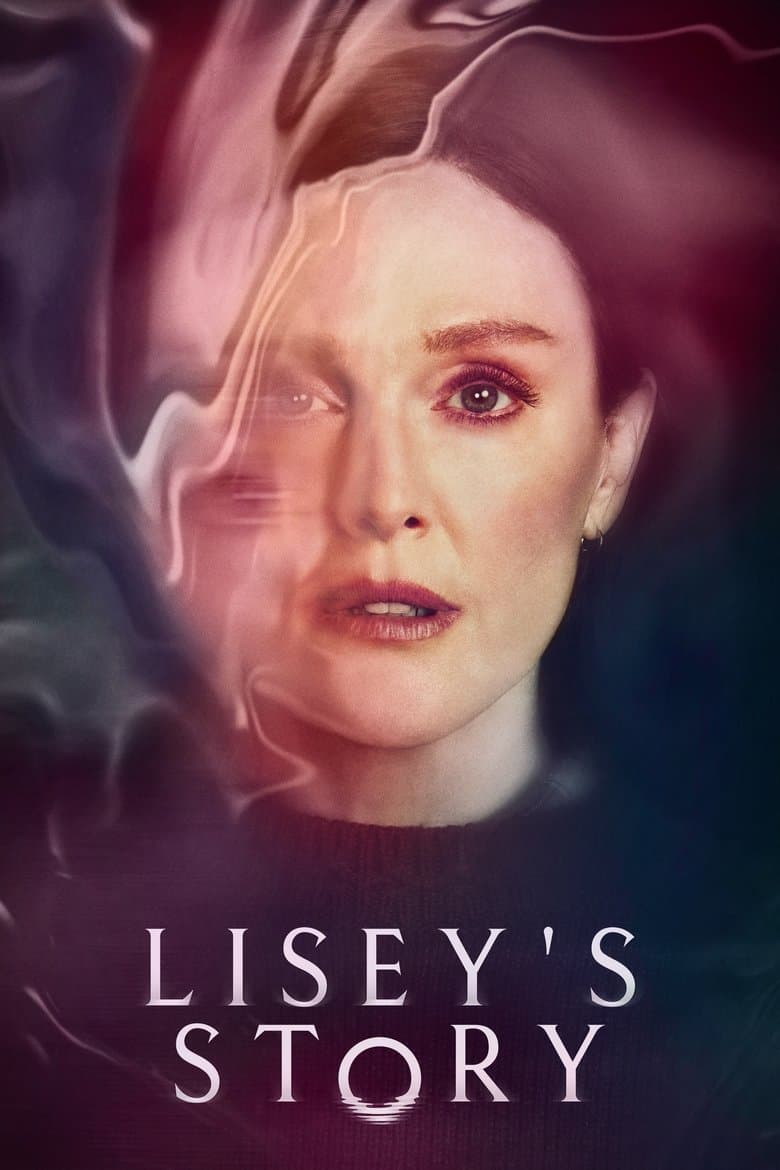
TV Show · 2021
This terrifying thriller follows widow Lisey Landon as a series of disturbing events revives memories of her marriage to author Scott Landon and the darkness that plagued him.
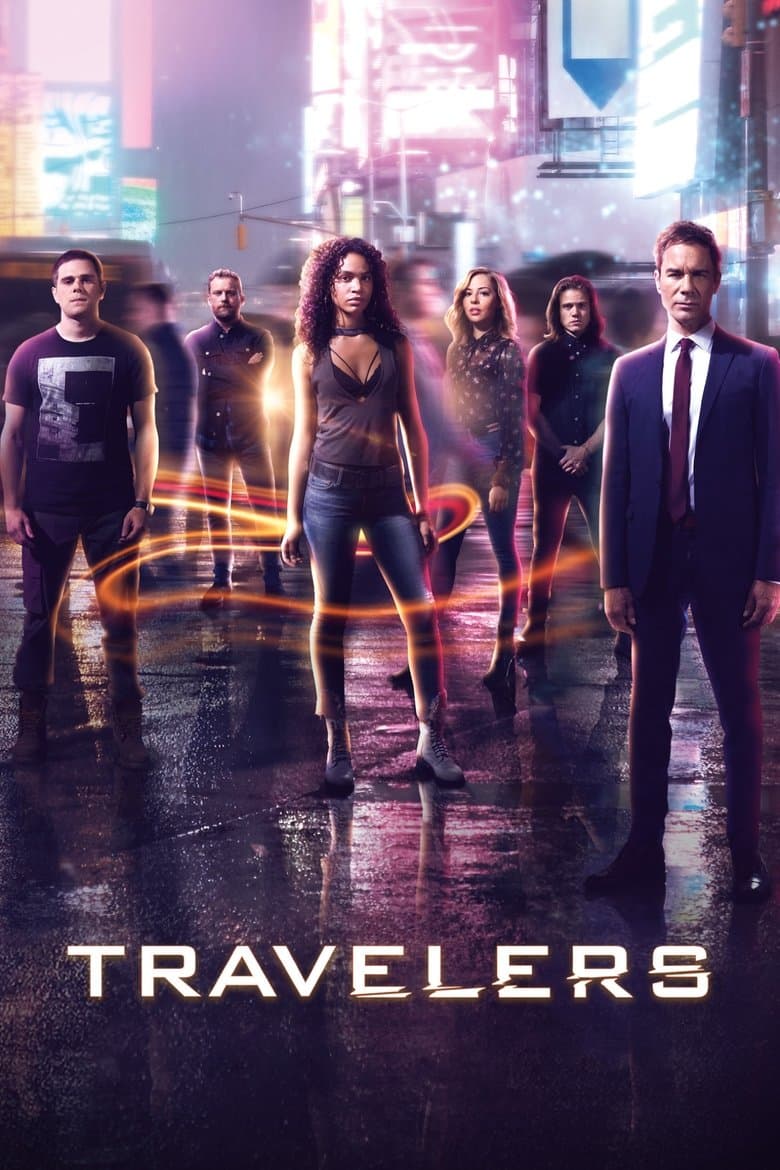
TV Show · 2016
Hundreds of years from now, the last surviving humans discover the means of sending consciousness back through time, directly into people in the 21st century.
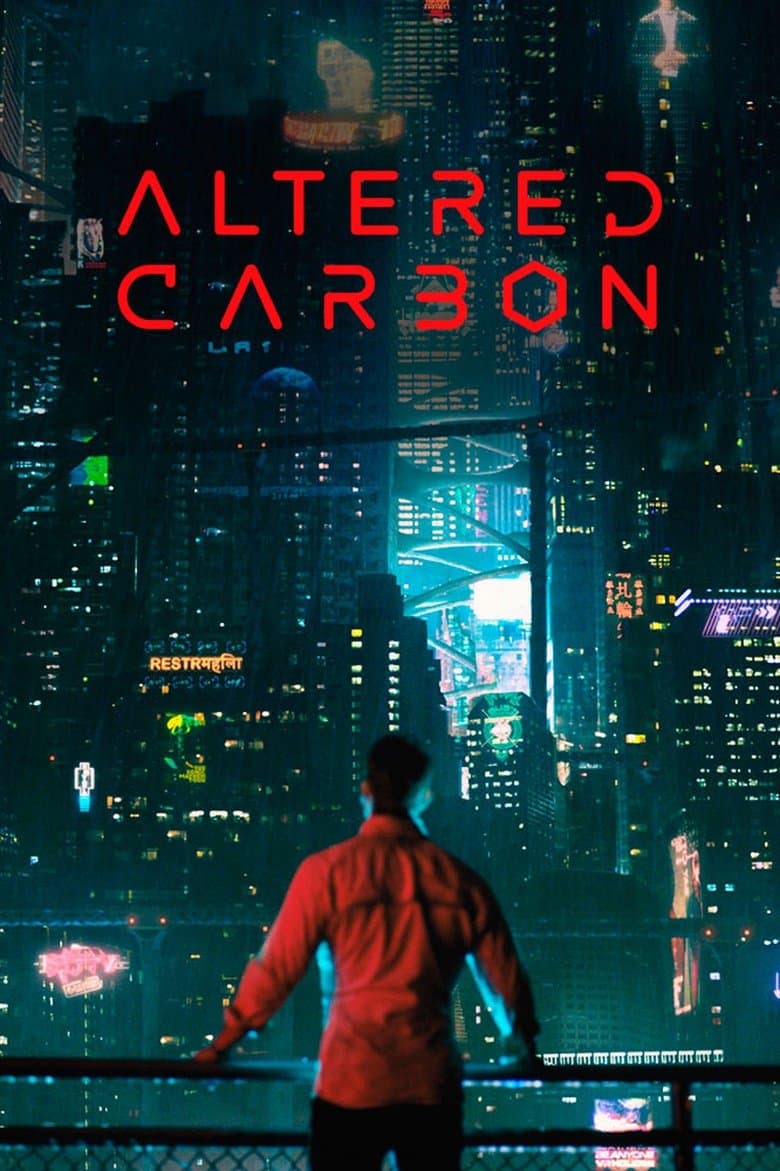
TV Show · 2018
After 250 years on ice, a prisoner returns to life in a new body with one chance to win his freedom: by solving a mind-bending murder.
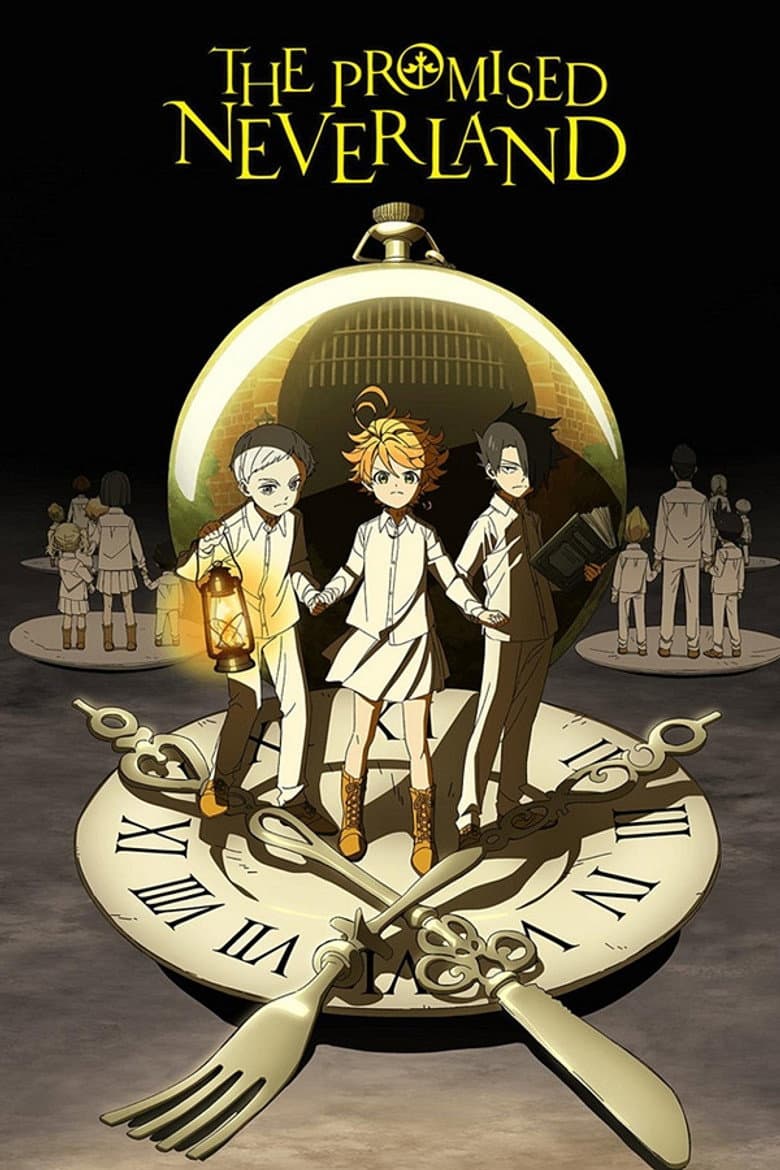
TV Show · 2019
Emma, Norman and Ray are the brightest kids at the Grace Field House orphanage. And under the care of the woman they refer to as “Mom,” all the kids have enjoyed a comfortable…
TV Show · 2020
Young computer engineer Lily Chan investigates the secretive development division of her employer, a cutting-edge tech company based in San Francisco, which she believes is behind…
