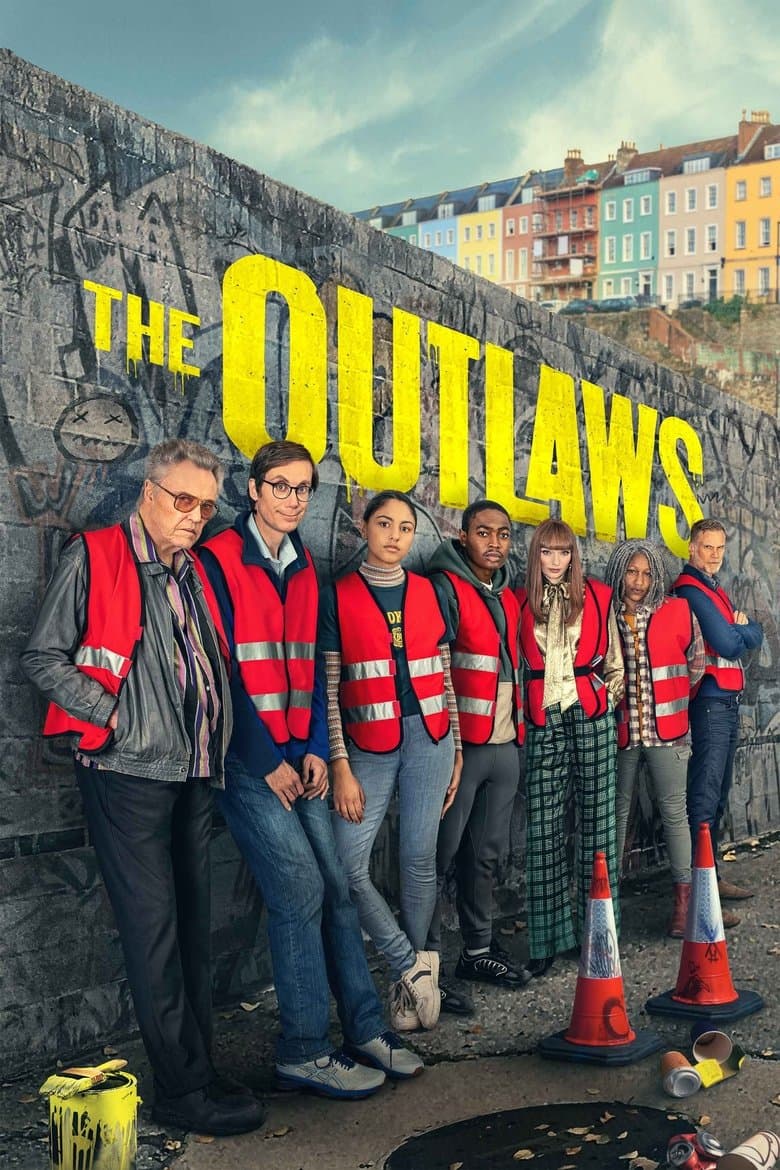
Started October 25, 2021 · Ended · Based on 3 seasons, 17 episodes through June 27, 2024 · TV-MA · 58 min
Greg is an awkward lawyer who joins six other offenders on community payback in Bristol. The group must repair a run-down community centre while dealing with family trouble, money problems, and crime. Ben’s link to a drug gang pulls the group into stolen cash, threats, and a fight with crime boss The Dean. In season three, Rani returns with a dead body, and the friends must clear their names before the gang closes in. The show mixes dark crime danger with broad jokes and warm stories about damaged people learning to trust each other.
The show makes its mixed group central to the story instead of using politics only as background. Myrna is a left-wing activist whose past protests and season three fight against forced deportations form a continuing subplot. John is a socially conservative businessman who clashes with her over race, political language, and modern causes, while the comedy mocks both sides. Ben’s story includes racial bias and pressure placed on a black family, Rani is presented as a smart Asian student, and Gabby dates a woman in season three. These elements are easy to notice across the three seasons, yet crime, redemption, and friendship remain the main focus.
Community feedback
Was our 50% Woke rating accurate?
Breakdown
These are the editorial factors and ratings behind our score for The Outlaws.
Woke representation / casting
The main group includes Rani, an Asian student, and black characters Ben and Myrna, while Black gang figure Christian becomes important later. The show presents them as a deliberately mixed cross-section of Bristol, so the casting fits a modern city and is not a major story mismatch. The ethnic mix is still a visible diversity pattern because these characters carry the main plots. No diversity-first casting statement was found.
26%
Woke political dialogue
John repeatedly attacks the left-wing liberal brigade and makes jokes about transgender vegans and political correctness. Myrna answers him as a left-wing activist, and her arguments about protest, race, and forced deportations return in later seasons. Christian and Ben also become part of conversations about racial bias and social class. The show mocks John’s views and Myrna’s slogans, so the politics usually appears as culture-war comedy instead of a long speech.
44%
Identity-driven story themes
Myrna’s activist history and her season three fight against forced deportations give the show a continuing identity-driven subplot. Ben’s story shows a black family facing gang pressure, racial suspicion, and limited choices. Rani is labeled a smart Asian girl, but her main arc concerns crime, love, and family rather than her ethnicity. Gabby’s relationship with Sarah adds a same-sex romance in season three, but it remains a side story. These themes recur across the series without taking over the main crime plot.
42%
Western institutional / cultural critique
John’s socially conservative views are mocked in repeated clashes with Myrna. His anger, failed business, and damaging relationship with his father also make older male authority look foolish or harmful. Myrna’s protest work and fight against deportations are treated as serious concerns, but the show also makes her certainty a joke. The community payback system is shown as flawed but helpful, not as an attack on Western institutions. The series therefore offers moderate cultural critique rather than a broad anti-conservative message.
35%
Woke character or canon changes
Not relevant. The show is an original story about Bristol community service workers. No established characters, source material, or real historical figures are rewritten.
0%
Anti-woke backlash and complaints
A few small X accounts called the show woke, unwatchable, or DEI-heavy. Other posts complained about alleged trans or pride flags, gender-neutral toilets, and BLM imagery in the opening, but those claims were not independently confirmed. A few user reviews also called the writing preachy and said it checked BBC diversity boxes. The posts had little reach, and no coordinated boycott, review-bombing push, or major outlet pile-on appeared.
16%
Creator track record context
Stephen Merchant has a low recorded score, and his interviews present the show as a people-first comedy about Bristol community service. Elgin James has a moderate recorded score and a past tied to anti-racist punk activism. Writers John Butler and Emma Jane Unsworth have higher recorded scores linked to LGBT and feminist representation, while Nathaniel Price has a moderate identity-focused record. The full team is mixed, so this context supports the show’s activist characters without making the production strongly activist.
34%
Production
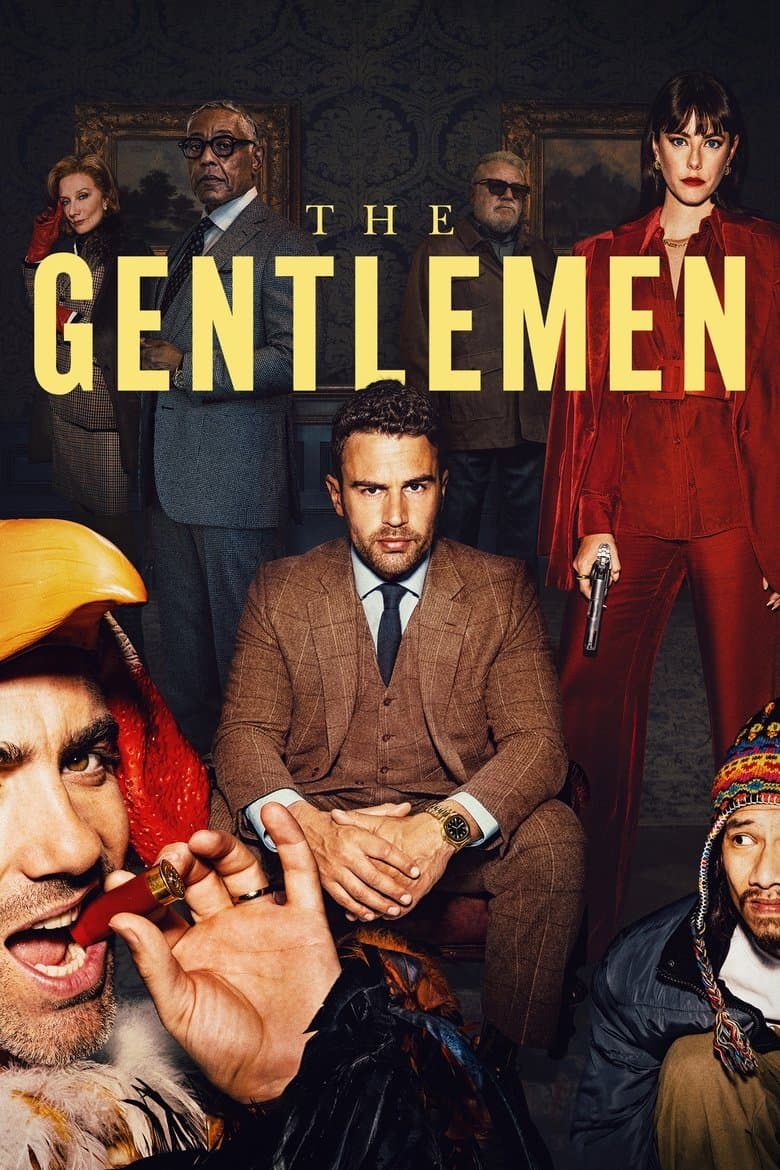
TV Show · 2024
When aristocratic Eddie inherits the family estate, he discovers that it's home to an enormous weed empire — and its proprietors aren't going anywhere.
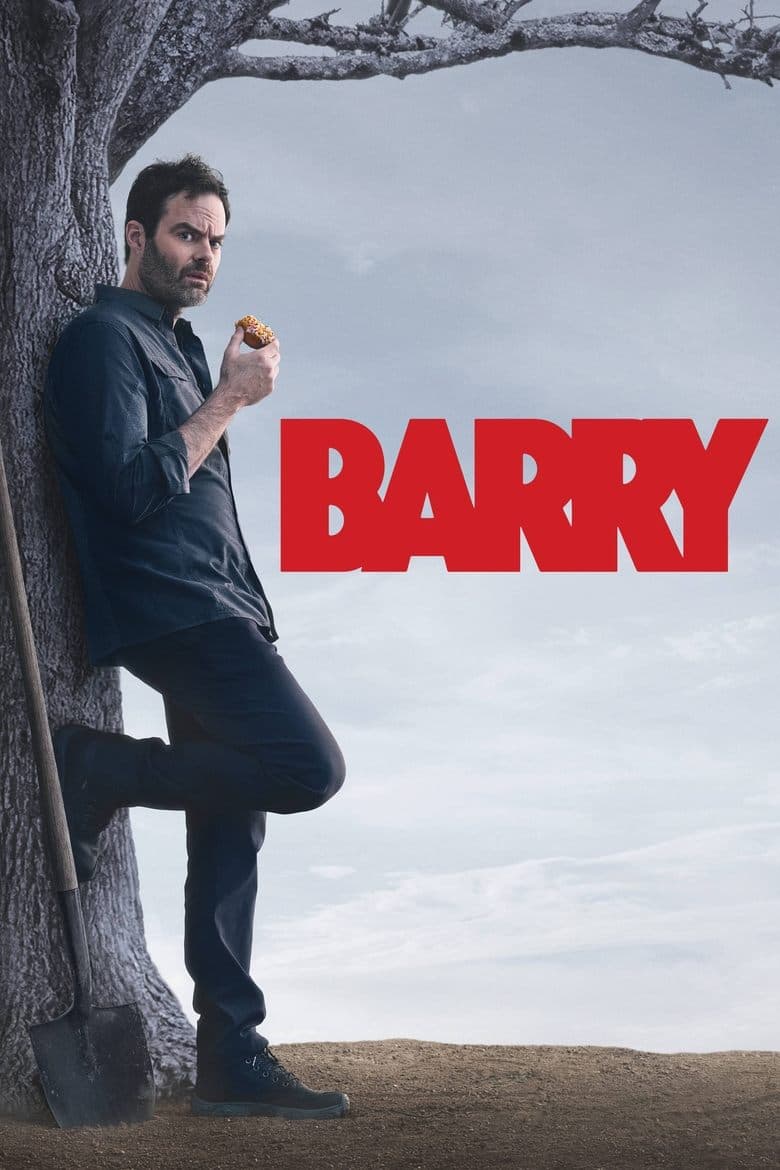
TV Show · 2018
A hit man from the Midwest moves to Los Angeles and gets caught up in the city's theatre arts scene.
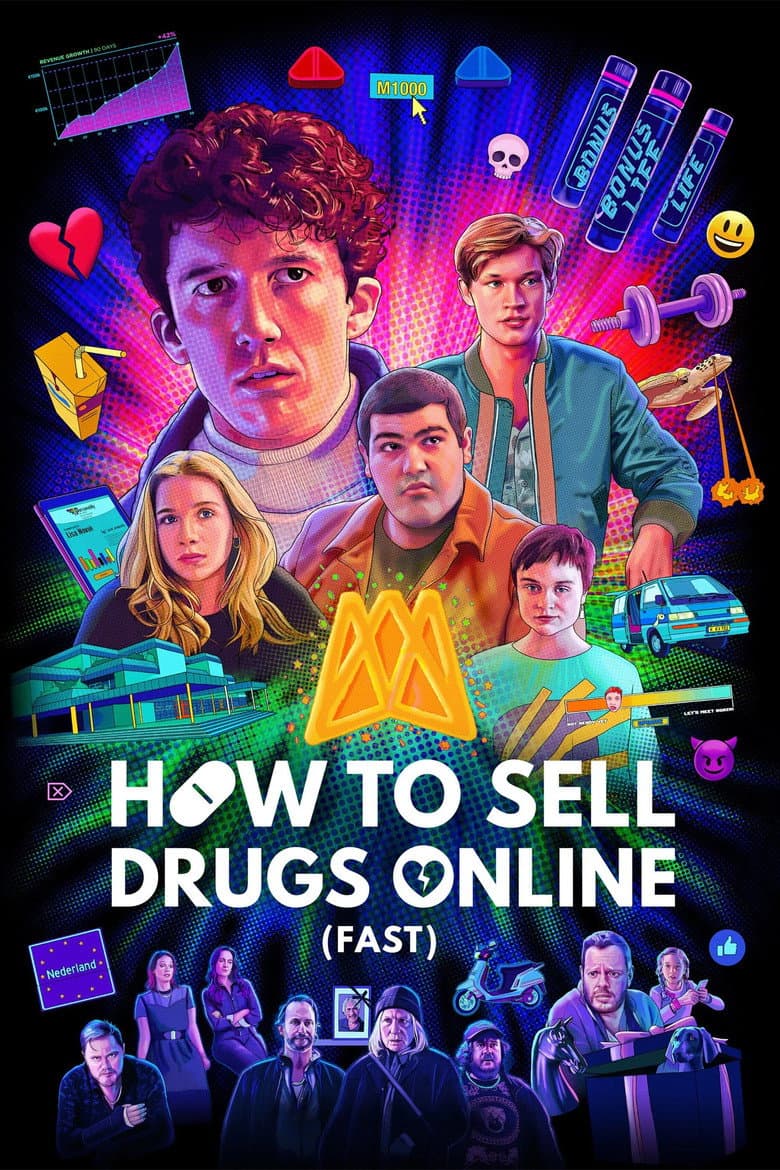
TV Show · 2019
To win back his ex-girlfriend, a nerdy teen starts selling ecstasy online out of his bedroom -- and becomes one of Europe's biggest dealers.
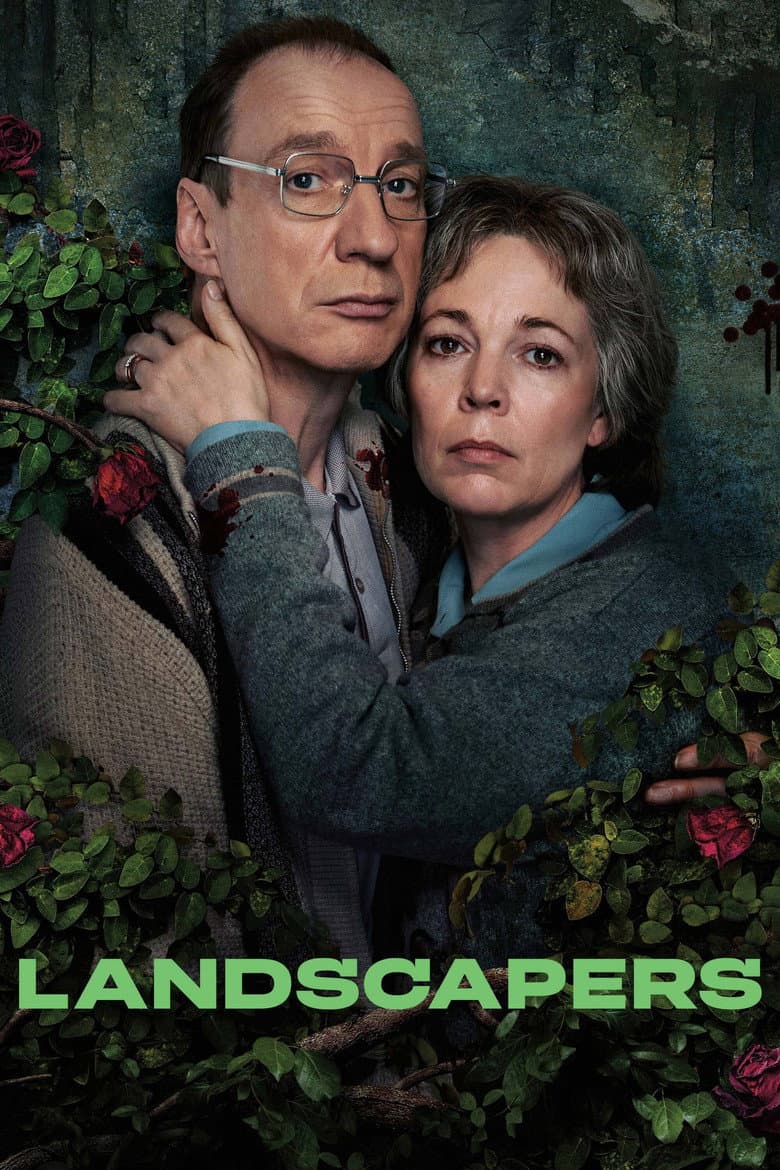
TV Show · 2021
A seemingly ordinary British couple become the focus of an extraordinary investigation when two dead bodies are discovered in the back garden of a house in Nottingham.
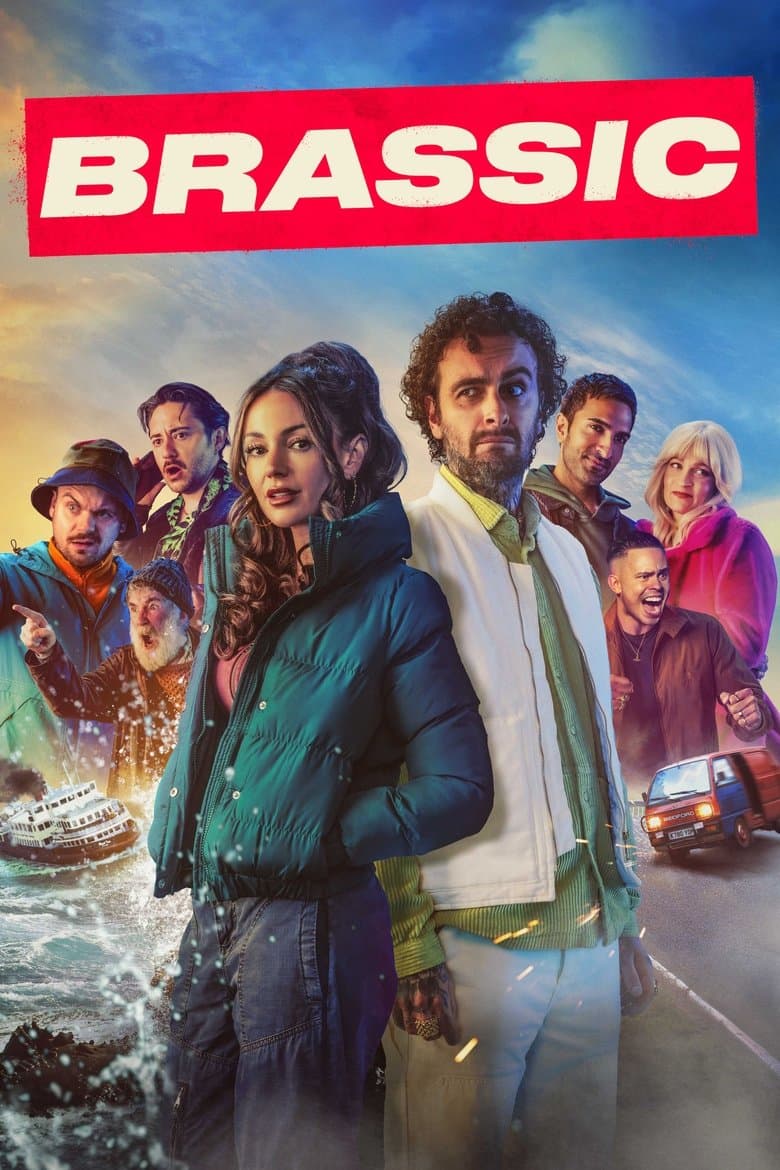
TV Show · 2019
A group of working-class friends finding unconventional ways to win at life in suburban northern England. These lads have dealt, scammed, bribed and conned their way through…
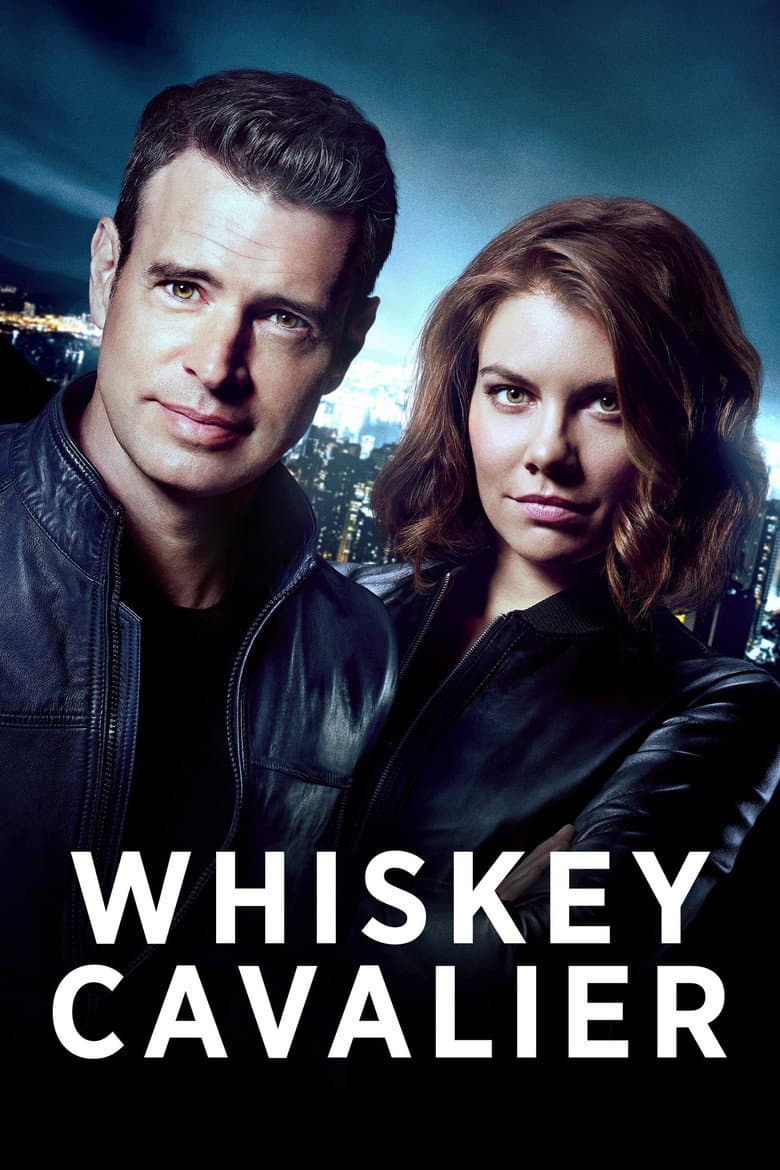
TV Show · 2019
Following an emotional breakup, tough but tender FBI super-agent Will Chase (codename: “Whiskey Cavalier”) is assigned to work with badass CIA operative Frankie Trowbridge…
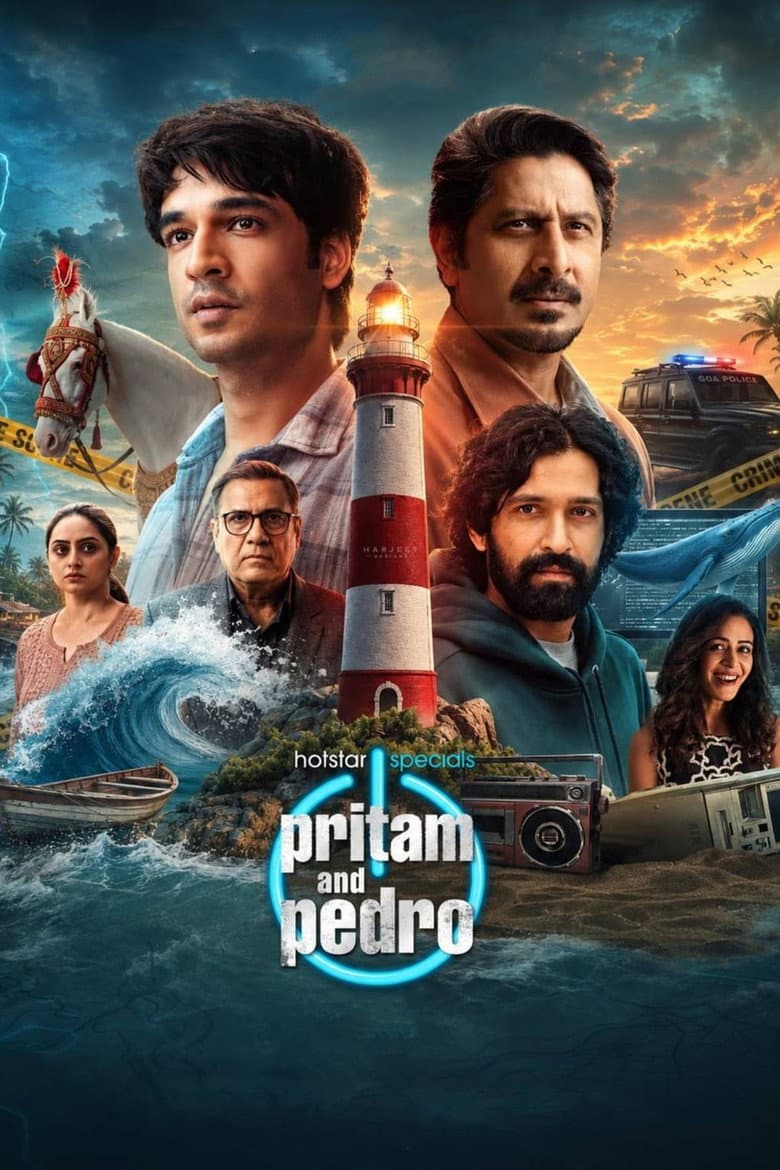
TV Show · 2026
The dynamic between the two contrasting personalities, a seasoned cop who prefers old-school methods and a tech-savvy cop who relies on modern technology for investigations, as…
TV Show · 2016
A slightly unhinged former Navy SEAL lands a job as a police officer in Los Angeles where he's partnered with a veteran detective trying to keep maintain a low stress level in his…
