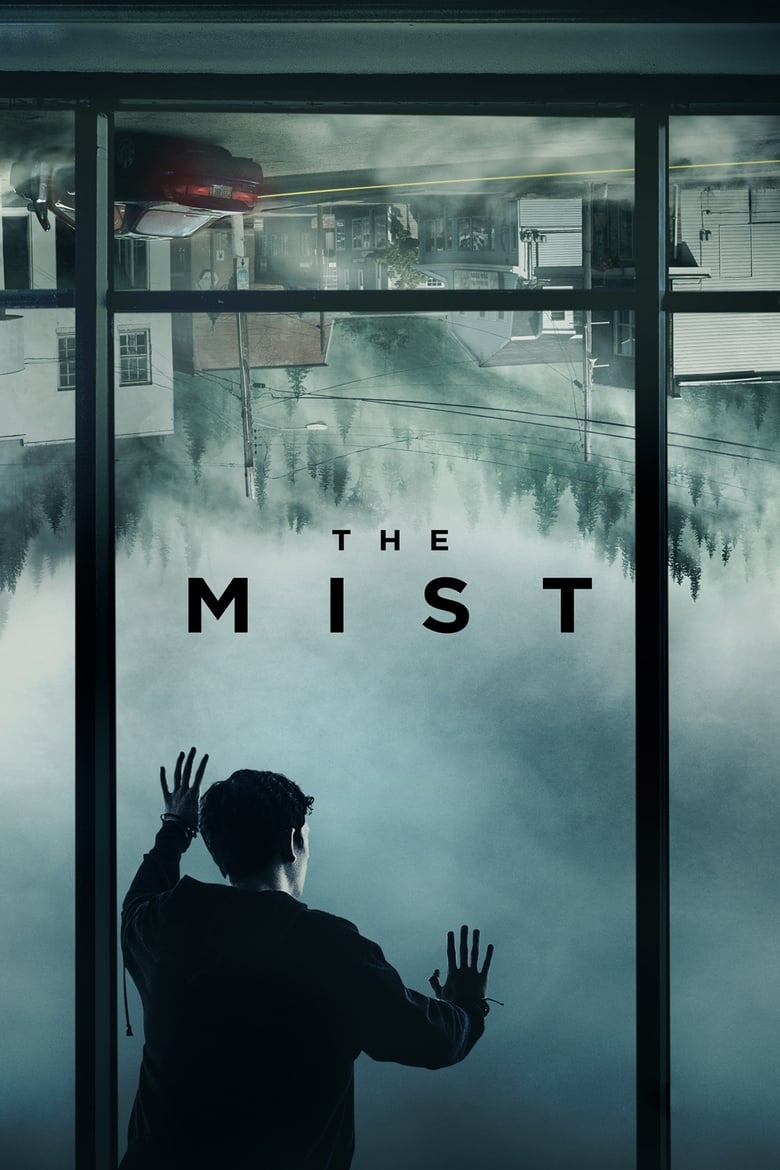
Started June 22, 2017 · Canceled · Based on 1 season, 10 episodes through August 24, 2017 · TV-MA · 40 min
In Bridgeville, Maine, the Copeland family breaks apart after teen Alex is raped and names the high school quarterback. An unexplained mist then seals the town. Survivors gather in a mall, a church, and a hospital. Fear, guilt, and clashing beliefs tear people apart. The series is a Torpe reimagining of the King story, not a beat for beat remake of the supermarket novella.
The season builds major arcs around modern identity and social conflict. A progressive teacher fights school board and parent pushback over frank sex education. Main queer teen Adrian faces bullying, father rejection, identity talk, and a closeted jock subplot. Small town football culture, slut shaming, and religious zeal are shown as engines of cruelty. A late twist makes the queer best friend the rapist, so the show is not pure progressive praise, yet identity themes still sit at the center of the story.
Community feedback
Was our 61% Woke rating accurate?
Breakdown
These are the editorial factors and ratings behind our score for The Mist.
Woke representation / casting
Leads are mostly white and fit a Maine small town. Audience still sees diversity in major recurring roles such as Bryan or Jonah, Gus, multiracial mall survivors, and queer teen Adrian. The pattern is light to noticeable identity emphasis in prominent roles, not a hard quota board. Queer casting raises the weight under the LGBTQ rule.
34%
Woke political dialogue
Early episodes plant clear progressive lines about sex education fights with the school board and parents. Adrian uses identity language including male privilege talk around football culture. Homophobic bullying dialogue returns across the season. The lines are not nonstop propaganda, but they are hard to miss when they land.
45%
Identity-driven story themes
Fear still drives the horror, yet major arcs track rape fallout, slut shaming, progressive teaching versus tradition, and Adrian queer identity with bullying and rejection. Torpe aimed to treat radicalization as misogyny, homophobia, and political hate too. LGBTQ material is central enough to raise the weight. The late rapist twist undercuts pure affirmation, but identity themes still structure the story.
58%
Western institutional / cultural critique
Small town conformity, jock culture, school board sexual conservatism, and religious zeal are shown as engines of cruelty. The church arc undermines Christian space and ends with the church burned. Military and government evil tracks classic King distrust more than modern DEI theory. Critique of traditional norms and faith is noticeable but not the whole show.
42%
Woke character or canon changes
The show does not race or gender swap established novella leads. Torpe rebuilt cast and plot as a cousin of the source. The score reflects identity driven reimagining through progressive teacher and rape case drama plus a showcased queer teen arc. Ordinary new locations alone would score zero.
20%
Anti-woke backlash and complaints
There was no sustained mainstream too woke campaign. Most reaction was mixed quality and fidelity complaints. Thin viewer pushback exists around sex ed and privilege beats in the pilot. Organized right leaning backlash evidence is weak.
15%
Creator track record context
Torpe is openly gay and scores mild on ordinary life queer arcs rather than broad activism. King scores higher for liberal politics but not identity first creative work. Other writers, directors, and producers score low to mild. The link that matters is Torpe queer framing and timely misogyny or homophobia expansion matching what aired.
22%
Production
TV Show · 2020
Young computer engineer Lily Chan investigates the secretive development division of her employer, a cutting-edge tech company based in San Francisco, which she believes is behind…
TV Show · 2020
A unique story told over two distinct halves, "Summer" follows Sam, a man drawn to a mysterious island off the British coast where he encounters a group of islanders set on…
TV Show · 2017
A demented serial killer taunts a retired police detective with a series of lurid letters and emails, forcing the ex-cop to undertake a private, and potentially felonious, crusade…
TV Show · 2016
Kyle Barnes has been plagued by possession since he was a child. Now an adult, he embarks on a spiritual journey to find answers, but what he uncovers could mean the end of life…

TV Show · 2022
The intricate and magical love story of Clare and Henry, and a marriage with a problem… time travel.

TV Show · 2023
At the brink of going to hell, Yee-jae must cycle through twelve separate lives and twelve separate deaths in this reincarnation drama.
TV Show · 2021
This terrifying thriller follows widow Lisey Landon as a series of disturbing events revives memories of her marriage to author Scott Landon and the darkness that plagued him.

TV Show · 2024
A mysterious event traps people on a rural Georgia farm, forcing them to unite against an unknown, deadly force. A young boy named Arlo becomes central to uncovering the truth.
