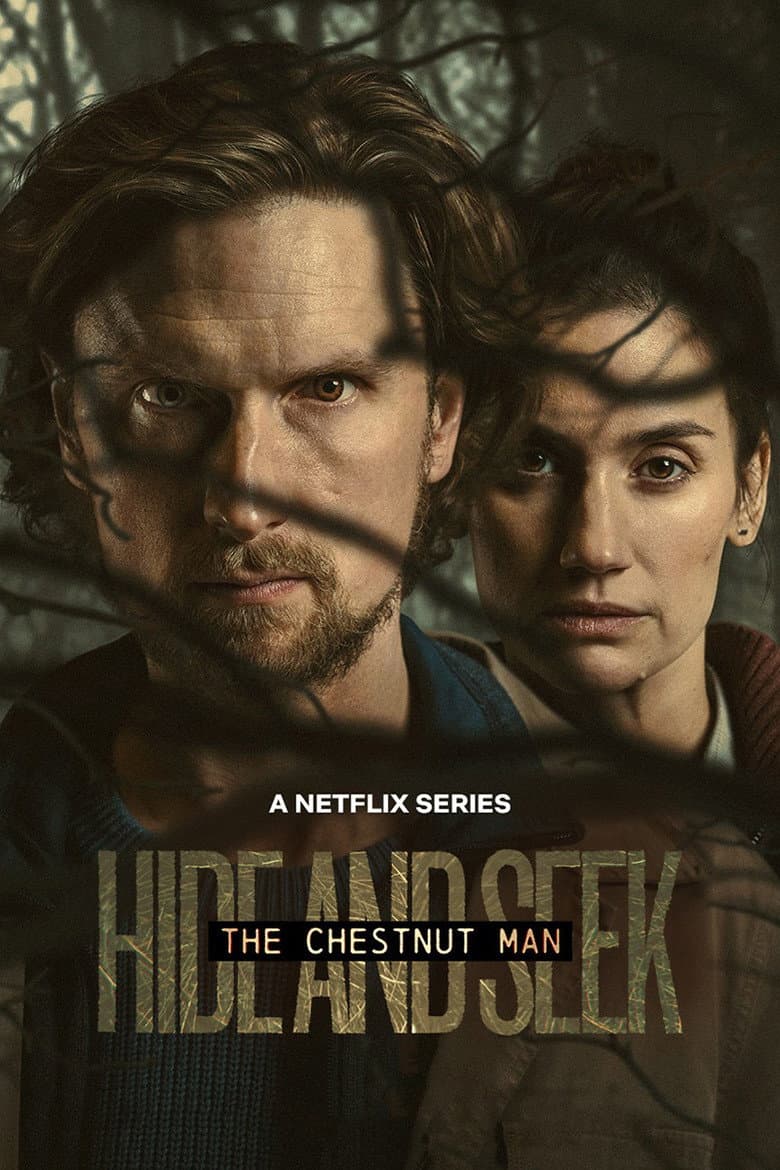
Started September 29, 2021 · Ended · Based on 2 seasons, 12 episodes through May 7, 2026 · TV-MA · Danish
The Chestnut Man is a dark Danish crime show set in Copenhagen and the nearby countryside. Detective Naia Thulin works with the troubled Europol agent Mark Hess after a woman is killed beside a small chestnut figure. The case connects to the missing daughter of government minister Rosa Hartung, old child abuse, and a killer who turns childhood games into threats. Season 2 moves the pair into a new case about stalking, murder, family breakups, and a cold case tied to a teenage girl. The show uses gray weather, violent crime scenes, family pain, and slow police work to create a grim and tense mood.
Women hold many visible roles across both seasons. Naia is a skilled lead detective, Rosa is a senior minister, and season 2 adds a female police partner, a female unit chief, and a grieving mother who becomes central to the case. The stories repeatedly focus on mothers, single parents, divorce, stalking, child abuse, and the damage caused when adults and public offices fail children. The show also changes some original novel roles, including a female prime minister and different ethnic backgrounds for supporting characters. These choices are noticeable, but the plot remains a murder mystery and does not stop for speeches about identity or politics.
Community feedback
Was our 50% Woke rating accurate?
Breakdown
These are the editorial factors and ratings behind our score for The Chestnut Man.
Woke representation / casting
The series gives its lead detective Naia Thulin and much of the political world to women. It also changes some book roles for the screen, including a male prime minister becoming a young woman and a minister’s Asian secretary becoming a black woman. Creator Søren Sveistrup said Netflix wanted more than one ethnicity on screen and a more global message. Most main characters still fit the Danish setting, so the pattern is visible but not dominant.
42%
Woke political dialogue
Not present. The dialogue handles police work, child welfare, family conflict, and murder investigations. It does not push modern identity, DEI, or activist ideas.
0%
Identity-driven story themes
Season 1 makes mothers, child welfare, and a female detective central to the murder case. Season 2 follows a single mother, women targeted by stalking, and a grieving mother who helps stop the killer. The show also presents Naia as a skilled investigator while Mark is emotionally unreliable and often needs her help. These themes recur across both seasons, but the story treats them as crime and family drama rather than a campaign about gender politics.
31%
Western institutional / cultural critique
Season 1 links the murders to foster-care failures and political pressure around a child-welfare minister. Season 2 shows family-law fights, custody disputes, and police delays making family pain worse. The show criticizes failures by specific people and offices. It does not attack capitalism, Christianity, or Western culture as a whole.
28%
Woke character or canon changes
Season 1 changes the novel’s male prime minister into a woman. It changes the secretary’s ethnic background and replaces the book’s driver with the character Jakob Rasouli. Season 2 also turns some book law-enforcement roles into women. These changes are audience-visible, but the show does not build a new identity message around them.
45%
Anti-woke backlash and complaints
One small Danish Reddit discussion called the show woke and said Netflix made it feel American. The wider reaction focused on the murders, mood, police logic, and Naia’s death. No major news report found a sustained anti-woke campaign.
8%
Creator track record context
Most key creators and directors have little documented activist or DEI history. Milad Alami has a record of migration and identity-focused work. Producer Meta Louise Foldager Sørensen has a public record of feminism and gender-equality advocacy. Those backgrounds add context, but the series remains mainly a crime thriller.
30%
Production

TV Show · 2026
Ben Reilly, an aging and down on his luck private investigator in 1930s New York, is forced to grapple with his past life as the city's one and only superhero.
TV Show · 2018
After his daughter goes missing, a widower begins uncovering the dark secrets of the people closest to him.
TV Show · 2022
Determined to protect a young patient who escaped a mysterious cult, a psychiatrist takes the girl in, putting her own family — and life — in danger.
TV Show · 2026
Wrongfully imprisoned for murdering his own son, a father sets out on a desperate rescue mission after learning the boy may still be alive.

TV Show · 2026
The dynamic between the two contrasting personalities, a seasoned cop who prefers old-school methods and a tech-savvy cop who relies on modern technology for investigations, as…
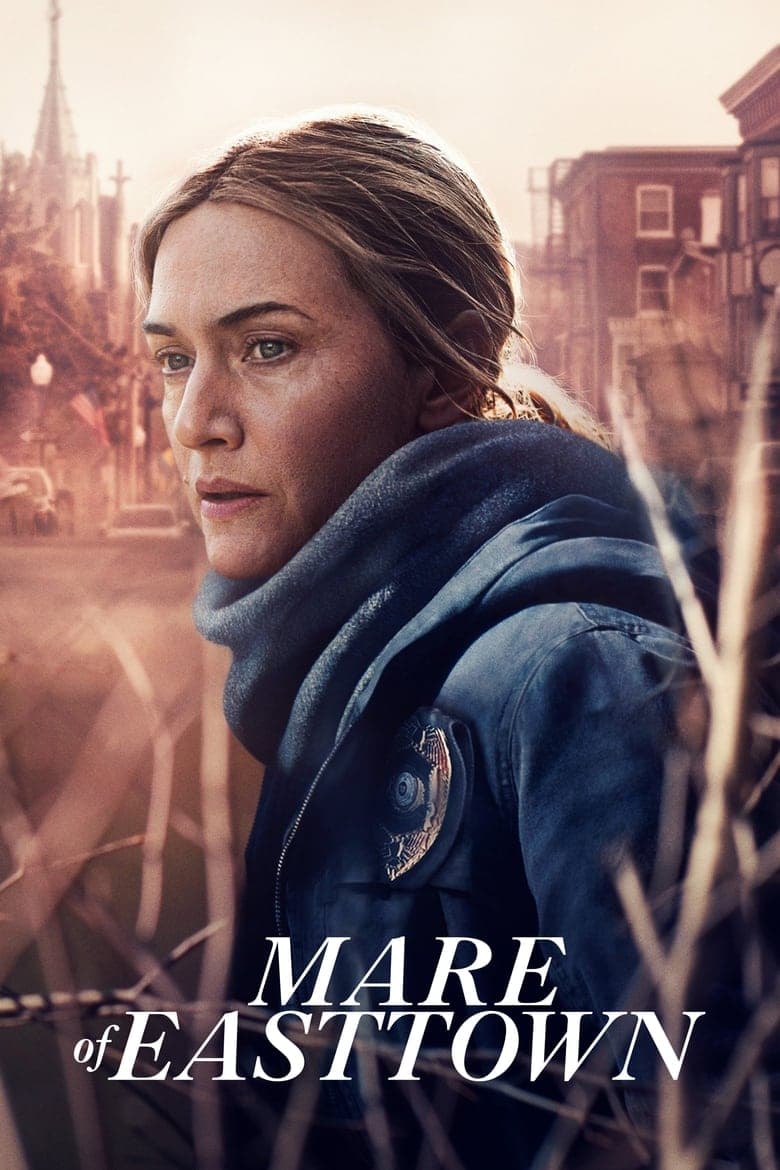
TV Show · 2021
A detective in a small Pennsylvania town investigates a local murder while trying to keep her life from falling apart.
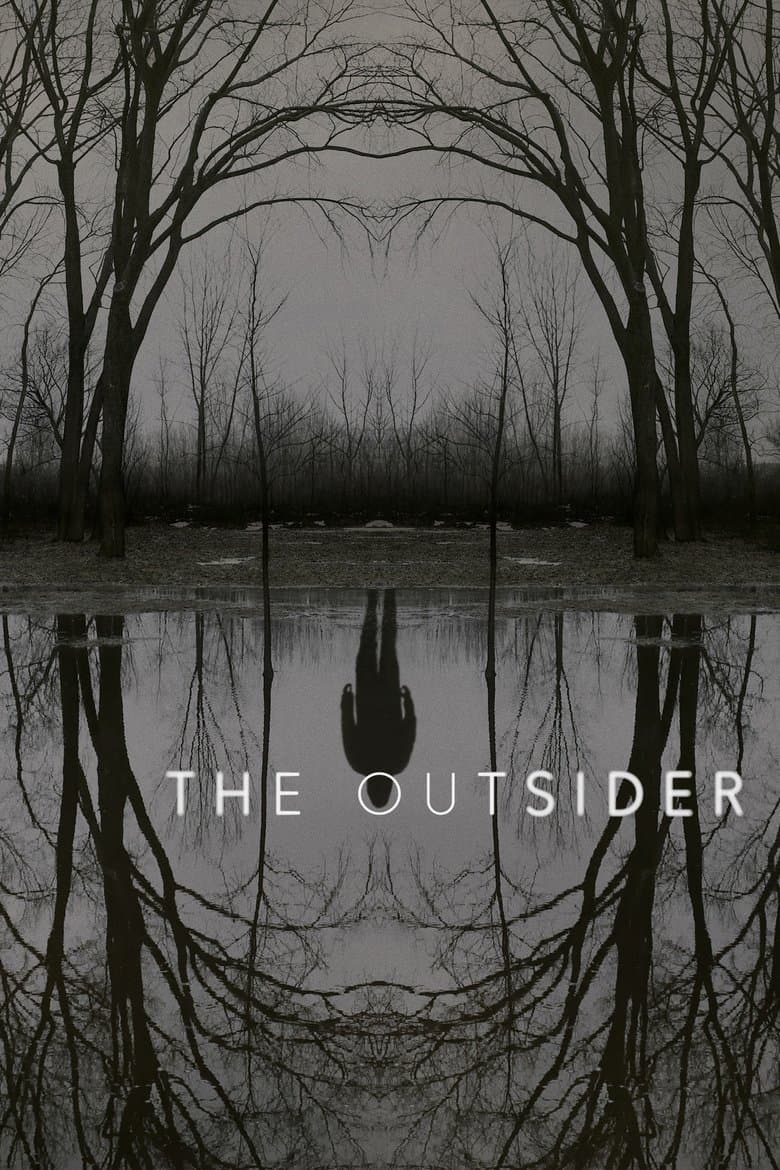
TV Show · 2020
When an insidious supernatural force edges its way into a seemingly straightforward investigation into the gruesome murder of a young boy, it leads a seasoned cop and an…
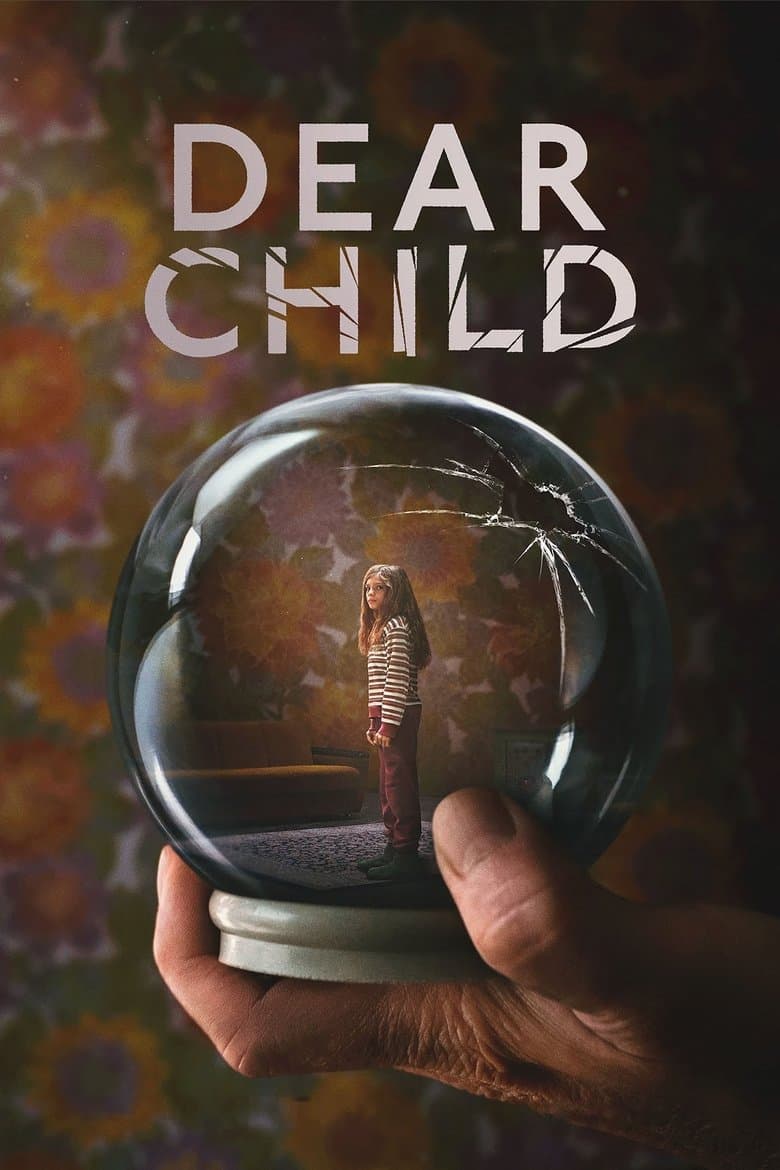
TV Show · 2023
A mysterious woman's escape from her harrowing captivity points investigators toward the dark truth behind an unsolved disappearance 13 years earlier.
