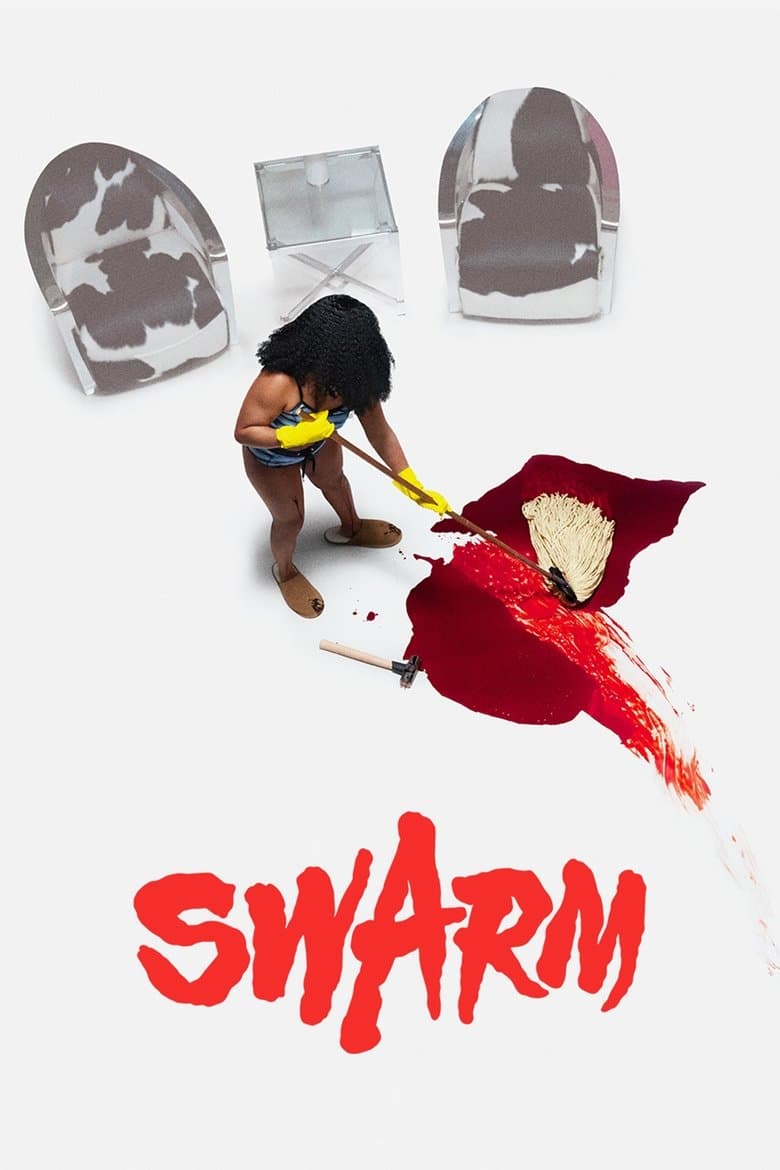
Started March 16, 2023 · Ended · Based on 1 season, 7 episodes through March 16, 2023 · TV-MA
Swarm follows Dre, a young woman in Houston who is devoted to Ni’Jah, a famous singer with a huge fan group. After Dre’s sister Marissa dies, Dre travels through the South and kills people who insult Ni’Jah or stop her from reaching the singer. Each episode shows a new place, victim, and part of Dre’s past. The show mixes crime, dark comedy, horror, and an unclear line between fact and fantasy.
Swarm puts black women at the center of its story through Dre, Marissa, the detective Loretta Greene, and other major roles. The sixth episode directly says black women can be overlooked in crime stories, and the plot asks viewers to see a black woman as both a killer and a person shaped by loss. The final episode adds a romantic and sexual relationship between Dre, using the name Toni, and Rashida. These identity-driven themes matter, but most of the season still focuses on celebrity worship, online fan behavior, loneliness, and murder.
Community feedback
Was our 47% Woke rating accurate?
Breakdown
These are the editorial factors and ratings behind our score for Swarm.
Woke representation / casting
Swarm puts a black woman in the lead and gives major roles to black women such as Marissa and Detective Loretta Greene. Modern Houston, Memphis, and Atlanta make the casting plausible, so the show does not rely on a clear setting mismatch. The creators also present the series as a black woman’s point of view and as a story about a black female serial killer. That makes representation part of the visible design.
30%
Woke political dialogue
The sixth episode says black women can fall through the cracks in crime cases. The episode also compares the attention given to Dre with the attention given to famous white male killers. These are clear identity-focused points, but they are mainly contained in one episode. The other episodes focus on fandom, sex, travel, and murder.
25%
Identity-driven story themes
Swarm makes Dre a black woman who becomes a serial killer instead of a safe or heroic figure. The sixth episode asks why black women who commit crimes are rarely studied in the same way as famous white male killers. The story also contrasts Dre with Marissa and Ni’Jah, who represent more admired images of Black womanhood. These ideas shape the season’s lead and its true-crime framing, even though celebrity obsession remains the main plot.
50%
Western institutional / cultural critique
The detective episode shows Loretta struggling to make higher-ups take her findings seriously because the case involves a black woman. The story presents true-crime culture as more interested in famous white male killers than in black female criminals. Episode 4 also shows a white women’s empowerment cult using care and power language to control people. These critiques are clear but do not guide the whole season.
28%
Woke character or canon changes
Not relevant. Swarm is an original fictional miniseries. Ni’Jah echoes Beyoncé and real stories, but the show does not rewrite an established character or real historical figure.
0%
Anti-woke backlash and complaints
Not present. The separate X pass found no anti-woke reaction. Web debate focused on quality, Beyoncé references, and the portrayal of black women rather than claims that the show pushed DEI or left-wing politics.
0%
Creator track record context
Donald Glover and Janine Nabers have mild or low activist records in the stored context. Director Adamma Ebo and writers and producers such as Kara Brown, Dominique Fishback, Fam Udeorji, and Steven Prinz have stronger links to identity-focused or social-justice work. Nabers also publicly framed the show around a black woman’s point of view and an all-black writers’ room. This creates a moderate creator-context signal.
40%
Production
TV Show · 2018
A hit man from the Midwest moves to Los Angeles and gets caught up in the city's theatre arts scene.
TV Show · 2019
To win back his ex-girlfriend, a nerdy teen starts selling ecstasy online out of his bedroom -- and becomes one of Europe's biggest dealers.
TV Show · 2024
When aristocratic Eddie inherits the family estate, he discovers that it's home to an enormous weed empire — and its proprietors aren't going anywhere.
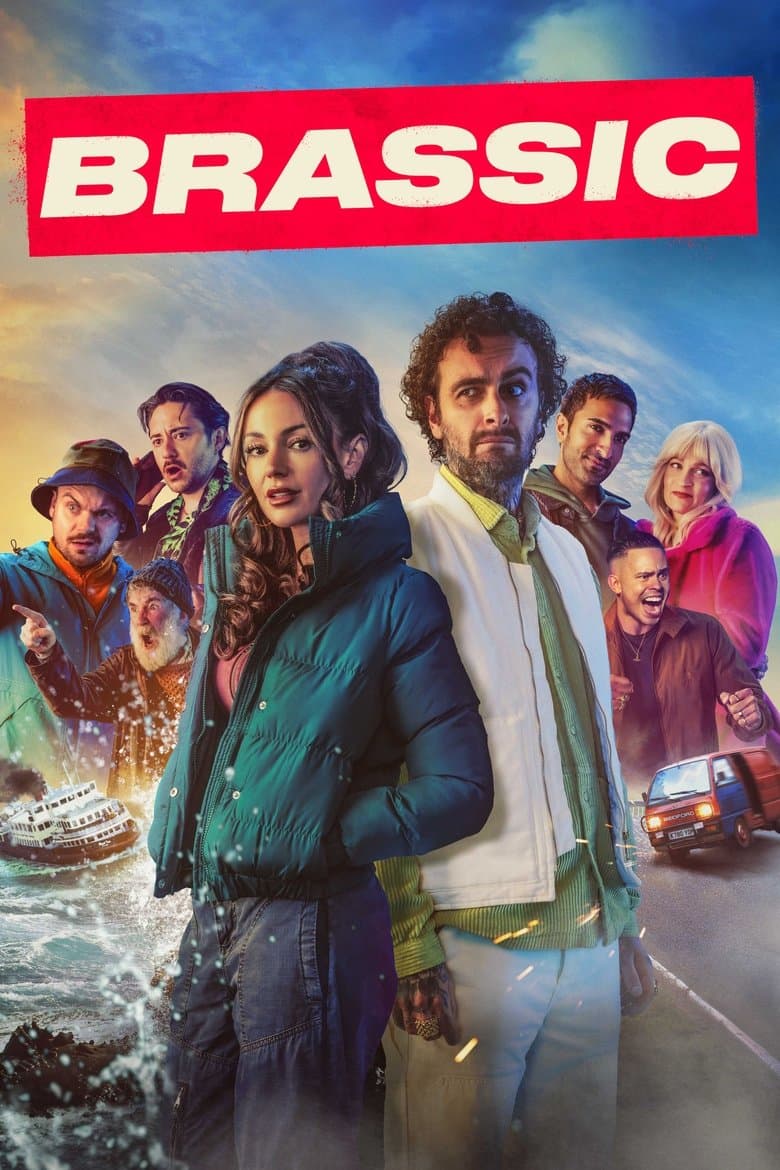
TV Show · 2019
A group of working-class friends finding unconventional ways to win at life in suburban northern England. These lads have dealt, scammed, bribed and conned their way through…
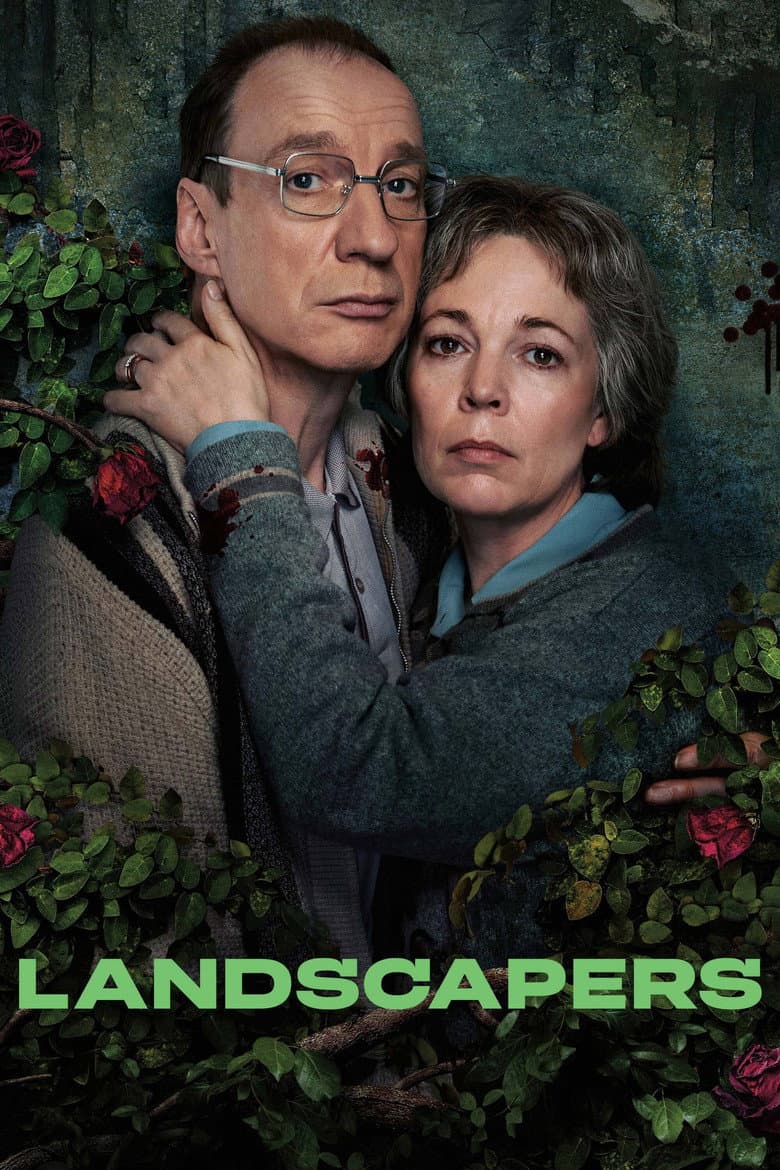
TV Show · 2021
A seemingly ordinary British couple become the focus of an extraordinary investigation when two dead bodies are discovered in the back garden of a house in Nottingham.
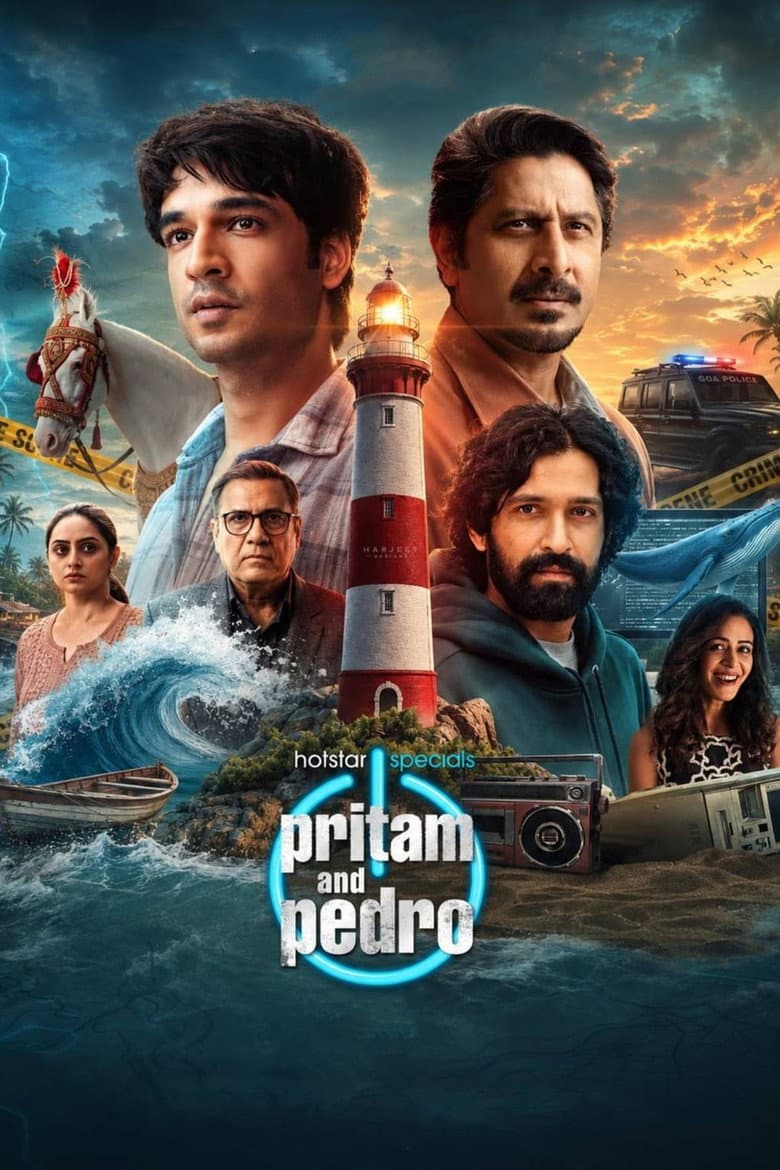
TV Show · 2026
The dynamic between the two contrasting personalities, a seasoned cop who prefers old-school methods and a tech-savvy cop who relies on modern technology for investigations, as…
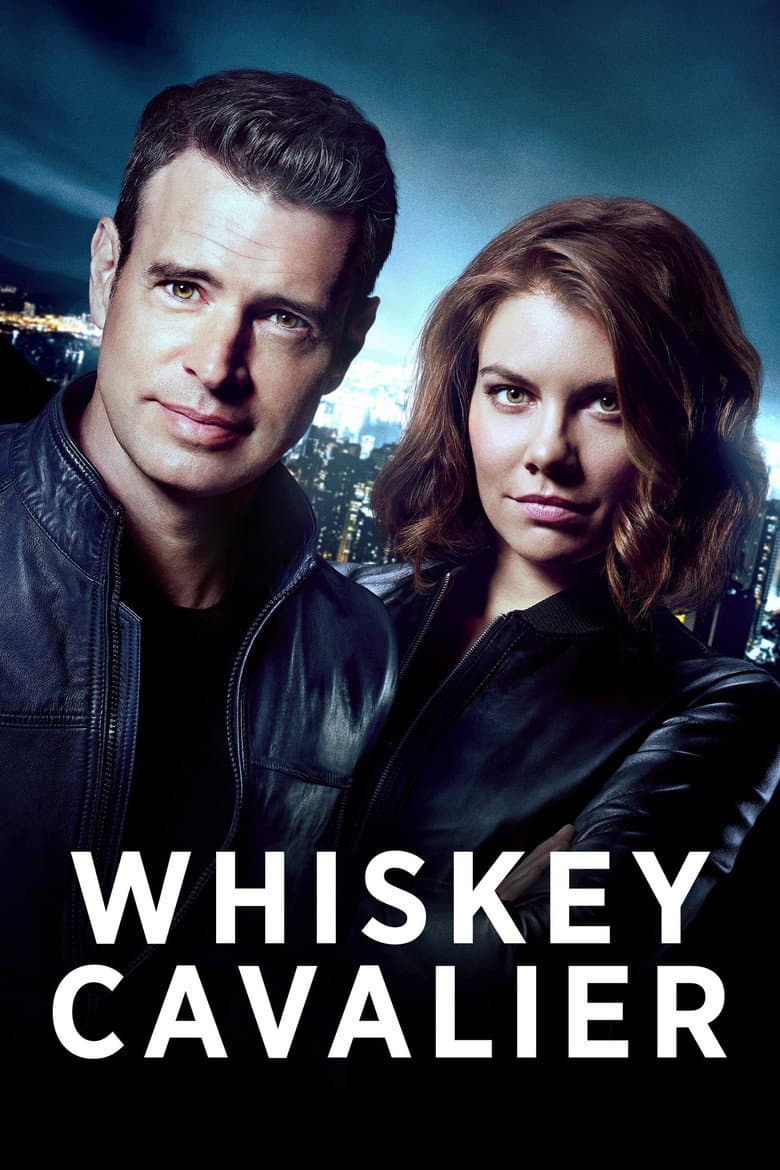
TV Show · 2019
Following an emotional breakup, tough but tender FBI super-agent Will Chase (codename: “Whiskey Cavalier”) is assigned to work with badass CIA operative Frankie Trowbridge…
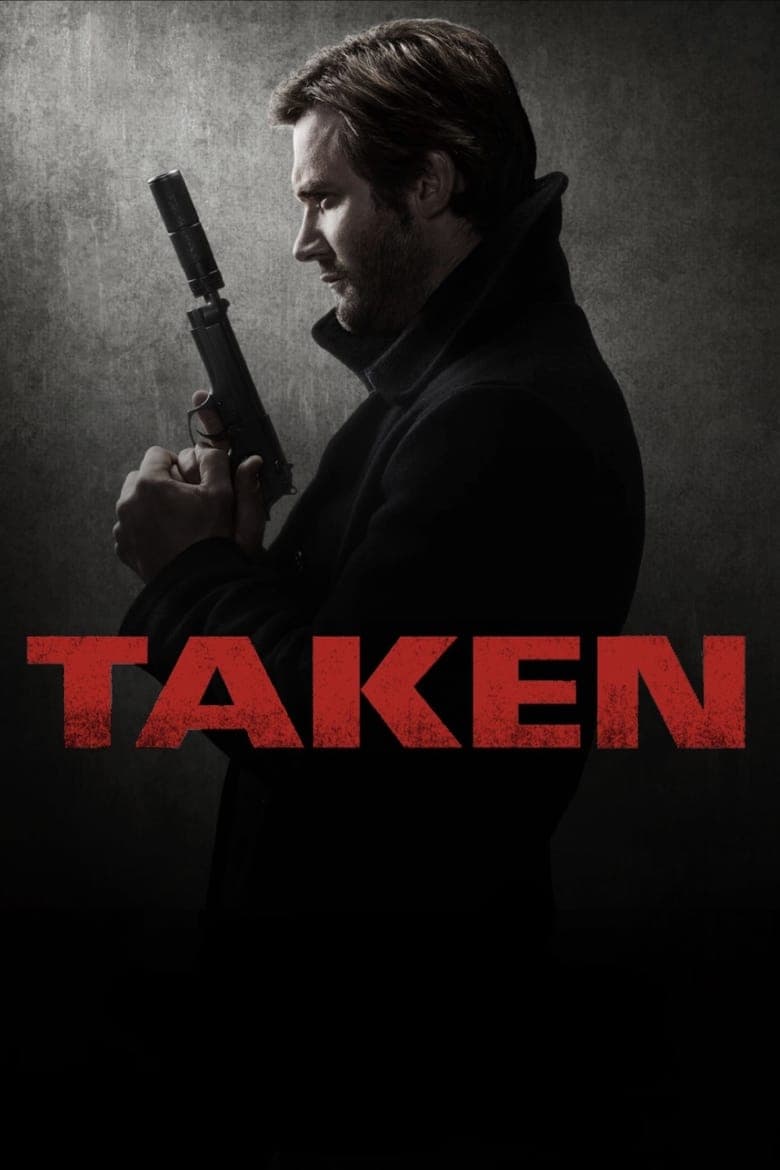
TV Show · 2017
The origin story of younger, hungrier, former Green Beret Bryan Mills as he deals with a personal tragedy that shakes his world.
