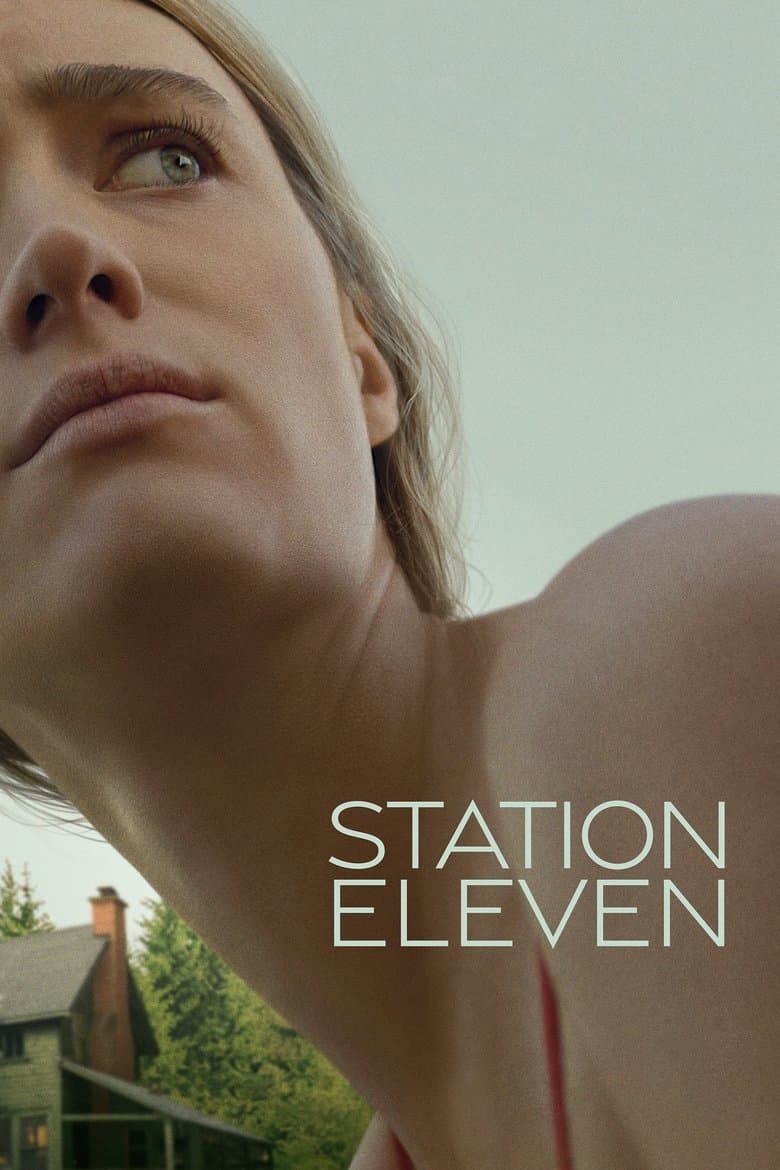
Started December 16, 2021 · Ended · Based on 1 season, 10 episodes through January 13, 2022 · TV-MA · 46 min
A deadly flu wipes out most of the world. Twenty years later, Kirsten travels through the Great Lakes with a group of actors and musicians called the Traveling Symphony. The group performs Shakespeare for settlements while facing danger from a violent cult led by the Prophet. The show moves through different times and presents a sad but hopeful story about survival, grief, art, friendship, and rebuilding communities.
The show gives important roles to women, people of color, a nonbinary performer, and a disabled character. It treats same-sex romance as normal, but identity politics do not control the main story. The show presents female friendship, female leadership, and personal freedom in a positive way. It also shows a male cult leader abusing children through religion, fear, and false promises. These ideas are easy to see, but the main story remains focused on grief, art, survival, healing, and community.
Community feedback
Was our 46% Woke rating accurate?
Breakdown
These are the editorial factors and ratings behind our score for Station Eleven.
Woke representation / casting
The show gives major roles to women and people of color in a mixed group of survivors. Chrysanthemum is a recurring nonbinary member of the Traveling Symphony. August is a disabled character who remains part of the group. These choices create a clear pattern of representation, although the future setting makes it hard to judge the cast mix as historically wrong.
43%
Woke political dialogue
Not present. The show does not include clear woke political dialogue.
0%
Identity-driven story themes
The show treats same-sex romance as normal in the rebuilt society. The nonbinary character Chrysanthemum appears across several episodes without being treated as a problem. The story gives steady support to female friendship, female leadership, and personal freedom. These themes are visible, but the show focuses more on grief, art, and survival.
34%
Western institutional / cultural critique
The show presents the Prophet as a man who uses religion, fear, and control to rule children. The story also shows older leaders struggling to accept a changing world. The Traveling Symphony builds a community around art instead of force or strict authority. The criticism targets abuse and cult control more than normal Western institutions.
27%
Woke character or canon changes
Not relevant. The score does not apply to this show.
0%
Anti-woke backlash and complaints
Some online users called the show “woke” or “hippie.” Other complaints focused on its diverse group, nonbinary character, and hopeful community message. Scattered user reviews made the strongest claims rather than large news reports. The wider audience response was mostly positive.
17%
Creator track record context
Cord Jefferson and Shannon Houston have past work focused on race, black identity, and social history. Monica Macer has a strong record of supporting stories about race, class, gender, and diverse writers. Patrick Somerville and most of the other cached creators have low or moderate scores and limited activist records.
42%
Production

TV Show · 2026
The mayor of a New England town resolves to turn it into the next tourist hot spot, despite local warnings that it's cursed.
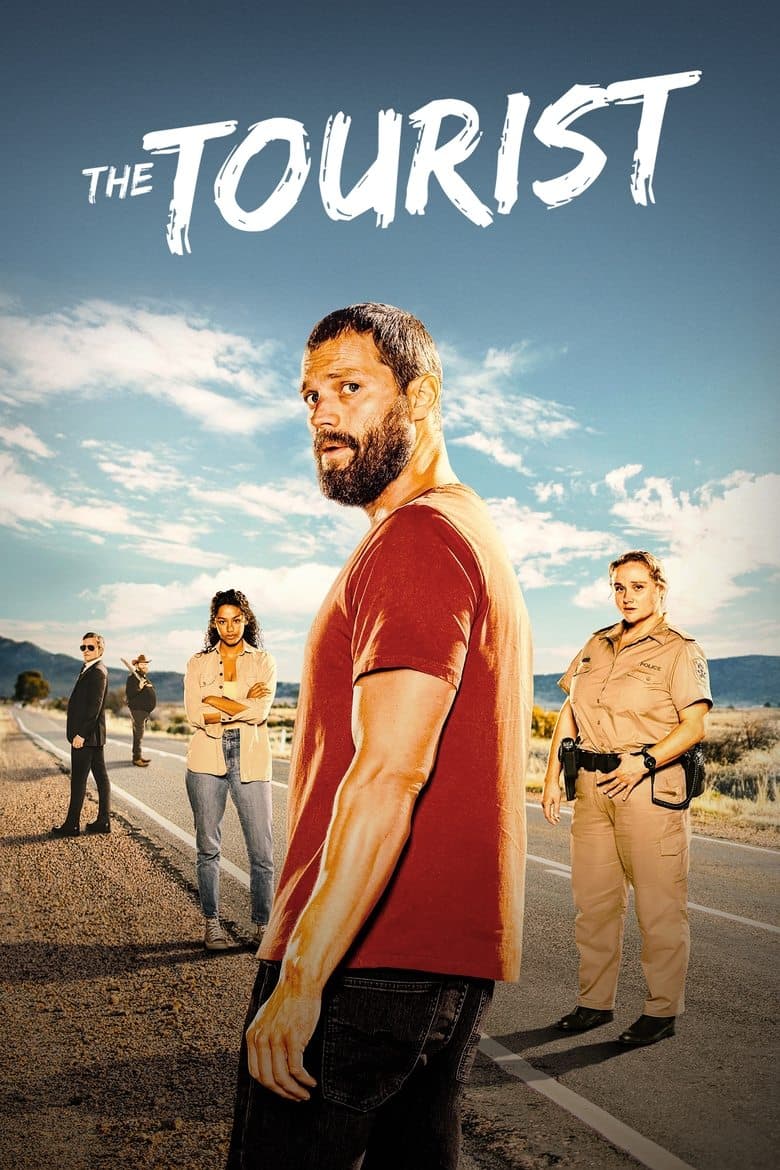
TV Show · 2022
When a man wakes up in the Australian outback with no memory, he must use the few clues he has to discover his identity before his past catches up with him.
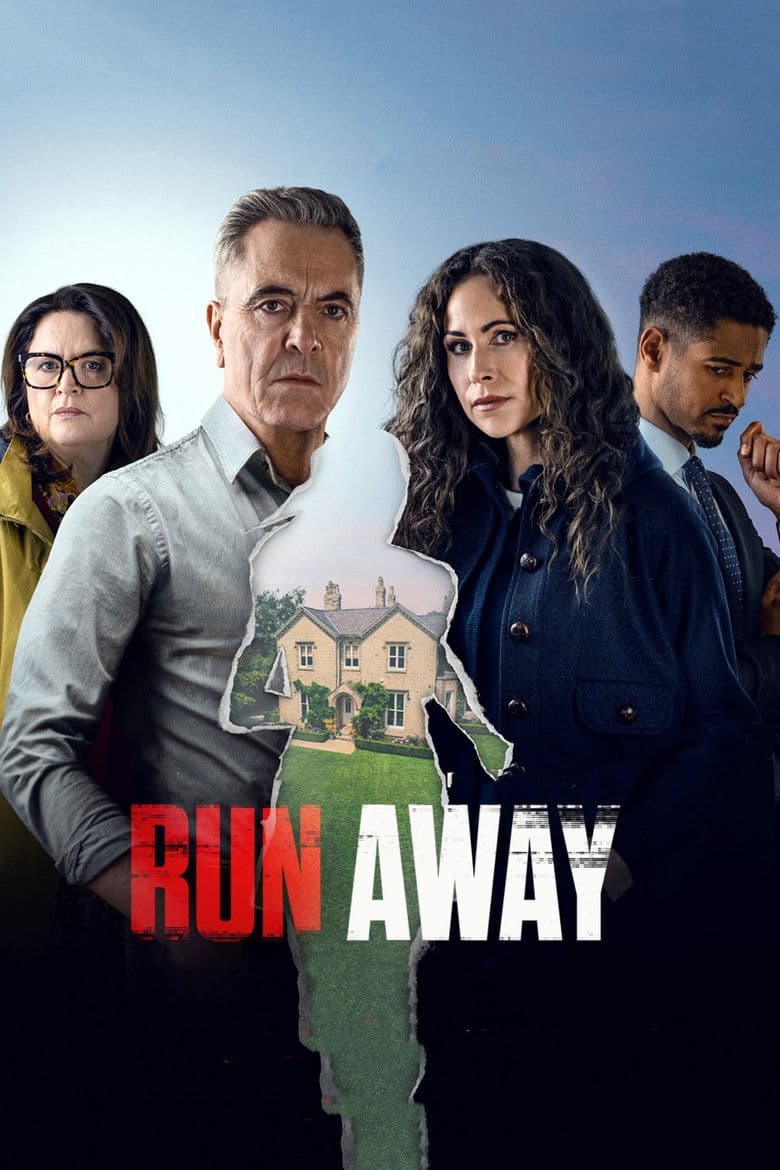
TV Show · 2026
A desperate father searching for his runaway daughter gets caught up in a murder case — and stumbles upon secrets which could destroy his family for good.

TV Show · 2024
The life of an American woman living in Kyoto, Japan, is upended when her husband and son disappear in a mysterious plane crash.
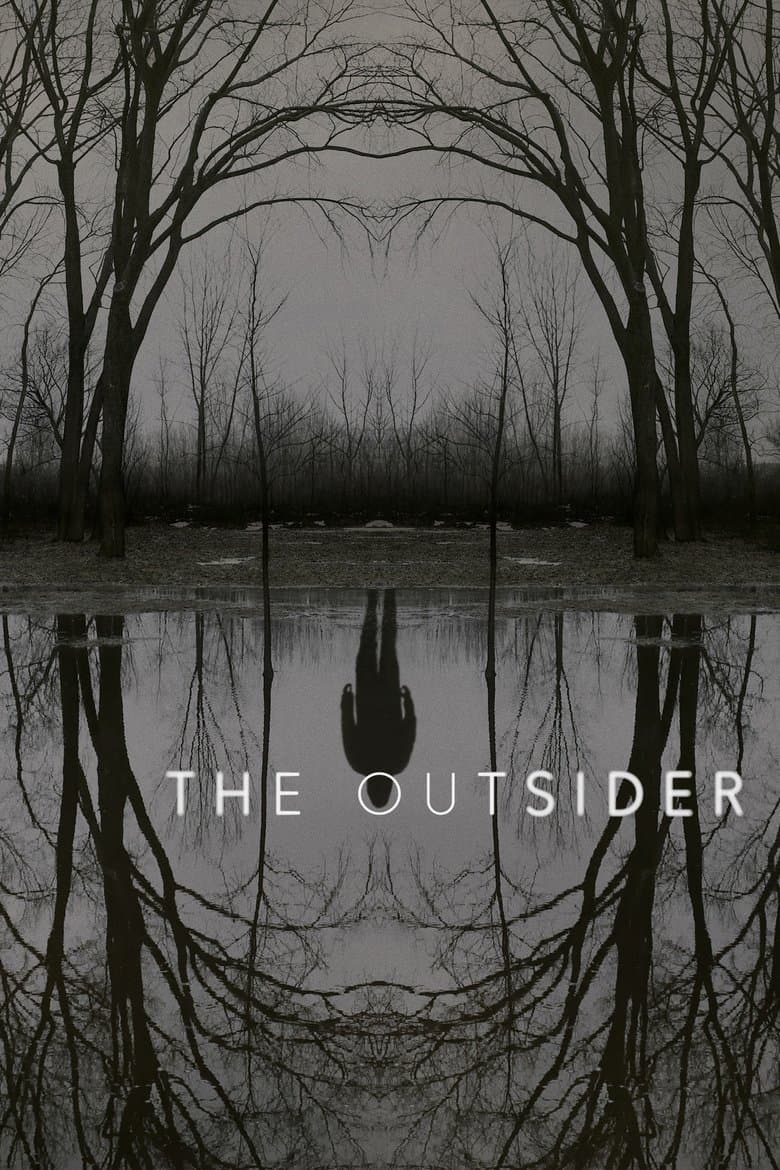
TV Show · 2020
When an insidious supernatural force edges its way into a seemingly straightforward investigation into the gruesome murder of a young boy, it leads a seasoned cop and an…
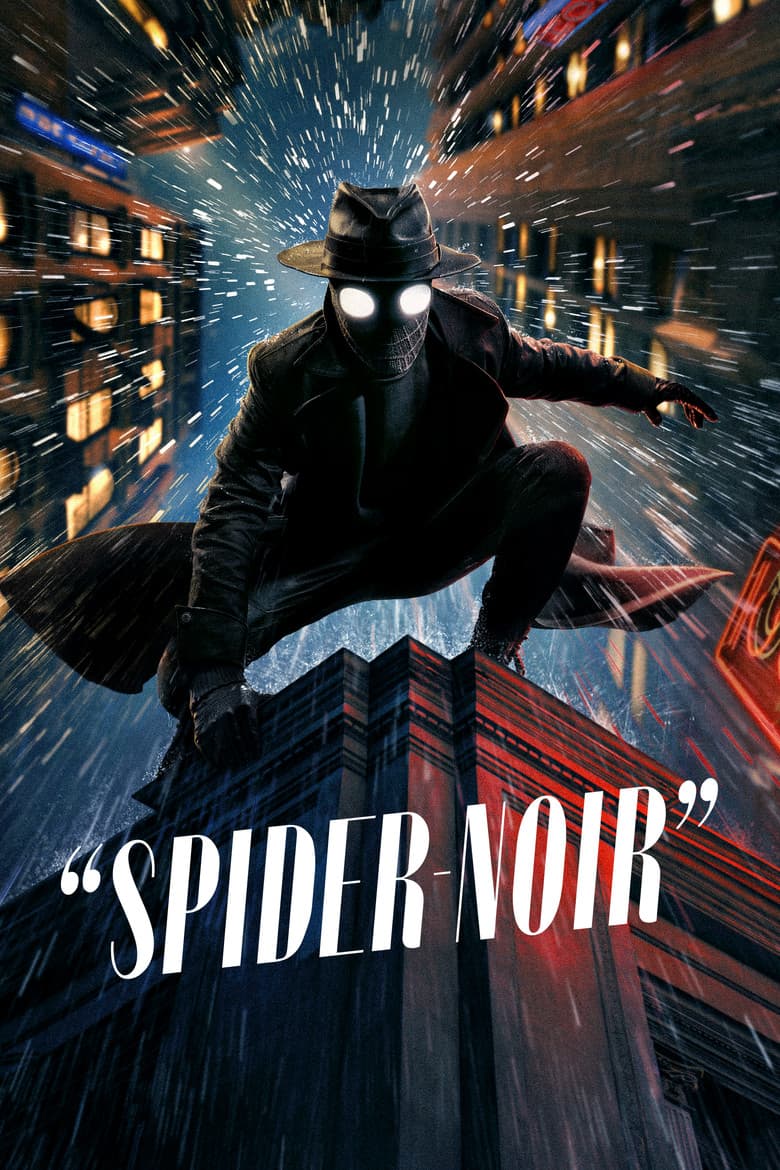
TV Show · 2026
Ben Reilly, an aging and down on his luck private investigator in 1930s New York, is forced to grapple with his past life as the city's one and only superhero.
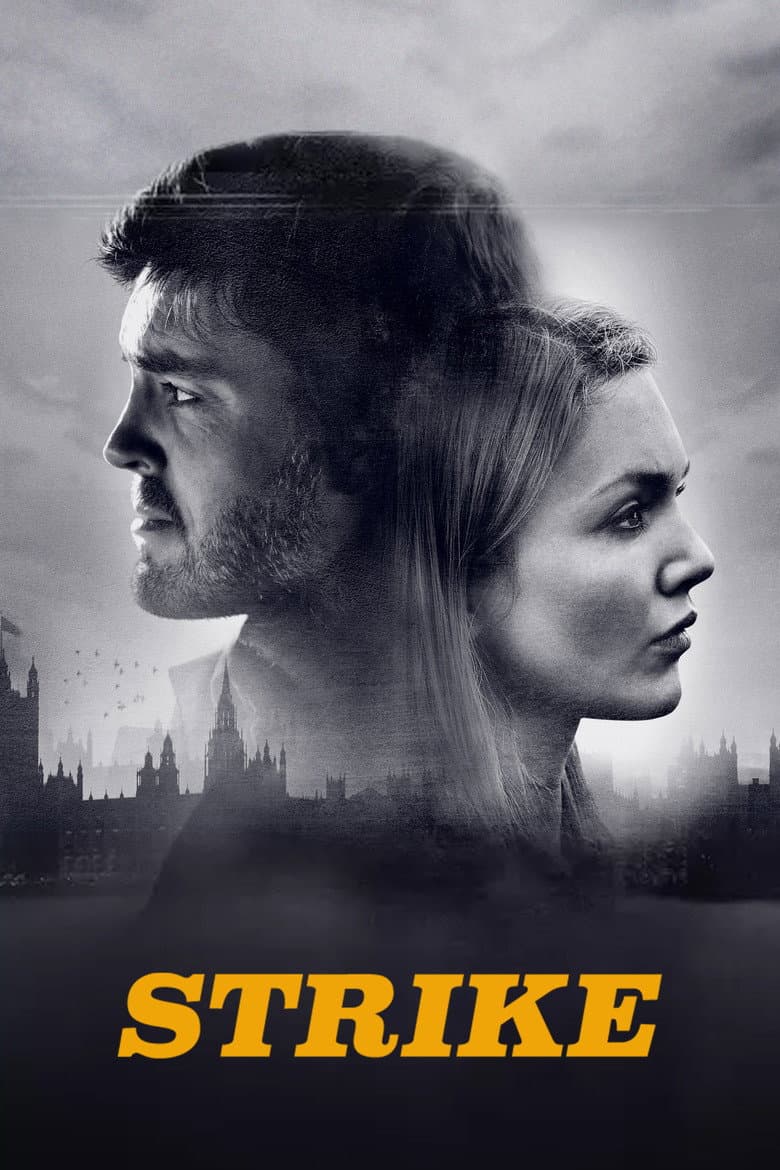
TV Show · 2017
A war veteran turned private detective operates out of a tiny office in London’s Denmark Street. Although wounded both physically and psychologically, his unique insight and…
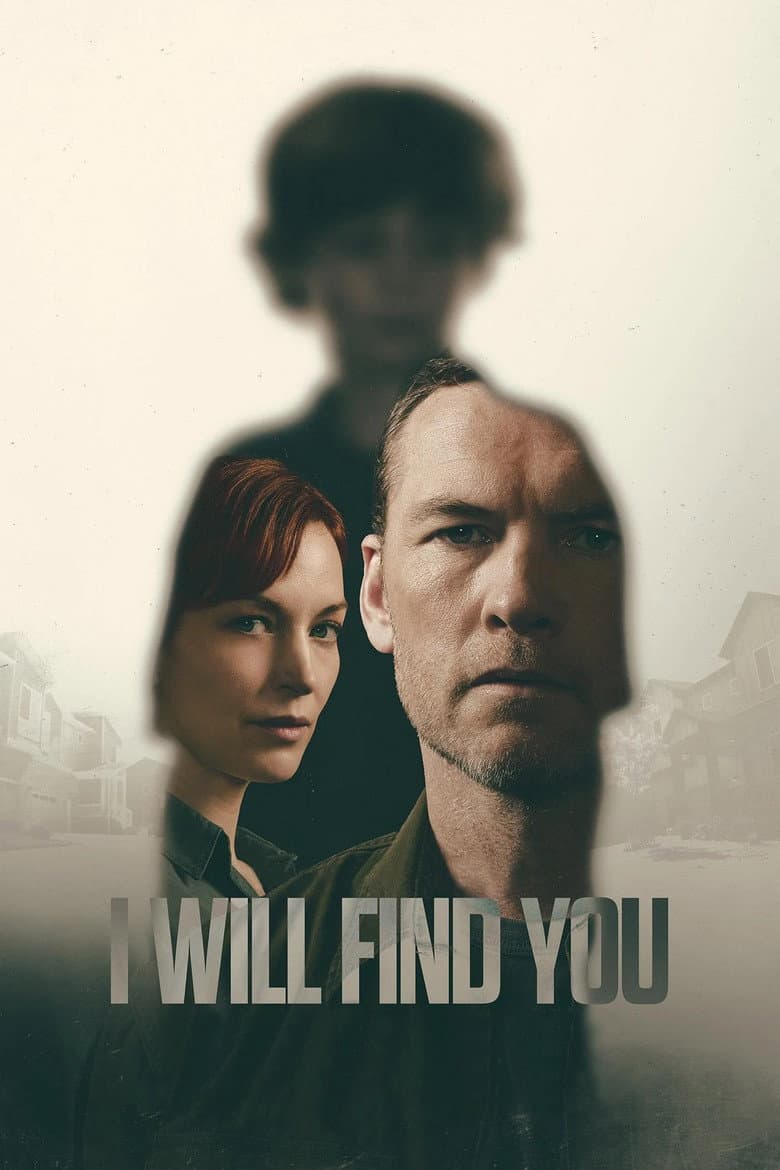
TV Show · 2026
Wrongfully imprisoned for murdering his own son, a father sets out on a desperate rescue mission after learning the boy may still be alive.
