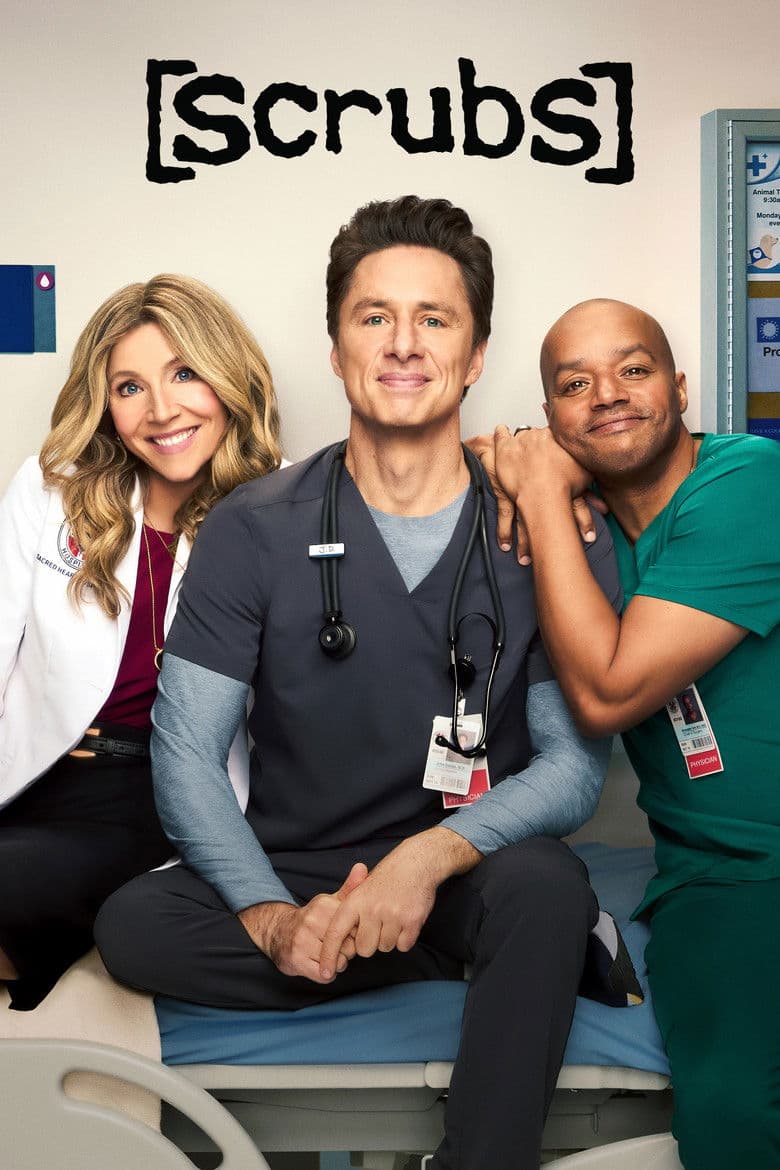
Started February 25, 2026 · Returning Series · Based on 1 season, 9 episodes through April 15, 2026 · TV-14
Scrubs follows Dr. J.D. Dorian as he returns to Sacred Heart Hospital after working for years as a private concierge doctor. J.D. becomes chief of medicine and teaches five new interns. Turk leads surgery, and Elliot runs medical simulation. The doctors handle sick patients, difficult choices, aging bodies, divorce, family pressure, and the struggle to keep caring. The show mixes fast jokes, strange daydreams, close friendship, and sudden sadness.
The revival shows modern workplace rules and identity issues in clear ways. A female HR leader supports work-life balance, mental health care, and sensitivity training. Dr. Cox complains that he cannot insult or abuse interns as he once did. Dashana discusses being one of very few Black surgeons, while women hold several important medical roles. A bisexual doctor appears as a sharp rival, and one episode includes jokes about the Bible. These ideas return around the hospital, but the season mainly focuses on medical stories, friendship, aging, and the high cost of care.
Community feedback
Was our 60% Woke rating accurate?
Breakdown
These are the editorial factors and ratings behind our score for Scrubs.
Woke representation / casting
Scrubs gives two women the two new surgical intern roles. Dashana is a black woman who says Turk is the only other Black surgeon. Dashana connects her choice of hospital to seeing Turk there. The hospital also gives women senior roles in nursing, medicine, and HR, while Kevin Park is an openly bisexual doctor. The setting can support a mixed staff, but the repeated identity focus makes the casting pattern visible.
48%
Woke political dialogue
Dr. Cox repeatedly complains about sensitivity training, work-life balance rules, and limits on harsh treatment. Sibby answers him with mental health language and criticizes his behavior. Dashana says Turk is the only other Black surgeon and jokes about white coworkers calling him articulate. J.D. names a male loneliness epidemic. The interns discuss high drug prices and insurance rules.
44%
Identity-driven story themes
The season centers on friendship and medicine. The season also builds several stories around modern identity and social behavior. A bisexual doctor becomes a recurring rival. The new interns include two women in surgery and a black woman who speaks about race at work. Other episodes focus on mental health protection, male loneliness, menopause, emotional openness, and learning from younger workers. These ideas shape several plots, but they remain parts of a medical comedy rather than its main purpose.
42%
Western institutional / cultural critique
Several episodes criticize the American health care system for high drug prices, insurance delays, and pressure to see more patients. A British intern says prescriptions cost about ten dollars in the NHS. An American patient cannot afford his medicine. J.D. breaks hospital rules and uses drug samples to help him. The show treats profit goals and hospital quotas as barriers to care, but it keeps this criticism inside medical stories.
47%
Woke character or canon changes
Not relevant. Not relevant. The revival changes relationships and ignores the old ninth season, but it does not change an established character's race, gender, or sexuality.
0%
Anti-woke backlash and complaints
Small X accounts called the new casting DEI. Those accounts said the show made every character of color gay or bisexual. Another viewer said the revival mocked Christianity and called it woke nonsense. A niche anti-woke review and Reddit posts also objected to the HR rules, Bible jokes, homeschool jokes, and queer representation. The backlash spread across several small platforms, but no boycott or review-bombing campaign appeared.
35%
Creator track record context
Bill Lawrence mainly makes warm, character-based comedy and has little activist framing in his public work. Aseem Batra has spoken about inclusive writers' rooms and now leads the revival. Judy Reyes and Sophie Zucker have stronger representation-focused public profiles. Most listed directors and writers have little political or activist history. The team adds some woke creator context, but it is not built around activism.
32%
Production
TV Show · 2018
Offbeat comic James Acaster covers the strange, the mundane and everything in between in this collection of four wide-ranging stand-up specials.
TV Show · 2025
Eight years after an unforgivable mistake nukes his promising college football career, hotshot quarterback Russ Holliday tries to resurrect his dreams by disguising himself as…
TV Show · 2020
All Nikki and Jason want is a baby—the one thing they can't have. So they decide to adopt. With their dysfunctional friends, screwball families, and chaotic lives, will the…

TV Show · 2016
Jeremy Clarkson, Richard Hammond and James May are back with a show about adventure, excitement and friendship...
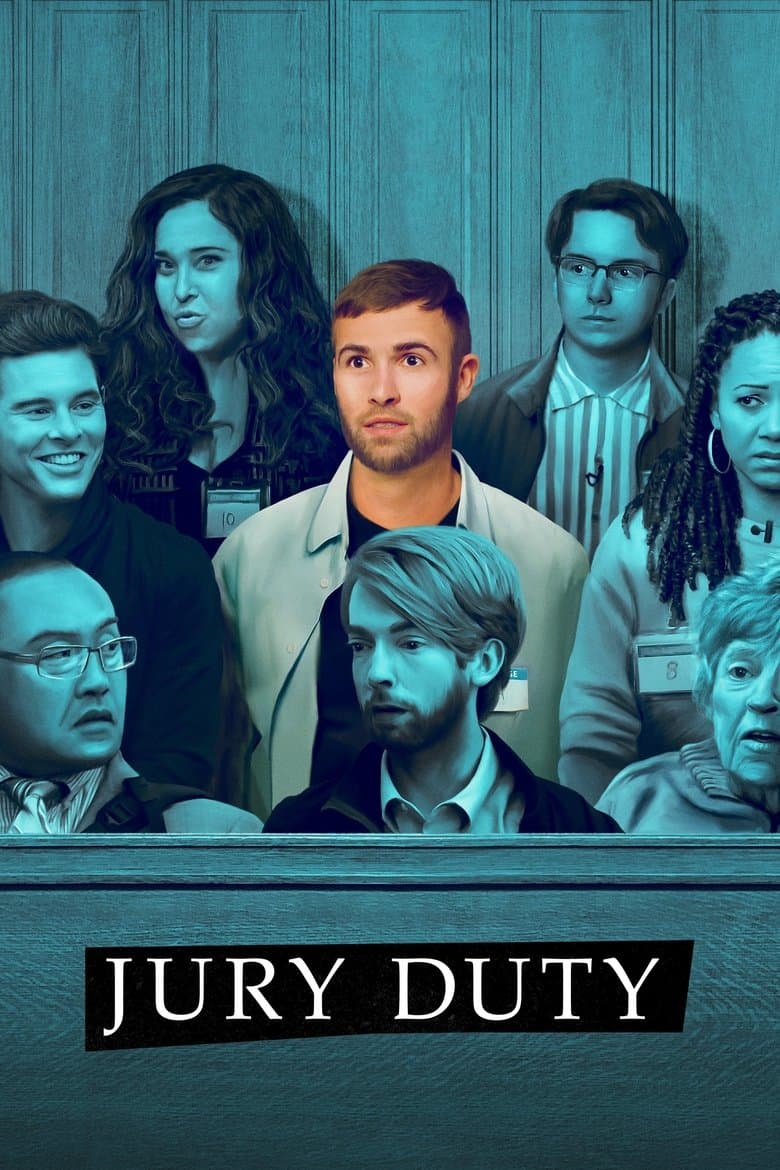
TV Show · 2023
The inner workings of an American jury trial through the eyes of one particular juror, Ronald Gladden. Gladden is unaware the entire case is fake, everyone except him is an actor…
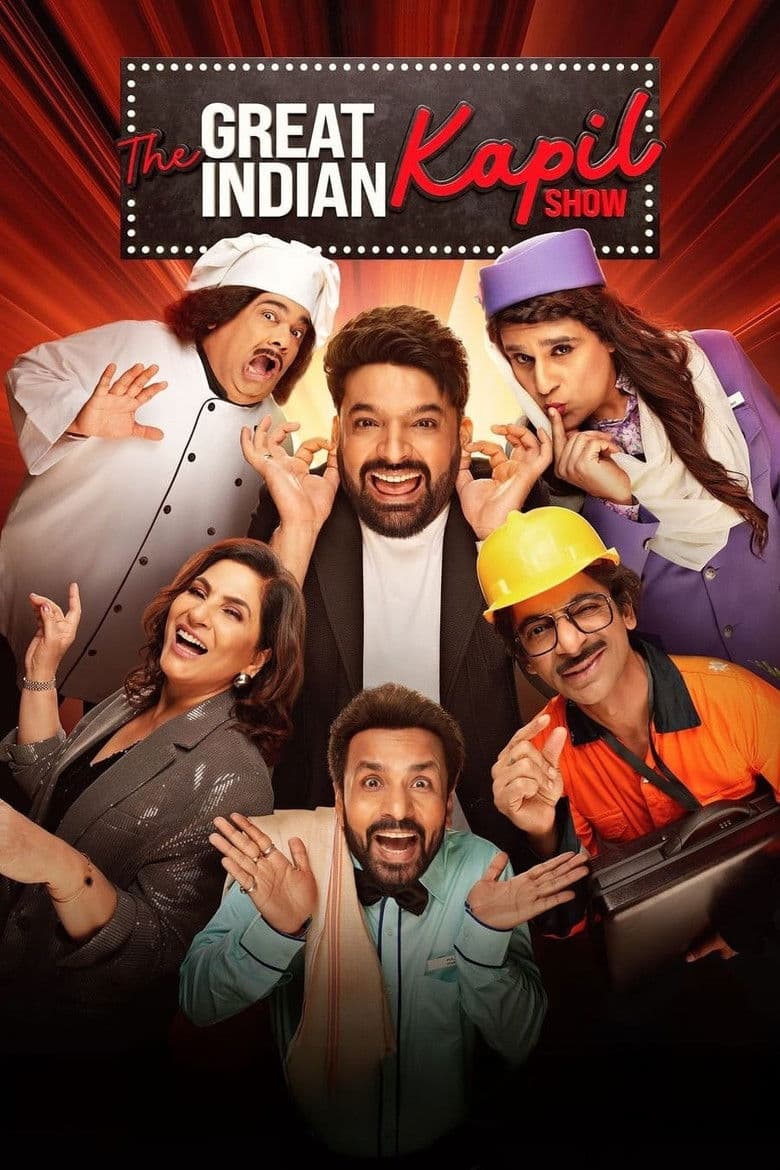
TV Show · 2024
Comedian Kapil Sharma hosts this laugh-out-loud variety talk show with celebrity guests, hilarious antics and his signature supporting cast.
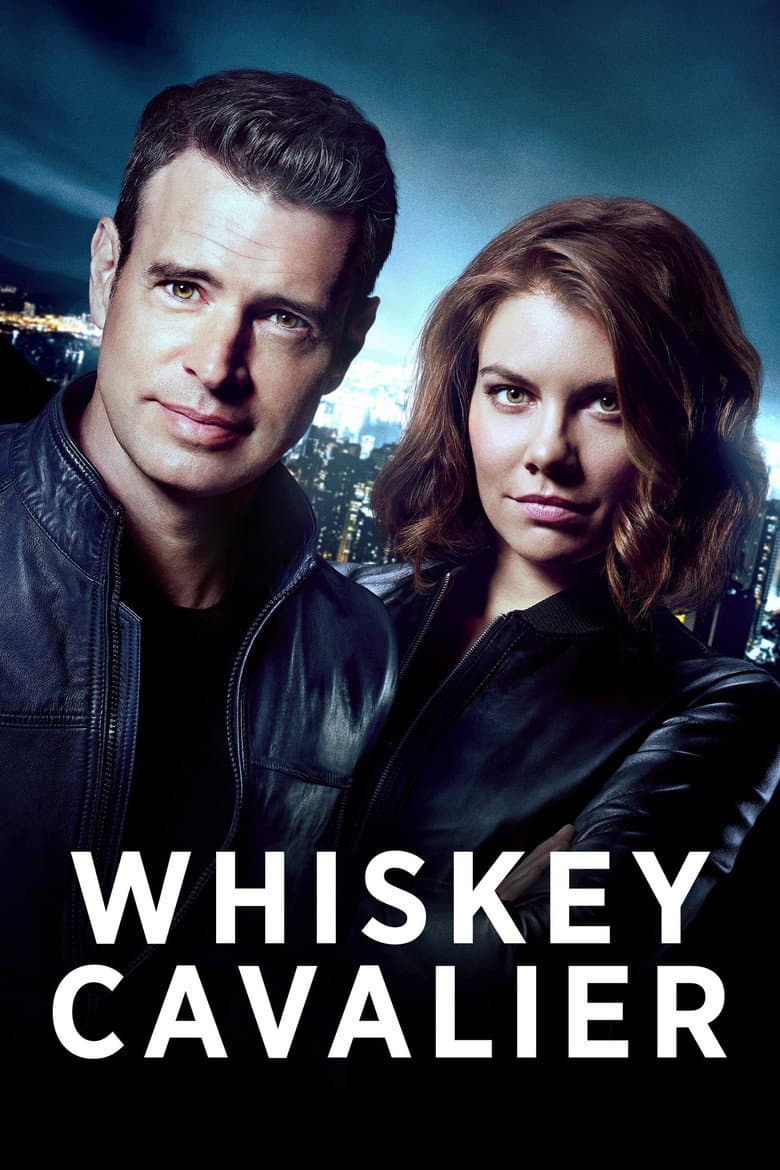
TV Show · 2019
Following an emotional breakup, tough but tender FBI super-agent Will Chase (codename: “Whiskey Cavalier”) is assigned to work with badass CIA operative Frankie Trowbridge…
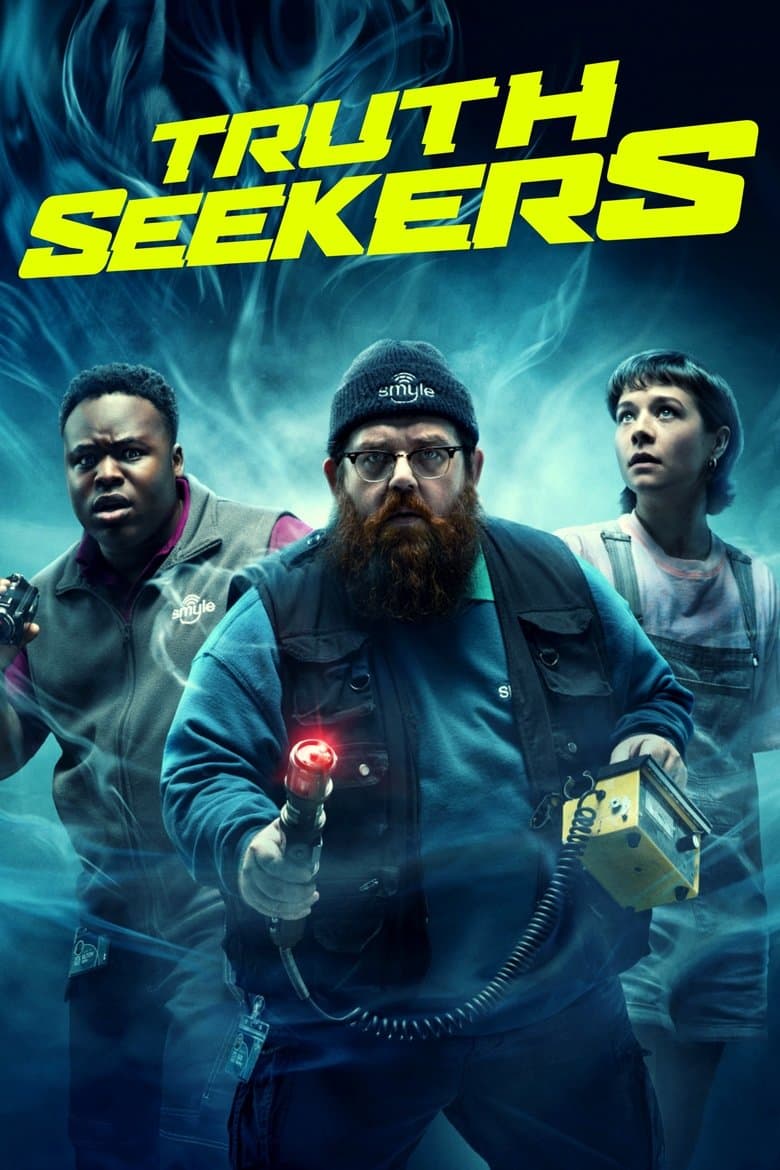
TV Show · 2020
A ghost-hunting duo team up to uncover and film paranormal sightings across the U.K. and share their adventures on an online channel.
