Started March 9, 2023 · Returning Series · Based on 3 seasons, 24 episodes through March 4, 2026 · TV-MA
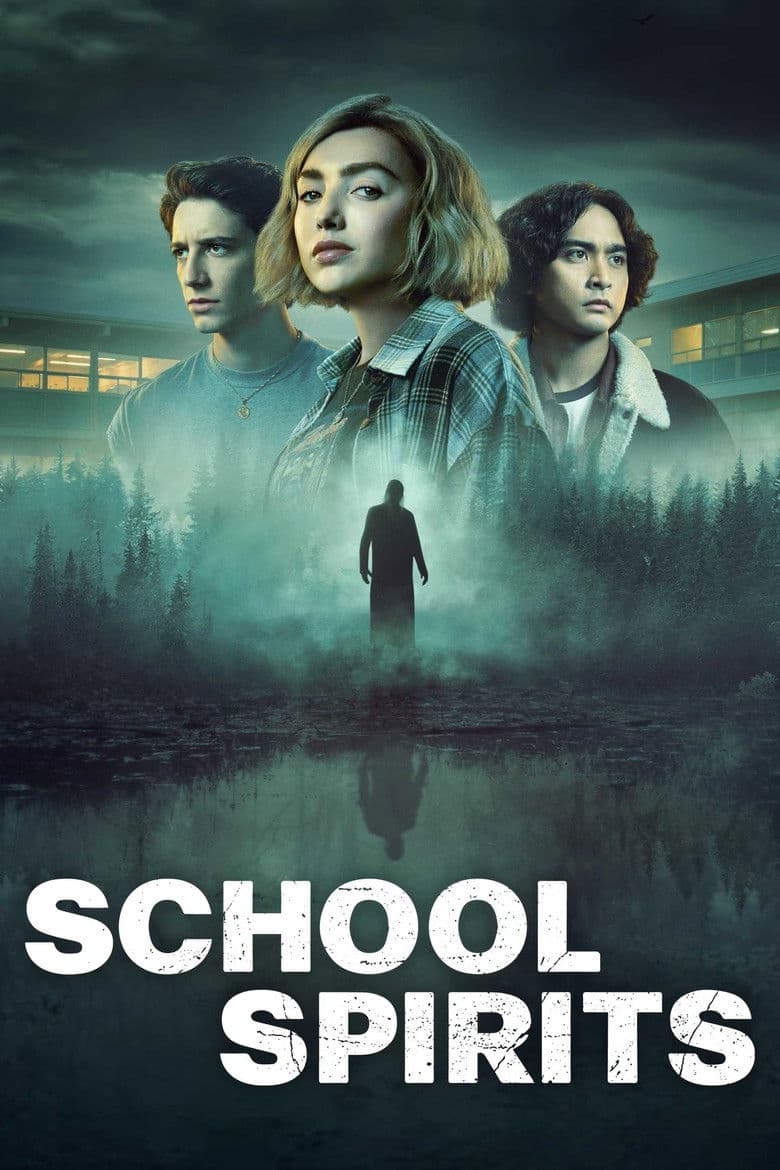
School Spirits follows Maddie Nears, a high school girl who wakes up as a ghost after dying at Split River High. She can speak with her best friend Simon, who is still alive, and with a group of ghosts from different decades. Maddie investigates her own death while the group tries to understand why the school traps them after death. The show mixes mystery, teen drama, grief, family pain, humor, romance, and scary supernatural twists.
The main woke elements grow stronger in the later seasons. Charley is gay, Yuri is bisexual, and Quinn is nonbinary, and the show gives their love lives and personal struggles repeated screen time. Season 3 makes Quinn’s search for a name and identity a clear story, pairs Quinn with Rhonda, and shows Charley struggling with Yuri’s bisexuality before they grow closer. The series still centers on ghost mysteries, body swapping, school secrets, and the fight to save the spirits from being forgotten, so the identity themes are important subplots rather than the whole premise.
Community feedback
Was our 55% Woke rating accurate?
Breakdown
These are the editorial factors and ratings behind our score for School Spirits.
Woke representation / casting
The main ghost group includes a clear pattern of queer identity choices. Charley is gay, Yuri is bisexual, Quinn is nonbinary, and Rhonda begins a relationship with Quinn. Ci Hang Ma, a nonbinary actor, plays Quinn, and season 3 coverage says the team sought gender-queer actors for the role. The show does not make its ethnic mix a major public identity message, so this score rests mainly on repeated queer casting and relationship choices.
55%
Woke political dialogue
Not present. The characters talk about Quinn’s name, gender, and relationships, but those talks stay personal. The show has no repeated activist speeches or direct political debate about DEI or social systems.
0%
Identity-driven story themes
The main mystery is Maddie’s death, but identity stories become a large part of the ghost group. Charley’s gay history and past bullying shape his early relationships. Seasons 2 and 3 give Charley and bisexual Yuri a romance, while Quinn explores being nonbinary and starts a relationship with Rhonda. Season 3 also shows biphobia, self-acceptance, gender identity, and the wish to live as one’s true self across several episodes.
65%
Western institutional / cultural critique
Not present. The show includes a killer guidance counselor, a corrupt superintendent, and a pastor who helps trapped children. Those figures serve the supernatural mystery, and the story does not turn them into a modern attack on men, families, Christianity, capitalism, or Western institutions.
0%
Woke character or canon changes
Not relevant. The show is a loose adaptation of a graphic novel, but no identity-driven rewrite of an established character or real historical figure is confirmed. Quinn and the queer romances are part of this show’s own story.
0%
Anti-woke backlash and complaints
A few small or anonymous X accounts called the show woke, complained about DEI, or objected to its gay couples and nonbinary ghost. One small audience review called the later seasons “ultra woke.” No large right-leaning campaign, boycott, or review-bombing effort was found, so the backlash is fringe.
12%
Creator track record context
The main creators Megan and Nate Trinrud have little known activist history. Most listed writers, directors, and casting staff also have low or sparse public political records. Director Brian Dannelly has supported transgender people and criticized Christian nationalist movements, while producer and star Peyton List has supported feminist and LGBTQ causes. This gives mild supporting context, but the strongest identity signal comes from the show’s later storylines.
32%
Production
TV Show · 2018
In 1994, a toddler disappeared from a small Welsh village, never to be seen again. 23 years later, in London, the mother of rising cello star Matilda Gray commits suicide, without…
TV Show · 2022
When a man wakes up in the Australian outback with no memory, he must use the few clues he has to discover his identity before his past catches up with him.
TV Show · 2019
A Philadelphia couple are in mourning after an unspeakable tragedy creates a rift in their marriage and opens the door for a mysterious force to enter their home.
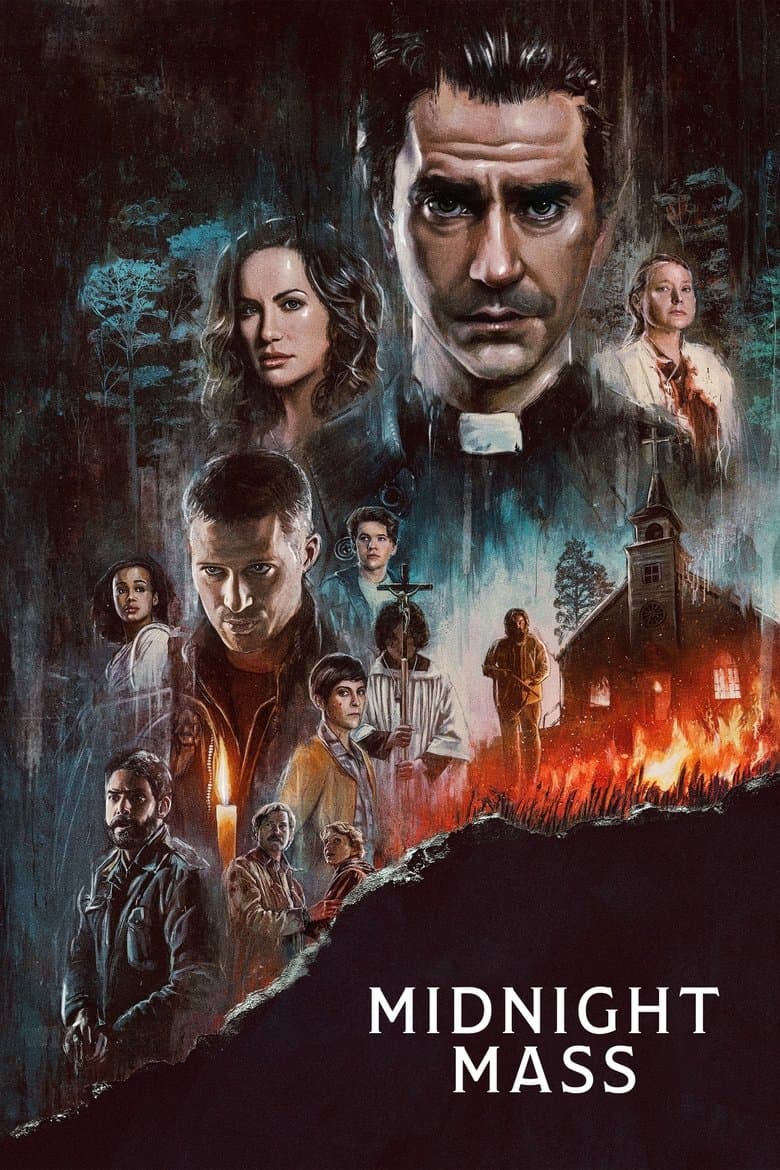
TV Show · 2021
The arrival of a charismatic young priest brings glorious miracles, ominous mysteries and renewed religious fervor to a dying town desperate to believe.
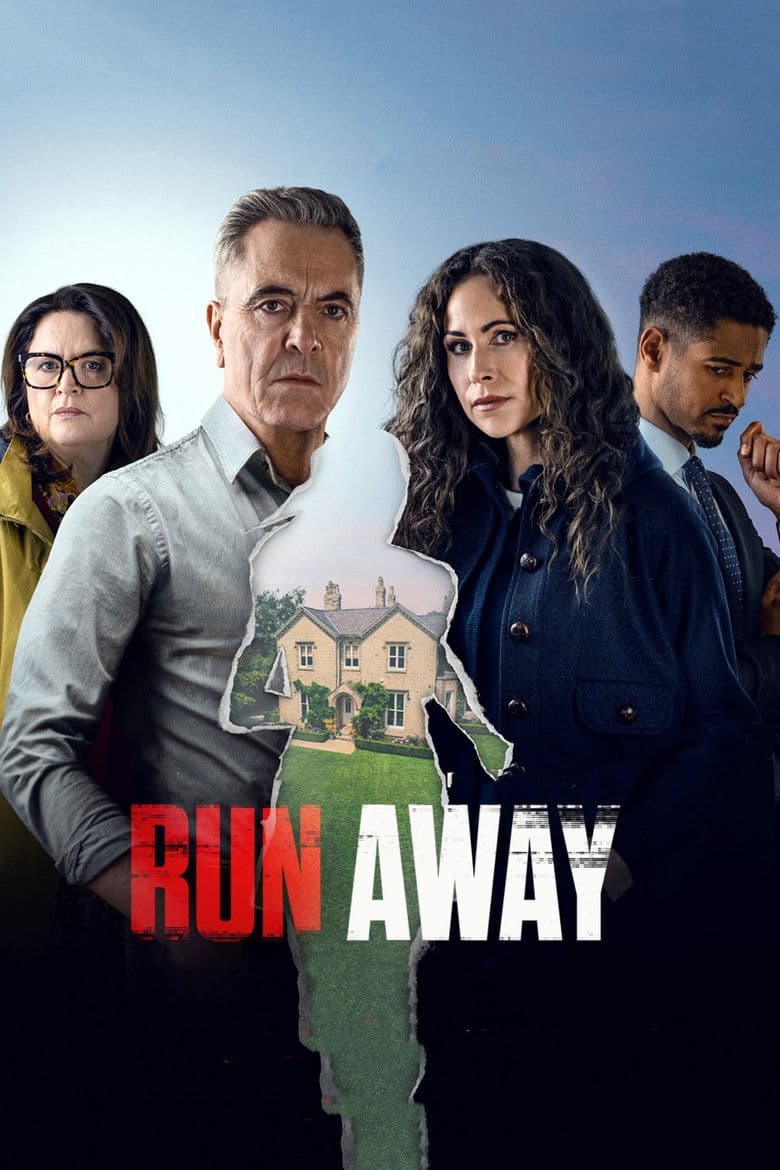
TV Show · 2026
A desperate father searching for his runaway daughter gets caught up in a murder case — and stumbles upon secrets which could destroy his family for good.
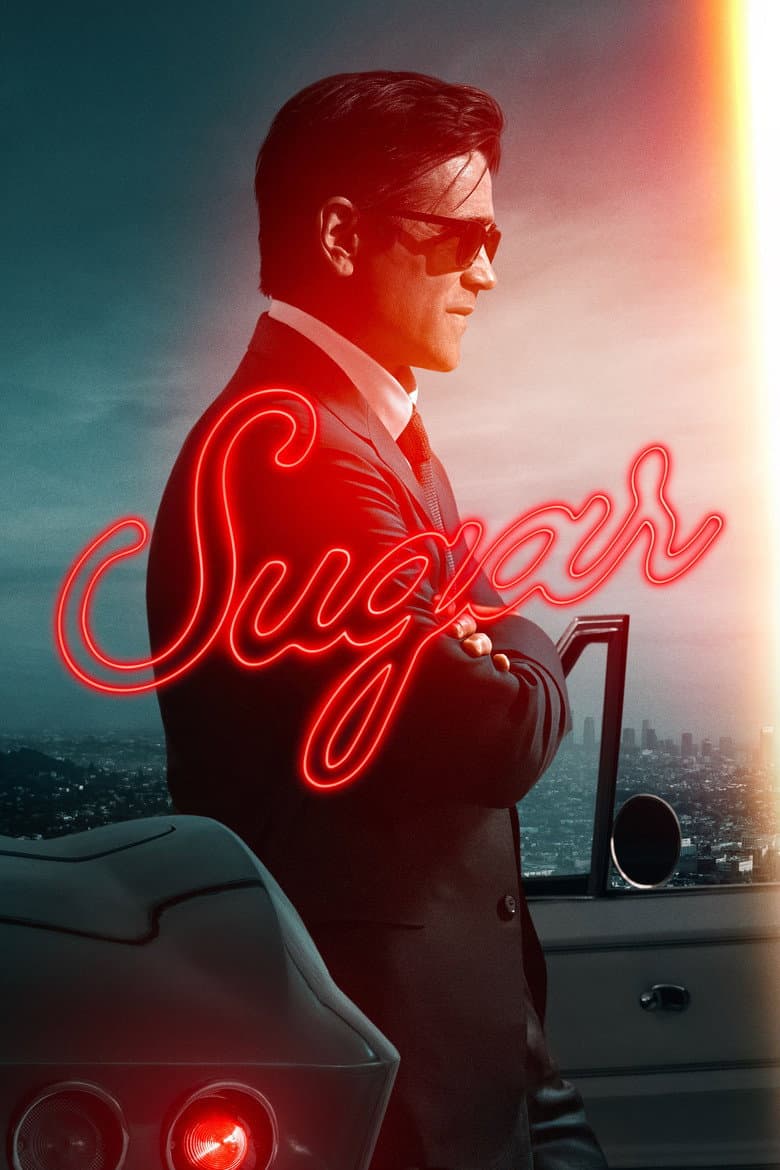
TV Show · 2024
John Sugar is a dashing private eye navigating the dark corners of sunny LA. Though he sees only the good in humanity, Sugar is haunted by a secret too dangerous to expose.
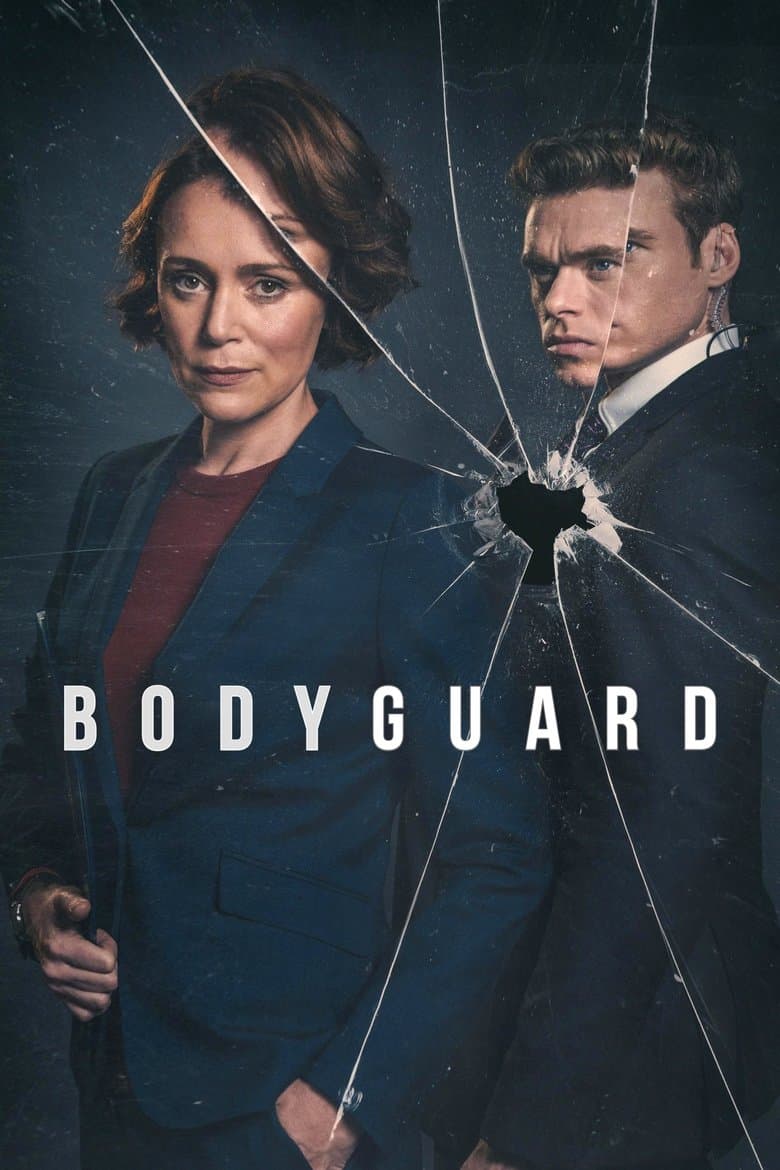
TV Show · 2018
A troubled war veteran is assigned to protect a controversial politician who may be the target of a terror plot.
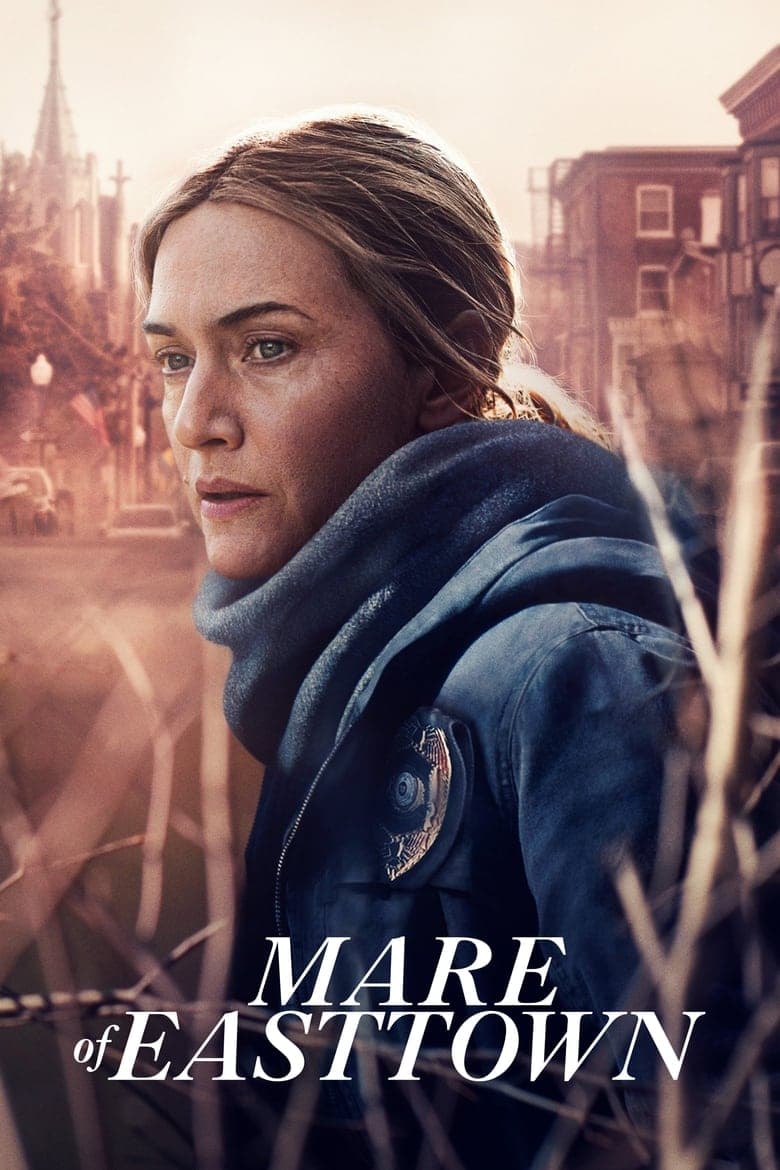
TV Show · 2021
A detective in a small Pennsylvania town investigates a local murder while trying to keep her life from falling apart.
