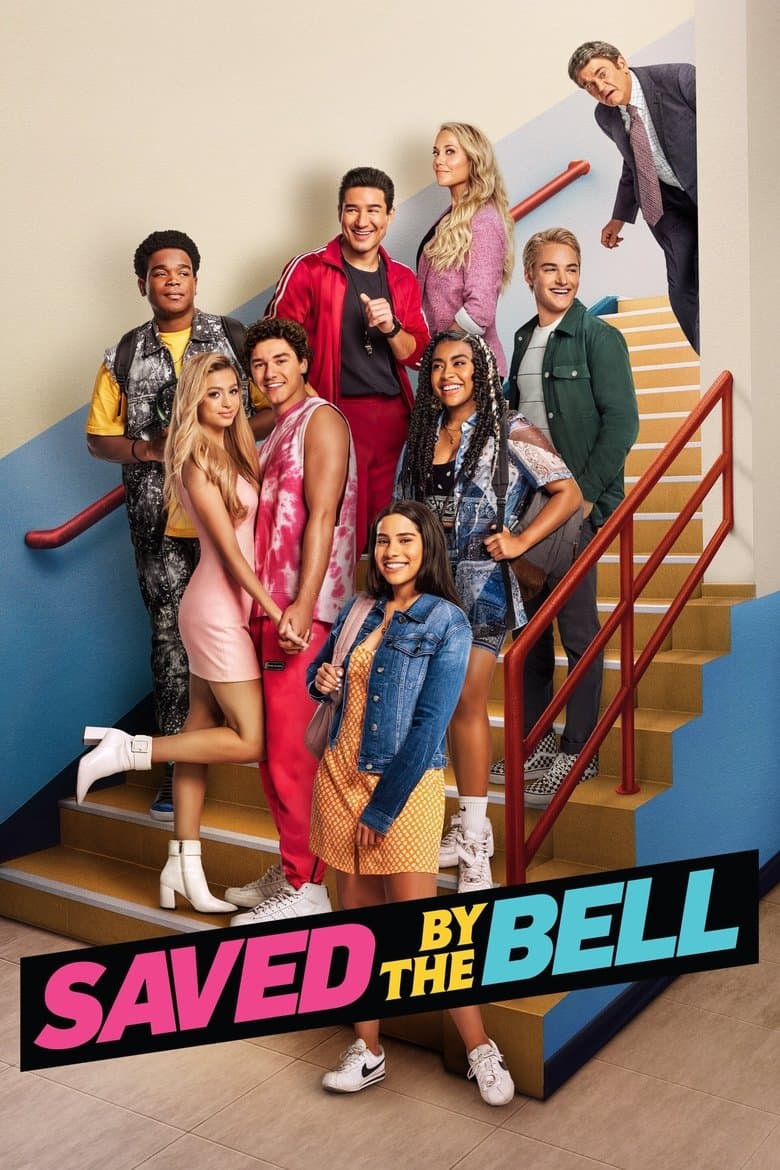
Started November 25, 2020 · Canceled · Based on 2 seasons, 20 episodes through November 24, 2021 · TV-14 · 30 min
The story mainly follows Daisy Jiménez, a smart student from a low-income California school. Governor Zack Morris closes her school and sends Daisy, Aisha, and DeVante to rich Bayside High, where Zack’s spoiled son Mac and other privileged students study. The new students must fit into a school built for wealthy families while the adults argue over what should happen to them. The show uses fast jokes, romance, school contests, and moments when characters speak to the audience to keep the tone bright and silly.
The show makes the gap between rich and poor, race, school funding, and cultural identity part of the main story. Daisy and Aisha challenge the idea that poor students should be moved around to solve a problem created by the state, and the students later stage a walkout. Lexi is a trans cheerleader, and season two gives her a major story about unfair treatment of trans people, a queer club, and how her wealth protects her from some problems. Aisha later dates Chloe and comes out as bisexual, while a Spanish-class story asks her to challenge a racist teacher and change the way the class is taught.
Community feedback
Was our 81% Woke rating accurate?
Breakdown
These are the editorial factors and ratings behind our score for Saved by the Bell.
Woke representation / casting
The main student group includes Daisy and Aisha as Latina students, DeVante as a black student, and Lexi as a trans girl. The show puts these four characters beside two white boys from wealthy Bayside families. Aisha becomes the starting quarterback, Daisy leads the school conflict, and Lexi receives a major trans story. Present-day California can support a diverse school, so the score reflects the repeated lead pattern and identity emphasis.
58%
Woke political dialogue
The characters repeatedly talk about low-income schools, privilege, race, and unequal education. Daisy challenges school leaders, and students stage a walkout over the school merger. Season two adds direct talk about trans rights, racist language, and decolonizing Spanish class. The dialogue is delivered through sitcom jokes, but these subjects recur across both seasons.
60%
Identity-driven story themes
The main conflict asks wealthy students to face the results of their comfort and support lower-income classmates. Lexi’s trans identity is part of her ongoing character, and season two gives her an episode about transphobia and a queer student club. Aisha dates Chloe, comes out as bisexual, and weighs how to tell Daisy. Another episode centers Aisha’s cultural identity and her fight with a racist Spanish teacher. These themes recur across both seasons, even though many episodes stay focused on ordinary teen comedy.
64%
Western institutional / cultural critique
The show treats the governor’s school cuts and the gap between rich and poor schools as a failure of public leadership. Affluent parents resist the transferred students, while students use a walkout to oppose the plan. Aisha takes the quarterback job from Jamie, and Jessie is often the voice who sees the problem before the men do. Season two questions old gender roles when Kelly returns to her goal of becoming a doctor.
54%
Woke character or canon changes
The revival turns Zack Morris from a mischievous student into a governor whose budget cuts create the show’s class conflict. The series makes this old hero responsible for closing low-income schools, which changes how viewers are asked to see him. Season two revisits Kelly’s old choice to marry Zack instead of becoming a doctor and lets her pursue medical school. This is a clear feminist correction to an old character ending, while other updates are ordinary sequel changes.
38%
Anti-woke backlash and complaints
Small conservative accounts called the Peacock revival a woke remake and highlighted the show’s queer and trans material. A few small accounts said they could not finish episode one or called the show heavy-handed and over-the-top woke. Some audience reviews also called it very political or a form of social engineering. The reaction showed no boycott, large right-leaning campaign, or coordinated review-bombing effort, so the backlash was fringe.
15%
Creator track record context
Tracey Wigfield’s creator profile shows deliberate diversity efforts and work that centers women’s voices. Josie Totah’s profile centers trans representation, and she helped shape Lexi as a producer. Maureen Bharoocha and Yedoye Travis add some race or diversity-focused work, while most other named writers and directors have lower or mixed scores. This creative pattern matches the show’s repeated class, race, gender, and queer themes, but the title’s content remains the main evidence.
50%
Production
TV Show · 2018
Offbeat comic James Acaster covers the strange, the mundane and everything in between in this collection of four wide-ranging stand-up specials.
TV Show · 2023
The inner workings of an American jury trial through the eyes of one particular juror, Ronald Gladden. Gladden is unaware the entire case is fake, everyone except him is an actor…
TV Show · 2020
David Tennant and Michael Sheen (playing themselves) were due to star in a production of 'Six Characters in Search of an Author' in the West End.
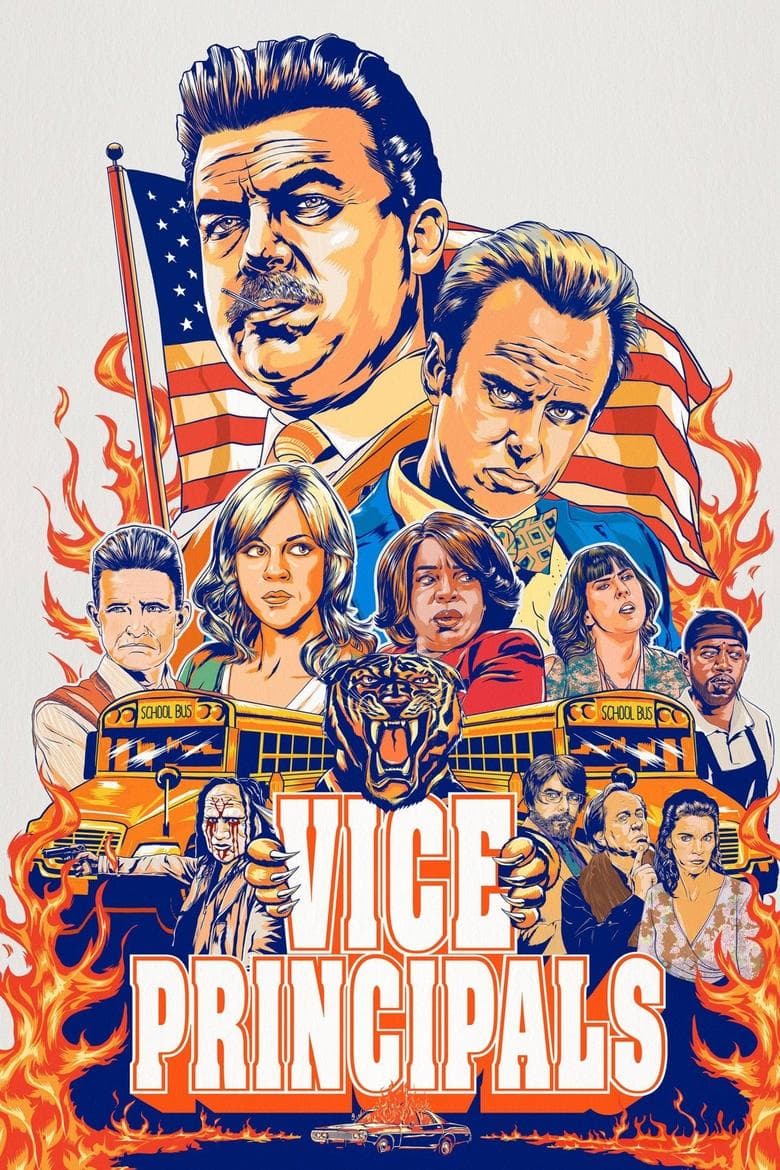
TV Show · 2016
After North Jackson High's long-time principal steps down to tend to his ailing wife, Neal Gamby and Lee Russell, the school's vice principals, are forced to put their mutual…
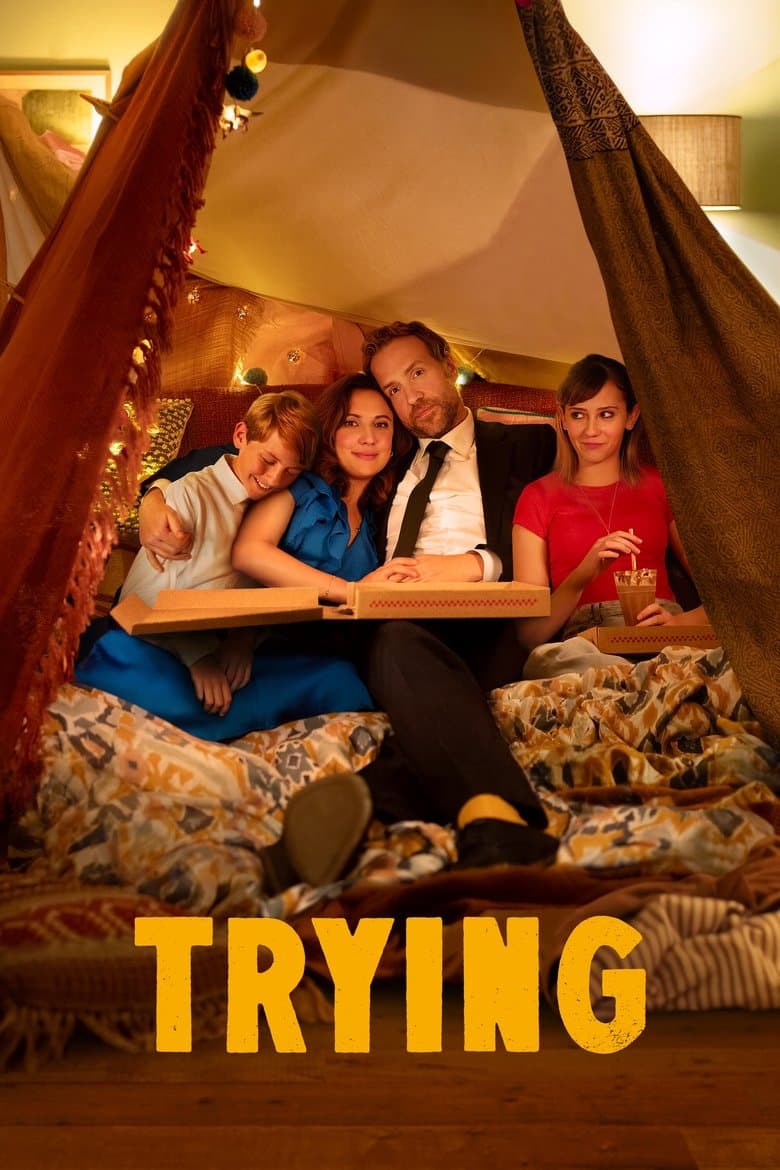
TV Show · 2020
All Nikki and Jason want is a baby—the one thing they can't have. So they decide to adopt. With their dysfunctional friends, screwball families, and chaotic lives, will the…
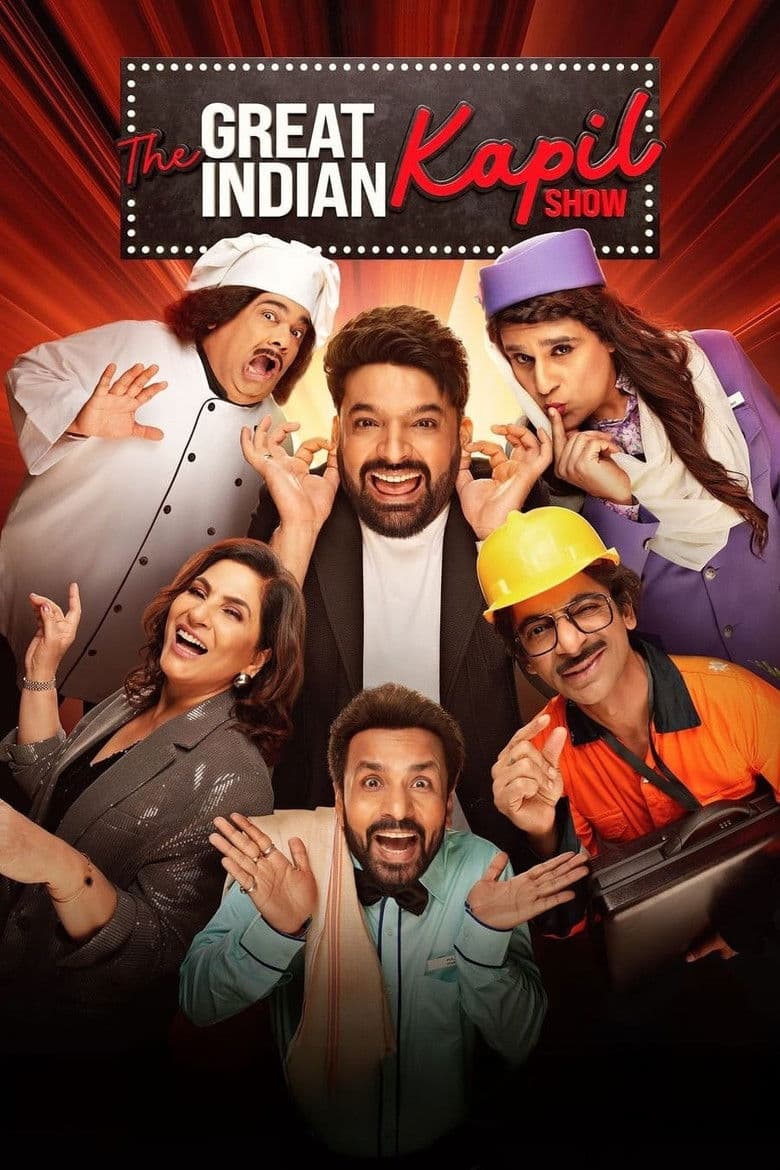
TV Show · 2024
Comedian Kapil Sharma hosts this laugh-out-loud variety talk show with celebrity guests, hilarious antics and his signature supporting cast.
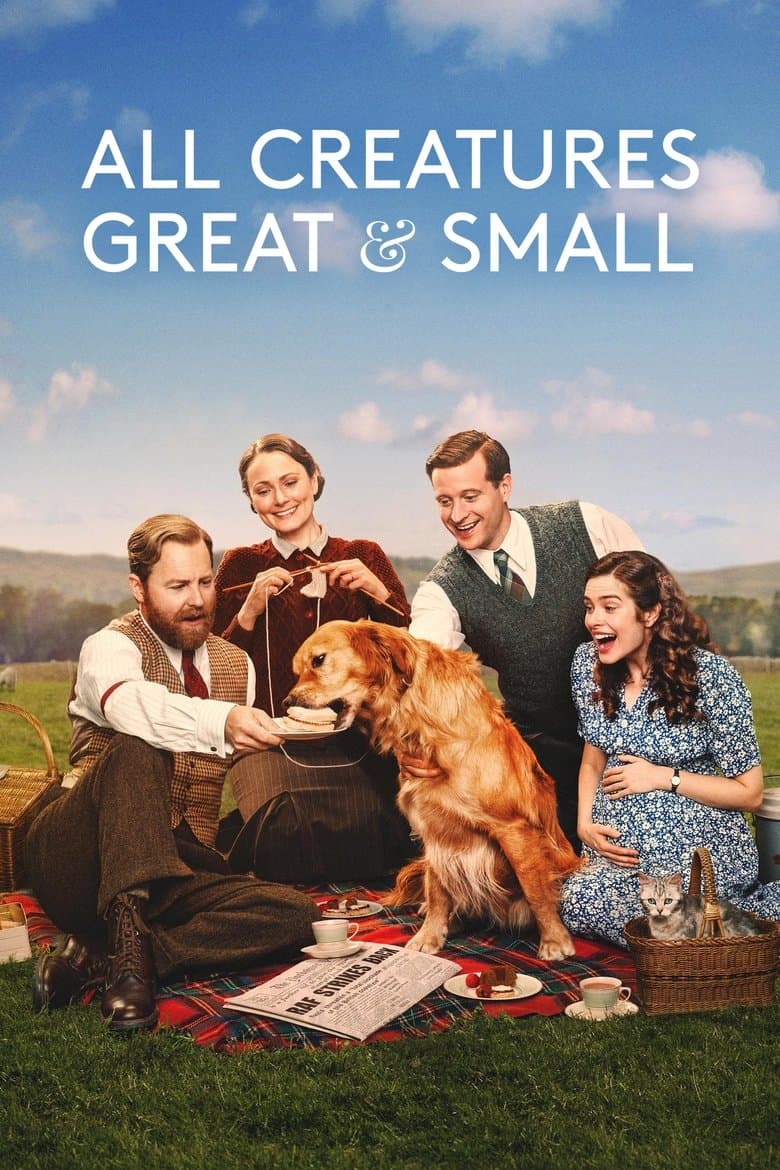
TV Show · 2020
The heartwarming and humorous adventures of a young country vet in the Yorkshire Dales in the 1930s. A remake of the 1978 series.

TV Show · 2016
Jeremy Clarkson, Richard Hammond and James May are back with a show about adventure, excitement and friendship...
