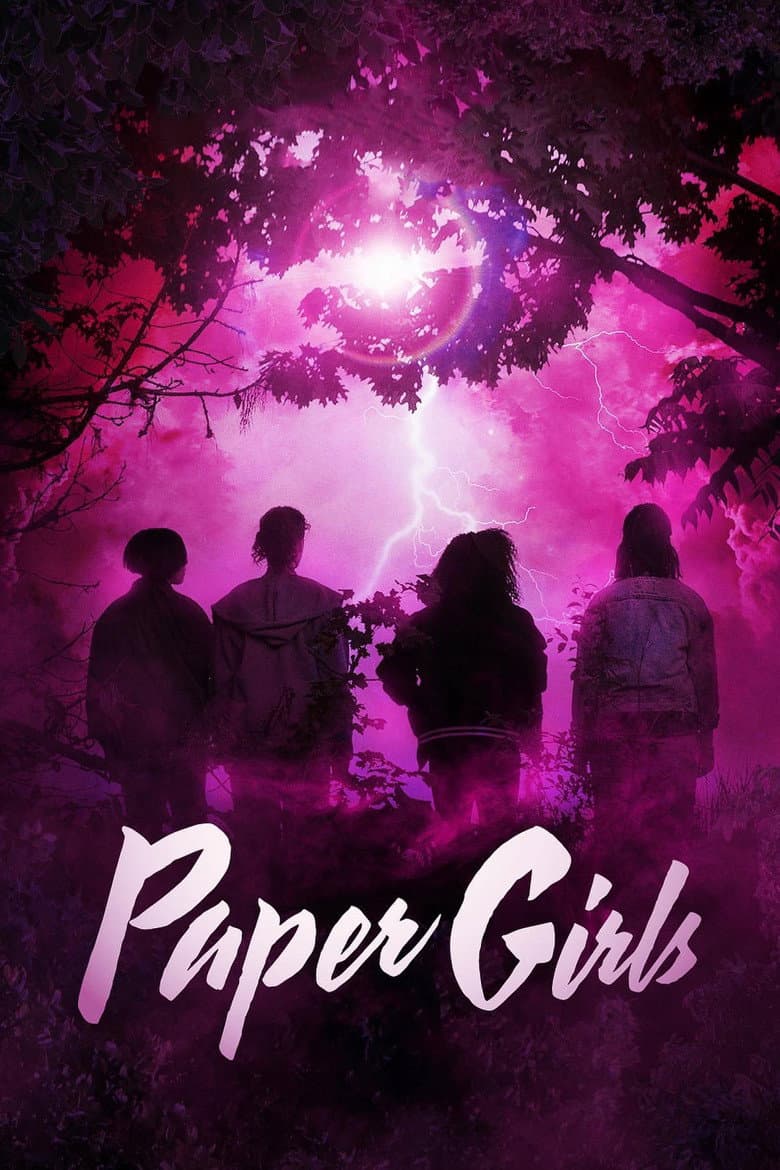
Started July 28, 2022 · Canceled · Based on 1 season, 8 episodes through July 28, 2022 · TV-MA · 45 min
Paper Girls follows Erin, Tiffany, Mac, and KJ, four twelve-year-old newspaper carriers in Stony Stream, Ohio. On the morning after Halloween in 1988, the girls stumble into a war between time travelers and are thrown into the future. They meet older versions of themselves and see how family, illness, loss, and personal choices can change a life. The tone mixes danger, jokes, friendship, and sad moments about growing up as the girls try to get home.
The show puts a black girl, a Chinese American girl, a Jewish girl, and a white girl at the center of the adventure. Erin faces anti-Asian prejudice, and KJ faces anti-Jewish abuse and pressure to follow her family’s expected path. KJ’s discovery that she is a lesbian becomes a clear part of the story when she meets the woman dating her older self. The girls often take the lead and resist old ideas about who should hold power, while friendship, courage, and freedom to choose one’s future remain major strengths.
Community feedback
Was our 53% Woke rating accurate?
Breakdown
These are the editorial factors and ratings behind our score for Paper Girls.
Woke representation / casting
The four top roles are a black girl, a Chinese American girl, a Jewish girl, and a white girl in a small 1988 Ohio suburb. The show and its promotion plainly present this as a diverse girl-centered cast. The identity choices also drive visible scenes about anti-Asian racism, Jewish identity, and Black ambition. The representation signal is clear because these characters lead the whole story.
43%
Woke political dialogue
The show includes direct identity-based speech in several episodes. A man attacks Erin with anti-Asian remarks, and KJ answers Mac’s racist and anti-Jewish comments by describing her family’s Holocaust history. Characters also use racist and homophobic language to show the flaws of the 1980s. The dialogue supports a social message, but it does not become a long debate about current elections or policy.
31%
Identity-driven story themes
Identity is a repeated part of the season. Erin’s family life includes translating for her immigrant mother, and the show makes her race visible through anti-Asian treatment. KJ’s lesbian self-discovery becomes a meaningful subplot in episodes five and six, and the story treats her future relationship positively. Tiffany’s pressure to be exceptional and the girls’ struggle against expected roles add more representation-focused material. The time-war plot remains the main story.
48%
Western institutional / cultural critique
The show presents 1988 as a place where girls and minorities face open prejudice. Mac also comes from an abusive home, and the story treats her father and local bullies as harmful men. The Old Watch is an authoritarian group that kills people who leave their time, and the girls reject its demand for obedience. These points create a mild critique of sexism and rigid power, but the show does not attack Christianity, capitalism, or ordinary family life.
27%
Woke character or canon changes
Not relevant. The show changes plot details and adds characters for television, but no clear woke or identity-driven rewrite of an established character or event is confirmed. KJ is lesbian in both the comic and the show.
0%
Anti-woke backlash and complaints
Some user reviewers directly called the show woke or objected to its modern social content. One Metacritic review called the series “woke stupidity,” and another rejected what it called “the latest thing.” These posts are a small sample and do not show a major campaign or news controversy. Most public discussion centered on the story, queer representation, pacing, or promotion.
15%
Creator track record context
The creative team has a mixed track record. Kai Yu Wu, Brian K. Vaughan, Karen Gaviola, and Steven Prinz have the clearest records tied to racial, gender, queer, or wider diversity work. Other listed creatives show lower or limited records in this area. Title interviews also stress a diverse writers’ room, female leadership, and a fuller look at 1980s racism, sexism, and homophobia.
41%
Production
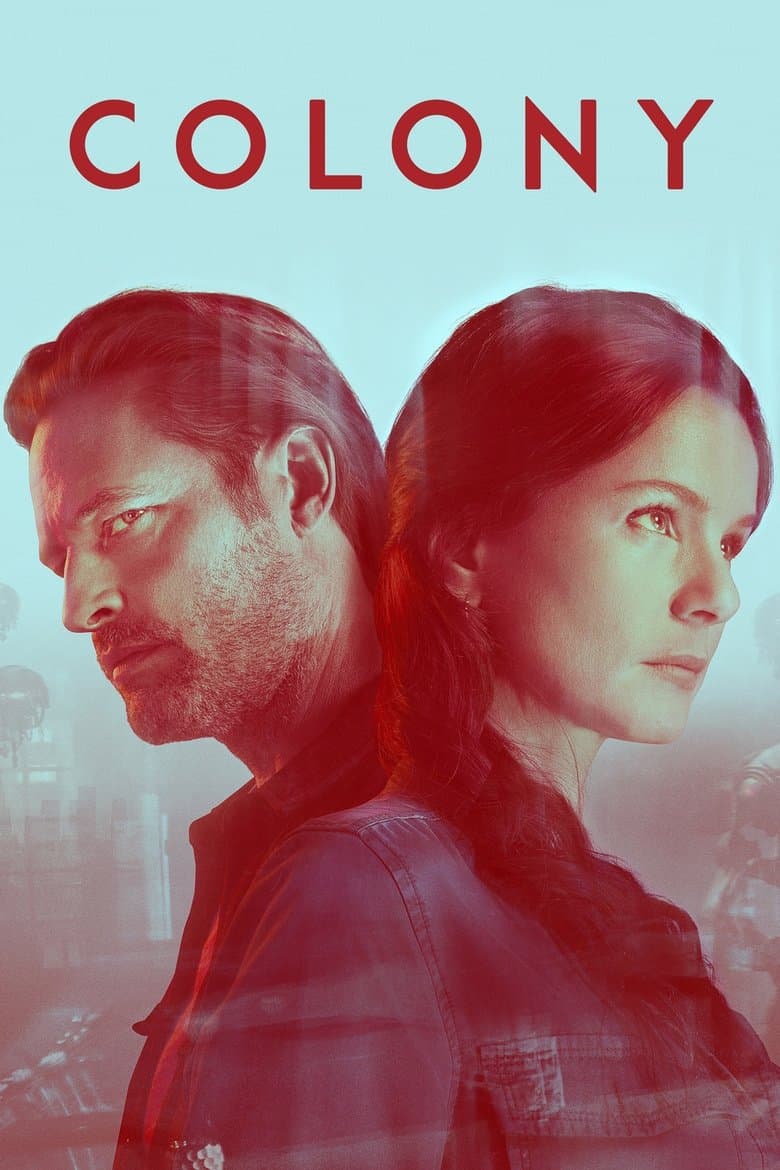
TV Show · 2016
In the near future a family must make difficult decisions as they balance staying together with trying to survive.
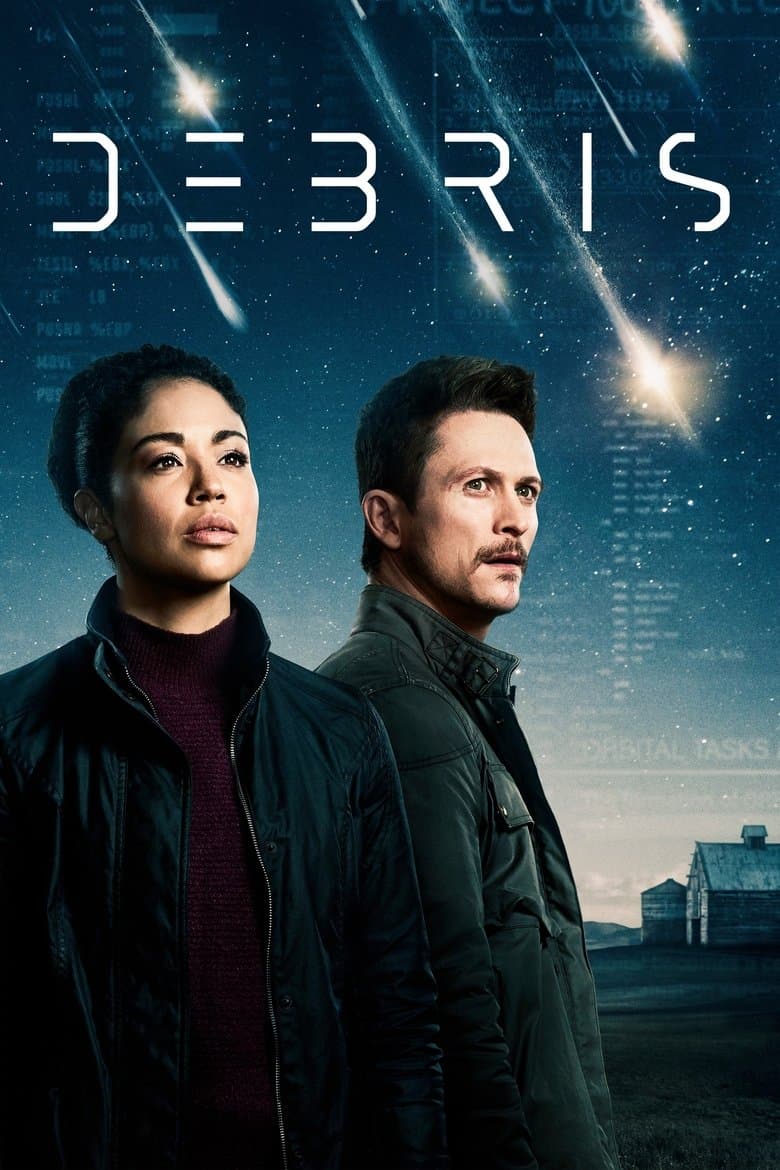
TV Show · 2021
Two federal agents from two different continents, and two different mindsets, must work together to investigate when wreckage from a destroyed alien spacecraft has mysterious…
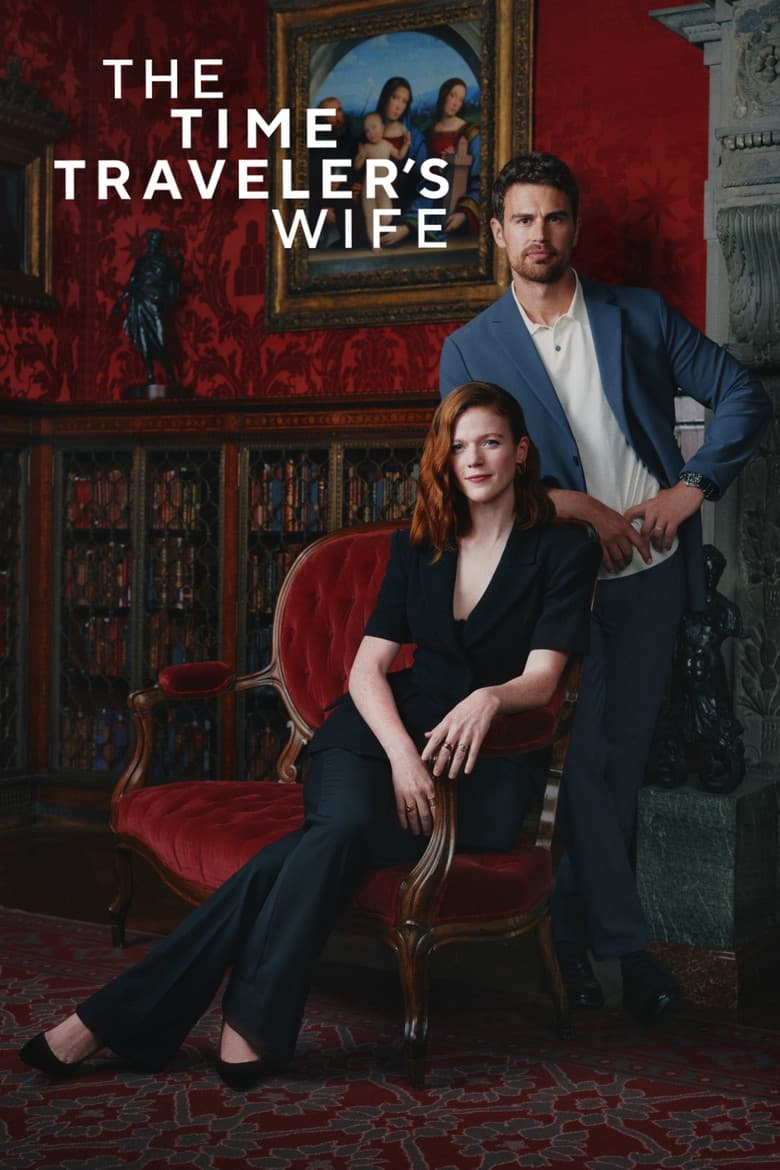
TV Show · 2022
The intricate and magical love story of Clare and Henry, and a marriage with a problem… time travel.
TV Show · 2024
A mysterious event traps people on a rural Georgia farm, forcing them to unite against an unknown, deadly force. A young boy named Arlo becomes central to uncovering the truth.
TV Show · 2017
A demented serial killer taunts a retired police detective with a series of lurid letters and emails, forcing the ex-cop to undertake a private, and potentially felonious, crusade…
TV Show · 2021
This terrifying thriller follows widow Lisey Landon as a series of disturbing events revives memories of her marriage to author Scott Landon and the darkness that plagued him.
TV Show · 2021
A year after a subglacial volcano erupts, mysterious elements from prehistoric times emerge from the melting ice, bringing unforeseen consequences.
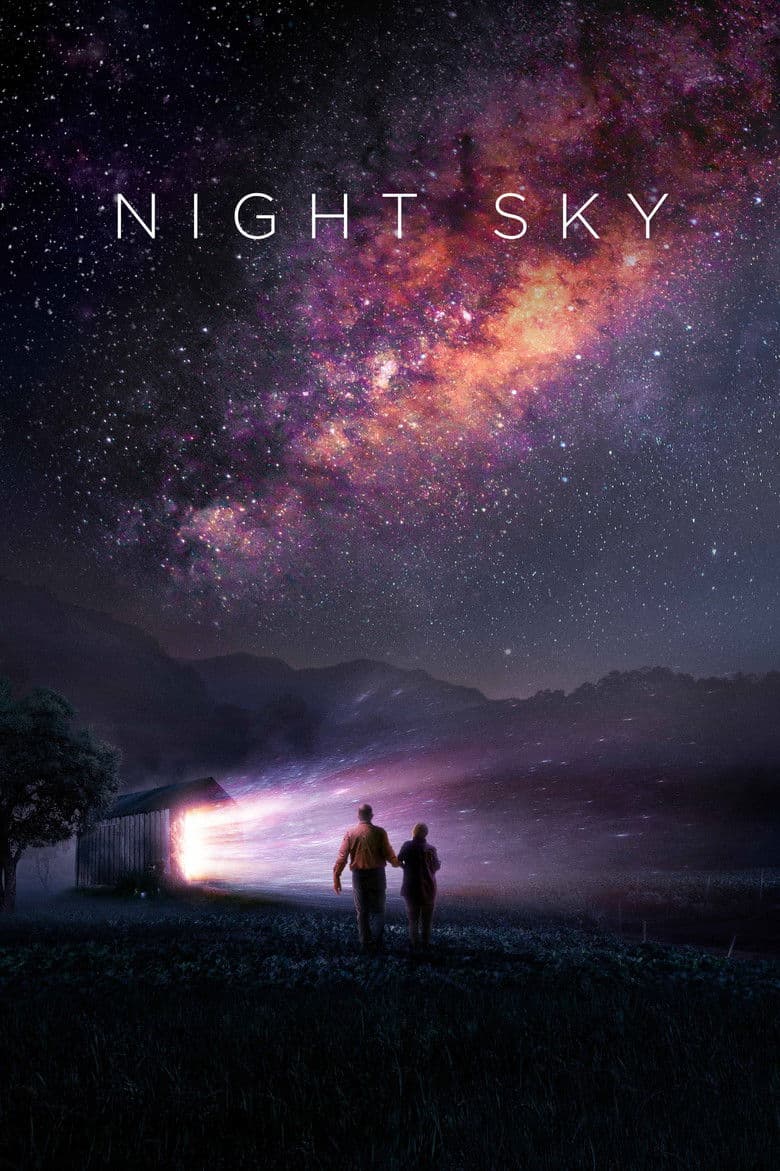
TV Show · 2022
Irene and Franklin York, a retired couple, have a secret: a Chamber buried in their backyard that miraculously leads to a strange, deserted planet.
