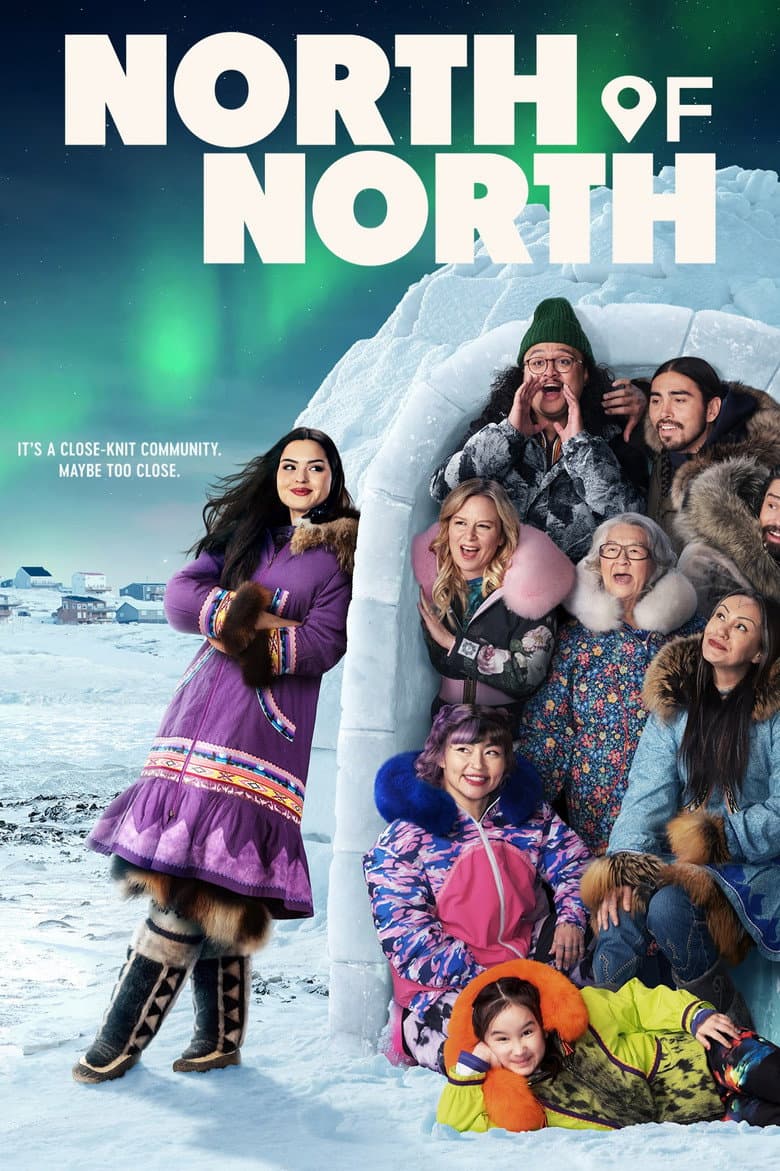
Started January 7, 2025 · Returning Series · Based on 1 season, 8 episodes through February 18, 2025 · 14+
North of North follows Siaja, a young Inuk mother who publicly ends her marriage to Ting, the town’s admired pilot and hunter. She moves in with her daughter Bun at her mother Neevee’s home and tries to build a life that is more than being a wife. Siaja takes a job at the community centre, faces gossip, dating trouble, family secrets, and the pressure of helping Ice Cove win a polar research station. The show uses bright comedy, rude jokes, sex talk, family pain, and warm Arctic community life.
Female independence drives the season because Siaja rejects a husband who expects her to stay home and then grows through work, friendship, and service to her town. The story often makes women the bosses, organizers, elders, and problem solvers while several men are shown as jealous, absent, confused, or mainly tied to romance. Inuit identity is central through the cast, Inuktitut speech, hunting, spirituality, and the repeated idea that outsiders should not reshape the Arctic. Colin is a recurring queer man, and the season also jokes about white people, residential schools, colonization, and the loss of Inuit children.
Community feedback
Was our 77% Woke rating accurate?
Breakdown
These are the editorial factors and ratings behind our score for North of North.
Woke representation / casting
The show places a mainly Inuit cast in a fictional Inuit town, so much of the ethnic casting fits the story world. The story gives key power and work roles to Siaja, Helen, Neevee, Millie, and other women. Several male characters are husbands, love interests, outsiders, or comic troublemakers. The production also presents its Inuit casting and women-led creative team as a visible representation goal. This is clear but not an overwhelming mismatch.
48%
Woke political dialogue
Siaja talks about being a modern Inuk woman and wanting a life beyond being a wife. The characters joke about white people, white saviours, and a feeling of being colonized. The characters mention residential schools and stolen resources in arguments and speeches. The finale has Siaja tell outside researchers that Arctic communities should not be changed by outsiders. These lines recur across the season, but comedy and family drama still make up most of the talk.
52%
Identity-driven story themes
Siaja's season-long goal is to build an identity outside marriage and motherhood. The story treats her choice to leave Ting, work, date, and speak for Ice Cove as a positive path, even when she makes mistakes. The story repeatedly places women in charge and presents several men as jealous, absent, confused, or mainly useful in romance and hunting. The show makes Inuit identity, language, spirituality, family history, and community pride central to every episode. Colin is a recurring queer man with a queer relationship, although his story is not the main plot.
68%
Western institutional / cultural critique
The show treats outside government and research workers as people who do not understand Ice Cove well. The research-station plot says Ottawa reports can miss current Arctic life and that outside groups have changed Inuit communities. The finale asks outsiders to learn from the Arctic instead of remaking it. The season also links family pain to residential school history and a white father taking away a child. The critique is recurring and clear, but it stays inside a small-town comedy.
58%
Woke character or canon changes
Not relevant. The show is an original sitcom with invented characters and no source material to change. Nuliajuk is used as an Inuit cultural figure, not as a swapped legacy character.
0%
Anti-woke backlash and complaints
One Rotten Tomatoes audience review called the show a “woke checklist” and said its choices felt predictable. The same review still said the show was worth watching. Other reaction was mostly positive, so this is a small and weak backlash signal.
10%
Creator track record context
The two creators have a repeated representation-first record centered on Inuit language, culture, and self-representation. Alethea Arnaquq-Baril also has a strong activist record tied to Inuit rights and resistance to outside campaigns. Several directors and JP Larocque bring added representation-focused or social-justice context. Other writers and producers have more ordinary records, so the creative background supports the show's themes without making every part of the team activist.
68%
Production
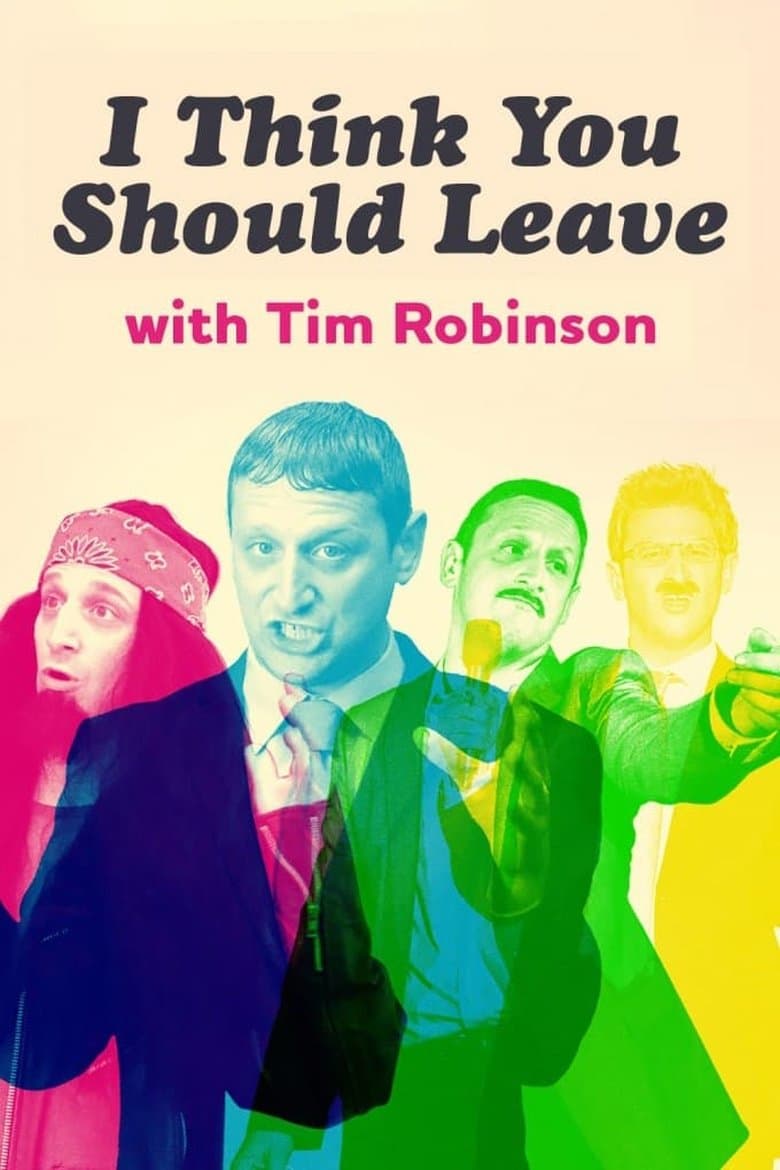
TV Show · 2019
There is no such thing as an ordinary interaction in this offbeat sketch comedy series that features a deep roster of guest stars.
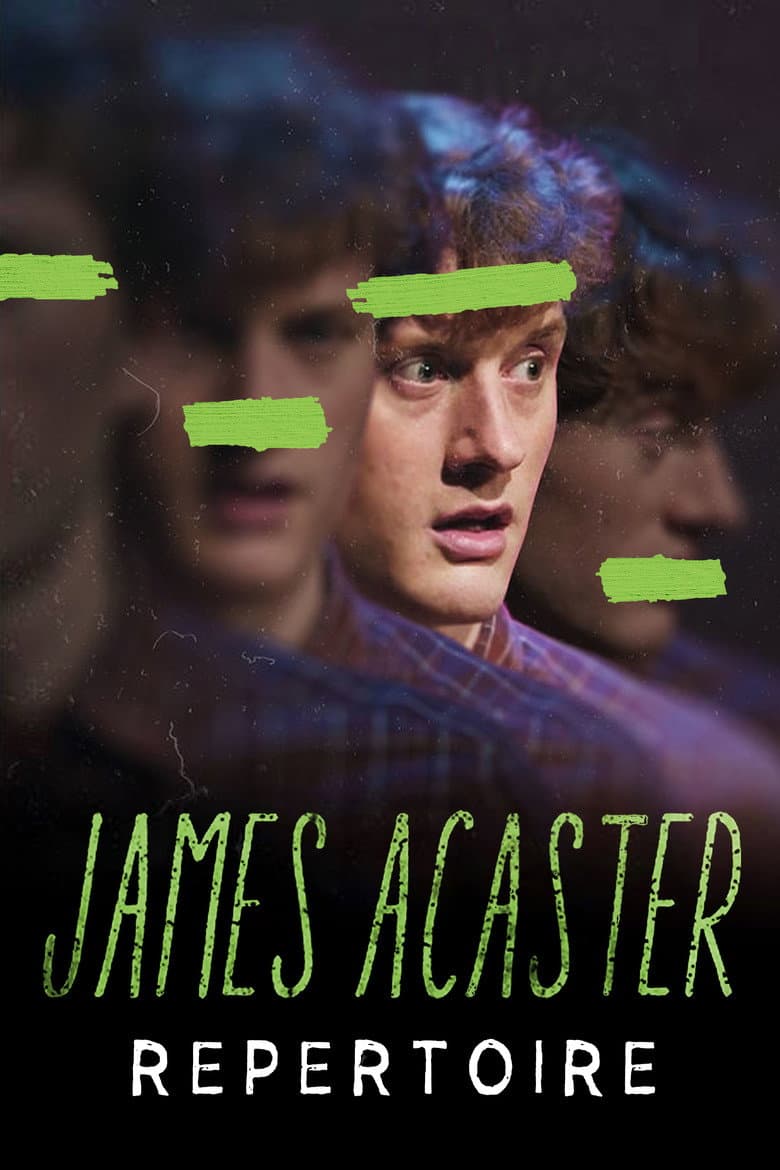
TV Show · 2018
Offbeat comic James Acaster covers the strange, the mundane and everything in between in this collection of four wide-ranging stand-up specials.
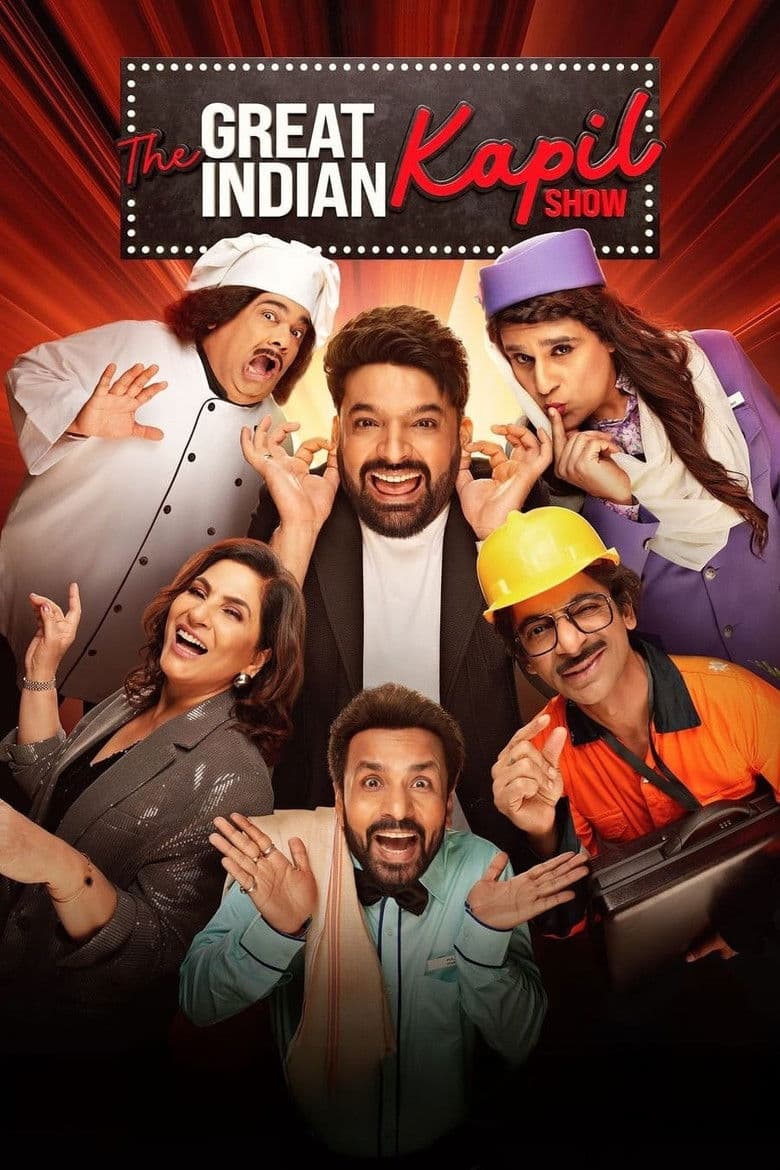
TV Show · 2024
Comedian Kapil Sharma hosts this laugh-out-loud variety talk show with celebrity guests, hilarious antics and his signature supporting cast.
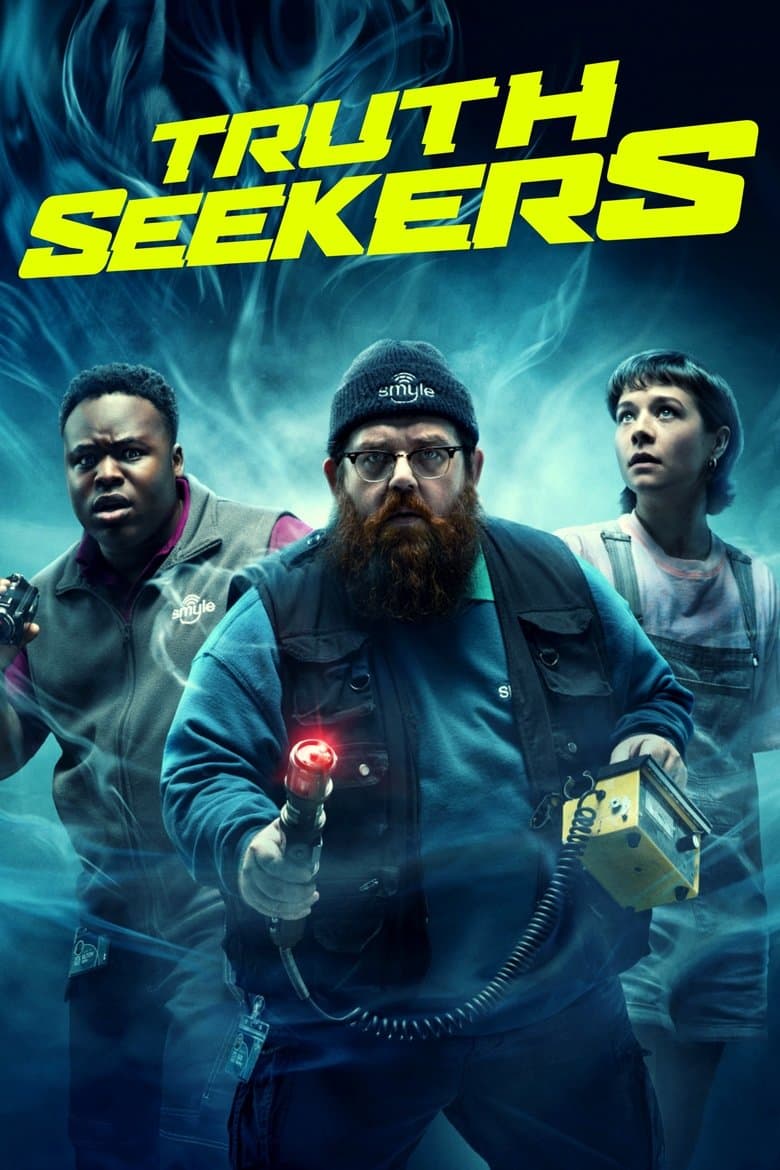
TV Show · 2020
A ghost-hunting duo team up to uncover and film paranormal sightings across the U.K. and share their adventures on an online channel.
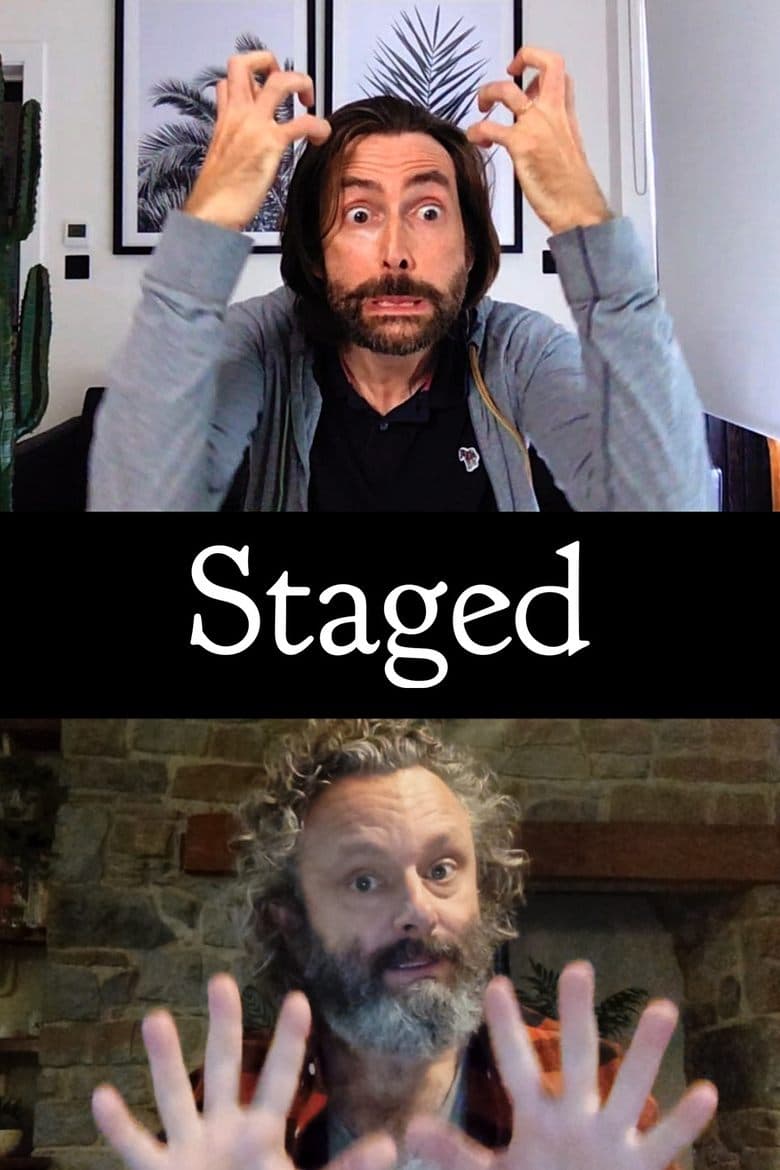
TV Show · 2020
David Tennant and Michael Sheen (playing themselves) were due to star in a production of 'Six Characters in Search of an Author' in the West End.

TV Show · 2016
Jeremy Clarkson, Richard Hammond and James May are back with a show about adventure, excitement and friendship...

TV Show · 2019
Burned out on life, Miles undergoes a strange procedure at a strip mall spa -- and wakes to find he's been replaced by a better version of himself.
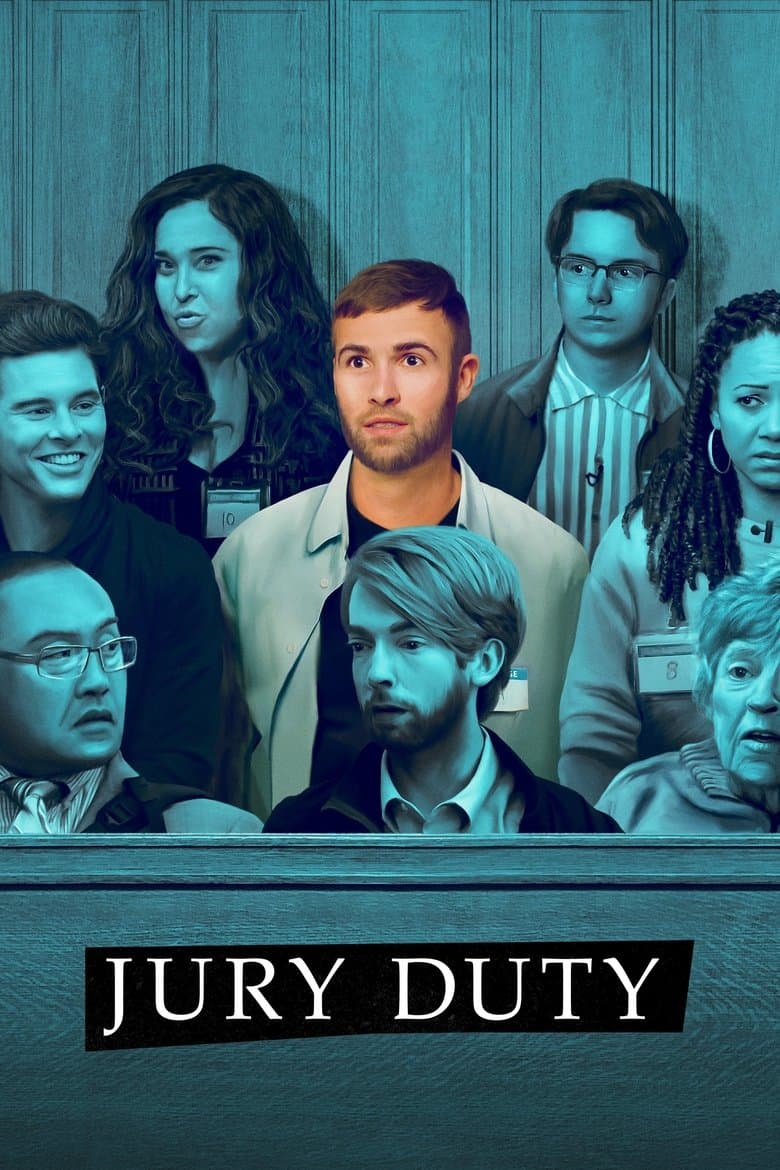
TV Show · 2023
The inner workings of an American jury trial through the eyes of one particular juror, Ronald Gladden. Gladden is unaware the entire case is fake, everyone except him is an actor…
