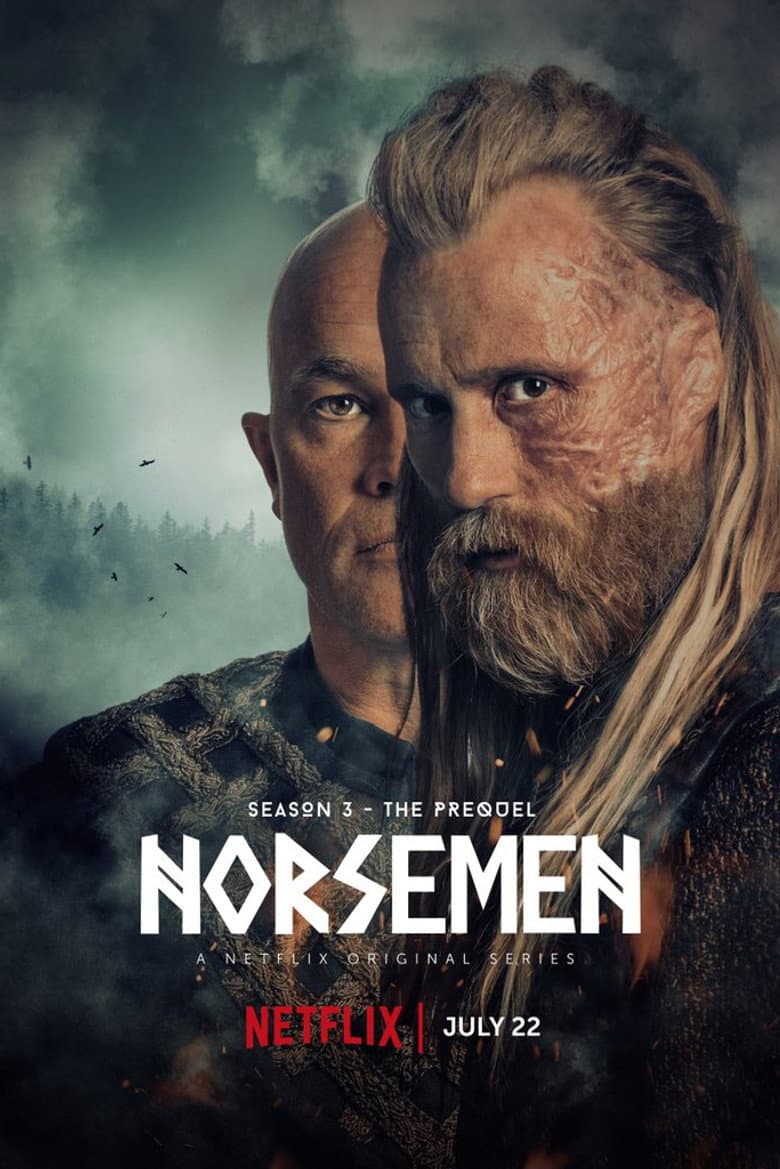
Started October 21, 2016 · Canceled · Based on 3 seasons, 18 episodes through March 13, 2020 · TV-MA · 30 min · Norwegian
Norsemen follows Orm, a weak and sneaky Viking who wants power but does not want to live like a fighter. He lives in Norheim, a Viking village in Norway around the year 790. The villagers raid England, keep slaves, fight rival leaders, and argue over love, law, art, and daily work. The show uses a dry, rude style that places modern talk beside sudden violence and crude Viking customs. Across three seasons, the village changes hands as Orm, Arvid, Frøya, Rufus, Varg, Hildur, and Liv chase safety, status, sex, or revenge.
Frøya is a tough female Viking warrior who raids with the men and is often stronger and more direct than Orm, her husband. Orm prefers crochet, poetry, theater, and male lovers, so his struggle with Viking ideas about manhood runs through the story. Rufus brings modern ideas about art, worker rights, fair treatment of slaves, gender language, and democracy into the village, while the show makes those ideas funny and often lets old violence win. Season 3 goes back before season 1 and explains Orm and Frøya’s marriage, adds a brief scene about skin-color prejudice, and keeps the same jokes about sex, power, and social rules. These themes are clear and recurring, but the show is mainly a dark comedy about selfish people, not a serious lesson about modern politics.
Community feedback
Was our 44% Woke rating accurate?
Breakdown
These are the editorial factors and ratings behind our score for Norsemen.
Woke representation / casting
Frøya is a major female warrior who raids with the men and is one of the strongest people in the village. Season 3 also includes one Black prisoner in the Norwegian village. The pattern is limited, and most roles fit the setting, so the title does not present a broad representation-first cast.
22%
Woke political dialogue
Characters use modern workplace and social language inside the Viking setting. Rufus complains about slavery like a modern worker, takes a creative director job, and asks for better treatment. The show jokes about gender-neutral language, democracy, hostile work conditions, and skin-color prejudice. These lines appear across all three seasons, but they usually serve the joke instead of stopping the story for a speech.
38%
Identity-driven story themes
Frøya is a top fighter who raids with the men, while her husband Orm avoids fighting and prefers crochet, poetry, and theater. Orm’s hidden attraction to men and his shame about Viking manhood return across the story. The show also follows women controlling marriage, sex, status, and household power through Frøya, Hildur, and Liv. The jokes are crude and often make every side look foolish, so the theme is strong but not the whole point of the series.
48%
Western institutional / cultural critique
Rufus brings art, softer values, fairer slave treatment, and modern work rules into a violent Viking village. The story repeatedly makes forced marriage, male control, slavery, and fear-based leadership look cruel or foolish. Women challenge men’s control of fighting, sex, and household power, and peasants demand democracy. The show also mocks Rufus and solves many problems with violence, so the modern critique stays mixed and comic.
35%
Woke character or canon changes
Not relevant. Norsemen is an original story about fictional Vikings. It does not change an established character, canon, or real historical figure.
0%
Anti-woke backlash and complaints
Several small X accounts called the show “woke Vikings” or an anachronistic “woke Viking series.” Some of those posts treated the label as the joke, and one said the crude humor might be too un-PC for Netflix. The accounts had little reach, and no boycott, review-bombing, or organized campaign was found.
15%
Creator track record context
Not present. The cached record gives the main creators and producers no strong activist, DEI, or identity-politics track record. Their work is mainly dark comedy, satire, and Norwegian television.
0%
Production
TV Show · 2019
Tony had a perfect life. But after his wife Lisa suddenly dies, Tony changes. After contemplating taking his own life, he decides instead to live long enough to punish the world…
TV Show · 2023
The lives of a realtor, a plumber and a former tennis star unexpectedly collide, exposing America’s obsession with true crime, murder and the slow-close toilet seat.

TV Show · 2020
New passions. New fashions. New Emily? A plucky American marketing whiz spreads her wings in life and love after landing her dream job in Paris.

TV Show · 2019
A paragliding mishap drops a South Korean heiress in North Korea -- and into the life of an army officer, who decides he will help her hide.
TV Show · 2016
In his funky California beach enclave, Chip's the go-to guy for personal insights. But he isn't quite as enlightened when it comes to his own baggage.

TV Show · 2016
Rebellious Mickey and good-natured Gus navigate the thrills and agonies of modern relationships.
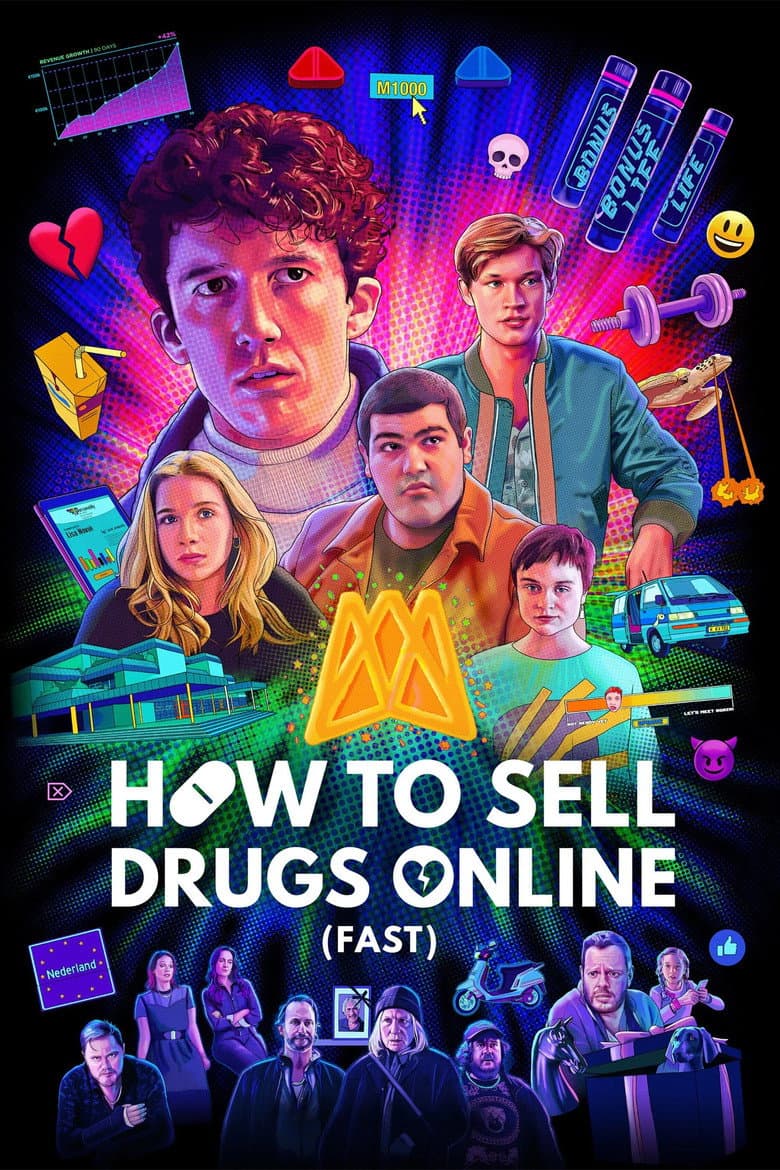
TV Show · 2019
To win back his ex-girlfriend, a nerdy teen starts selling ecstasy online out of his bedroom -- and becomes one of Europe's biggest dealers.

TV Show · 2022
In disguise as her friend, Ha-ri shows up to a blind date to scare him away. But plans go awry when he turns out to be her CEO — and makes a proposal.
