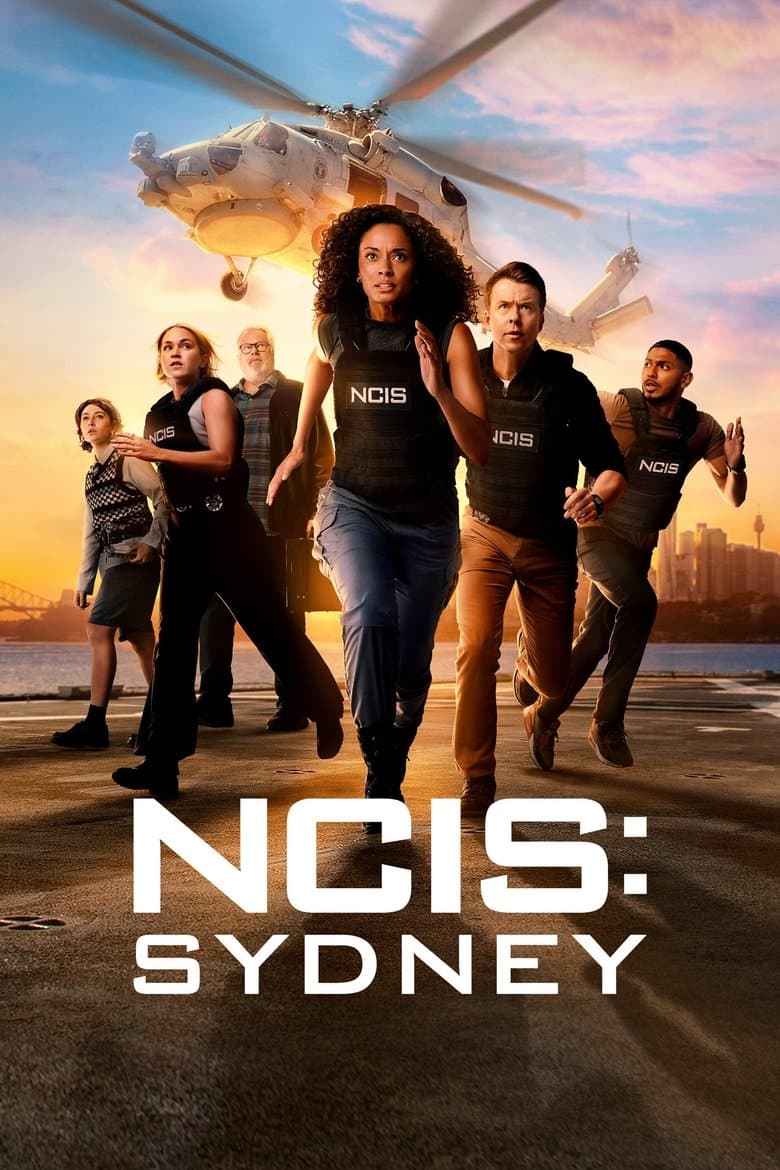
Started November 10, 2023 · Returning Series · Based on 3 seasons, 38 episodes through May 12, 2026 · TV-14
NCIS: Sydney follows a joint team of American NCIS agents and Australian Federal Police officers in Sydney. Michelle Mackey leads the group while Jim Dempsey handles the Australian side. The team investigates murders, spying, terrorism, and other crimes linked to the U.S. Navy and nearby waters. The show mixes action, jokes, workplace arguments, and family-style team drama across three seasons.
The clearest woke elements are the diverse lead group, a woman in charge, a First Nations officer, and a black American agent in major roles. A young female forensic scientist also becomes a key character, and the pilot includes a drag performer as a witness. The women often hold expert or leadership jobs, while the men remain important partners and bosses in later stories. Most episodes still center on crime cases, military secrets, romance, grief, and personal history rather than modern identity politics.
Community feedback
Was our 50% Woke rating accurate?
Breakdown
These are the editorial factors and ratings behind our score for NCIS: Sydney.
Woke representation / casting
The show puts a female NCIS leader, a black American agent, a First Nations Australian officer, and a young female science expert in the main team. The show gives each of them important work, not just background roles. Evie’s character includes small First Nations details, including an emu feather and a cup made by a First Nations artist. The Sydney setting and a joint U.S.-Australian team make the mix believable, but the repeated lead-role pattern still makes representation a visible part of the show.
48%
Woke political dialogue
The pilot opens with protesters chanting against nuclear submarines. A protester calls himself an activist and says people need to know the dangers of the subs. Season 2 uses the word “kayak-splaining” and gives a vampire group a speech about the “enduring female spirit” and “warrior women.” Season 3 also includes a protest over a government’s killing of a woman and claims of an American war crime. The show uses these lines in scattered crime plots, so political dialogue is noticeable but not constant.
28%
Identity-driven story themes
Mackey leads the office and the show repeatedly treats a woman holding command as a major character trait. Evie and Blue also get continuing stories about their place in the team, their pasts, and how they present themselves. The pilot’s drag performer adds a small queer identity element, but the character appears only once. Most of the story follows murders, military secrets, romance, grief, and family problems, so identity themes remain a visible side layer rather than the main subject.
34%
Western institutional / cultural critique
The pilot shows officials hiding radiation evidence so the AUKUS deal will look safe. Later episodes show secret listening devices, spy cover-ups, an anti-government rally, and a claimed war crime. The show often makes military or intelligence secrecy look dangerous. These plots stay inside crime and spy stories, and they do not build a wider attack on family, faith, capitalism, or traditional social rules.
18%
Woke character or canon changes
Not relevant. The series creates a new Sydney team for the NCIS franchise and does not change an established character or real person’s race, sex, sexuality, or hero role.
0%
Anti-woke backlash and complaints
Small Reddit discussions call the show woke or a DEI product. Some viewers object to the female team boss, the highly skilled women, and the drag performer in the pilot. The supplied X pass found similar complaints about female dominance, the drag scene, and a supposed DEI focus. The reaction comes from small accounts and has little reach, but the repeated complaint across two platforms lifts it above a purely fringe score.
30%
Creator track record context
Morgan O’Neill and most of the listed writers, directors, and producers have mostly worked on crime, drama, and family stories. Shawn Seet has recurring work about multicultural and Indigenous stories. Michael Miller has a stronger identity-focused strand through Cleverman, and Lindsey Martin has a clear diversity-focused international production record. These supporting patterns raise the context score, but the full team does not show a strong activist or identity-first public profile.
24%
Production
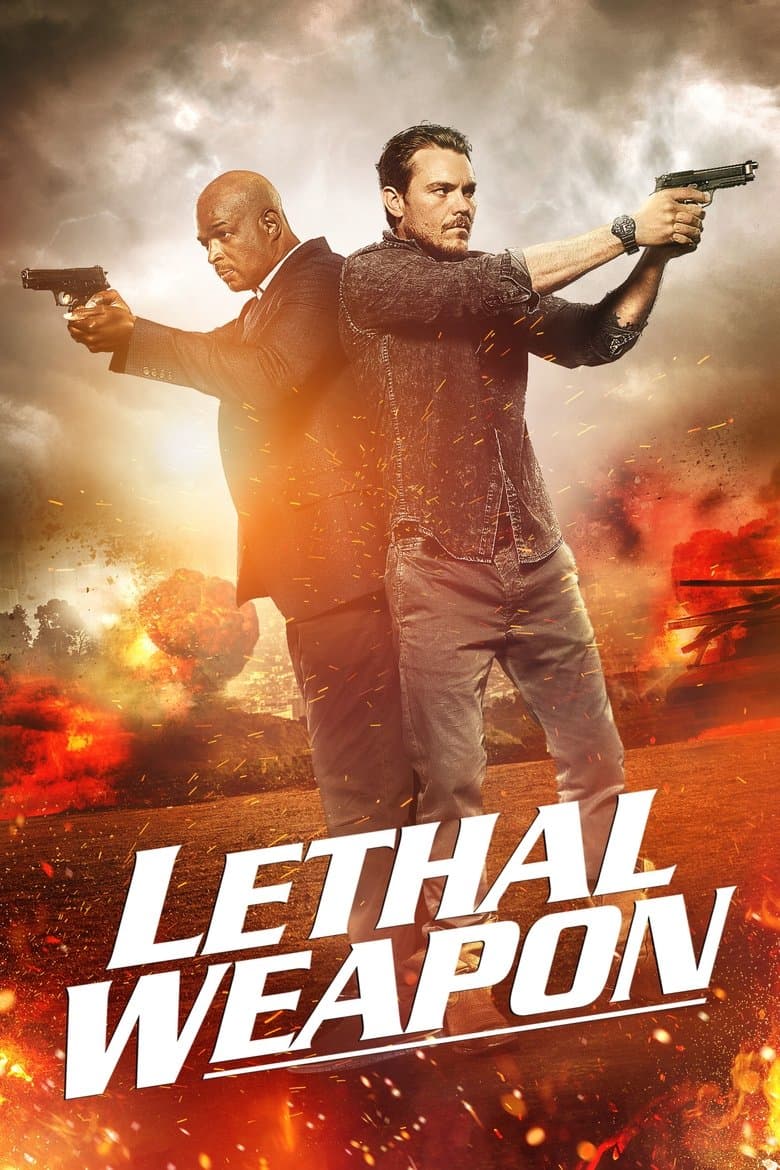
TV Show · 2016
A slightly unhinged former Navy SEAL lands a job as a police officer in Los Angeles where he's partnered with a veteran detective trying to keep maintain a low stress level in his…
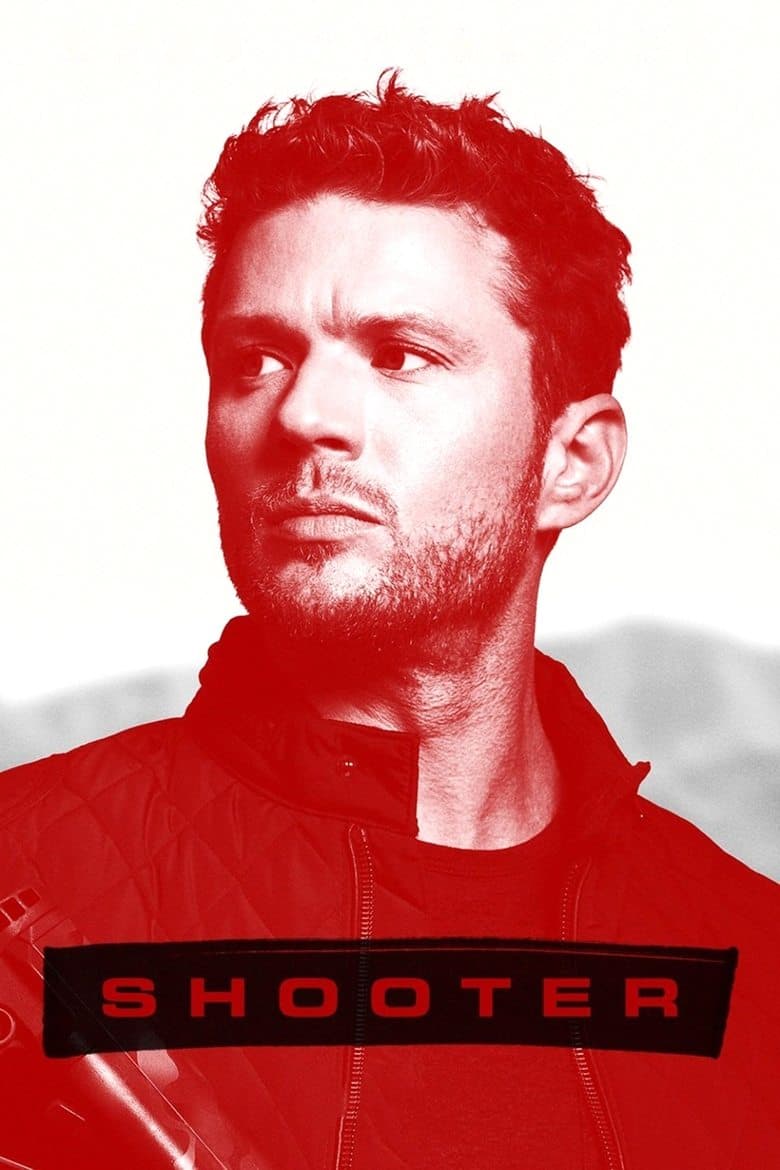
TV Show · 2016
Bob Lee Swagger is an expert marksman living in exile who is coaxed back into action after learning of a plot to kill the president.
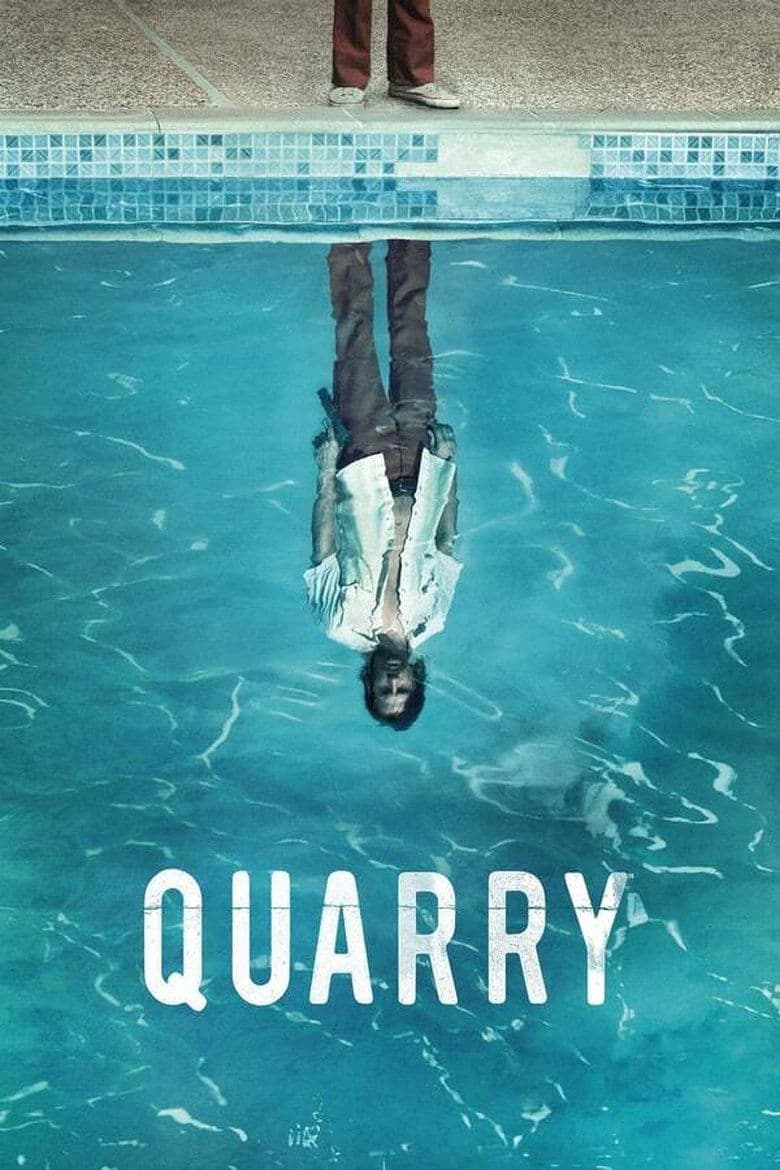
TV Show · 2016
The story of Mac Conway, a Marine who returns home to Memphis from Vietnam in 1972 and finds himself shunned by those he loves and demonized by the public.
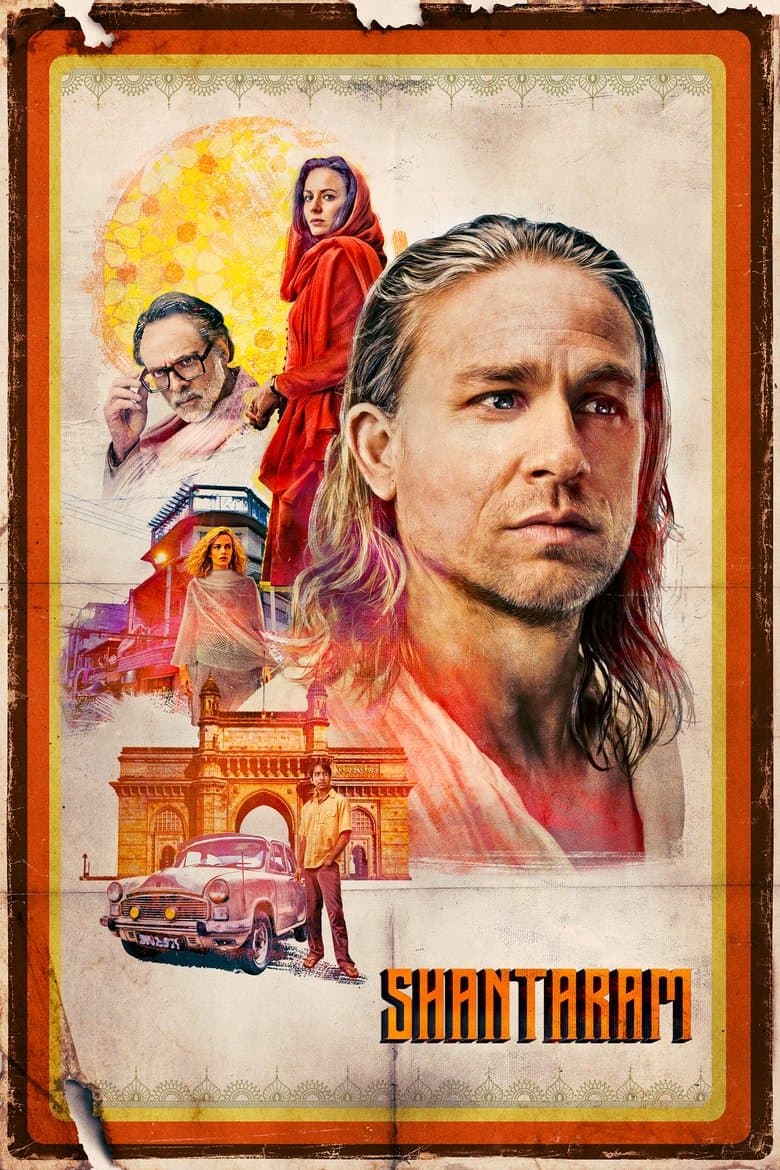
TV Show · 2022
Escaped convict Lin Ford flees to the teeming streets of 1980s Bombay, looking to disappear. Working as a medic for the city's poor and neglected, Lin finds unexpected love…
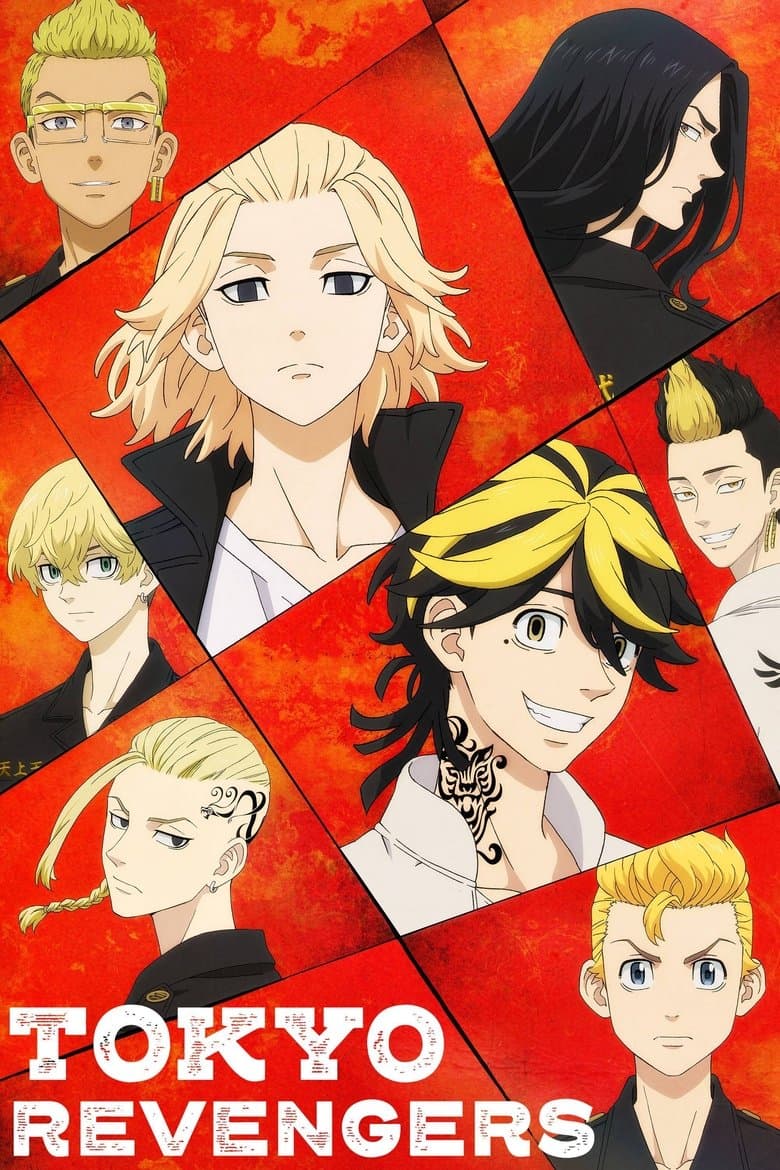
TV Show · 2021
Takemichi Hanagaki is a freelancer that’s reached the absolute pits of despair in his life. He finds out that the only girlfriend he ever had, in middle school, Hinata Tachibana…
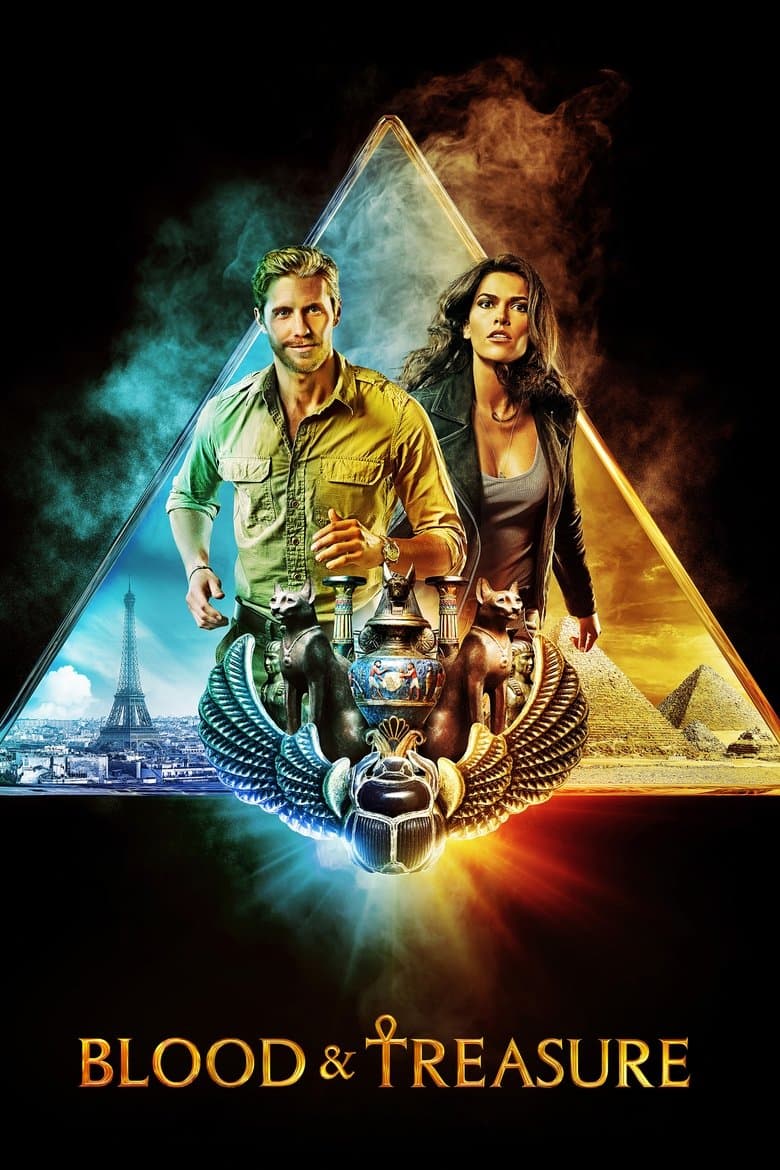
TV Show · 2019
An antiquities expert teams up with an art thief to catch a terrorist who funds his attacks using stolen artifacts.
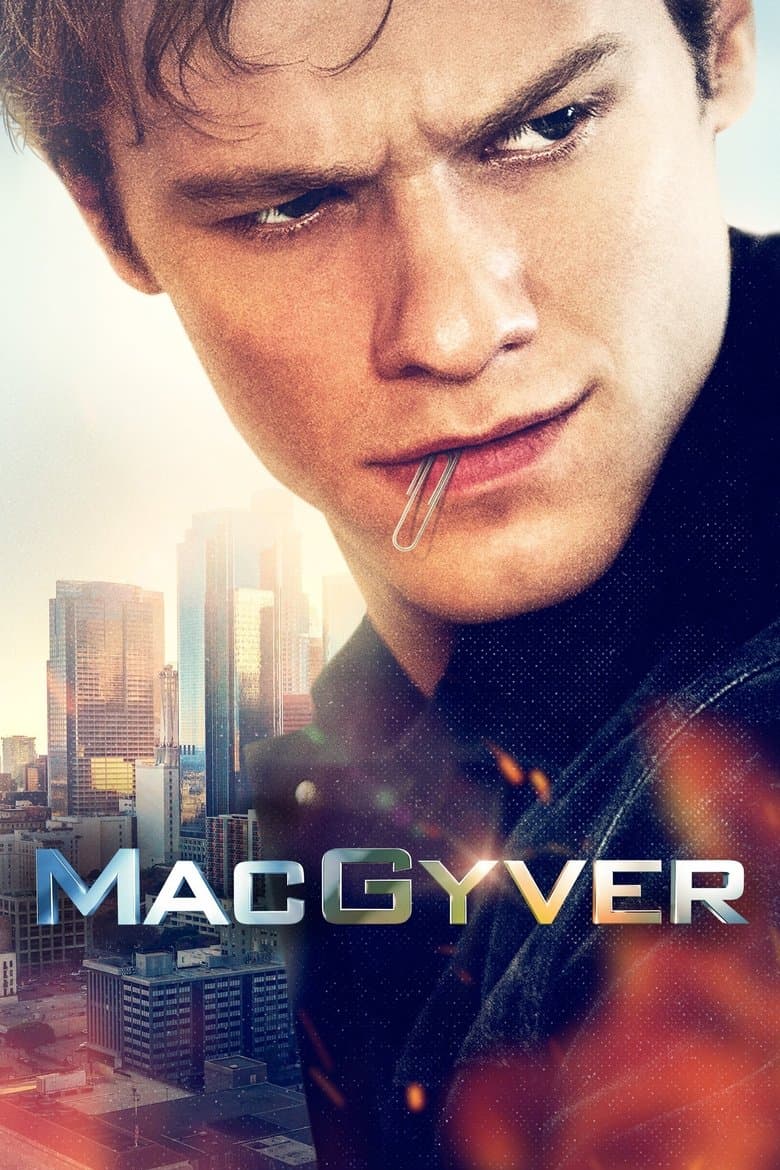
TV Show · 2016
20-something Angus MacGyver creates a clandestine organization where he uses his knack for solving problems in unconventional ways to help prevent disasters from happening.
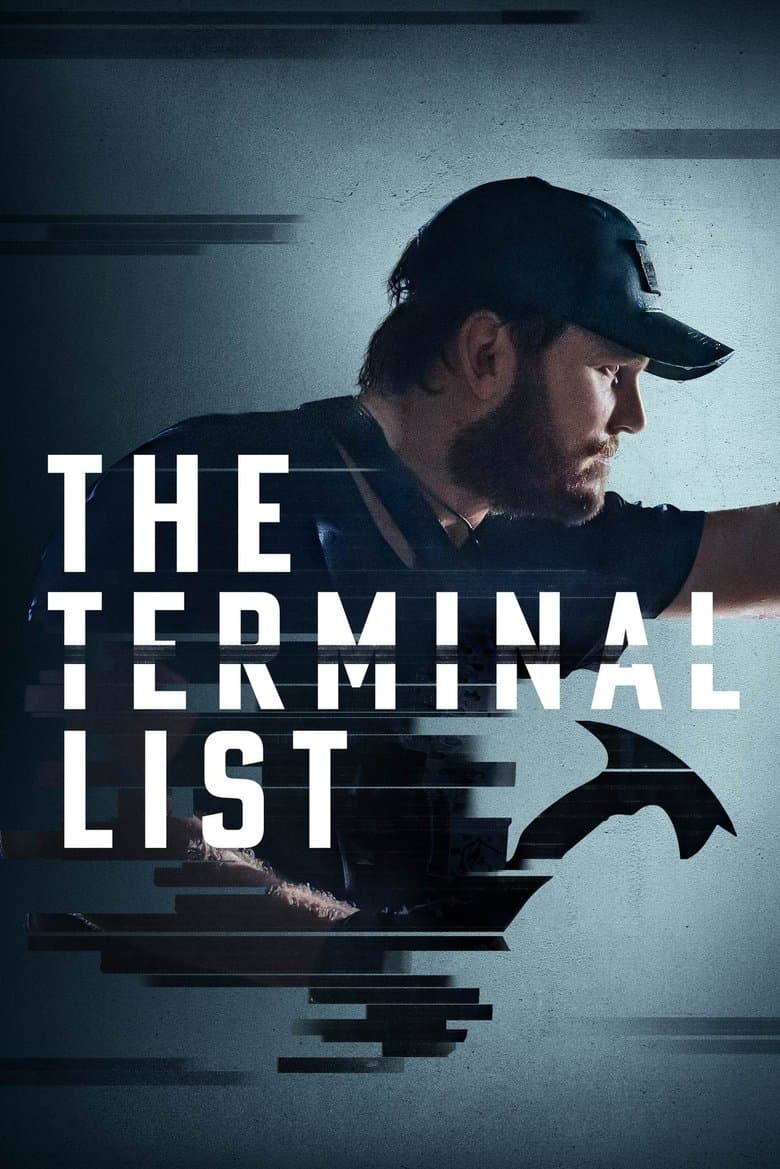
TV Show · 2022
Navy SEAL Commander James Reece turns to vengeance as he investigates the mysterious forces behind the murder of his entire platoon.
