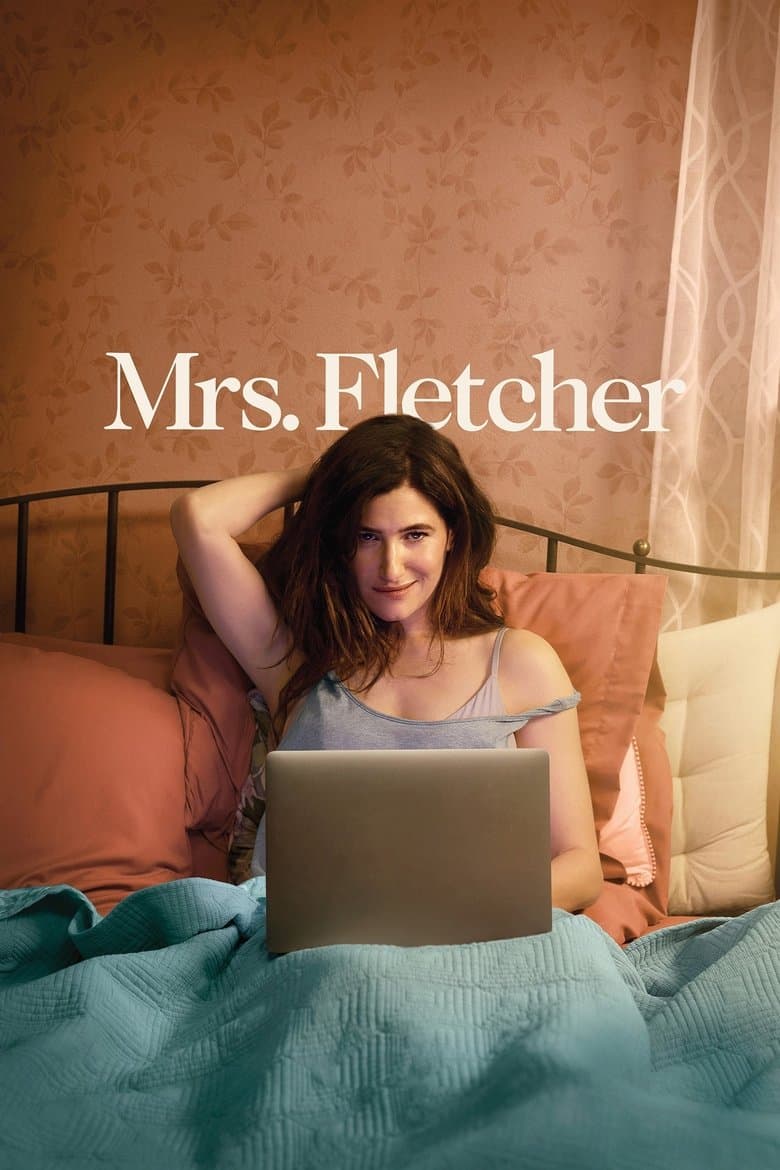
Started October 27, 2019 · Ended · Based on 1 season, 7 episodes through December 8, 2019 · TV-MA · 30 min
Mrs. Fletcher follows Eve Fletcher, a divorced mother in a small New York town. Her only son, Brendan, leaves for college, and Eve must learn how to live without caring for him every day. She takes a writing class, watches online porn, and tests new relationships while Brendan loses his old status at school. The show is a quiet, awkward comedy drama about sex, loneliness, family, and growing up.
The show makes female sexual freedom a main part of Eve's story, and it treats her desire as real even when her choices are messy. Brendan's porn-shaped view of women, casual cruelty, and trouble with consent form a repeated lesson about male entitlement. The season also follows Margo, a transgender writing teacher, and shows a gay roommate, a black student who talks about social justice, and a campus body-positivity event. These parts make gender, sexuality, and modern relationship rules easy to notice, but the show stays focused on personal mistakes instead of a broad political campaign.
Community feedback
Was our 60% Woke rating accurate?
Breakdown
These are the editorial factors and ratings behind our score for Mrs. Fletcher.
Woke representation / casting
Most main characters are white, which fits a modern New York town and college. The show gives visible supporting roles to Margo, a transgender writing teacher, and to black students Chloe and Curtis. Jen Richards, who plays Margo, also spoke at the premiere about the need for more trans representation. The setting makes the casting plausible, so the score stays low.
18%
Woke political dialogue
Brendan meets campus talk about sexual identity, consent, and the #MeToo movement after leaving high school. Chloe speaks openly from a social-justice viewpoint, and a body-positivity event gives the season another direct social message. Margo's class and dating story include open talk about being trans and how men respond to her. These talks recur across the season, but they support the personal stories instead of becoming long political debates.
44%
Identity-driven story themes
Eve's sexual freedom and her struggle to separate being a mother from being a woman run through most episodes. Brendan must face his porn-shaped view of women, male entitlement, and the harm caused by his behavior. Margo's dating story centers on life as a trans woman, while Zach's coming out and Eve's kiss with Amanda add queer content. These issues shape the main plot and several continuing side stories.
58%
Western institutional / cultural critique
The show links Brendan's old popularity to male entitlement, porn-based ideas about sex, and poor treatment of women. College women and consent talks push him to question the rules that worked for him in high school. Eve also rejects the idea that a divorced middle-aged mother should live only for her child. The season mainly criticizes gender roles and sexual behavior, with little focus on government, religion, capitalism, or other Western institutions.
42%
Woke character or canon changes
Not relevant. The show adapts Tom Perrotta's own novel and has no established franchise characters or historical figures whose identities are changed.
0%
Anti-woke backlash and complaints
A small Substack review called the show “Revenge Porn for Woke People” and objected to its treatment of toxic masculinity and Margo's trans story. A Reddit episode discussion complained that Brendan seemed to be learning to be woke from a smart young woman. No major boycott, news fight, or broad right-leaning campaign appeared. The backlash evidence is limited and fringe.
15%
Creator track record context
Tom Perrotta has a 38/100 creator score for work about feminism, sexual autonomy, and #MeToo-era power dynamics. The directors include Carrie Brownstein at 65/100, Liesl Tommy at 80/100, Gillian Robespierre at 48/100, and Nicole Holofcener at 32/100. Writers Jeremy Beiler and Elle McLeland are at 52/100 and 55/100, while several other listed writers and producers have low scores. This is a mixed team with a clear feminist and queer-aware pattern, but it is not uniformly activist.
45%
Production

TV Show · 2019
A paragliding mishap drops a South Korean heiress in North Korea -- and into the life of an army officer, who decides he will help her hide.
TV Show · 2019
Tony had a perfect life. But after his wife Lisa suddenly dies, Tony changes. After contemplating taking his own life, he decides instead to live long enough to punish the world…
TV Show · 2019
Burned out on life, Miles undergoes a strange procedure at a strip mall spa -- and wakes to find he's been replaced by a better version of himself.
TV Show · 2016
In his funky California beach enclave, Chip's the go-to guy for personal insights. But he isn't quite as enlightened when it comes to his own baggage.

TV Show · 2023
A disgraced cop in debt is forced to return to his home state of Florida for a shady mission only to get swept up in a wild — and deadly — treasure hunt.

TV Show · 2026
The mayor of a New England town resolves to turn it into the next tourist hot spot, despite local warnings that it's cursed.
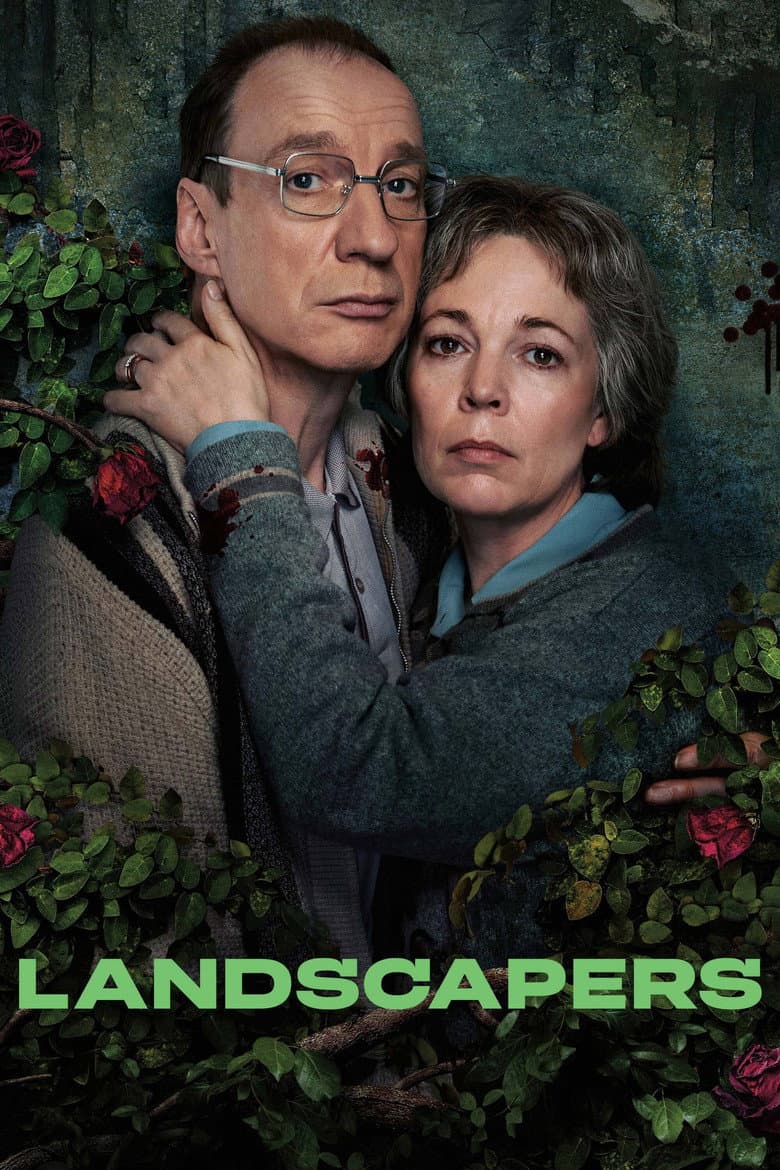
TV Show · 2021
A seemingly ordinary British couple become the focus of an extraordinary investigation when two dead bodies are discovered in the back garden of a house in Nottingham.

TV Show · 2019
To win back his ex-girlfriend, a nerdy teen starts selling ecstasy online out of his bedroom -- and becomes one of Europe's biggest dealers.
