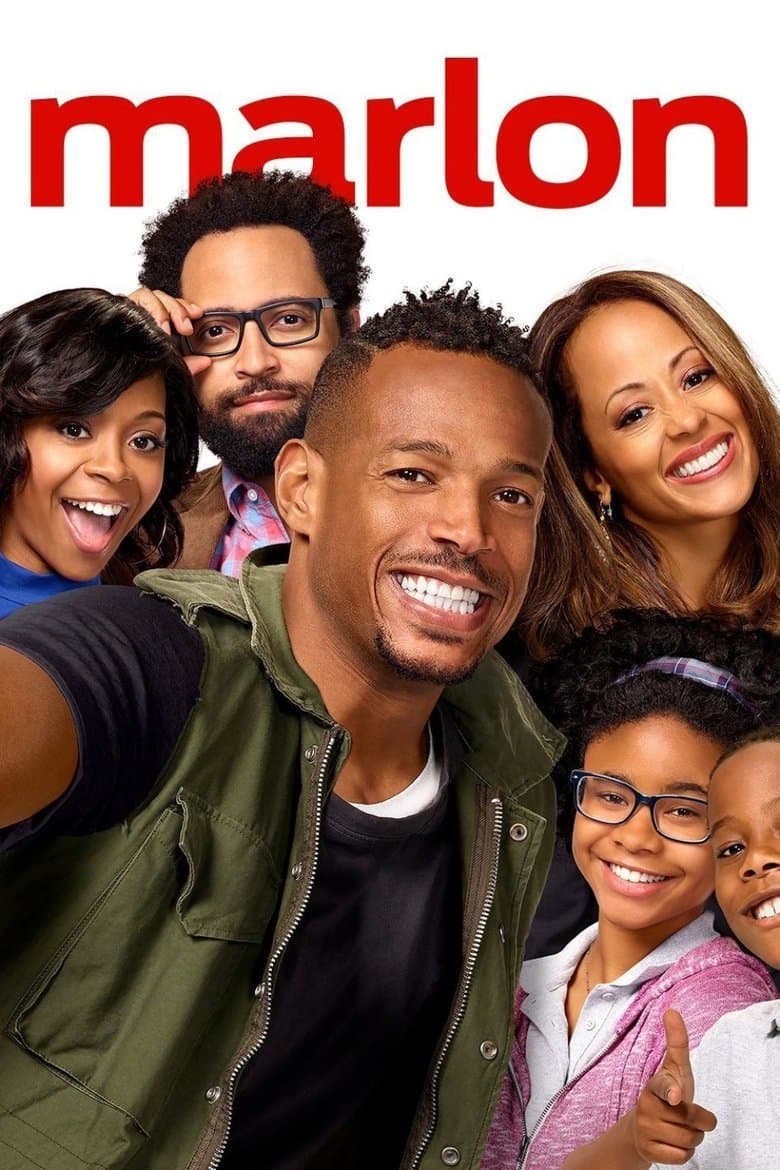
Started August 16, 2017 · Canceled · Based on 2 seasons, 20 episodes through July 12, 2018 · TV-PG · 22 min
Marlon follows Marlon Wayne, a loud and immature internet star who shares two children with Ashley, his calm and capable ex-wife. The divorced couple lives near each other and keeps working together as parents even though Marlon often ignores limits. Their children Marley and Zack, plus friends Yvette and Stevie, get pulled into his plans and mistakes. The show uses a bright sitcom style with jokes about dating, sex, money, school, friendship, and family life.
Most of the show centers on family, divorce, and the idea that parents can stay close after a breakup. Ashley often acts as the steady adult while Marlon learns to put his children ahead of his pride, dating life, and need for attention. Season two adds a clear race and politics thread in “Model Parent,” where a black child is placed in a racist ad, and in “Wingman,” where Dr. Ben Carson is used as a joke about black conservatives. The show treats Martin Luther King as a hero and presents rejecting the ad and the word “sellout” as the right choice, while other episodes return to dating, honesty, school, and growing up.
Community feedback
Was our 53% Woke rating accurate?
Breakdown
These are the editorial factors and ratings behind our score for Marlon.
Woke representation / casting
The main cast is almost entirely Black, including the family, close friends, and most recurring adults. The show was also presented as a new kind of black TV family in creator coverage. The modern setting makes the cast believable, but the strong identity pattern is clear across the lead roles.
34%
Woke political dialogue
“Model Parent” uses direct talk about racism, black identity, and the choice between being a hero or a sellout. The episode names Martin Luther King, Ben Carson, Omarosa Manigault, and Stacey Dash while praising one side of that comparison. “Wingman” uses another joke about Ben Carson. This political talk is strong in the season-two premiere but does not fill most episodes.
42%
Identity-driven story themes
“Model Parent” makes black identity central to a story about a racist advertising message. The family explains why the word “monkey” has been used to degrade black people. The show then links refusing the ad with moral pride and links conservative Black figures with selling out. Most other episodes focus on divorce, dating, parenting, and friendship.
37%
Western institutional / cultural critique
“Model Parent” portrays a white-led advertising company as too ignorant to understand why its campaign is racist. The company changes course only after pressure from Marlon and his online followers. This creates a modern critique of corporate racial ignorance. The idea is concentrated in one story, and most episodes do not attack Western institutions or traditional culture.
32%
Woke character or canon changes
Not relevant. Marlon is an original sitcom about a fictional family. The show does not adapt established characters, a known franchise, or real historical events.
0%
Anti-woke backlash and complaints
NewsBusters said the show treated Black conservatives such as Ben Carson, Omarosa Manigault, and Stacey Dash as sellouts. The report called the message unfair and objected to the idea that black people must follow one political side. The X research pass found no anti-woke posts. The complaint evidence is real but limited.
36%
Creator track record context
Most of the cached creator and director profiles point to mainstream comedy without a strong activist record. Marlon Wayans has a mild to moderate identity-related context because of public LGBTQ support, but he is mainly known for comedy. Producers Teri Schaffer and Raynelle Swilling have stronger black representation work in their past credits. The mixed record supports a mild to moderate context score.
33%
Production
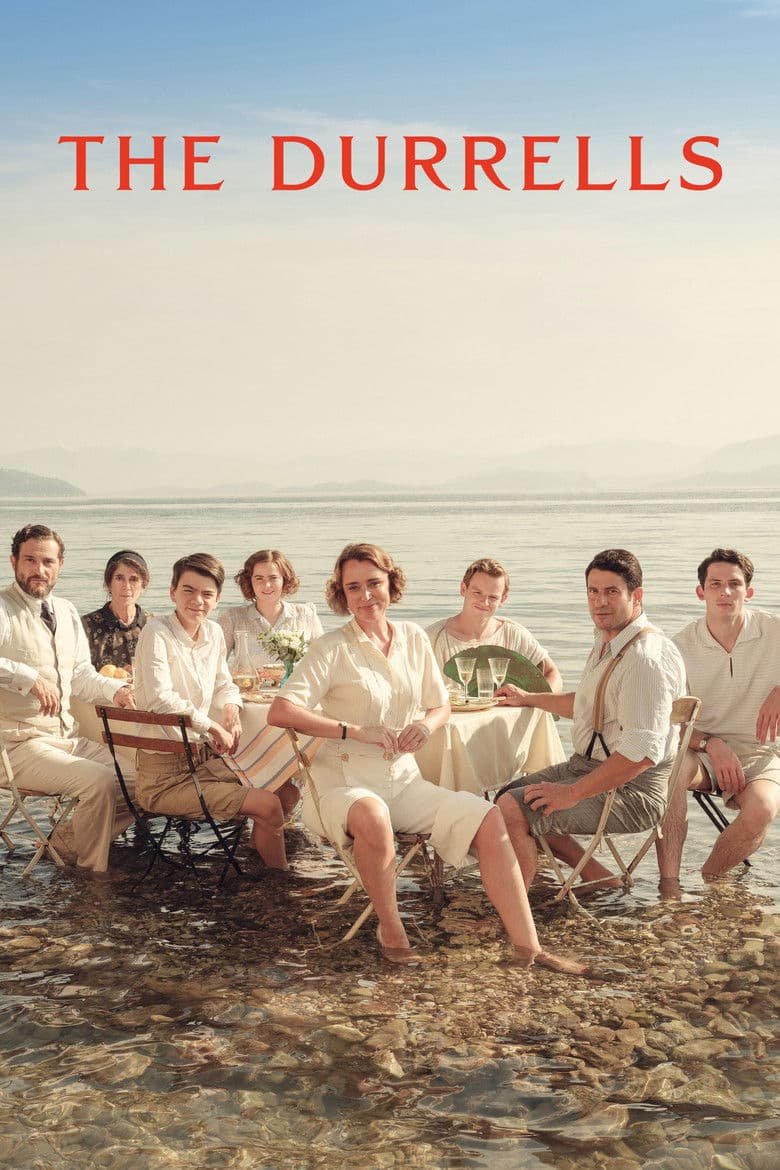
TV Show · 2016
In 1935, financially strapped widow Louisa Durrell, whose life has fallen apart, decides to move from England, with her four children (three sons, one daughter), to the island of…
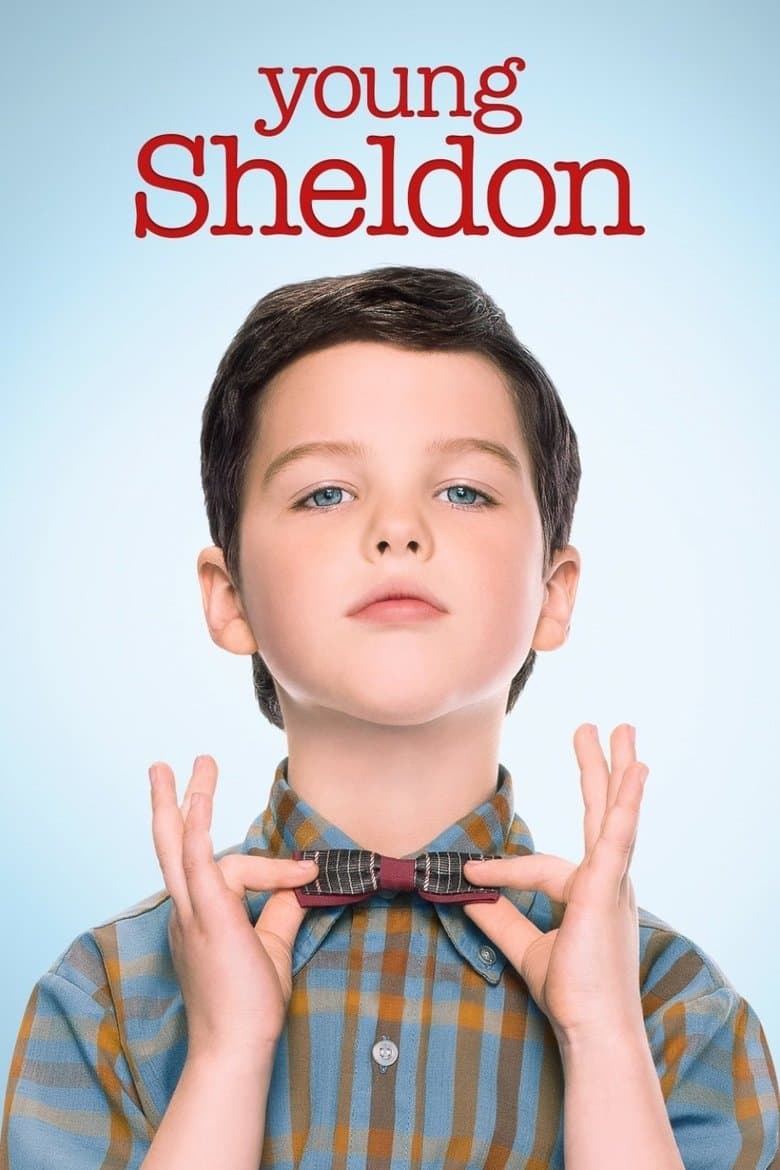
TV Show · 2017
The early life of child genius Sheldon Cooper, later seen in The Big Bang Theory.
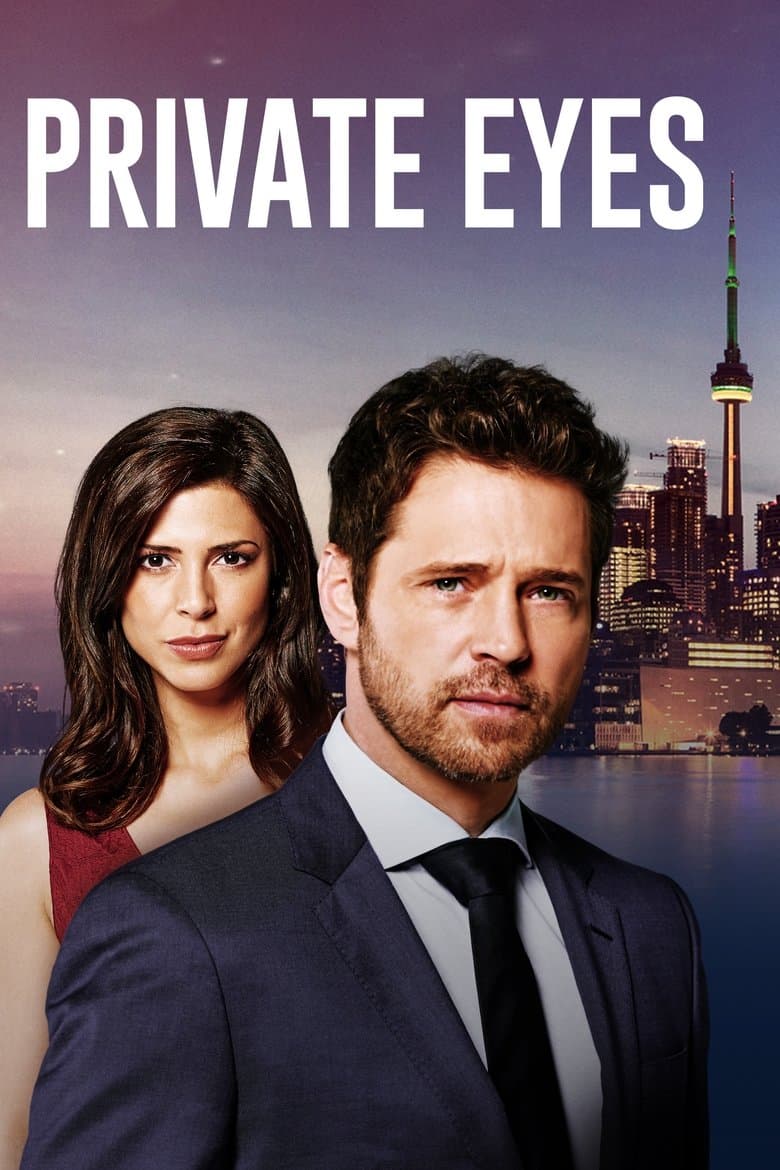
TV Show · 2016
Ex-pro hockey player Matt Shade irrevocably changes his life when he teams up with fierce P.I. Angie Everett to form an unlikely investigative powerhouse.
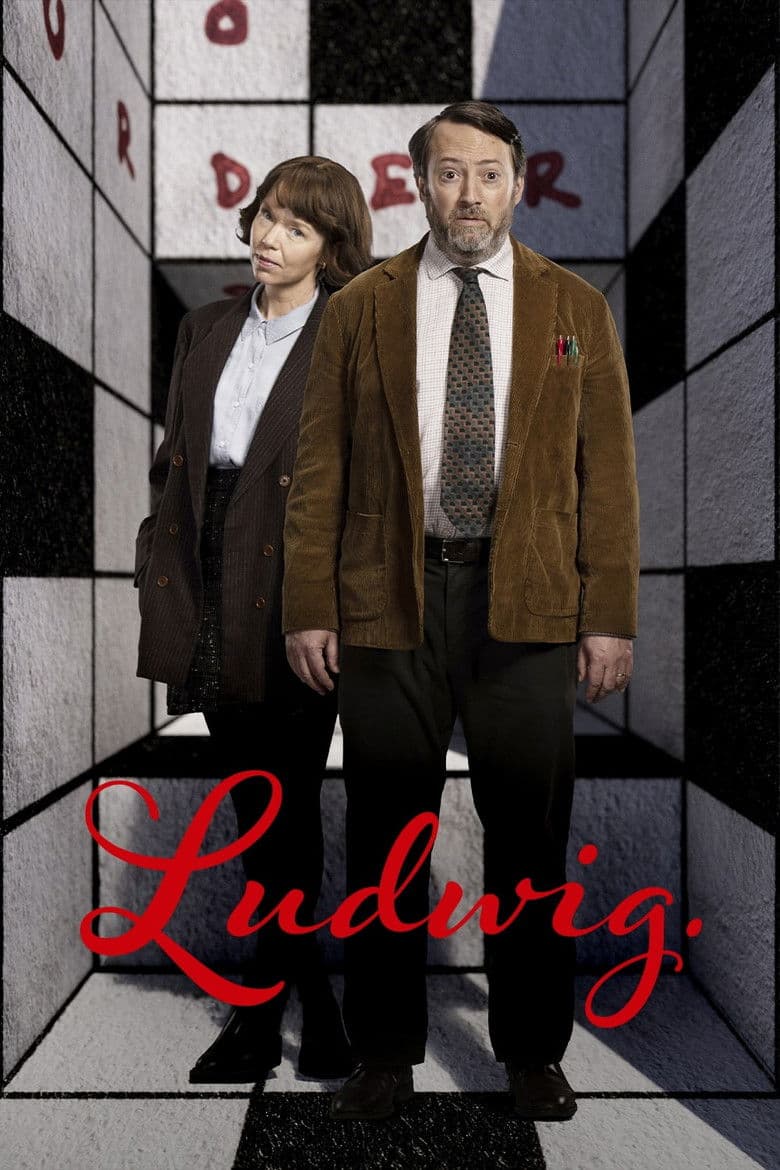
TV Show · 2024
John Taylor lives in quiet solitude, designing puzzles for a living, under the nom-de-plume of 'Ludwig'. When his identical twin, James, disappears off the face of the earth, John…
