Started January 25, 2019 · Ended · Based on 2 seasons, 12 episodes through March 13, 2020 · TV-MA · Korean
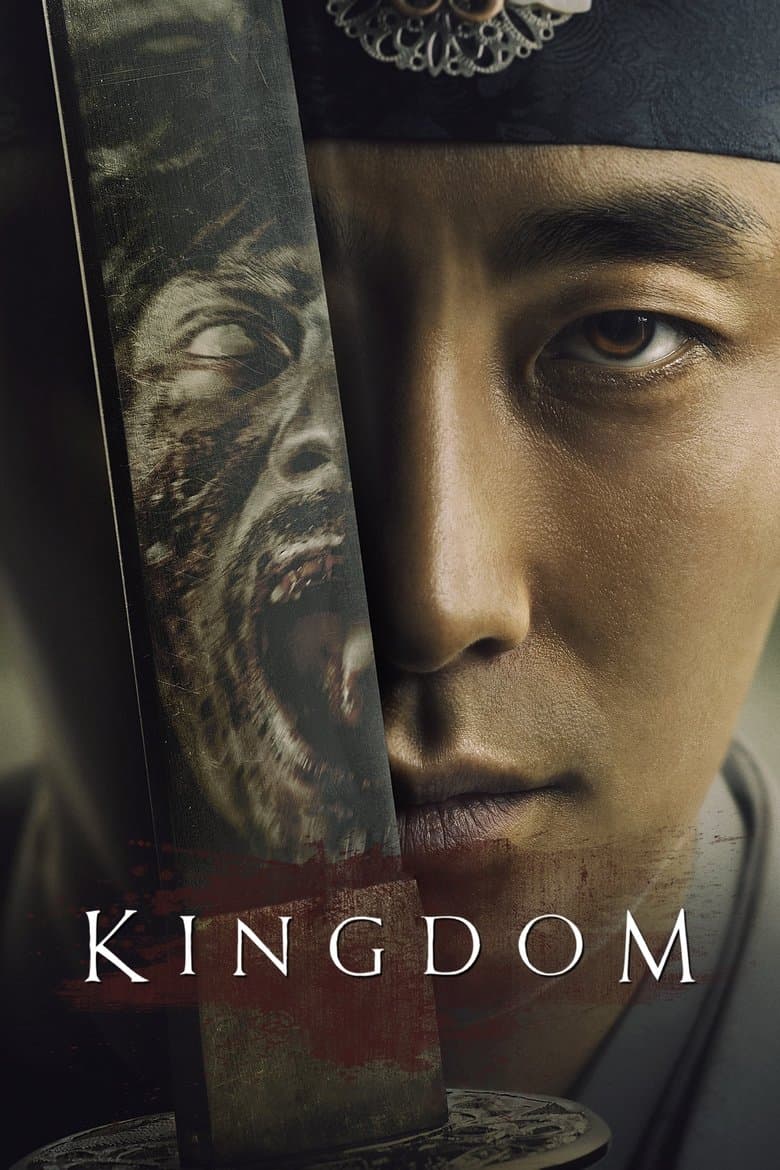
Kingdom follows Crown Prince Lee Chang after rumors spread that his father, the king, has died. Chang leaves the palace with his guard and joins physician Seo-bi while a sickness turns starving people into fast, flesh-eating monsters. The Queen and her family use the plague to protect their hold on the throne, while Chang tries to save towns and prove that he is not a traitor. The story moves from villages to the capital and mixes court mystery, war, gore, and survival horror.
The show makes hunger and class division central to the plague. Poor families lose food while powerful officials hide the danger and protect their own position. Chang grows from a self-protective prince into a leader who risks his claim to the throne for ordinary people, and Seo-bi uses medical knowledge to study the disease and save lives. These themes give the series a clear message about corrupt power and duty, but the story does not center race, sexuality, modern gender politics, or diversity campaigns. Its strongest social ideas stay inside a Joseon-era struggle over food, rank, and political power.
Community feedback
Was our 32% Woke rating accurate?
Breakdown
These are the editorial factors and ratings behind our score for Kingdom.
Woke representation / casting
Not present. The cast is Korean in a Korean Joseon setting. Seo-bi and the Queen hold important roles, but the show uses them for the plot rather than for a diversity message.
0%
Woke political dialogue
Characters blame the ruling clan for taking food from commoners and hiding the plague. Chang tells leaders to listen to the people and protect ordinary lives. These lines recur across the two seasons and make class anger easy to notice. The show ties them to a Joseon famine and court struggle, not to modern identity or DEI politics.
26%
Identity-driven story themes
Famine and class division drive the plague and return throughout both seasons. The poor lose food while powerful families protect their rank and their claim to rule. Chang learns that a ruler must serve ordinary people, and Seo-bi’s medical work gives that idea a human face. The message is clear and social, but it does not center race, sexuality, or modern gender activism.
34%
Western institutional / cultural critique
Not present. The show attacks corrupt Joseon rulers, but that criticism stays inside the historical plague plot. It does not target modern Western culture, family roles, masculinity, or Christianity.
0%
Woke character or canon changes
Not relevant. The show adapts a fictional webtoon story set in Joseon. No identity-based change to an established character or real historical figure drives either season.
0%
Anti-woke backlash and complaints
Not present. Fan and news discussion centers on zombies, gore, pacing, acting, and the political plot. No clear anti-woke, anti-DEI, or identity-politics complaint was found in the reviewed coverage.
0%
Creator track record context
Kim Eun-hee often writes about corruption, inequality, abuse, and people hurt by powerful groups. Her Kingdom interviews connect the story to hunger, politics, and the duty of leaders. The stored director summaries also link Kim Seong-hun and Park In-je to failed institutions and power, while the producers have little public activist profile. This gives the show a moderate social-critique context without a strong identity-politics persona.
42%
Production
TV Show · 2022
Lucy wakes every night at exactly 3:33am. Nothing in her life has made sense for a long time. But the answers are out there, somewhere, at the end of a trail of brutal murders.
TV Show · 2022
Identical twins Leni and Gina have secretly switched places for years. But when one sister disappears, both of their lives start to fall apart.
TV Show · 2019
A Philadelphia couple are in mourning after an unspeakable tragedy creates a rift in their marriage and opens the door for a mysterious force to enter their home.
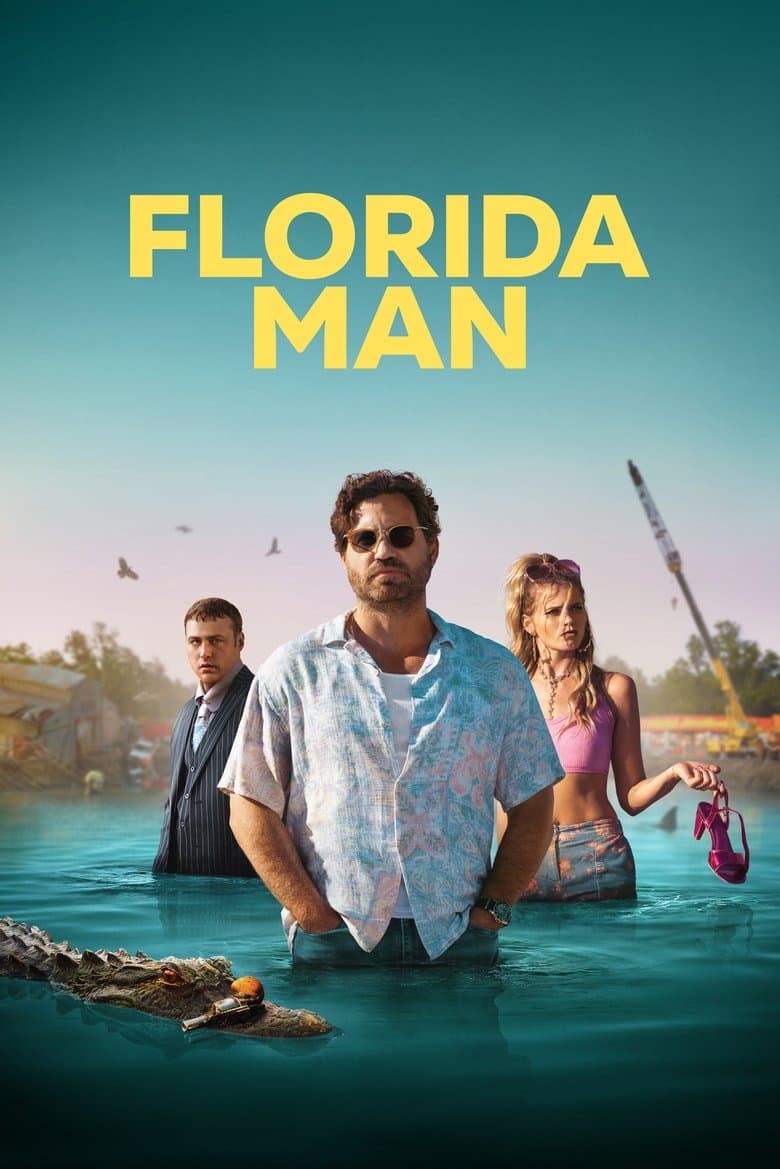
TV Show · 2023
A disgraced cop in debt is forced to return to his home state of Florida for a shady mission only to get swept up in a wild — and deadly — treasure hunt.
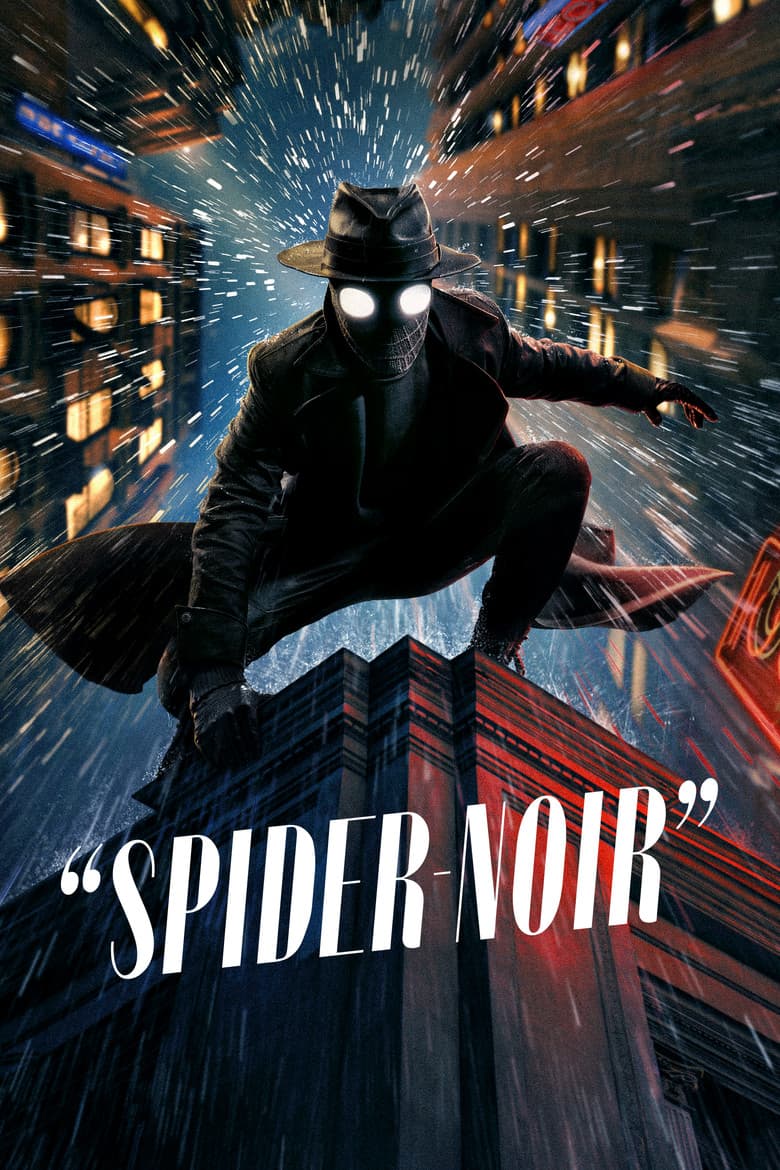
TV Show · 2026
Ben Reilly, an aging and down on his luck private investigator in 1930s New York, is forced to grapple with his past life as the city's one and only superhero.
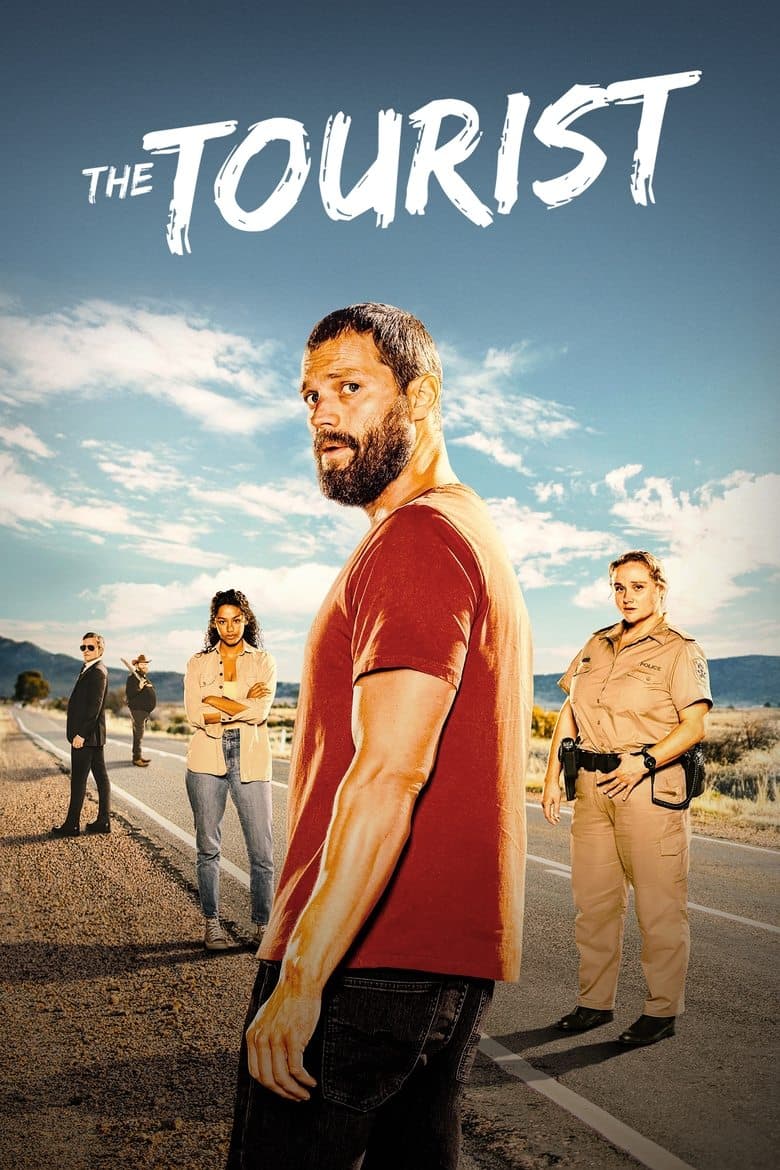
TV Show · 2022
When a man wakes up in the Australian outback with no memory, he must use the few clues he has to discover his identity before his past catches up with him.
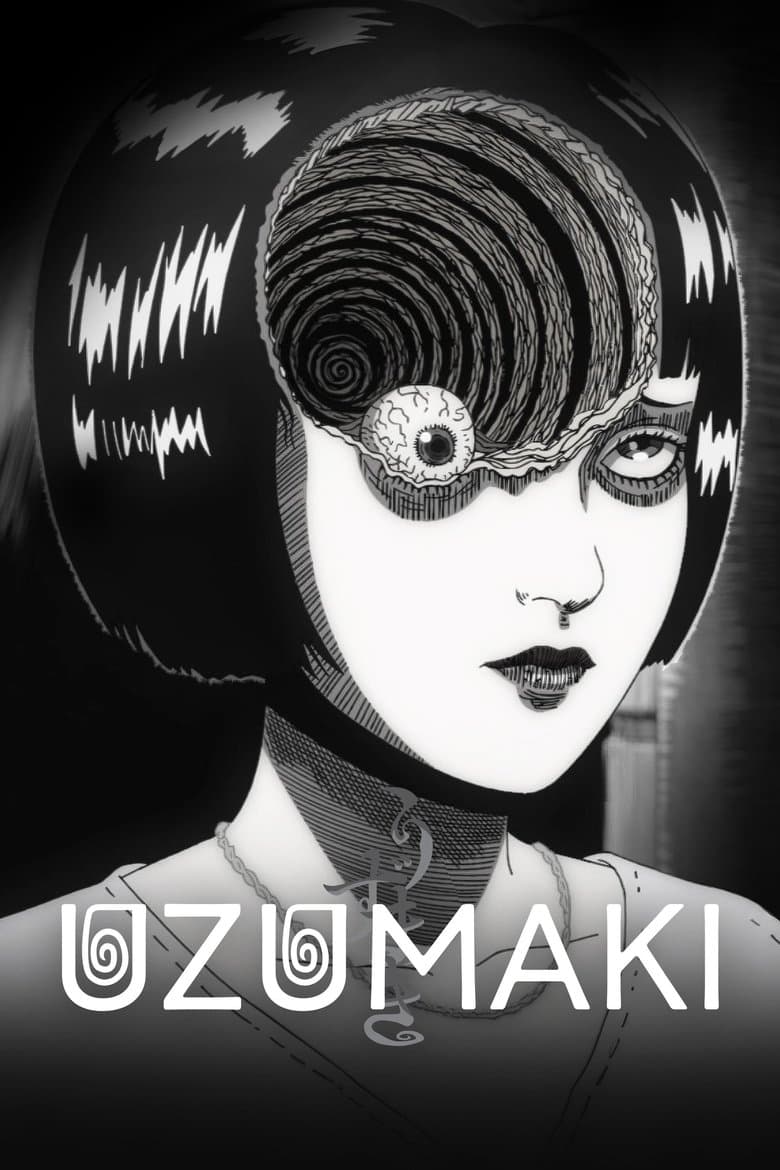
TV Show · 2024
Kirie tries to escape from her town Kurouzu-cho, where the residents get obsessed with spirals due to an unexplained curse.
TV Show · 2023
A mysterious woman's escape from her harrowing captivity points investigators toward the dark truth behind an unsolved disappearance 13 years earlier.
