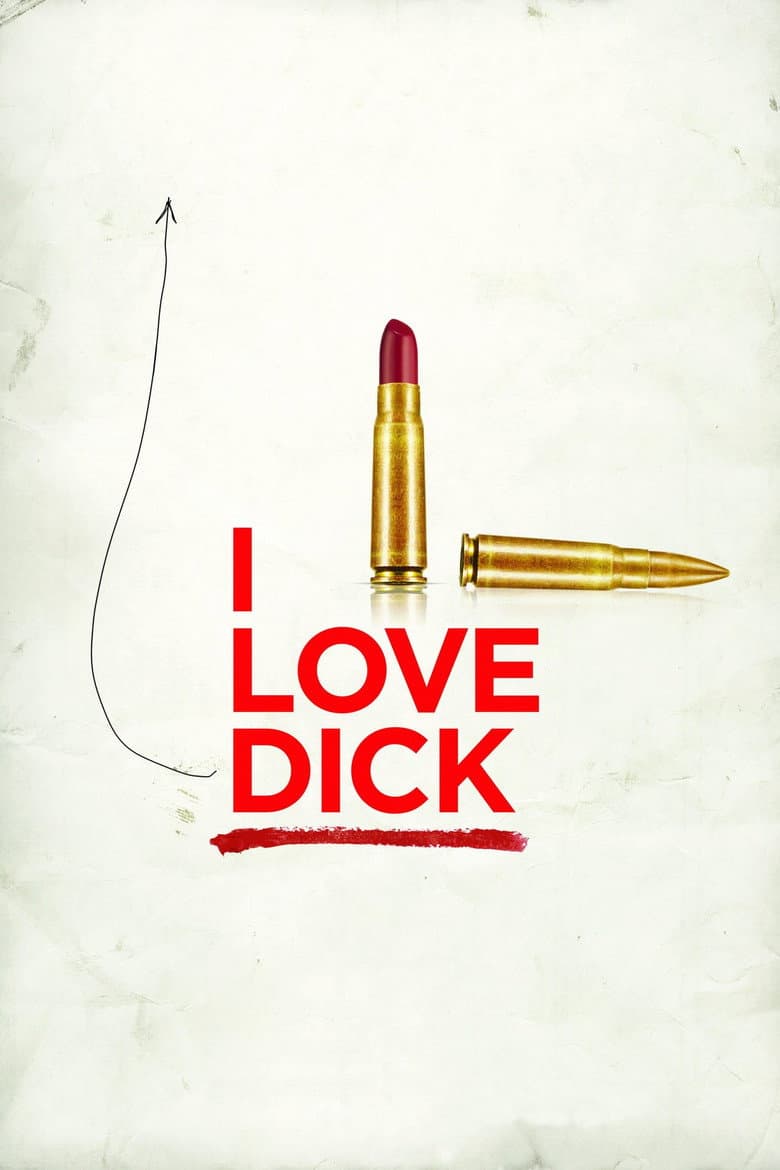
Started August 19, 2016 · Canceled · Based on 1 season, 8 episodes through May 12, 2017 · TV-MA · 25 min
Chris is a struggling filmmaker who moves from New York to Marfa, Texas, with her husband, Sylvere. She becomes obsessed with Dick, a proud artist who runs the local institute, after he insults her work. Chris and Sylvere turn her desire into letters, games, and a risky plan that slowly damages their marriage. The show mixes sex, awkward comedy, art talk, and desert drama while shifting between several points of view.
The season strongly centers female desire and women finding a voice in an art world led by men. Chris’s letters become a public art project, while Devon, Toby, and Paula follow their own paths through queer love, gender questions, and women’s art. The show often asks who gets to look, who gets called an artist, and whose view is treated as normal. It also presents male power, male entitlement, and the old male gaze as problems that women should challenge.
Community feedback
Was our 91% Woke rating accurate?
Breakdown
These are the editorial factors and ratings behind our score for I Love Dick.
Woke representation / casting
The show gives major supporting roles to Devon, a genderqueer Latinx artist, Paula, a black curator, and Toby, a queer young scholar. These characters are not background figures because their art, romance, and conflicts run through much of the season. The creators also said they added these roles to show how race, gender, class, and desire meet. The pattern is clearly identity-framed, even though the main married couple and Dick are white.
65%
Woke political dialogue
The show repeatedly uses lines about the female gaze, women being judged by male art standards, and the limits placed on women artists. Chris argues with Dick after he dismisses films made by women. Toby and Devon debate privilege, sex work, pornography, and whether art can be subversive. The dialogue is woven into the love story and art talk, but it is not a constant political speech.
58%
Identity-driven story themes
The season makes female desire and female artistic power its main subject. Chris turns sexual obsession into writing and then into public art, while the women around her develop their own work and desires. Devon and Toby bring a recurring queer and genderqueer relationship into the main plot. Episode five gives several women long stories about sexual awakening and the way male ideas shape their lives. These themes guide the season from the first episode to the finale.
82%
Western institutional / cultural critique
The show presents the art world and academic institute as places where male status decides whose work matters. Dick talks down to Chris, and Sylvere often treats younger women as objects of study until they push back. Paula challenges Dick’s collection by putting more work by women of color in front of the public. The story treats the male gaze, male entitlement, and old gender roles as problems that women should resist. The show also mocks the privilege and self-importance of its art crowd.
63%
Woke character or canon changes
The adaptation adds Devon as a genderqueer Latinx artist, Toby as a queer scholar, and Paula as a black curator. Those additions make identity and representation more visible than in the central couple’s original setup. The adaptation also changes Dick from a media critic into an artist and institute head. The main three characters keep their basic identities, so the change is significant but limited.
42%
Anti-woke backlash and complaints
NewsBusters attacked the show as liberal feminist entertainment and objected to its gender-fluid character, queer sex scenes, abortion references, and questioning of traditional monogamy. The article also attacked episode five for its stories about childhood sexual feelings. The criticism clearly treated the show’s identity and feminist ideas as part of the problem. The complaint came from a conservative outlet and appears limited, so there is no sign of a large anti-woke campaign.
28%
Creator track record context
The strongest stored creator signal comes from Joey Soloway, whose cached score is 88 and whose work centers queer and gender themes. Roberta Colindrez is cached at 78, Kevin Bacon at 69, Andrea Sperling at 79, Dara Resnik at 73, and several directors and writers also have representation-focused records. The creators publicly described the show as an intersectional feminist project with women, queer people, and nonbinary characters. Griffin Dunne and Kathryn Hahn have much lower cached scores, so the context is strong but not uniform.
76%
Production
TV Show · 2023
The lives of a realtor, a plumber and a former tennis star unexpectedly collide, exposing America’s obsession with true crime, murder and the slow-close toilet seat.
TV Show · 2020
New passions. New fashions. New Emily? A plucky American marketing whiz spreads her wings in life and love after landing her dream job in Paris.
TV Show · 2018
A hit man from the Midwest moves to Los Angeles and gets caught up in the city's theatre arts scene.
TV Show · 2016
Rebellious Mickey and good-natured Gus navigate the thrills and agonies of modern relationships.
TV Show · 2019
A group of working-class friends finding unconventional ways to win at life in suburban northern England. These lads have dealt, scammed, bribed and conned their way through…

TV Show · 2019
A paragliding mishap drops a South Korean heiress in North Korea -- and into the life of an army officer, who decides he will help her hide.
TV Show · 2019
Tony had a perfect life. But after his wife Lisa suddenly dies, Tony changes. After contemplating taking his own life, he decides instead to live long enough to punish the world…
TV Show · 2020
The heartwarming and humorous adventures of a young country vet in the Yorkshire Dales in the 1930s. A remake of the 1978 series.
