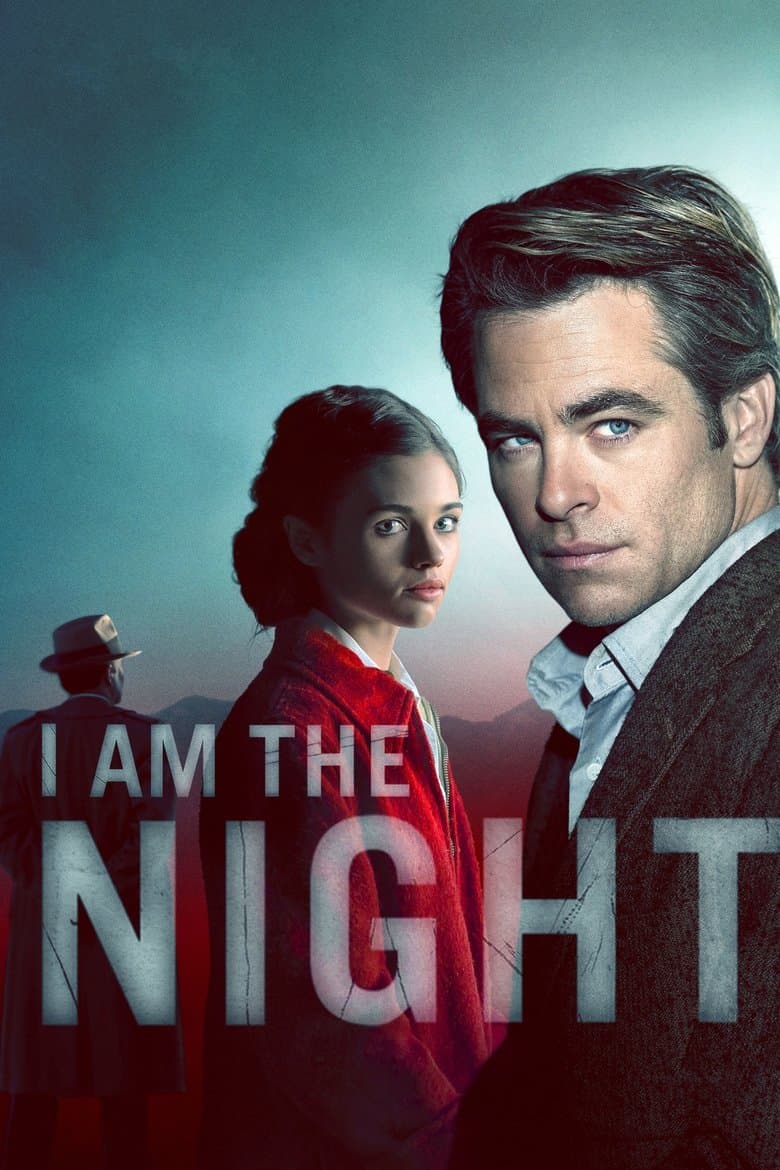
Started January 28, 2019 · Ended · Based on 1 season, 6 episodes through March 4, 2019 · TV-MA · 50 min
Fauna Hodel is a sixteen-year-old girl who lives with her adoptive Black mother in Nevada in 1965. After finding a birth record, Fauna learns that her name, family, and race may not be what she believed. She travels to Los Angeles and meets her rich grandfather, Dr. George Hodel, who may be tied to the Black Dahlia murder. A damaged reporter, Jay Singletary, follows the same trail while the show builds a dark, slow crime mystery.
The show makes race and personal identity part of Fauna’s main problem, not a side detail. She is light-skinned and has been raised to see herself as biracial, so her search brings repeated scenes about being mistaken for white, prejudice, family lies, and where she belongs. The story also shows police protection of powerful men, the abuse of women, and the 1965 Watts riots. These ideas recur through the six episodes, but the plot remains focused on one family’s crimes and Fauna’s fight to survive rather than a broad present-day political message.
Community feedback
Was our 42% Woke rating accurate?
Breakdown
These are the editorial factors and ratings behind our score for I Am the Night.
Woke representation / casting
Not present. Fauna’s race and family background drive the story, but they match the real family history and the period plot. The series does not show a diversity-first group or an identity-based casting message.
0%
Woke political dialogue
The series includes period dialogue about black people being harassed by white police and treated as outsiders. The Watts riots bring racial anger into the final episode. Jay says he can understand the choice to burn one’s own neighborhood. The show does not build a long present-day political speech around these events.
18%
Identity-driven story themes
Fauna’s search for her birth family and her place between Black and white worlds drives all six episodes. She learns that people around her treated her identity as a secret and lied to her about her family. The story ties race and belonging to abuse, prejudice, and fear inside the Hodel family. Fauna’s final stand lets her choose who she will be instead of accepting her grandfather’s legacy.
48%
Western institutional / cultural critique
The show repeatedly portrays wealthy men and police officials as protecting George Hodel while women suffer abuse and murder. Its art-world scenes link claims of male genius with misogyny and control over women. The story treats male power and entitlement as part of the danger in George’s family. Most of this remains period crime drama about one corrupt man, so the wider critique stays limited.
31%
Woke character or canon changes
Not relevant. The series changes details from Fauna Hodel’s memoir and adds fictional reporter Jay Singletary. These changes serve the mystery and are not identity-driven.
0%
Anti-woke backlash and complaints
Not present. Available reviews and posts discuss pacing, violence, true-crime changes, race, and the finale. No clear anti-woke or right-leaning complaint says the show pushes DEI or identity politics.
0%
Creator track record context
Patty Jenkins has a strong women-focused track record, and Victoria Mahoney has called for more access for marginalized storytellers. Monica Beletsky supports more women and people of color as lead characters. Sam Sheridan has some identity-focused work, while the other cached names show weaker or more conventional political signals. The combined context is moderate and supports the show’s identity themes, but it does not by itself make the series activist.
42%
Production
TV Show · 2021
A detective in a small Pennsylvania town investigates a local murder while trying to keep her life from falling apart.
TV Show · 2020
When an insidious supernatural force edges its way into a seemingly straightforward investigation into the gruesome murder of a young boy, it leads a seasoned cop and an…
TV Show · 2026
Wrongfully imprisoned for murdering his own son, a father sets out on a desperate rescue mission after learning the boy may still be alive.
TV Show · 2020
Grace and Jonathan Fraser are living the only lives they ever wanted. Overnight a chasm opens in their lives: a violent death and a chain of terrible revelations.
TV Show · 2020
A family's lives are irreparably disrupted when the 14-year-old son is accused of murdering a fellow classmate.
TV Show · 2022
Lucy wakes every night at exactly 3:33am. Nothing in her life has made sense for a long time. But the answers are out there, somewhere, at the end of a trail of brutal murders.
TV Show · 2017
A war veteran turned private detective operates out of a tiny office in London’s Denmark Street. Although wounded both physically and psychologically, his unique insight and…
TV Show · 2023
A mysterious woman's escape from her harrowing captivity points investigators toward the dark truth behind an unsolved disappearance 13 years earlier.
