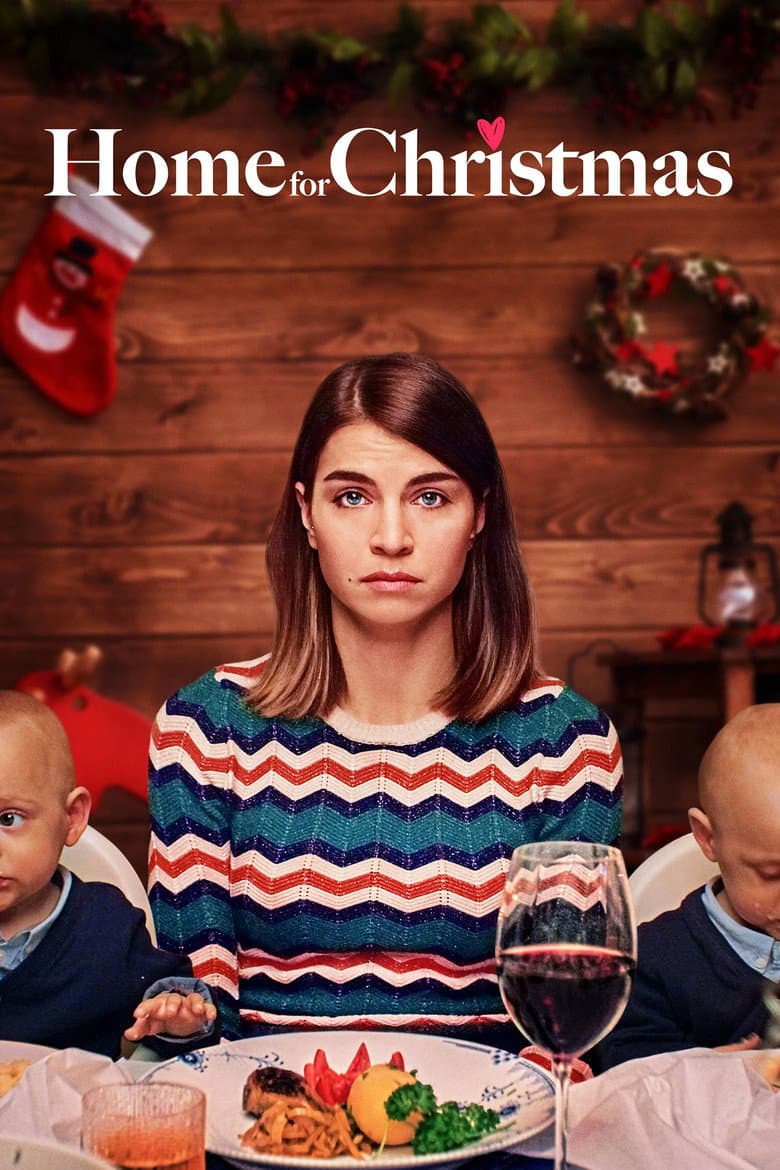
Started December 5, 2019 · Ended · Based on 3 seasons, 20 episodes through December 12, 2025 · TV-MA · Norwegian
Home for Christmas follows Johanne, a nurse in her thirties who lives in Norway and keeps facing questions about why she is single. After she lies that she has a boyfriend, she spends the Christmas season dating several men and trying to bring someone home to her family. The show moves between a snowy small town, a hospital, family homes, and life in Oslo. It uses awkward jokes, romance, sex, sadness, and warm family drama.
The main woke element is the show’s repeated challenge to the idea that a woman must find a partner, marry, and have children to have a full life. Johanne wants love, but the story also says she should choose her own path and not depend on a man. Season 3 makes her choice not to have children part of her breakup with Jonas, while work pressure and the family duties her sister carries add more gender-role themes. A brief sexual encounter with a female coworker adds LGBTQ+ content, but queer identity is not the main story.
Community feedback
Was our 46% Woke rating accurate?
Breakdown
These are the editorial factors and ratings behind our score for Home for Christmas.
Woke representation / casting
The show has a mostly Norwegian and white cast. Johanne’s close circle includes black women Jørgunn and Jeanette, and season 3 adds Black love interest Adrian. These are visible supporting roles across the series. The story and marketing do not frame the casting as a diversity campaign, so the representation signal stays mild.
15%
Woke political dialogue
Family and friends repeatedly tell Johanne that she should have a partner and build a family. Season 1 gives her direct lines about hearing other people’s opinions on how she should live. Season 2 jokes about a man explaining feminism, and season 3 talks about her choice not to have children. The dialogue is woven into comedy and family scenes instead of speeches.
34%
Identity-driven story themes
The series repeatedly treats a woman’s worth as separate from her relationship status. Johanne wants love, but the story also says she should choose her own life and not depend on a man. Season 3 makes her decision not to have children part of the breakup with Jonas and centers her work, family duties, and fear of commitment. These ideas drive the romance and family plots, but the show presents them through warm comedy rather than a campaign.
46%
Western institutional / cultural critique
The family treats marriage, children, and a shared home as the normal path, and the show makes that pressure a repeated source of pain and jokes. Johanne pushes back against being treated as incomplete because she is single. Season 2 mocks a man who tries to explain feminism, while season 3 shows Maria collapsing under the daily load of family care. The show criticizes social and gender expectations, but it does not attack Christianity or Western government.
40%
Woke character or canon changes
Not relevant. The show is an original modern romance rather than a retelling of known characters or real events. No identity-based canon change is present.
0%
Anti-woke backlash and complaints
Not present. The supplied X research found no anti-woke complaints. Other coverage and audience discussion focused on romance, sex, warmth, and mixed views of season 3, not claims that the show pushes DEI or identity politics.
0%
Creator track record context
Per-Olav Sørensen has a moderate socially engaged record that includes stories about power, war, and public institutions. Anna Gutto has focused on consent, sexual violence, and gender stereotypes. Trond Kvernstrøm and Hilde Gaska have no known activist or DEI public profile. The show’s writers framed Johanne as a woman who drives her own life, which supports a mild creator track record signal.
30%
Production

TV Show · 2019
Tony had a perfect life. But after his wife Lisa suddenly dies, Tony changes. After contemplating taking his own life, he decides instead to live long enough to punish the world…
TV Show · 2021
A seemingly ordinary British couple become the focus of an extraordinary investigation when two dead bodies are discovered in the back garden of a house in Nottingham.

TV Show · 2019
To win back his ex-girlfriend, a nerdy teen starts selling ecstasy online out of his bedroom -- and becomes one of Europe's biggest dealers.

TV Show · 2016
Rebellious Mickey and good-natured Gus navigate the thrills and agonies of modern relationships.

TV Show · 2016
After being pulled into the webtoon world created by her father, a surgical resident gets entangled in a murder mystery involving the story's hero.

TV Show · 2020
New passions. New fashions. New Emily? A plucky American marketing whiz spreads her wings in life and love after landing her dream job in Paris.

TV Show · 2019
Burned out on life, Miles undergoes a strange procedure at a strip mall spa -- and wakes to find he's been replaced by a better version of himself.
TV Show · 2024
When aristocratic Eddie inherits the family estate, he discovers that it's home to an enormous weed empire — and its proprietors aren't going anywhere.
