Started September 16, 2016 · Ended · Based on 4 seasons, 34 episodes through April 3, 2020 · TV-MA · 30 min
High Maintenance follows The Guy, a quiet marijuana deliveryman who rides through Brooklyn on a bike. He visits many customers, but each episode mainly follows the people he meets and the private trouble they carry. His work connects lonely, stressed, and unpredictable New Yorkers to his own uncertain life. The tone is funny, awkward, warm, and sometimes sad, with small twists instead of one long plot.
The show gives recurring space to queer characters, including gay, lesbian, asexual, and drag figures. A Muslim student resists strict family rules, while a young man leaves a Hasidic group and a feminist group debates inclusion. Later seasons follow an intimacy coordinator, a gay escort, a sign-language interpreter, and a woman traveling for an abortion. These identity stories are sympathetic and recurring, but they sit inside separate city stories rather than one single political campaign.
Community feedback
Was our 55% Woke rating accurate?
Breakdown
These are the editorial factors and ratings behind our score for High Maintenance.
Woke representation / casting
The show repeatedly gives visible roles to queer, asexual, drag, Muslim, Hasidic, Black, and Latino characters. New York City makes much of this mix believable, so the casting does not look like a story-breaking swap. The repeated range of identity choices still goes beyond a neutral background and supports a diversity-first casting pattern. No prominent role is a clear race or gender mismatch with the setting.
35%
Woke political dialogue
“Globo” shows New Yorkers grieving and fearing the future after Donald Trump’s election, even though the event stays unnamed on screen. “Fagin” has an all-female activist group talk about feminism, white privilege, and bringing in women of color. These scenes are clear and sympathetic, but most episodes use personal problems instead of repeated political speeches.
30%
Identity-driven story themes
Queer lives return through a same-sex relationship, a writer who wears women’s clothes, an asexual magician, a drag performer, a gay escort, and queer dating stories. Other episodes follow a Muslim student resisting strict family rules, a young man leaving a Hasidic group, a feminist activist meeting, and a young woman traveling for an abortion. The show usually treats these choices with warmth and presents them as normal parts of city life. The separate stories make identity recurring and important, but identity is not the show’s single main plot.
49%
Western institutional / cultural critique
“Fagin” makes a white feminist group confront its own panic about privilege and inclusion. “Globo” treats Donald Trump’s election as a frightening public disaster and shows ordinary people fearing what may follow. “Trick” makes male film workers look unprepared until a female intimacy coordinator sets rules for sex scenes. The show also touches on leaving a strict religious group, but it rarely turns these subjects into a repeated system-wide argument.
34%
Woke character or canon changes
Not relevant. The series is an original anthology, and its recurring characters were created within the show’s own web and HBO run.
0%
Anti-woke backlash and complaints
Not present. The separate X pass found no anti-woke reaction or specific complaints. Coverage by the review date found no boycott, DEI backlash, or meaningful claim that the show pushed identity politics.
0%
Creator track record context
Cached context gives Katja Blichfeld a 70 and Ben Sinclair a 62, with Blichfeld’s queer identity and gender-inclusive advocacy as the clearest context. Director Silas Howard is strongly linked to trans and queer stories, and casting director Andrew Femenella supports identity-conscious casting. Russell Gregory has spoken about queer visibility, while the other listed writers and producers have mixed or limited activist records. The team background strongly supports the show’s representation focus, but it is not uniformly activist.
72%
Production
TV Show · 2022
An anniversary trip puts a marriage to the test when a couple finds themselves embroiled in one of Yucatan's most bizarre unsolved mysteries.
TV Show · 2023
The inner workings of an American jury trial through the eyes of one particular juror, Ronald Gladden. Gladden is unaware the entire case is fake, everyone except him is an actor…
TV Show · 2025
Eight years after an unforgivable mistake nukes his promising college football career, hotshot quarterback Russ Holliday tries to resurrect his dreams by disguising himself as…
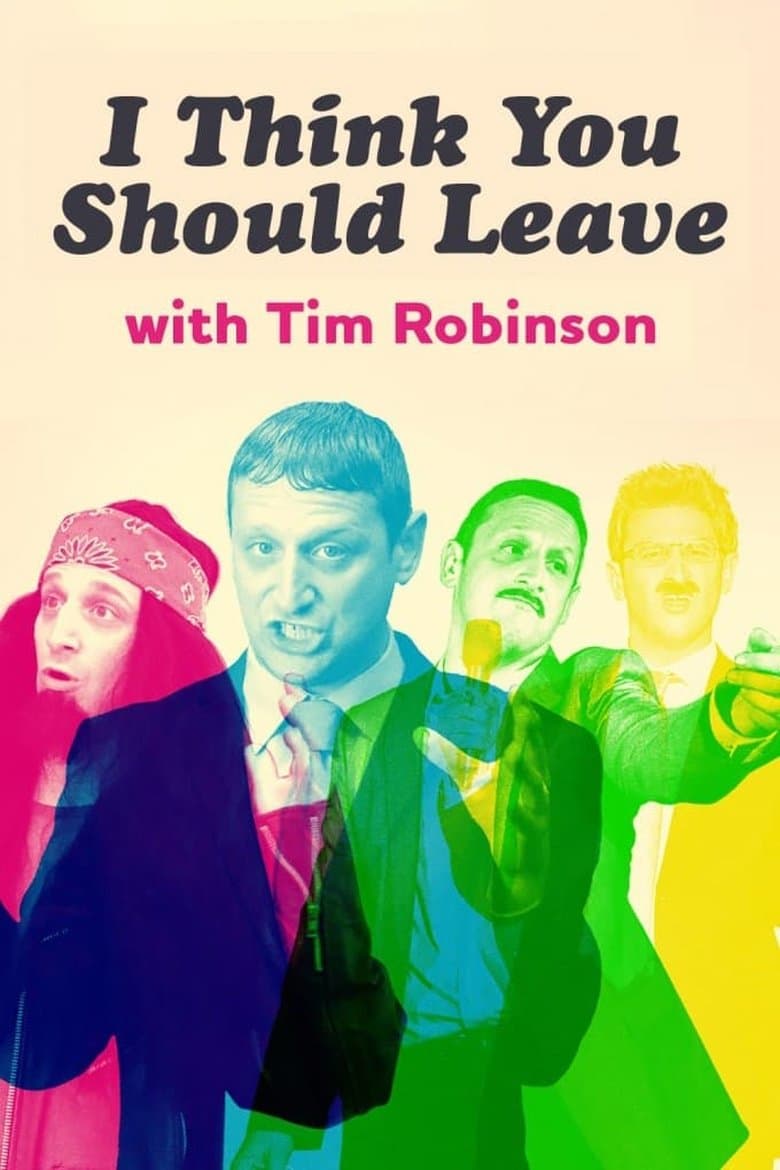
TV Show · 2019
There is no such thing as an ordinary interaction in this offbeat sketch comedy series that features a deep roster of guest stars.
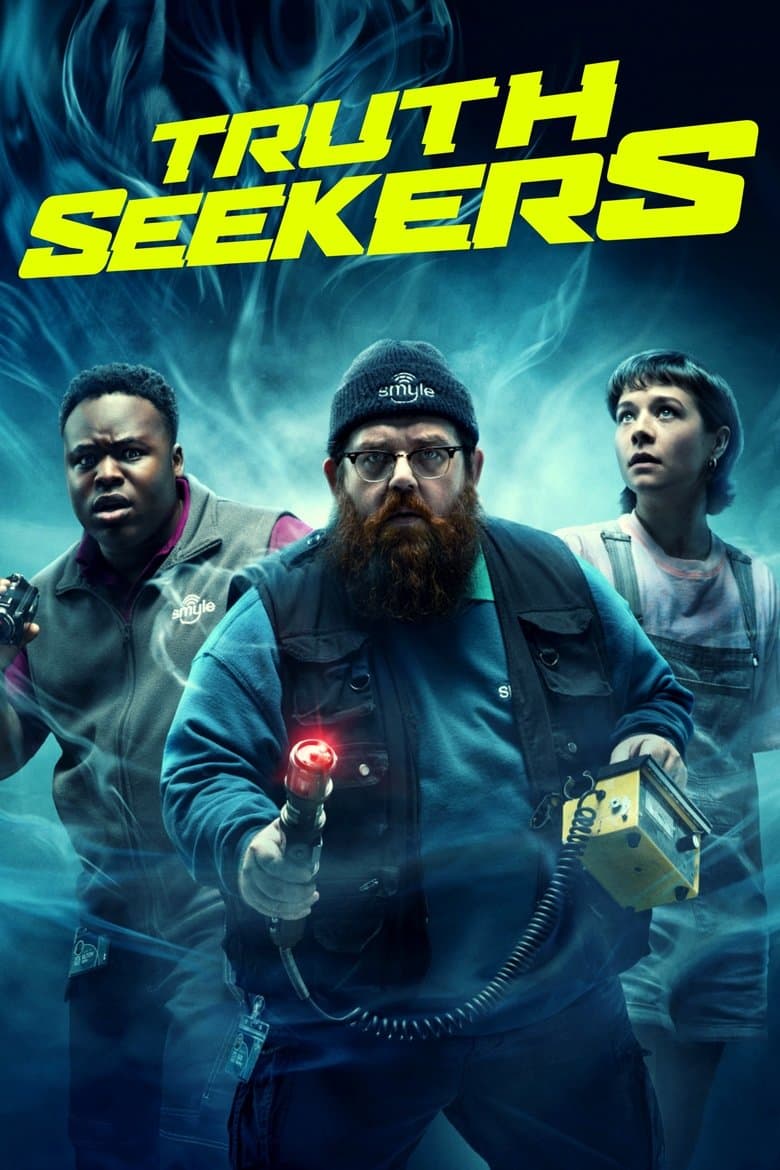
TV Show · 2020
A ghost-hunting duo team up to uncover and film paranormal sightings across the U.K. and share their adventures on an online channel.
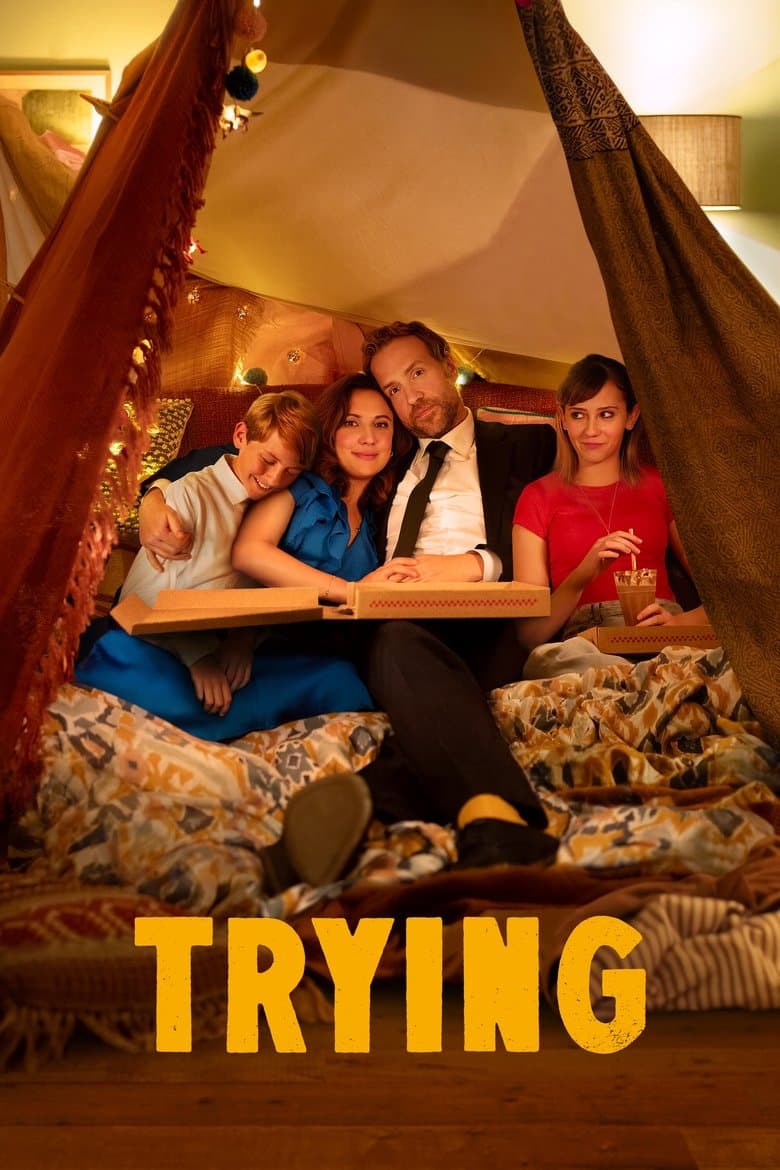
TV Show · 2020
All Nikki and Jason want is a baby—the one thing they can't have. So they decide to adopt. With their dysfunctional friends, screwball families, and chaotic lives, will the…
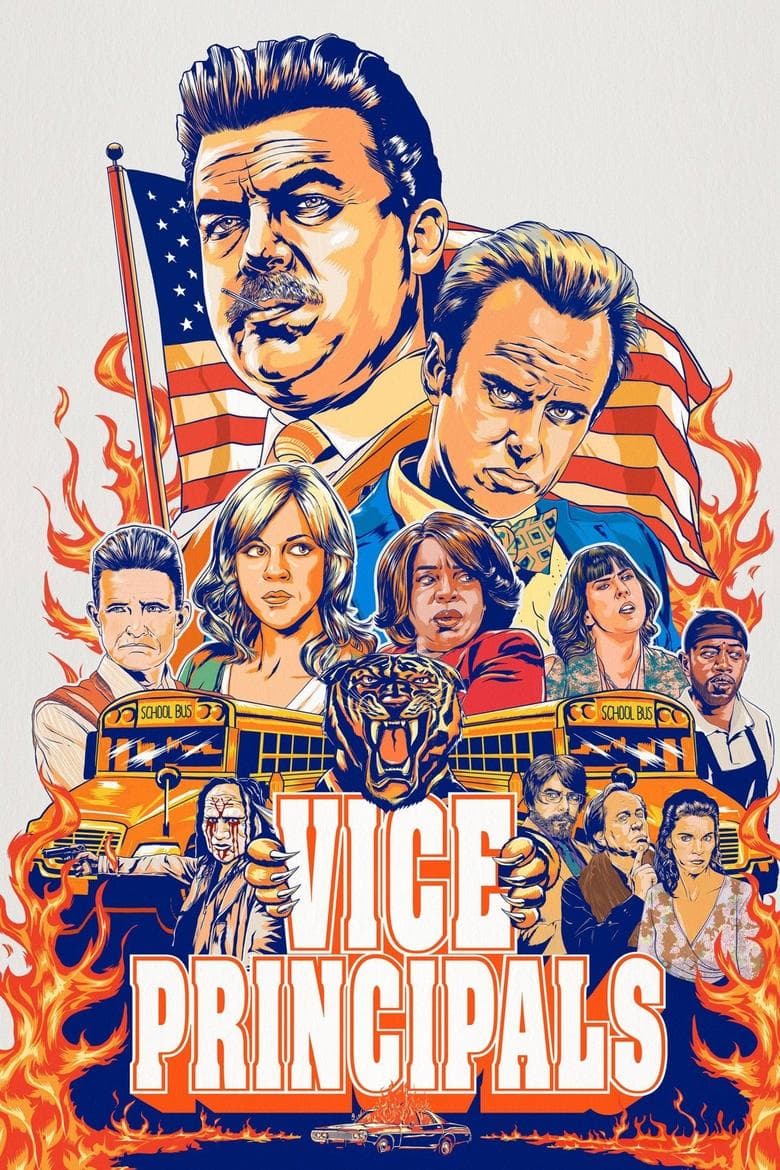
TV Show · 2016
After North Jackson High's long-time principal steps down to tend to his ailing wife, Neal Gamby and Lee Russell, the school's vice principals, are forced to put their mutual…
TV Show · 2020
David Tennant and Michael Sheen (playing themselves) were due to star in a production of 'Six Characters in Search of an Author' in the West End.
