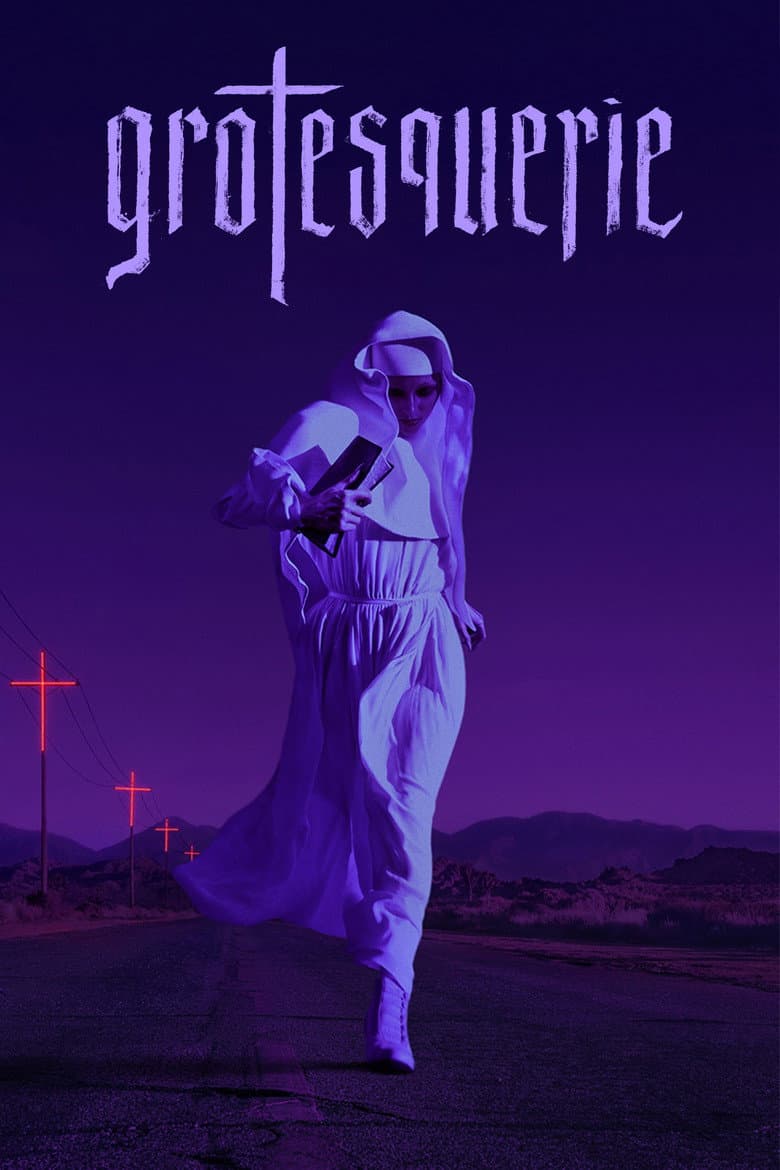
Started September 25, 2024 · Canceled · Based on 1 season, 10 episodes through October 30, 2024 · TV-MA
Grotesquerie follows Lois Tryon, a troubled detective who investigates a series of brutal murders in a small community. The crimes seem tied to her family, her drinking, and the damage caused by her failing marriage. Lois works with Sister Megan, a crime reporter who appears to be a nun. The show uses bloody horror, crime mystery, religious images, and dreamlike twists.
The show clearly includes modern messages about women’s control over their bodies, abortion, climate change, homelessness, and male violence. These ideas appear mainly through Lois’s coma dreams and the story’s strange symbols. The final episodes also attack abusive men and a secret men’s group that calls for a return to traditional society. The themes are important, but the show often buries them under shocking horror and confusing twists.
Community feedback
Was our 73% Woke rating accurate?
Breakdown
These are the editorial factors and ratings behind our score for Grotesquerie.
Woke representation / casting
The show places a black woman at the center as a brilliant detective and gives several women major roles as police officers, reporters, doctors, and leaders. The cast also includes a black family and a varied modern American community. The story does not strongly market this casting as a diversity statement, so the signal is noticeable but not dominant.
32%
Woke political dialogue
The show directly discusses women having control over their bodies and the loss of reproductive rights. The story also links climate change and the treatment of unhoused people to a wider fear that society is falling apart. The finale attacks male power through sexual assault claims and a men’s group calling for a return to traditional society. These ideas are clear, although much of the dialogue appears inside a dream.
58%
Identity-driven story themes
The story treats women’s reproductive freedom as a major fear through disturbing images of women being forced to produce milk. Lois also meets a pro-life activist but sees her as a person beneath the politics. The show connects women’s suffering to abuse, male control, and loss of personal choice. Climate change and homelessness add a wider social message.
62%
Western institutional / cultural critique
The show presents marriage, family life, and male authority as deeply damaged. Lois’s husband is controlling and abusive, while the finale shows angry men building a group around traditional social ideas. The story treats religious images as signs of fear, guilt, and violence rather than as a source of truth. The criticism is strong but mixed with surreal horror.
55%
Woke character or canon changes
Not present in this title.
0%
Anti-woke backlash and complaints
Not present in this title.
0%
Creator track record context
Ryan Murphy has an extensive history of identity-driven shows and diversity programs. Niecy Nash has a strong public record of LGBTQ+ advocacy and visibility. Jon Robin Baitz and Joe Baken have milder political or identity-focused backgrounds. The creator context is strong, but the show itself is not mainly about queer identity.
78%
Production
TV Show · 2020
When an insidious supernatural force edges its way into a seemingly straightforward investigation into the gruesome murder of a young boy, it leads a seasoned cop and an…
TV Show · 2026
Wrongfully imprisoned for murdering his own son, a father sets out on a desperate rescue mission after learning the boy may still be alive.
TV Show · 2025
A brash but brilliant cop becomes head of a new police department, where he leads an unlikely team of misfits in solving Edinburgh's cold cases.
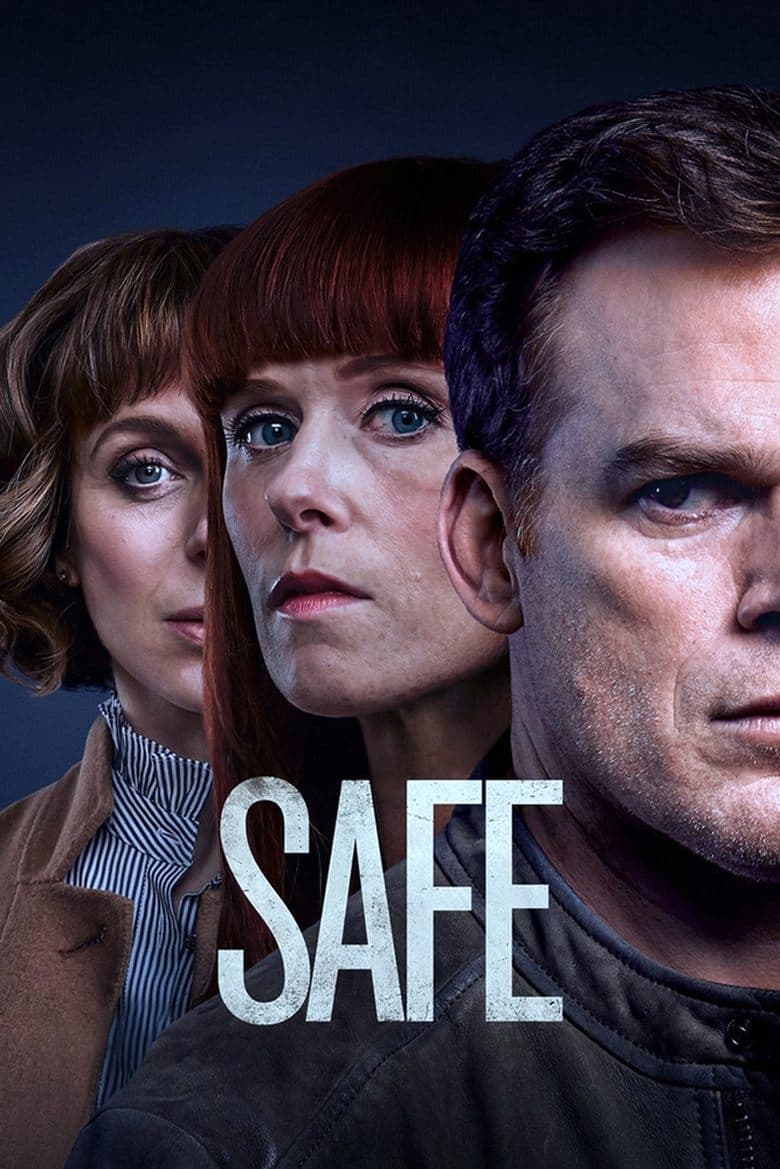
TV Show · 2018
After his daughter goes missing, a widower begins uncovering the dark secrets of the people closest to him.
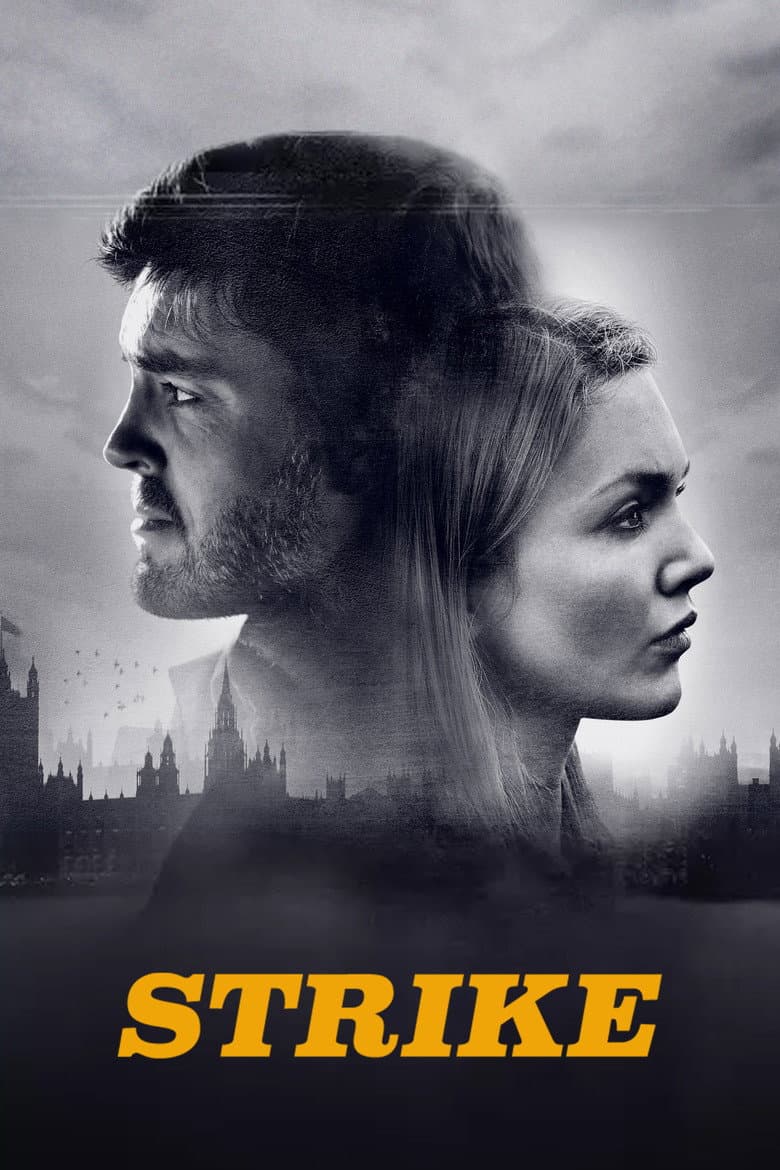
TV Show · 2017
A war veteran turned private detective operates out of a tiny office in London’s Denmark Street. Although wounded both physically and psychologically, his unique insight and…
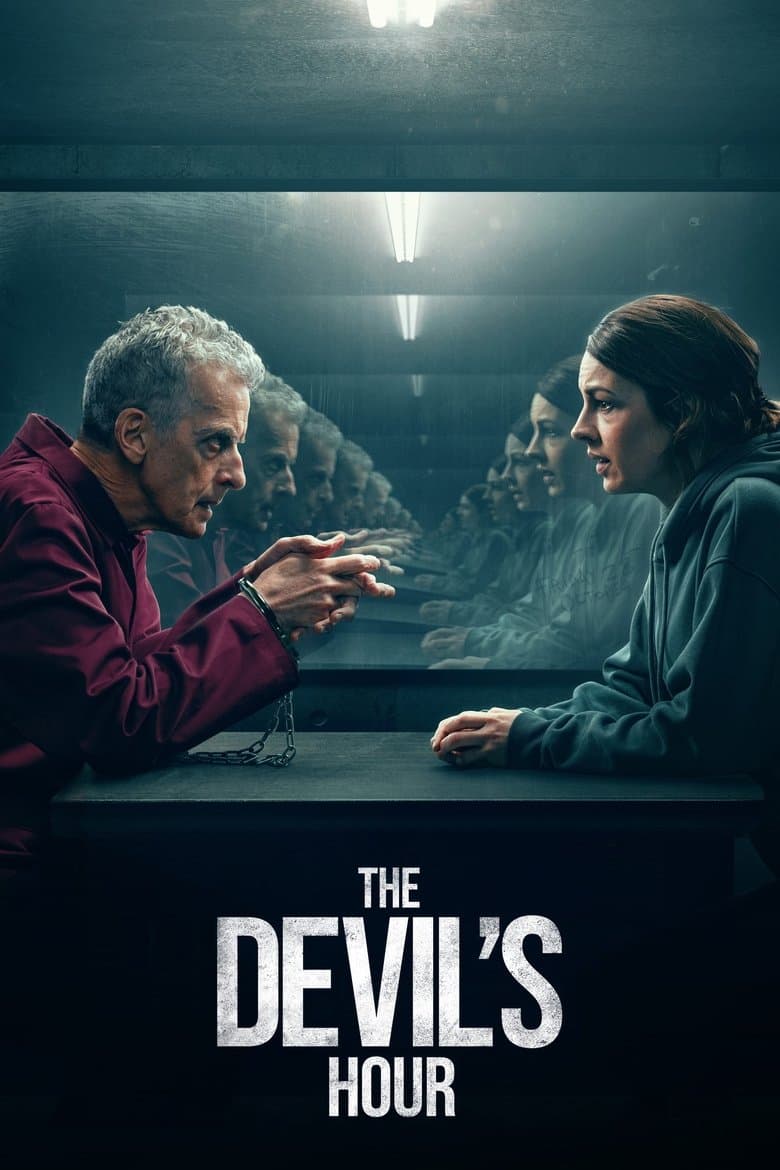
TV Show · 2022
Lucy wakes every night at exactly 3:33am. Nothing in her life has made sense for a long time. But the answers are out there, somewhere, at the end of a trail of brutal murders.

TV Show · 2021
Facing an existential threat that could bring down the Crime Lab, a brilliant team of forensic investigators must welcome back old friends and deploy new techniques to preserve…
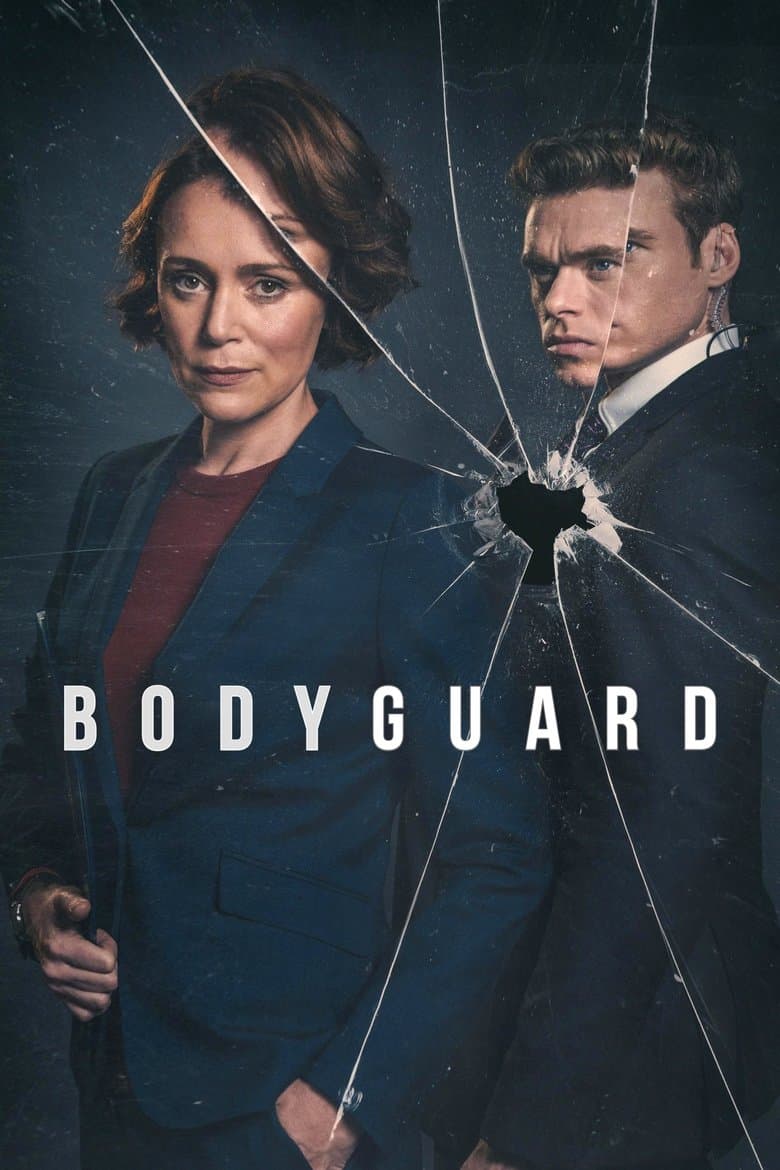
TV Show · 2018
A troubled war veteran is assigned to protect a controversial politician who may be the target of a terror plot.
