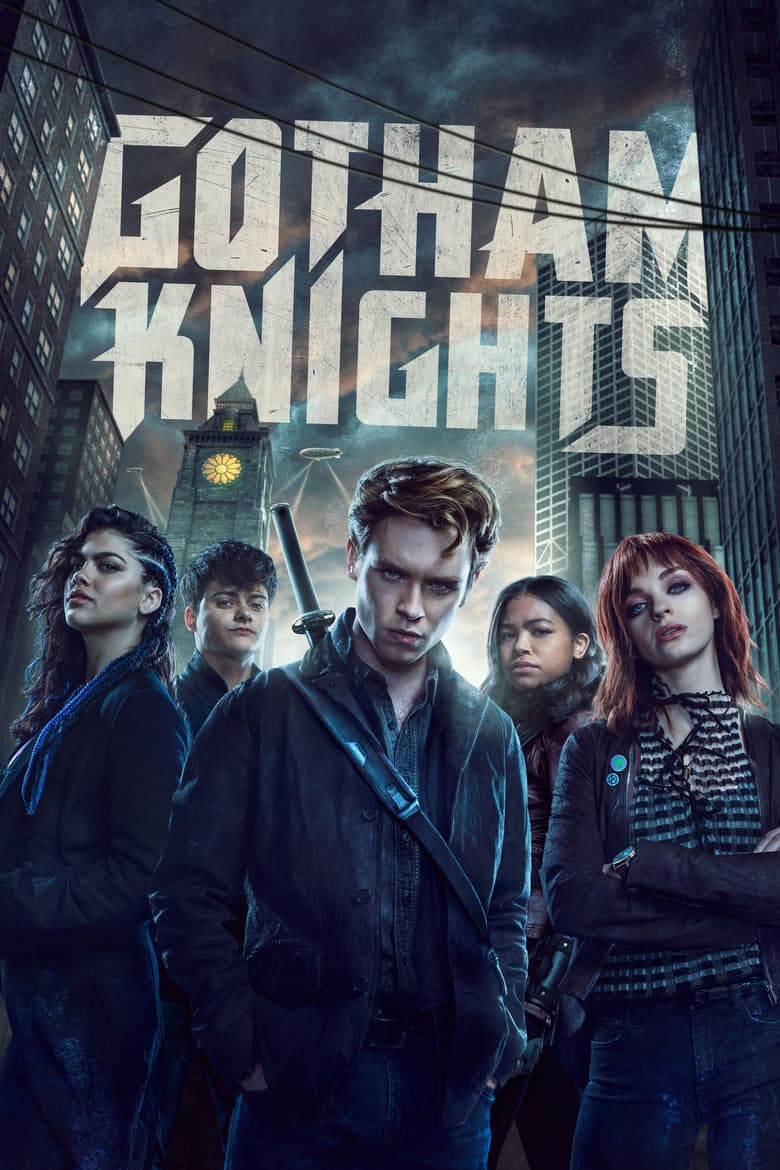
Started March 14, 2023 · Canceled · Based on 1 season, 13 episodes through June 27, 2023 · TV-14 · 42 min
Gotham Knights follows Turner Hayes, the adopted son of Bruce Wayne, after Bruce is murdered in Gotham City. Police accuse Turner, Duela, Harper, and Cullen of the crime, so the teenagers hide and search for the real killer. Stephanie Brown and Carrie Kelley help them as they uncover the Court of Owls, a secret group that controls much of the city. The show mixes teen drama, crime mystery, family pain, and comic-book action.
The show gives major story space to Cullen Row, a transgender boy, and to Harper Row, his bisexual sister. Cullen's past with an abusive father, his old name, and his chest surgery are part of the first season, but the murder case remains the main plot. Harper dates men and women, and her late-season romance with Stephanie Brown leads to a kiss and a lesbian coming-out arc for Stephanie. These stories make queer identity a recurring part of the team, even though the series is mainly a Batman mystery.
Community feedback
Was our 63% Woke rating accurate?
Breakdown
These are the editorial factors and ratings behind our score for Gotham Knights.
Woke representation / casting
The main team includes a black female Robin, a gifted female engineer, a female coding expert, and a transgender male hero. The show also places bisexual and transgender identities in several major roles. Modern Gotham can support this cast, but the repeated focus on identity in the core hero group gives the casting a clear diversity-first pattern.
42%
Woke political dialogue
The pilot includes police dialogue about Cullen's old name, and later scenes discuss his transition and surgery. Harper explains that her father abused her because she is bisexual, and the show treats his behavior as wrong. The characters do not spend the season debating laws, elections, capitalism, or activist causes, so the woke political dialogue is brief.
18%
Identity-driven story themes
The show makes Cullen's transgender identity part of his family history and his place in the group. His abusive father, old name, and chest surgery return as parts of his backstory and daily life. Harper's bisexual relationships appear on screen, and Stephanie's late-season romance with Harper becomes a coming-out story. These themes recur across the season but share space with the Batman murder and Court of Owls mystery.
48%
Western institutional / cultural critique
Not present. The police, city leaders, and Court of Owls are corrupt because of the crime plot. The show does not turn them into a modern argument about patriarchy, capitalism, Christianity, or conservative culture.
0%
Woke character or canon changes
The show changes Cullen Row from a gay teen in the comics into a transgender teen. The show moves Stephanie Brown from her usual male-centered romances into a same-sex romance with Harper. The show also casts a black actress as Carrie Kelley, who is usually drawn as white. These are clear identity changes to known DC characters, while original Turner Hayes is not counted.
53%
Anti-woke backlash and complaints
Small online accounts called the CW show woke and blamed its cancellation on woke content. A few posts objected to Cullen's transgender identity, the Harper and Stephanie relationship, or an LGBT agenda. One video also attacked the casting of Carrie Kelley. The available X evidence found no large boycott, review-bomb drive, or organized campaign, so the backlash was fringe.
15%
Creator track record context
Cached context gives Abrams 65, Fiveash 50, Stoteraux 50, Gualtieri 85, and Berlanti 73. These key people have a clear history of LGBTQ and trans representation in earlier work and public comments. That context fits this show's prominent queer characters and supporting stories.
63%
Production

TV Show · 2016
Bob Lee Swagger is an expert marksman living in exile who is coaxed back into action after learning of a plot to kill the president.
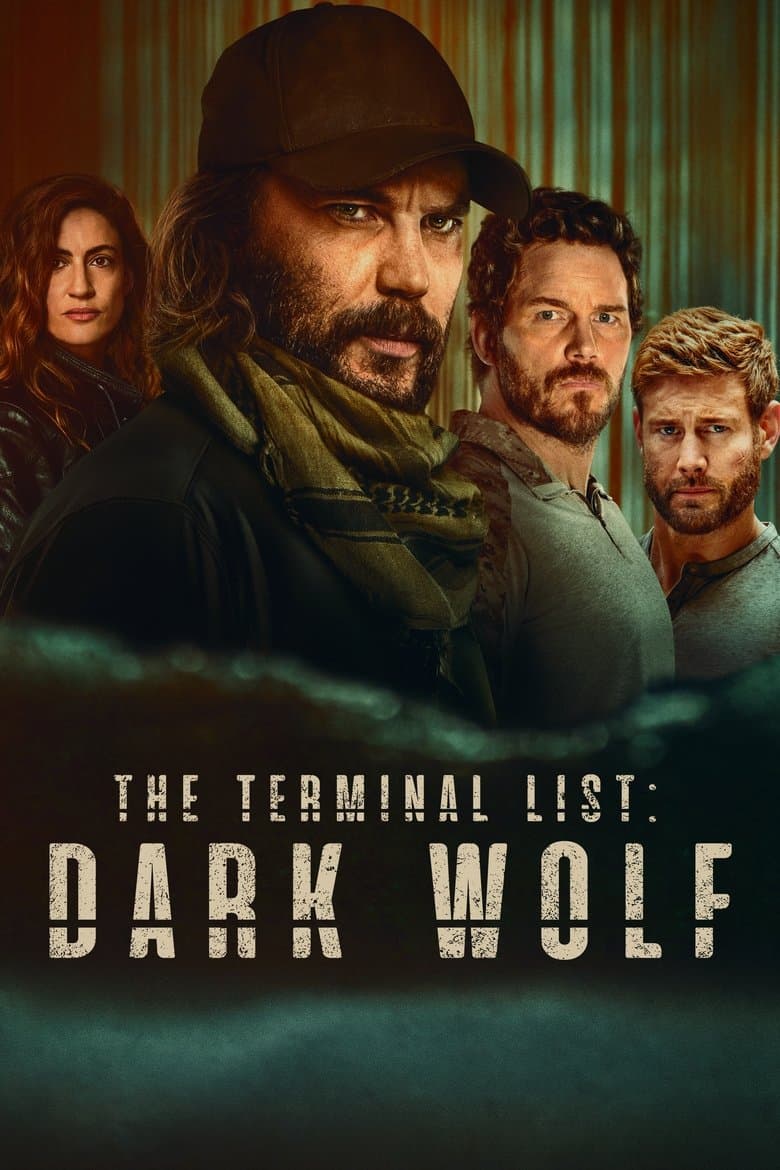
TV Show · 2025
Before The Terminal List, Navy SEAL Ben Edwards finds himself entangled in the black operations side of the CIA.

TV Show · 2016
After a chance meeting in a hospital, an ardent soldier falls for a gifted surgeon. Opposing philosophies tear them apart, but fate has other plans.
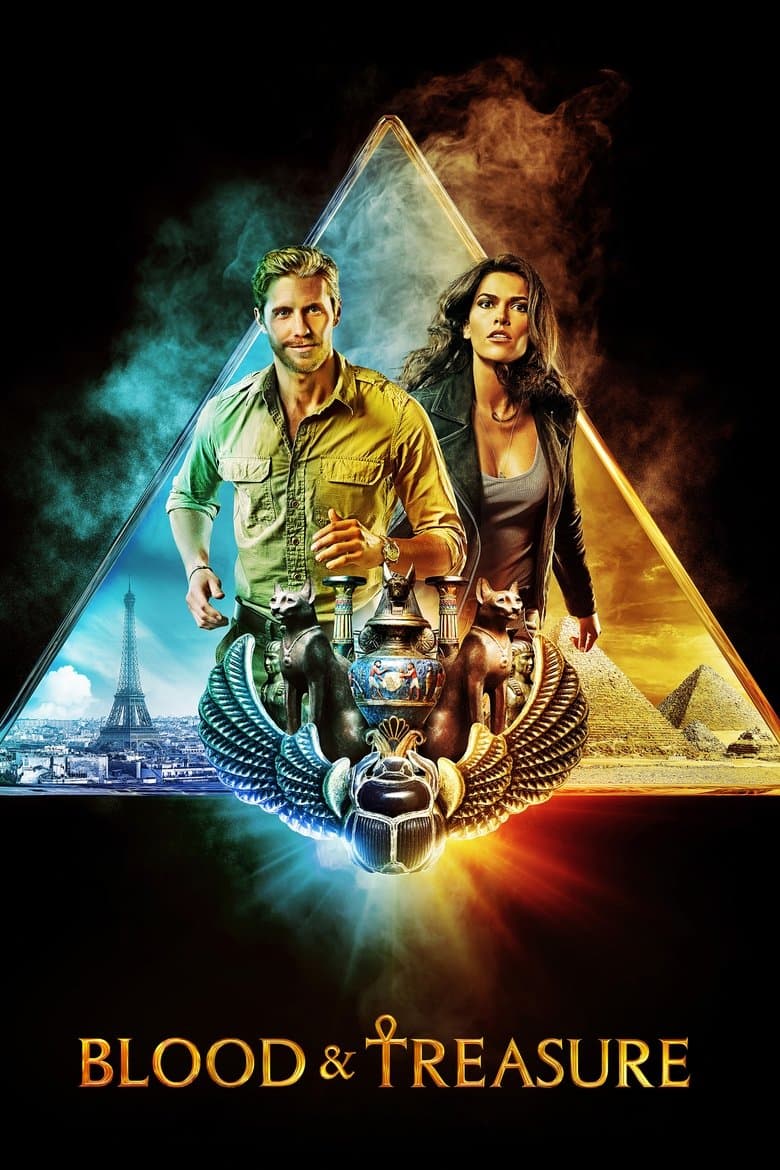
TV Show · 2019
An antiquities expert teams up with an art thief to catch a terrorist who funds his attacks using stolen artifacts.
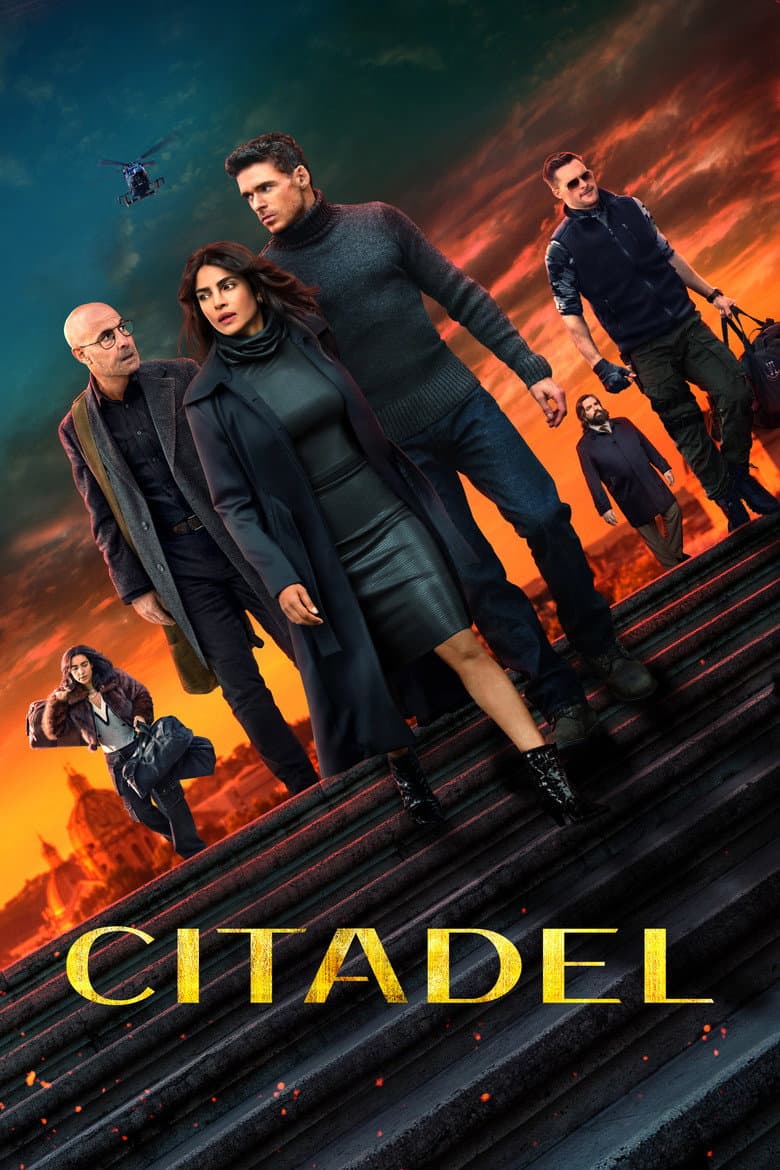
TV Show · 2023
What if you lost your memory? What if a spy didn't know they were a spy? Years ago, the top agents of Citadel, Mason Kane and Nadia Sinh, had their minds wiped.
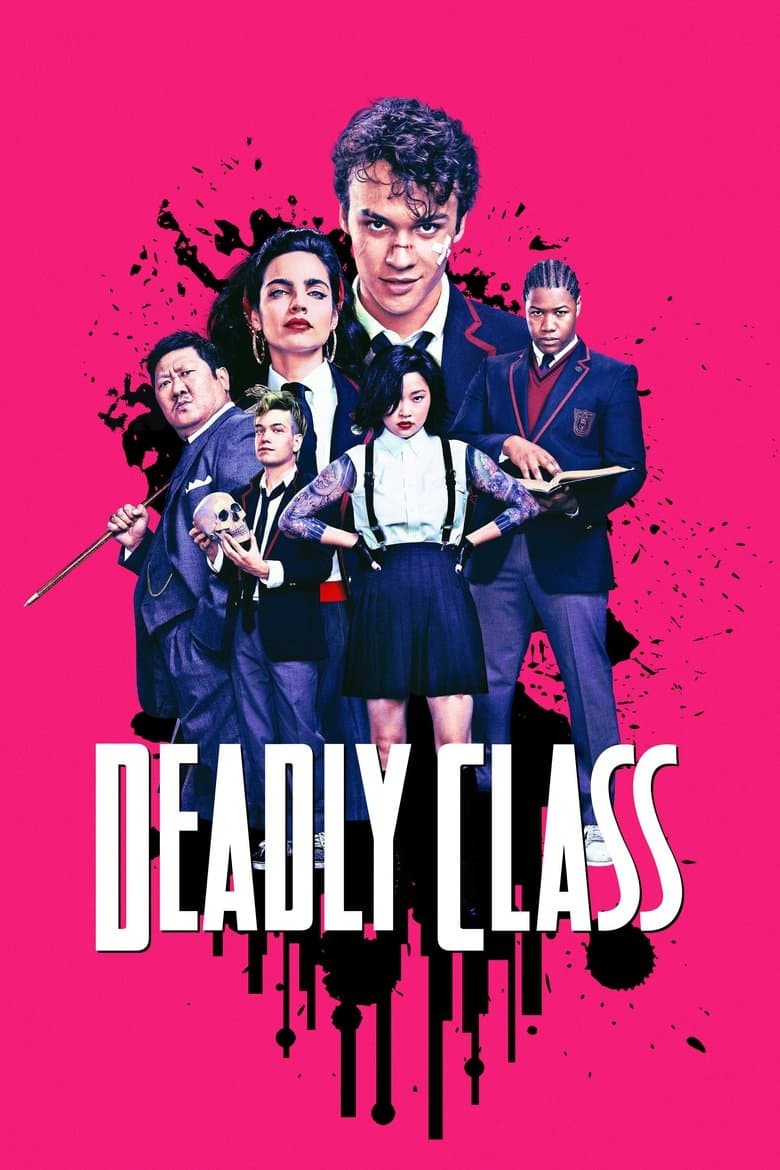
TV Show · 2019
Follow a disillusioned teen recruited into a storied high school for assassins. Maintaining his moral code while surviving a ruthless curriculum, vicious social cliques, and his…
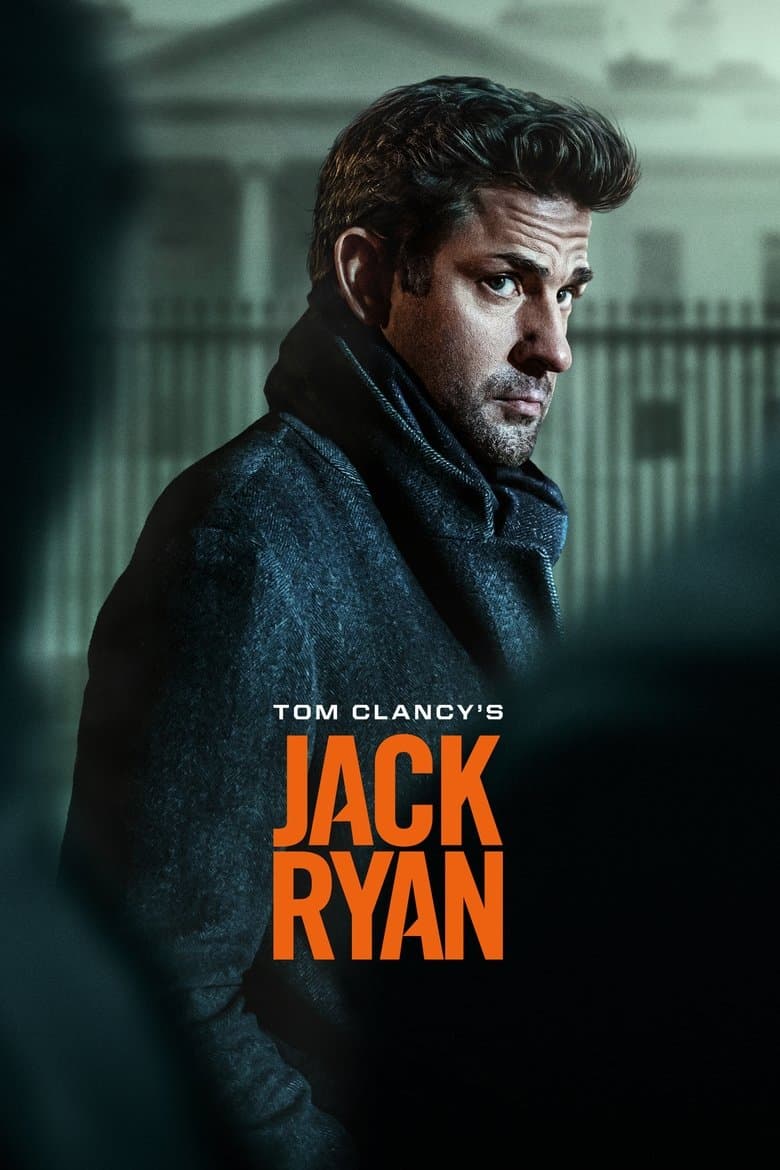
TV Show · 2018
When CIA analyst Jack Ryan stumbles upon a suspicious series of bank transfers his search for answers pulls him from the safety of his desk job and catapults him into a deadly…

TV Show · 2022
Escaped convict Lin Ford flees to the teeming streets of 1980s Bombay, looking to disappear. Working as a medic for the city's poor and neglected, Lin finds unexpected love…
