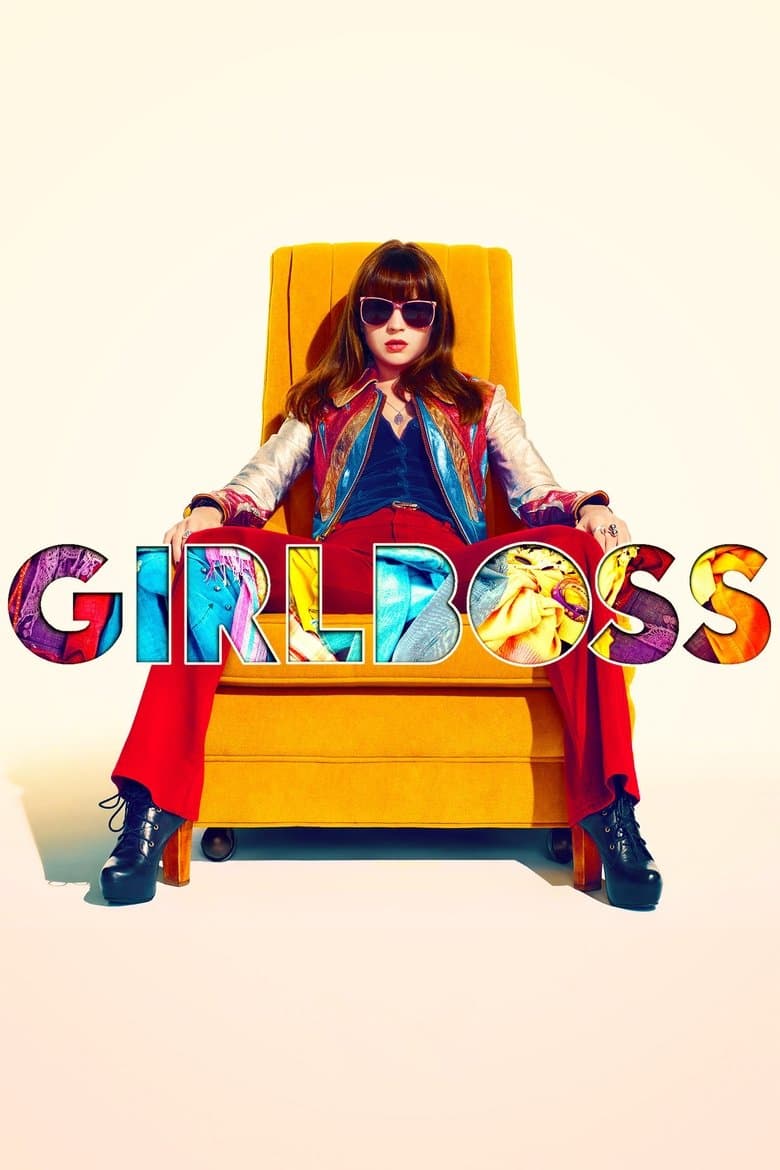
Started April 21, 2017 · Canceled · Based on 1 season, 13 episodes through April 21, 2017 · TV-MA · 26 min
Sophia is a broke and rude young woman living in San Francisco in 2006. She loses her job and faces eviction. She finds a way forward by selling old clothes online, and her business grows into Nasty Gal. The show uses fast jokes, bright fashion, sex jokes, and a loose rise to success story.
The show presents female independence, female leadership, and the idea that a woman can become her own boss. Sophia rejects normal work rules and treats doubts about women as obstacles. The season includes a gay men's choir, a drag show setting, and a diverse supporting cast, but queer content stays brief. The story focuses more on personal freedom, business success, friendship, sex, and self-confidence than on detailed political debate. The show makes female empowerment central while giving limited attention to broad social criticism.
Community feedback
Was our 54% Woke rating accurate?
Breakdown
These are the editorial factors and ratings behind our score for Girlboss.
Woke representation / casting
The main cast is mostly white. The show includes a black male supporting character and several gay men in brief roles. The gay men's choir and drag show setting make queer identity visible in small parts of the season. The main cast does not center on a strong diversity message.
15%
Woke political dialogue
The show repeatedly uses language about female empowerment at work and in personal life. Sophia talks and acts as if normal rules about women and adulthood should not control her. The dialogue focuses on business, sex, friendship, and self confidence. The show does not present detailed political debate.
35%
Identity-driven story themes
The story makes female independence and female business success its central idea. Sophia rejects traditional work and relationship expectations while building a company of her own. The show treats her bold behavior as part of a modern female empowerment message. Sophia sometimes acts selfishly while the story still presents her behavior as connected to that message.
52%
Western institutional / cultural critique
The show often presents older male bosses, landlords, and business gatekeepers as people who underestimate Sophia. Sophia mocks normal work rules and refuses traditional ideas about how a young woman should behave. The show does not make a broad attack on religion, family, or Western society.
30%
Woke character or canon changes
Not relevant. The show is a loose version of Sophia Amoruso's real life. Its invented scenes and characters change the story for comedy. The show does not make an identity driven change to an established fictional character.
0%
Anti-woke backlash and complaints
Right leaning coverage accused the show of promoting stealing, crude behavior, and hostility toward Christian ideas. Other reviews attacked its shallow feminism and praised or criticized its female lead without using an anti woke argument. The clear anti woke backlash was limited compared with the general negative reaction.
18%
Creator track record context
Kay Cannon has a feminist focus on women led stories and gender balance. Jen Braeden has a strong record of queer representation work. Charlize Theron and Sophia Amoruso have public links to female empowerment. The other key creators have milder or limited activist profiles.
45%
Production
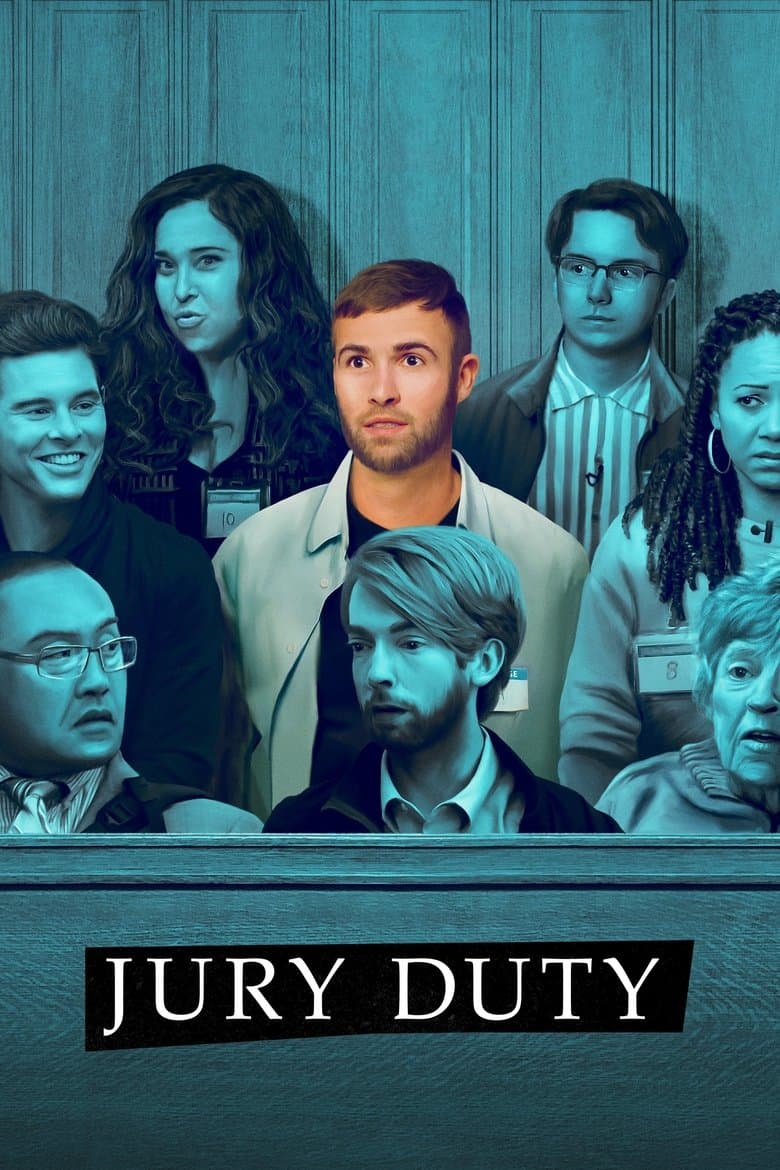
TV Show · 2023
The inner workings of an American jury trial through the eyes of one particular juror, Ronald Gladden. Gladden is unaware the entire case is fake, everyone except him is an actor…
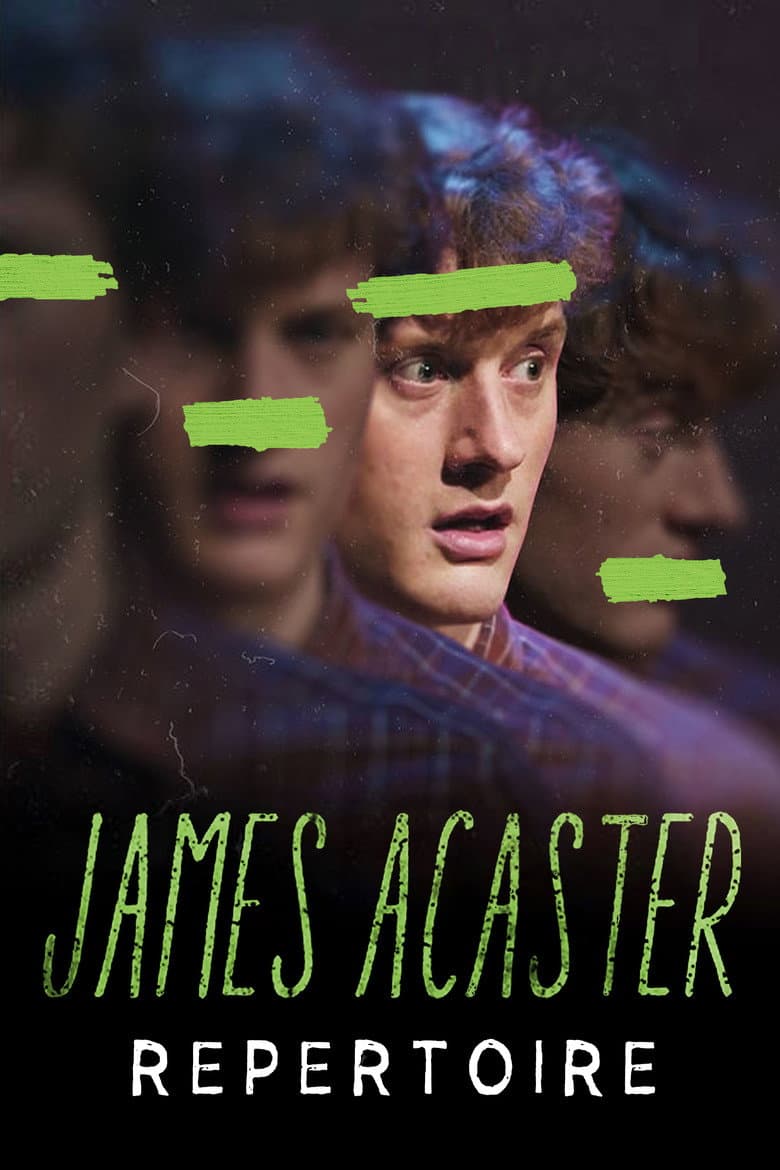
TV Show · 2018
Offbeat comic James Acaster covers the strange, the mundane and everything in between in this collection of four wide-ranging stand-up specials.
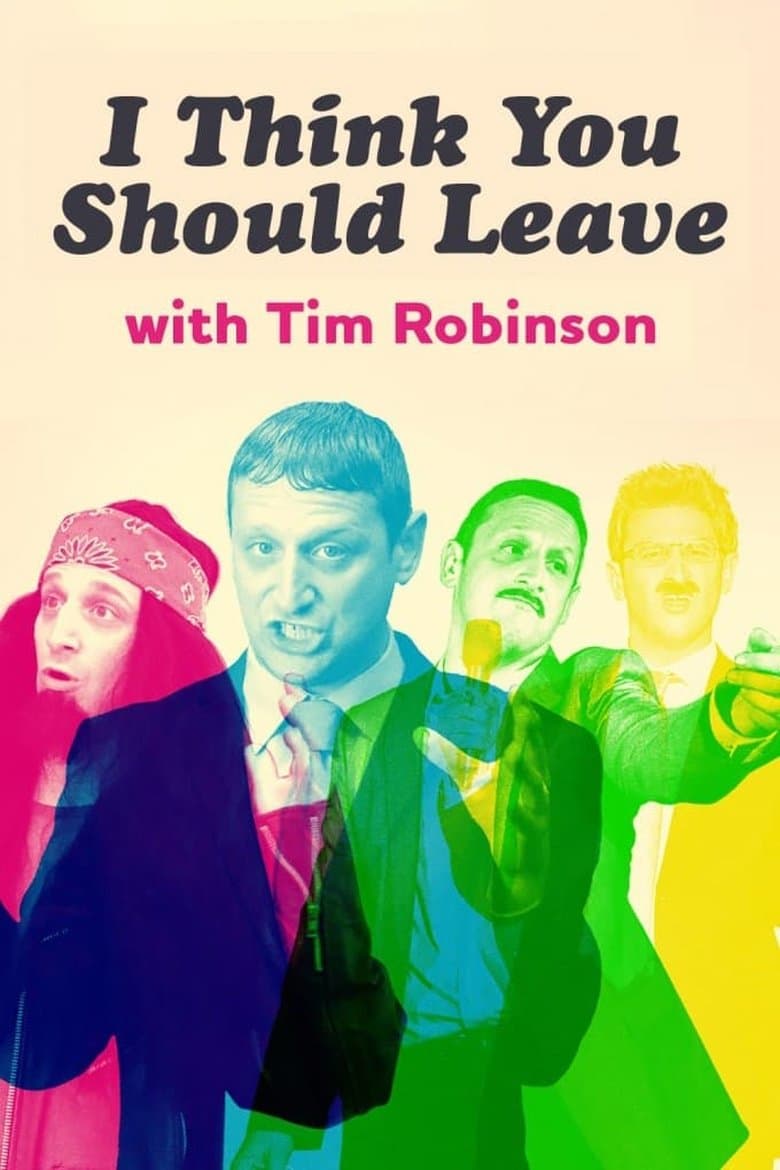
TV Show · 2019
There is no such thing as an ordinary interaction in this offbeat sketch comedy series that features a deep roster of guest stars.

TV Show · 2016
Jeremy Clarkson, Richard Hammond and James May are back with a show about adventure, excitement and friendship...
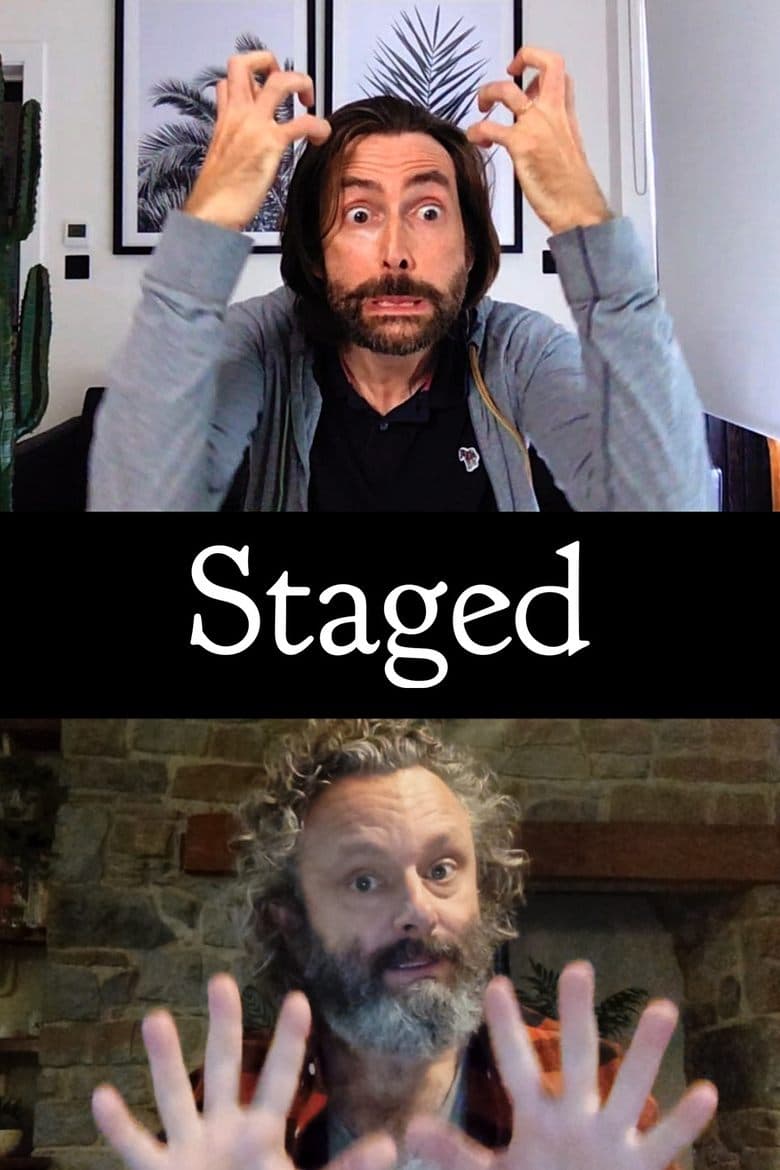
TV Show · 2020
David Tennant and Michael Sheen (playing themselves) were due to star in a production of 'Six Characters in Search of an Author' in the West End.
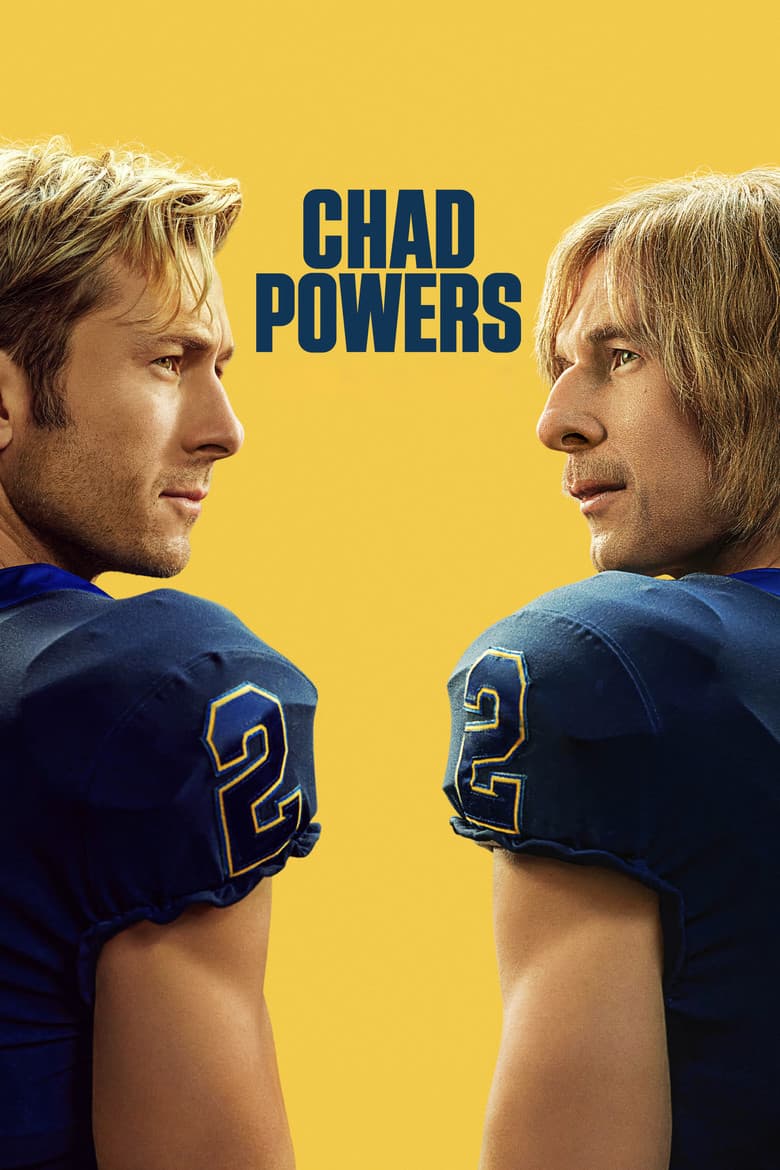
TV Show · 2025
Eight years after an unforgivable mistake nukes his promising college football career, hotshot quarterback Russ Holliday tries to resurrect his dreams by disguising himself as…
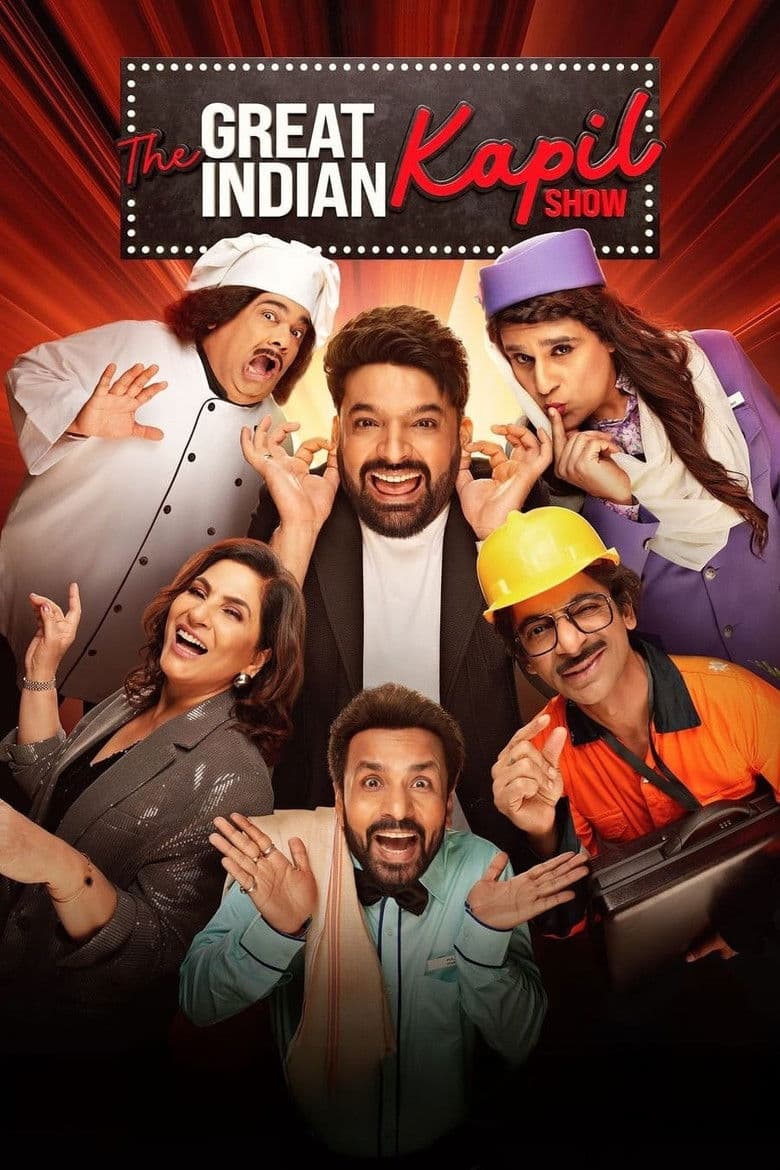
TV Show · 2024
Comedian Kapil Sharma hosts this laugh-out-loud variety talk show with celebrity guests, hilarious antics and his signature supporting cast.
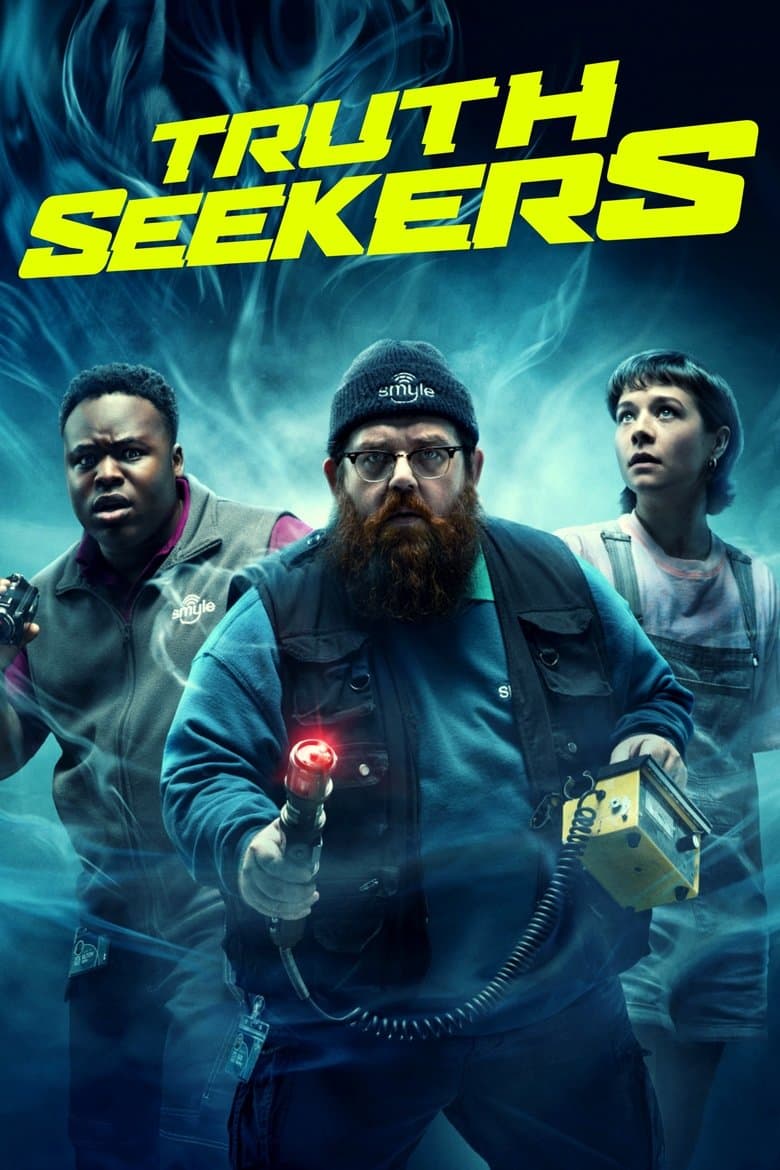
TV Show · 2020
A ghost-hunting duo team up to uncover and film paranormal sightings across the U.K. and share their adventures on an online channel.
