
Started May 30, 2024 · Returning Series · Based on 1 season, 10 episodes through May 30, 2024 · TV-PG
Harriet Manners is a clever, awkward sixteen-year-old who would rather stay unnoticed than face a crowd. Her life changes when a model agent spots her during a school trip to London Fashion Week. Harriet must balance school, a fast new career, a crush on fellow model Nick, and the anger of her best friend Nat, whose dream was modeling. The season moves between suburban England, London, and a short trip to Canada. It keeps a bright, funny, fairy-tale tone while showing bullying, anxiety, friendship, and family support.
The show's clearest identity focus is Harriet's brain working differently. The story shows sensory overload, headphones, intense facts, trouble reading social cues, and talk about whether a label would limit her. The story repeatedly tells her to accept being different and finally reclaim the word geek after classmates and a rival use it to shame her. Wilbur is an openly gay fashion agent with a husband, so the show includes ordinary LGBTQ+ representation in a major supporting role. Harriet also gives a brief “Girl power” speech about women doing everything, but most of the message stays personal rather than political.
Community feedback
Was our 46% Woke rating accurate?
Breakdown
These are the editorial factors and ratings behind our score for Geek Girl.
Woke representation / casting
The show gives major roles to black best friend Nat, black gay agent Wilbur, and Asian fashion designer Yuji. These choices are plausible in modern London and the international fashion world. The series does not sell the cast as a diversity campaign, and Harriet’s neurodivergent casting matches the character. The repeated visible mix adds a mild representation signal, but there is no clear quota-style group or story-world mismatch.
22%
Woke political dialogue
In episode 3, Harriet gives a party presentation about women doing many things at once. She uses successful women as examples and calls the message “Girl power.” The scene stays brief and serves as a clumsy attempt to persuade her parents, rather than a repeated political message.
22%
Identity-driven story themes
Harriet’s brain works differently, and the show repeatedly uses sensory overload, headphones, fact-spouting, panic, and trouble reading social cues. The story asks her to stop changing herself to please schoolmates or the fashion world. Wilbur appears as an openly gay mentor with a husband. These themes shape the whole season, but the show keeps them personal rather than turning them into a wider activist campaign.
55%
Western institutional / cultural critique
The show repeatedly questions an appearance-first fashion world that rewards image and treats Nat as not unique enough. The school also lets bullies film and shame Harriet for much of the season. The story presents these as personal unfairness and social pressure, not as a wider attack on capitalism, patriarchy, Christianity, or Western institutions.
15%
Woke character or canon changes
Not relevant. The show adapts Holly Smale’s book story, but no identity-driven change to an established character, real person, or historical event is confirmed.
0%
Anti-woke backlash and complaints
Not present. The supplied X pass found no anti-woke complaints. Other launch coverage focused on autism portrayal or praised the show’s light tone, so no documented backlash says the show pushes woke or DEI politics.
0%
Creator track record context
Holly Smale’s public work is strongly tied to feminism, neurodiversity, and girls who feel outside the norm. Sameera Steward and Zoë Rocha have spoken about overlooked voices and women in the industry. Rob Kelly promotes diversity and LGBTQ+ performers. Jessica Ruston and director Declan O’Dwyer have milder or limited activist records, while most producers show little public activism.
38%
Production
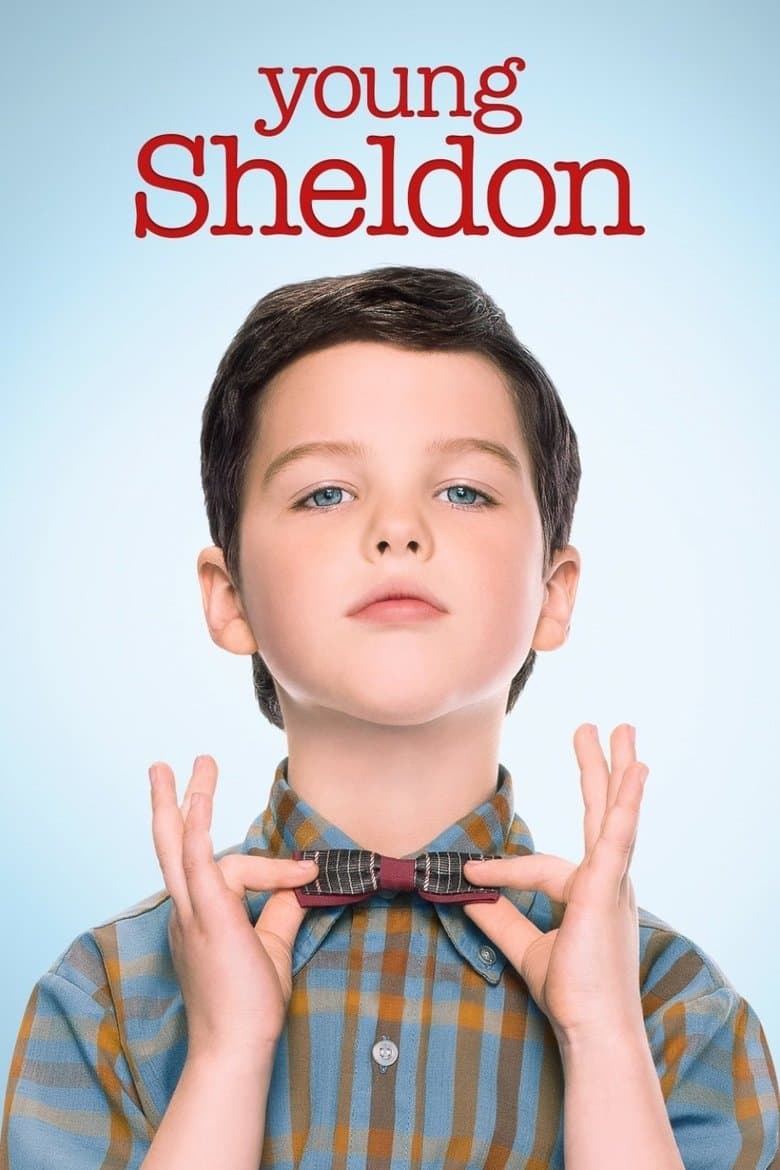
TV Show · 2017
The early life of child genius Sheldon Cooper, later seen in The Big Bang Theory.
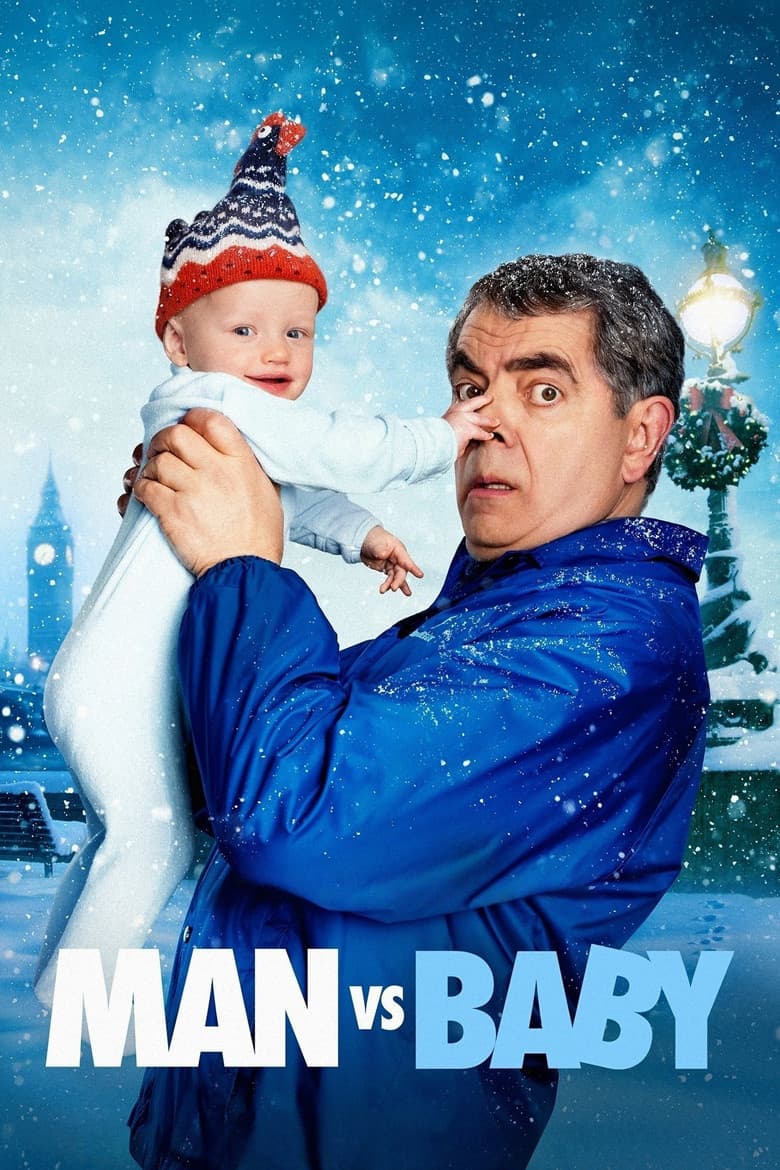
TV Show · 2025
As Christmas approaches, a blundering-all-the-way dad juggles housesitting a posh London penthouse with an unexpected pickle: caring for a lost baby.
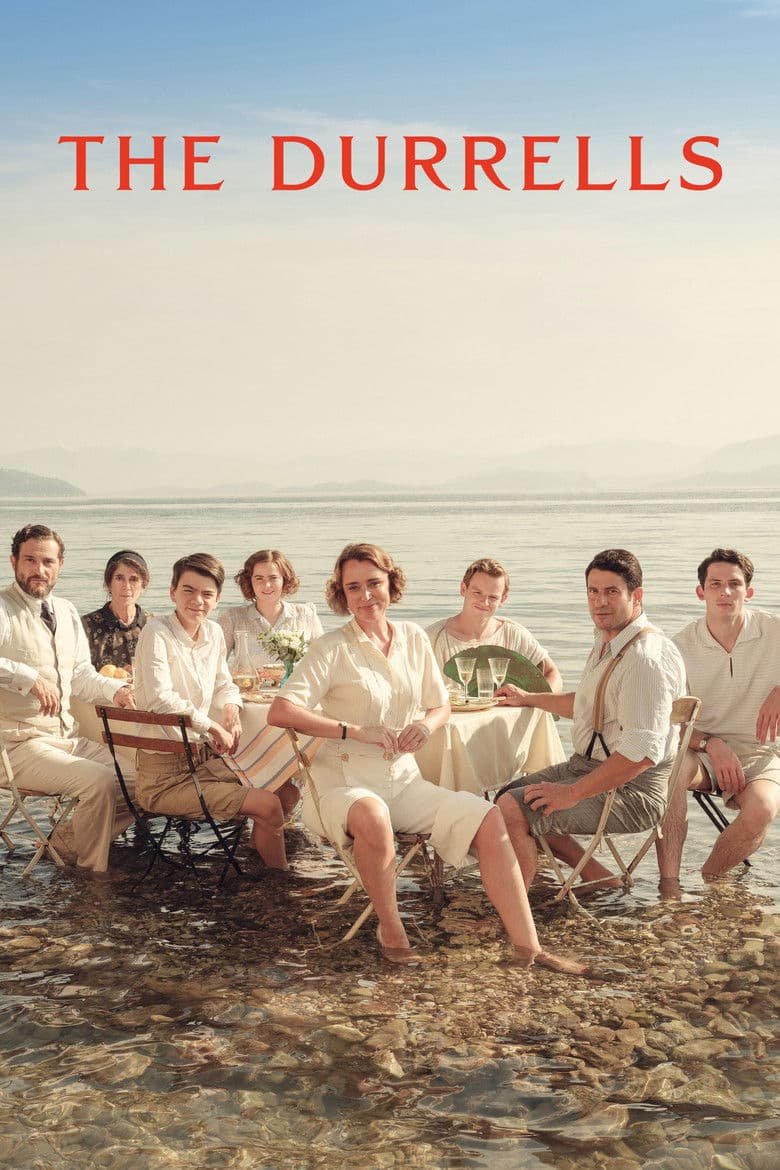
TV Show · 2016
In 1935, financially strapped widow Louisa Durrell, whose life has fallen apart, decides to move from England, with her four children (three sons, one daughter), to the island of…
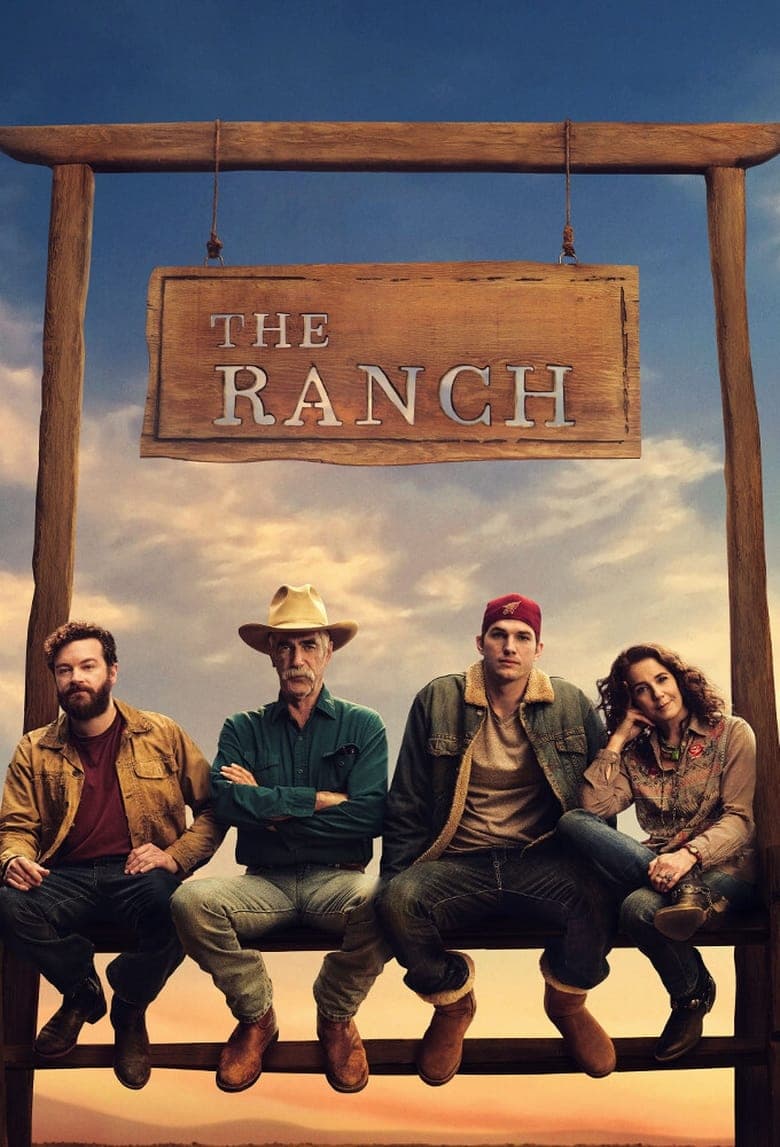
TV Show · 2016
Being a pro athlete didn't pan out for Colt. Now he's helping his dad and brother keep the ranch afloat, and figuring out how he fits into the family.
TV Show · 2017
The orphaned Baudelaire children face trials, tribulations and the evil Count Olaf, all in their quest to uncover the secret of their parents' death.
TV Show · 2017
The story of Jim Worth, an expat British police officer starting a new life with his family as police chief in Little Big Bear, an idyllic town near the Rocky Mountains.

TV Show · 2024
Knuckles embarks on a hilarious and action-packed journey of self-discovery as he agrees to train Wade as his protégé and teach him the ways of the Echidna warrior.
TV Show · 2024
Riley is growing up and when her memories need some extra processing, Joy and the rest of the Core Emotions send them to Dream Productions.
