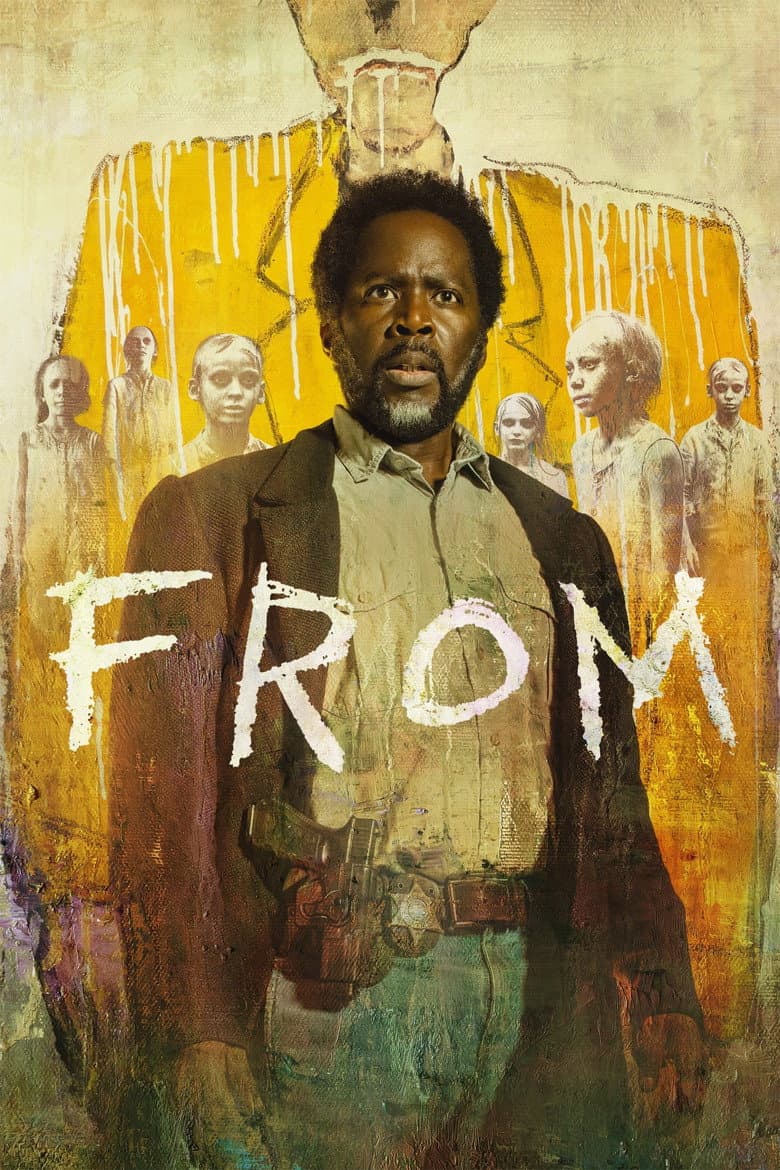
Started February 20, 2022 · Returning Series · Based on 4 seasons, 40 episodes through May 10, 2026 · TV-MA
FROM is a mystery horror series about a Midwestern-style town that traps anyone who enters. Residents try to keep a fragile normal life with a diner, a clinic, and rival living groups while they search for escape. At night, forest creatures hunt them. The story focuses on survival, community conflict, grief, and a growing mythology that includes reincarnation, talismans, the Boy in White, and the Man in Yellow. Modern identity politics are not the main plot.
Audience-visible woke elements are present but not the engine of the show. The cast is multiracial, with Black Army veteran Boyd as the center and Latina mother Tabitha as a co-lead, plus other diverse prominent roles. Kristi is engaged to Marielle, and that relationship continues across seasons, including addiction and trust struggles after Marielle arrives. Fatima has on-screen same-sex affection, and Julie shows bicurious interest. That identity material is real relationship fabric inside a survival mystery, while later seasons push mythology harder rather than identity politics.
Community feedback
Was our 31% Woke rating accurate?
Breakdown
These are the editorial factors and ratings behind our score for FROM.
Woke representation / casting
The random-trap premise supports a multiracial ensemble with Boyd, Tabitha, Kenny, Tian-Chen, Fatima, Father Khatri, Donna, and Kristi in major roles. Season 2 and later also make Marielle a series-regular queer fiancée opposite Kristi. Competence mostly matches the characters’ jobs, so it is not a pure friend-group checklist. Casting is still more deliberately mixed than a generic small-town horror default, and queer inclusion was an intentional production choice.
38%
Woke political dialogue
Not present. No sustained activist dialogue on DEI, systemic racism, patriarchy, colonial guilt, or similar present-day identity politics as messaging.
0%
Identity-driven story themes
Main themes are existential horror, resilience, and puzzle-box mythology rather than social-justice ideology. LGBTQ material is visible across seasons through Kristi and Marielle, Fatima’s same-sex affection, and Julie’s bicurious interest. That identity content is real but stays inside character and relationship stories in a survival mystery. Later seasons lean harder into mythology, not identity politics.
34%
Western institutional / cultural critique
Not present. No activist framing of toxic masculinity, anti-Christian messaging as thesis, or modern institutional critique of whiteness, patriarchy, or capitalism.
0%
Woke character or canon changes
Not relevant. as original IP with no established franchise characters, literary canon, or historical figures rewritten for DEI.
0%
Anti-woke backlash and complaints
Not present. No meaningful mainstream or social-media campaign treating FROM as too woke or forced-identity agenda, and targeted searches found absence as the finding.
0%
Creator track record context
Cached scores for key creative leaders mostly sit low to moderate in the teens, with only milder elevated notes for a few people. Overall creative leadership is not an activist identity brand.
17%
Production
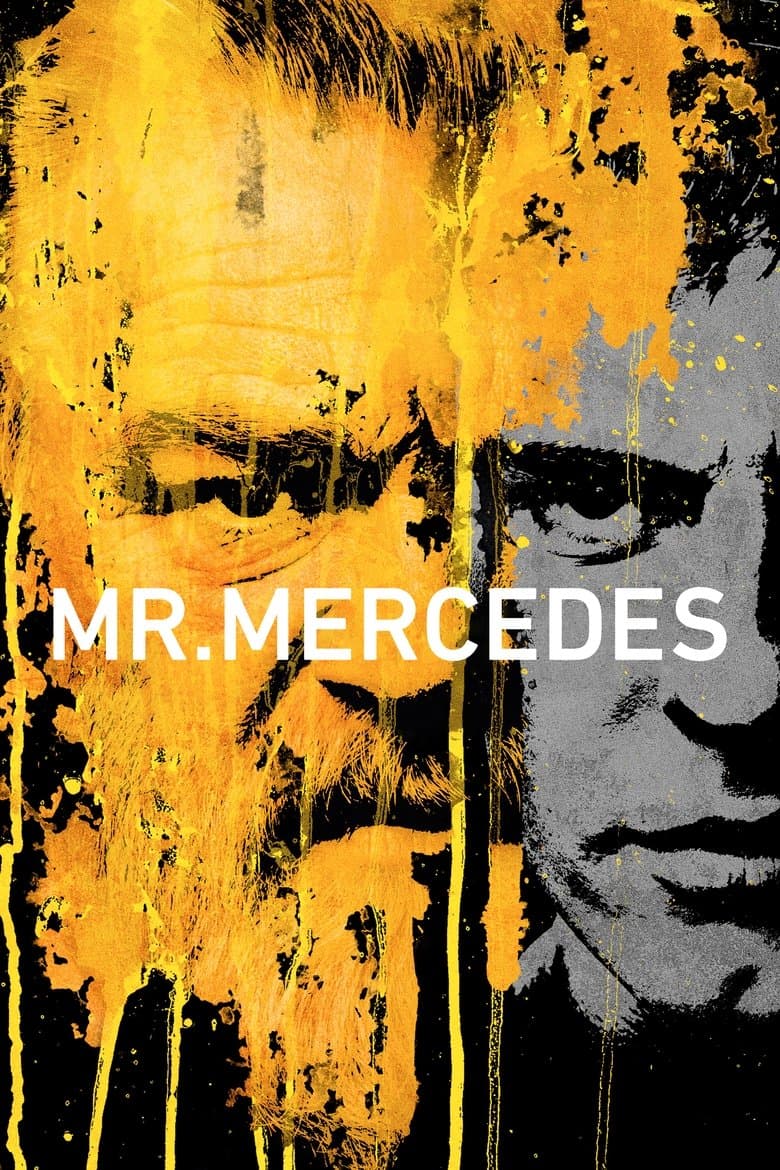
TV Show · 2017
A demented serial killer taunts a retired police detective with a series of lurid letters and emails, forcing the ex-cop to undertake a private, and potentially felonious, crusade…
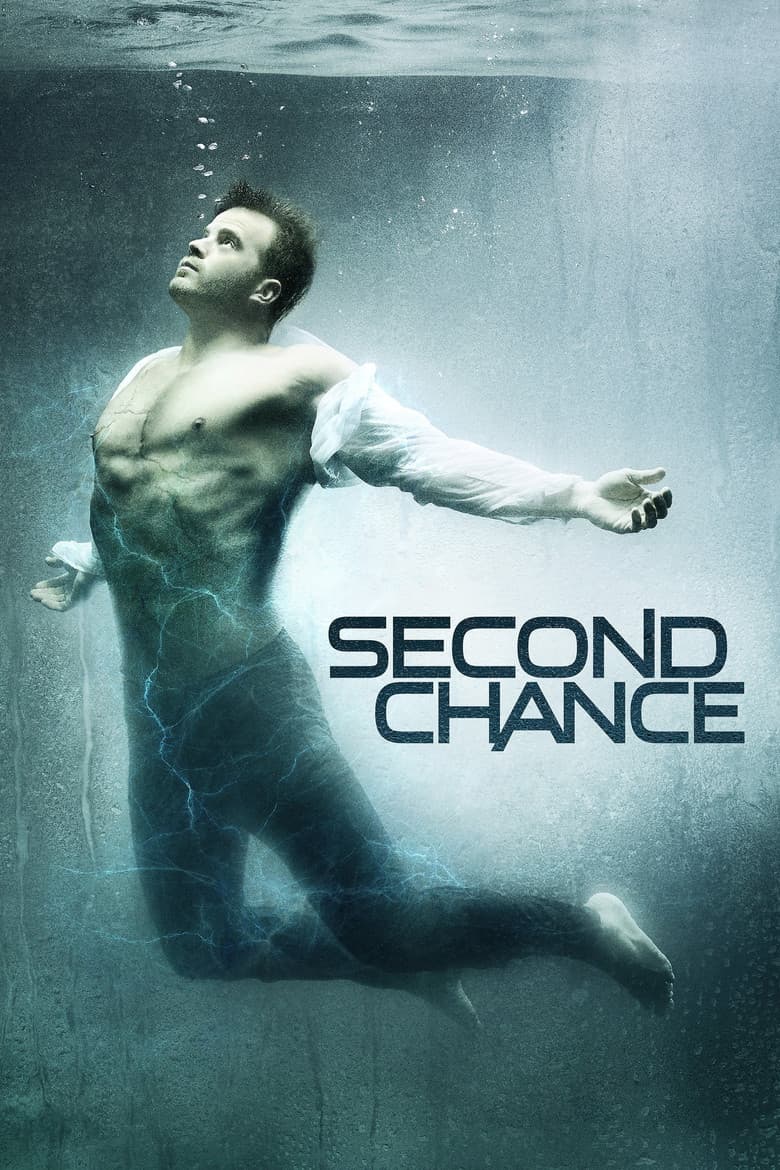
TV Show · 2016
A disgraced, 75-year-old ex-sheriff, whose life ends at the hands of corrupt cops, is brought back to life and given a second chance by a pair of young tech scientists, as a…
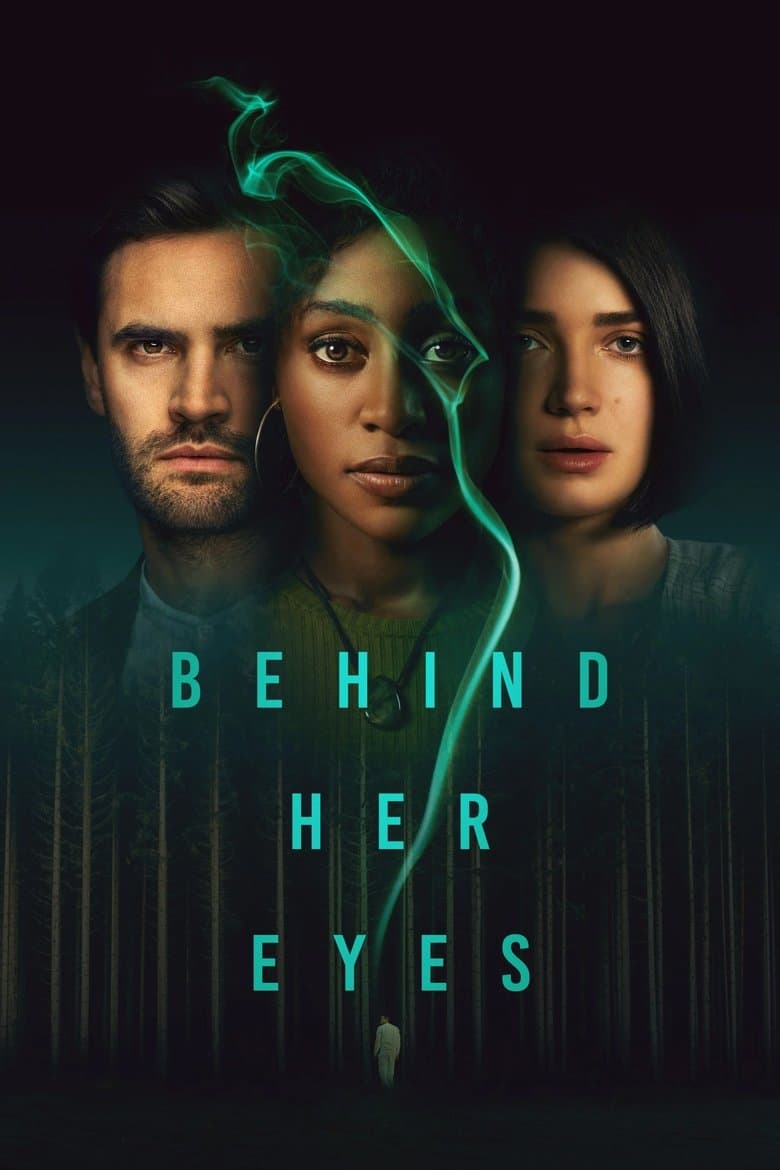
TV Show · 2021
A single mother enters a world of twisted mind games when she begins an affair with her psychiatrist boss while secretly befriending his mysterious wife.
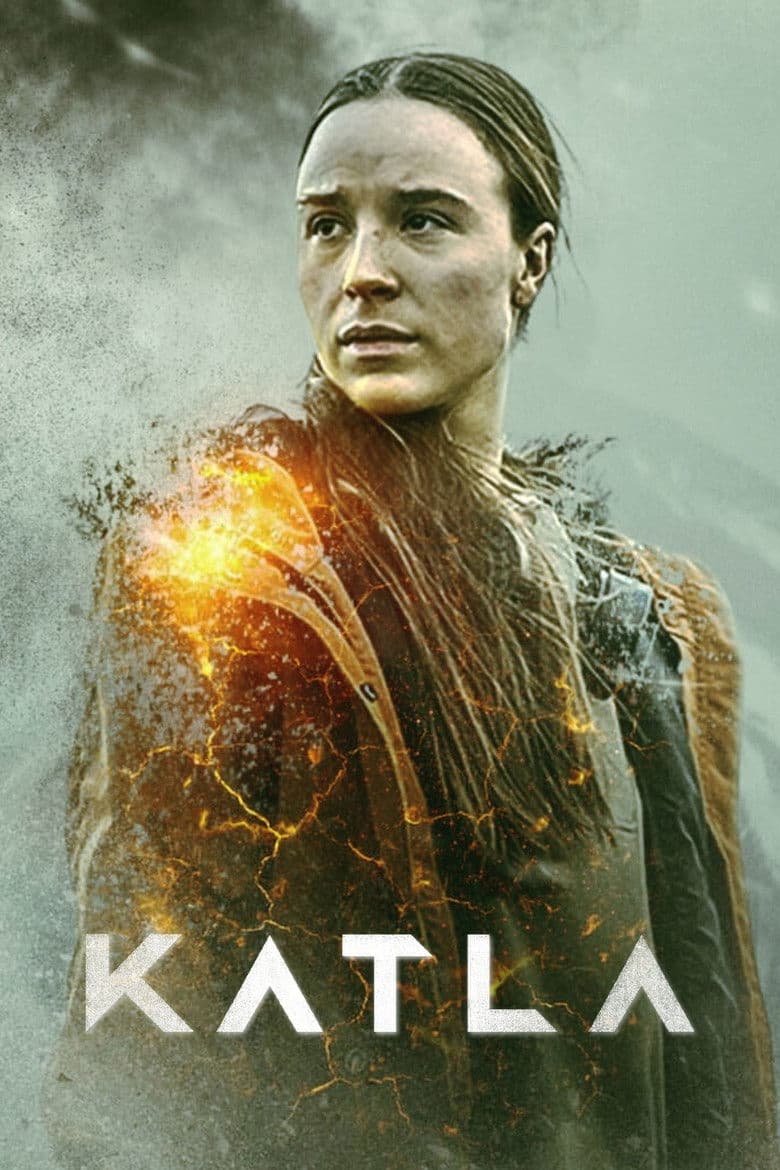
TV Show · 2021
A year after a subglacial volcano erupts, mysterious elements from prehistoric times emerge from the melting ice, bringing unforeseen consequences.
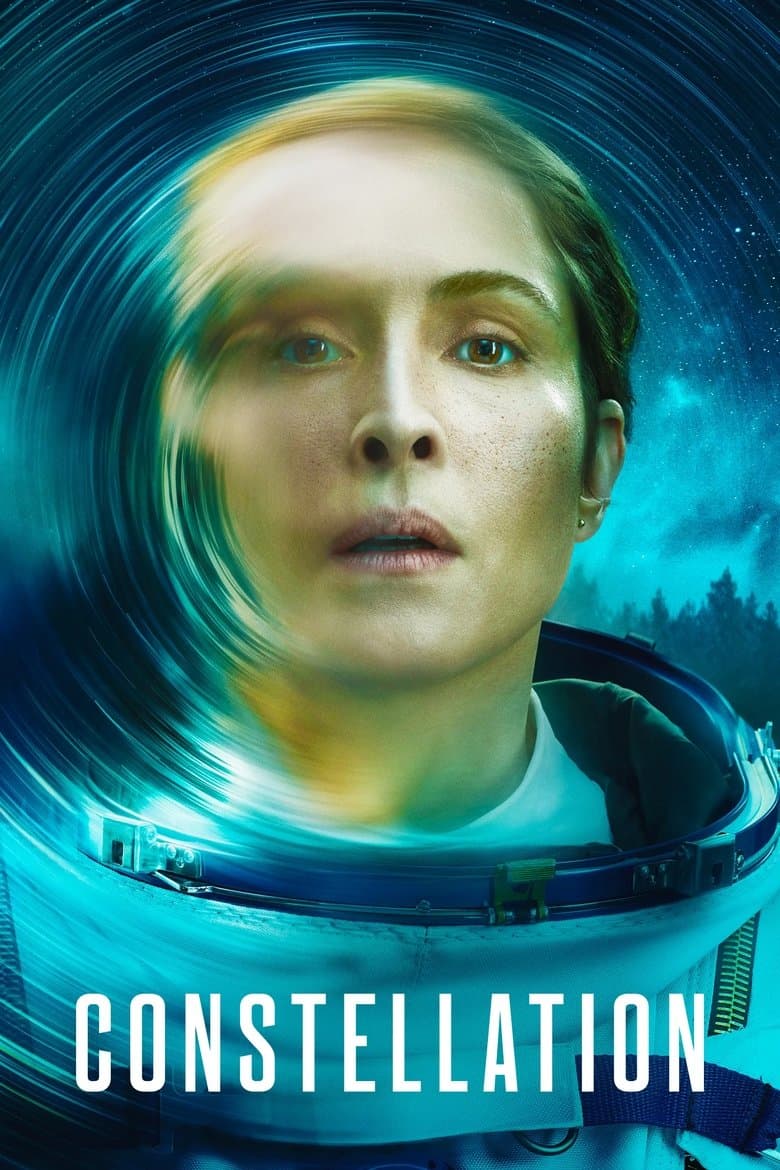
TV Show · 2024
When a fatal accident occurs on board the International Space Station, a lone astronaut makes the heroic journey back to Earth, only to discover key pieces of her life—including…
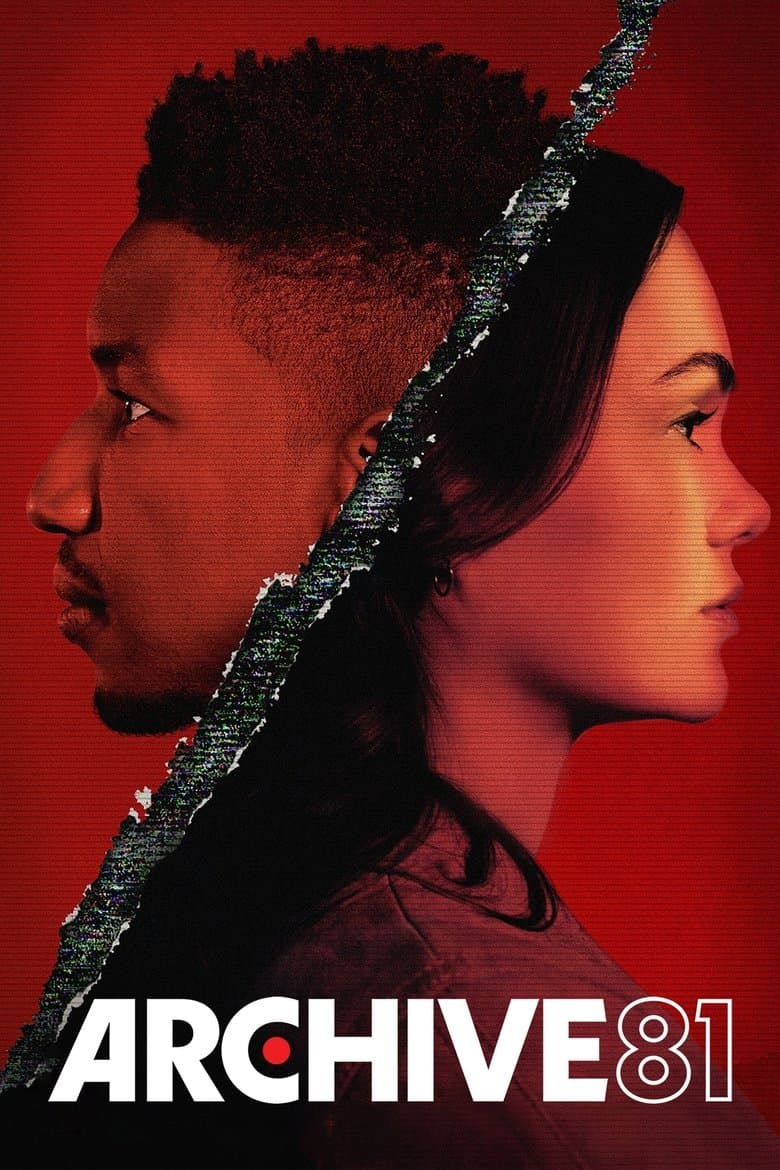
TV Show · 2022
An archivist takes a job restoring damaged videotapes and gets pulled into the vortex of a mystery involving the missing director and a demonic cult.
TV Show · 2021
Interconnected phone conversations chronicle the mysterious story of a group of strangers whose lives are thrown into disarray in the lead-up to an apocalyptic event.
TV Show · 2020
Young computer engineer Lily Chan investigates the secretive development division of her employer, a cutting-edge tech company based in San Francisco, which she believes is behind…
