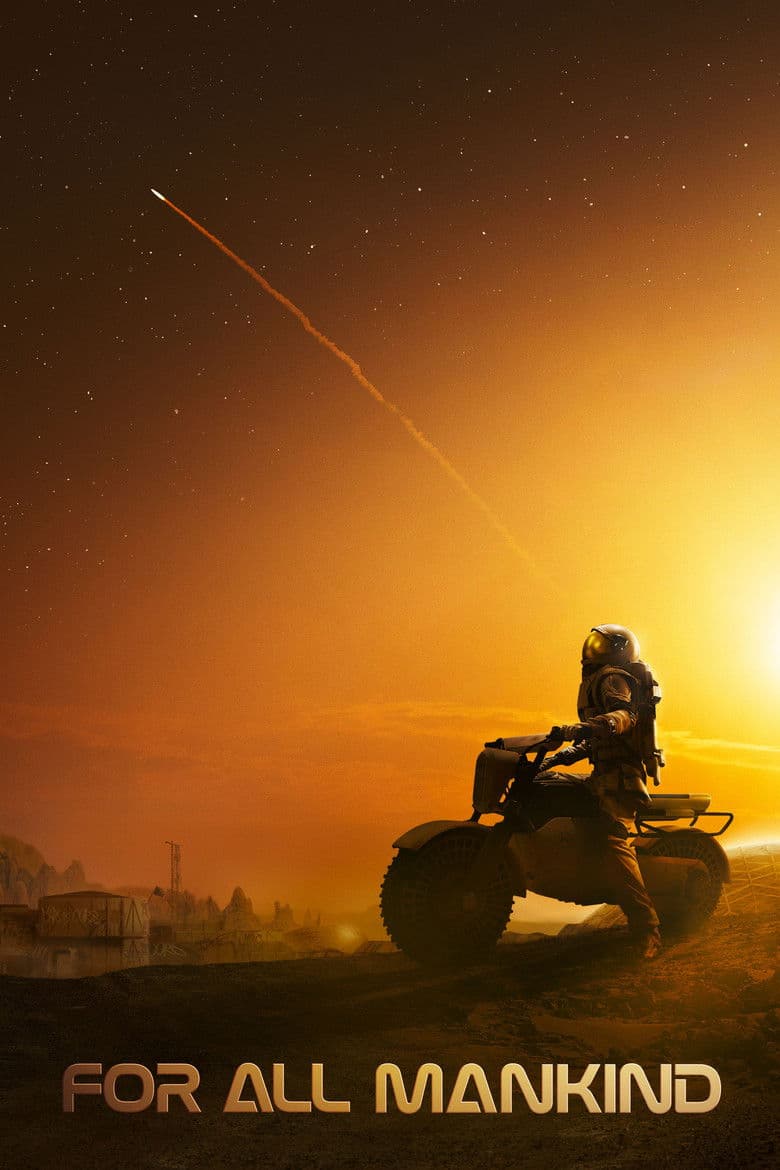
Started November 1, 2019 · Returning Series · Based on 5 seasons, 50 episodes through May 14, 2026 · TV-MA
For All Mankind is an alternate history TV show in which the Soviet Union reaches the Moon first in 1969 and then lands a woman there. The United States answers by speeding up NASA training for female astronauts. The space race never ends. It grows into a lasting lunar base, Mars settlement, commercial space work, and decades of personal and political drama across seasons that reach into later years.
Audience-visible progress themes are built into the premise, not stuck on the side. Women and minority characters rise into major heroic and leadership roles far earlier than real NASA history, and a long lesbian storyline leads to an openly gay female president who comes out on national TV. Regular talk covers sexism, racial progress, and queer secrecy, while early NASA and military culture are shown as unfair barriers the heroes must beat. The series still celebrates American space ambition, yet female power, racial inclusion, and queer visibility stay central to how the story is told.
Community feedback
Was our 88% Woke rating accurate?
Breakdown
These are the editorial factors and ratings behind our score for For All Mankind.
Woke representation / casting
Audience-visible diversity is a deliberate structural choice, not background texture. Season 1 installs women astronauts and Black and other minority leads far ahead of real era demographics. Later seasons keep elevating women and minorities into top competent roles while male leads remain important. The pattern is strong emphasis rather than total replacement casting.
68%
Woke political dialogue
The show returns often to clear talk about sexism, racial progress, and queer secrecy or visibility. Examples include pushback against women in space, Danielle’s race and command speech, FBI pressure around homosexuality, and Ellen’s public coming-out as president. Later seasons also cover militarization, colony autonomy, immigration-style friction, and greed. Not every episode is a speech, but identity and equity language is regular and hard to miss.
58%
Identity-driven story themes
The core idea is that a bigger space program speeds cultural progress for women, racial inclusion, and uneven queer rights. Gender-barrier and race-barrier plots drive many seasons rather than sitting as side stories. Ellen’s multi-season lesbian arc and presidency, plus other gay character beats and promotion of LGBTQ characters, put queer identity front and center for long stretches. Later seasons add class and colony politics without dropping the representation-forward design.
76%
Western institutional / cultural critique
Early seasons show period NASA and military culture as sexist, racially exclusionary, and hostile to gay employees, with traditional male gatekeeping as the foil. Later seasons critique Earth-power control of Mars, militarization, corporate greed, and immigration versus settler autonomy. This is modern progressive institutional critique layered onto alternate history, not only Cold War rivalry. American ambition and NASA excellence are still celebrated rather than fully torn down.
50%
Woke character or canon changes
This is an original series, not a franchise cast swap of prior characters. The score reflects identity rewrites of real U.S. space and political history, including earlier firsts for women and Black astronauts and an openly lesbian female president in the 1990s. Those changes are framed as desirable social progress. Real historical figures are mostly handled respectfully while milestones and power shift to new identity groups.
44%
Anti-woke backlash and complaints
Right-leaning and anti-woke viewers repeatedly complain about forced DEI, LGBT focus, women better at everything, and female-dominated power charts. Threads and posts call the show woke AF, feminist-first, agenda-heavy, or full of woke girlbosses. Some fans defend the diversity as story-serving. The volume of specific anti-woke complaints is real even without a single huge cable-news storm.
46%
Creator track record context
Cached creator scores sit low to moderate, with Moore around the low thirties and co-creators and many writers lower. There is no hardline activist stable. For this title, Moore and co-creators do design diversity and social change as outcomes of the alternate history. That still reads more as title content than a radical personal activism résumé.
29%
Production
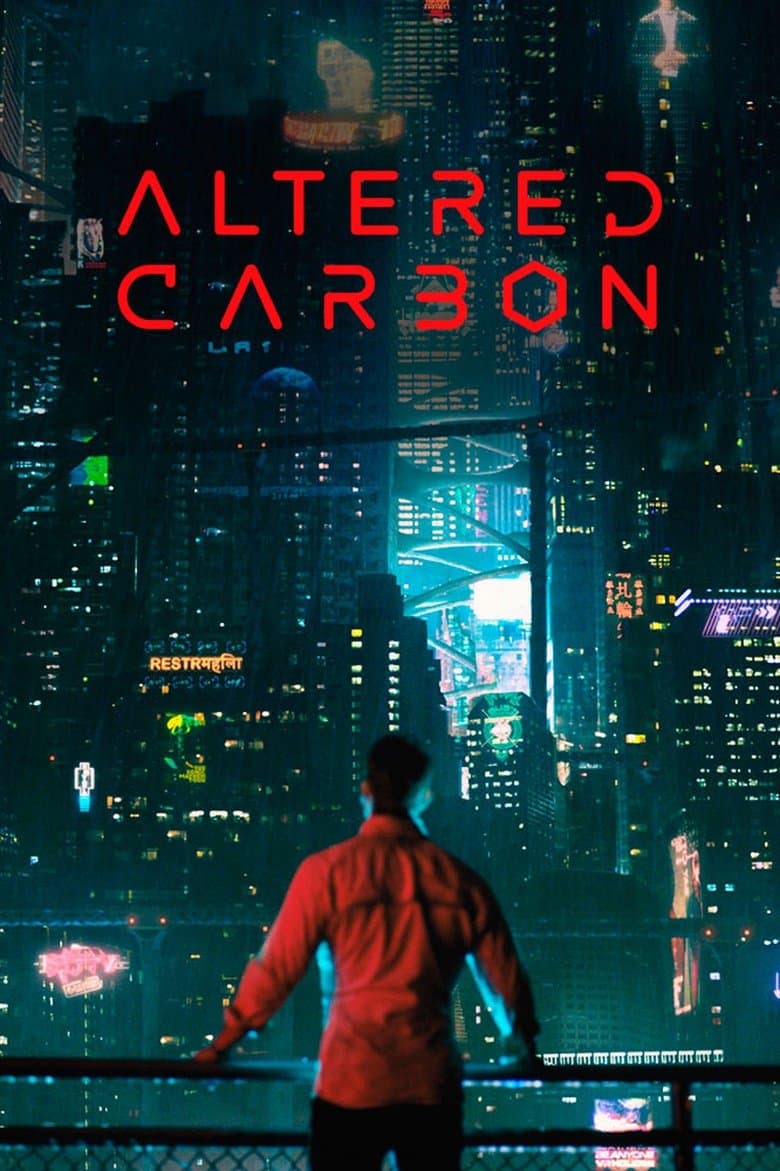
TV Show · 2018
After 250 years on ice, a prisoner returns to life in a new body with one chance to win his freedom: by solving a mind-bending murder.
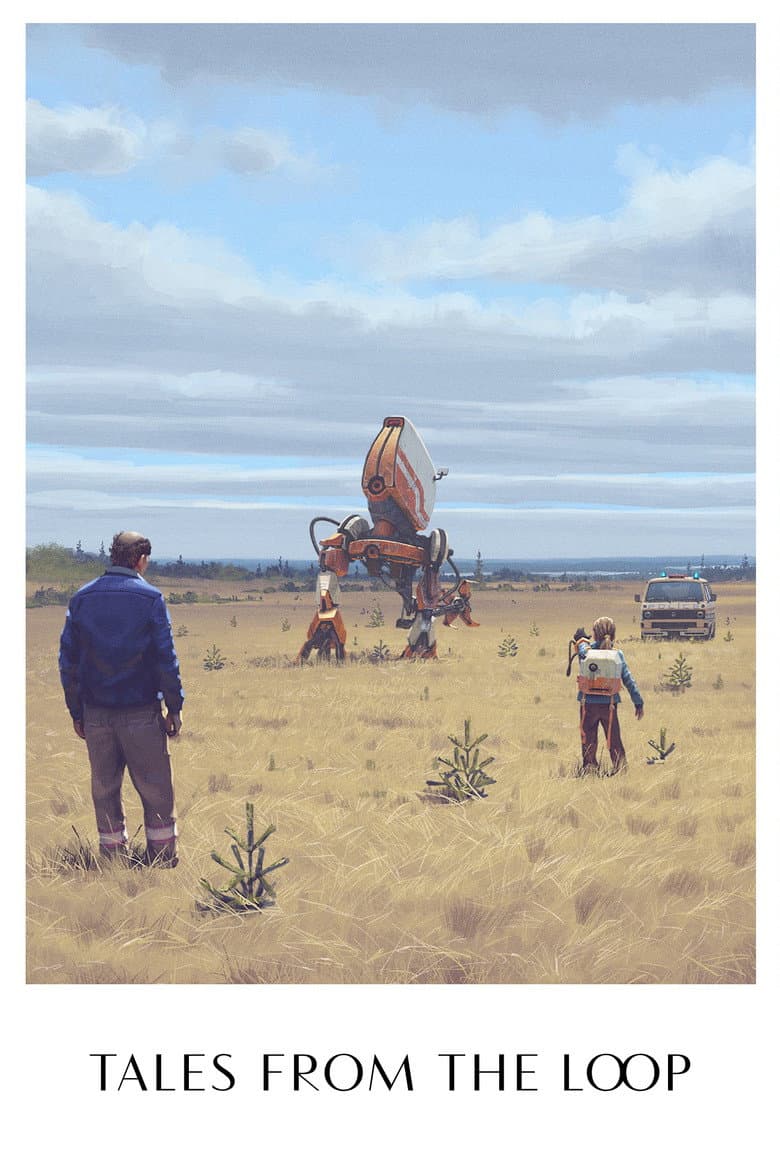
TV Show · 2020
The story of the town and people who live above “The Loop,” a machine built to unlock and explore the mysteries of the universe – making things possible that were previously…
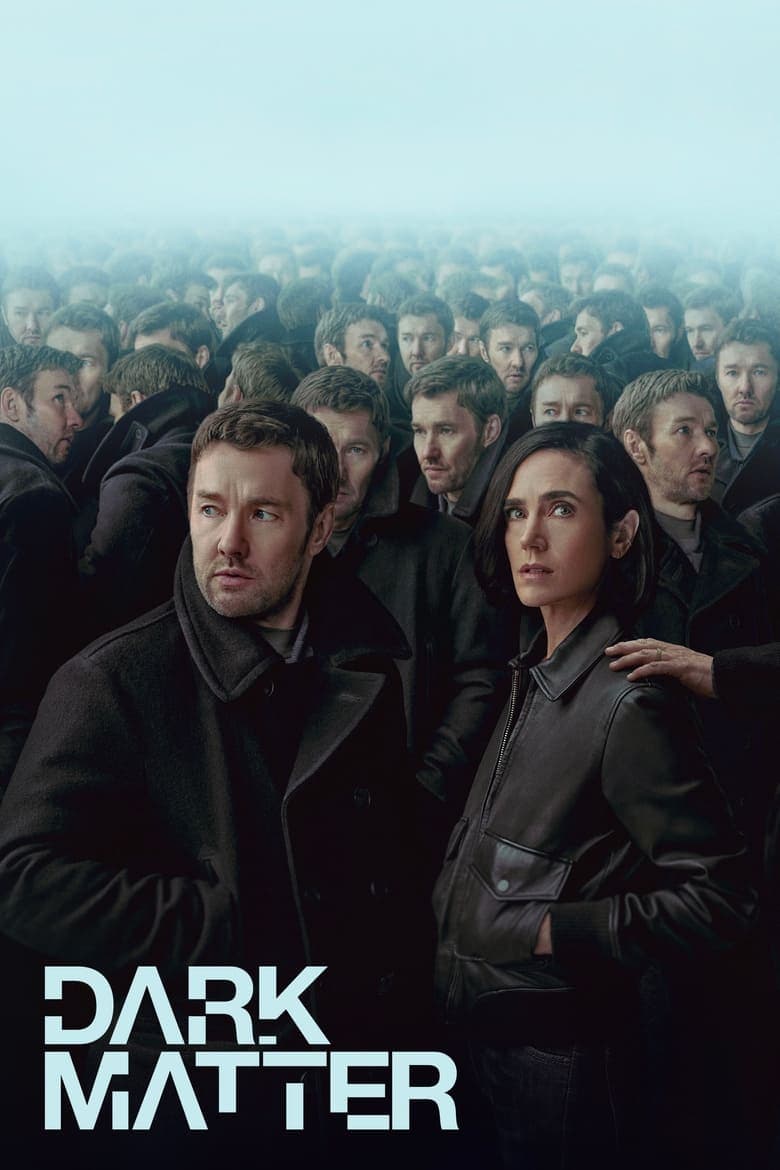
TV Show · 2024
Jason Dessen is abducted into an alternate version of his life. To get back to his true family, he embarks on a harrowing journey to save them from the most terrifying foe…

TV Show · 2022
The intricate and magical love story of Clare and Henry, and a marriage with a problem… time travel.
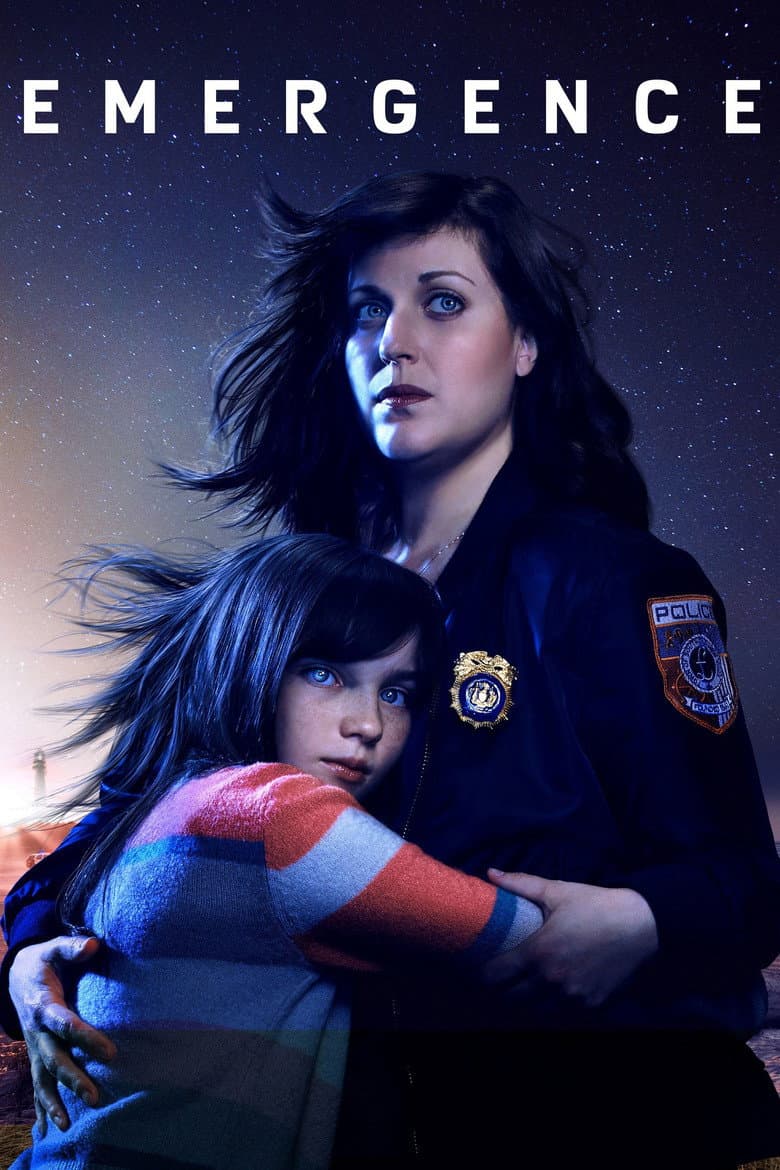
TV Show · 2019
A police chief takes in a young child she finds near the site of a mysterious accident who has no memory of what has happened.
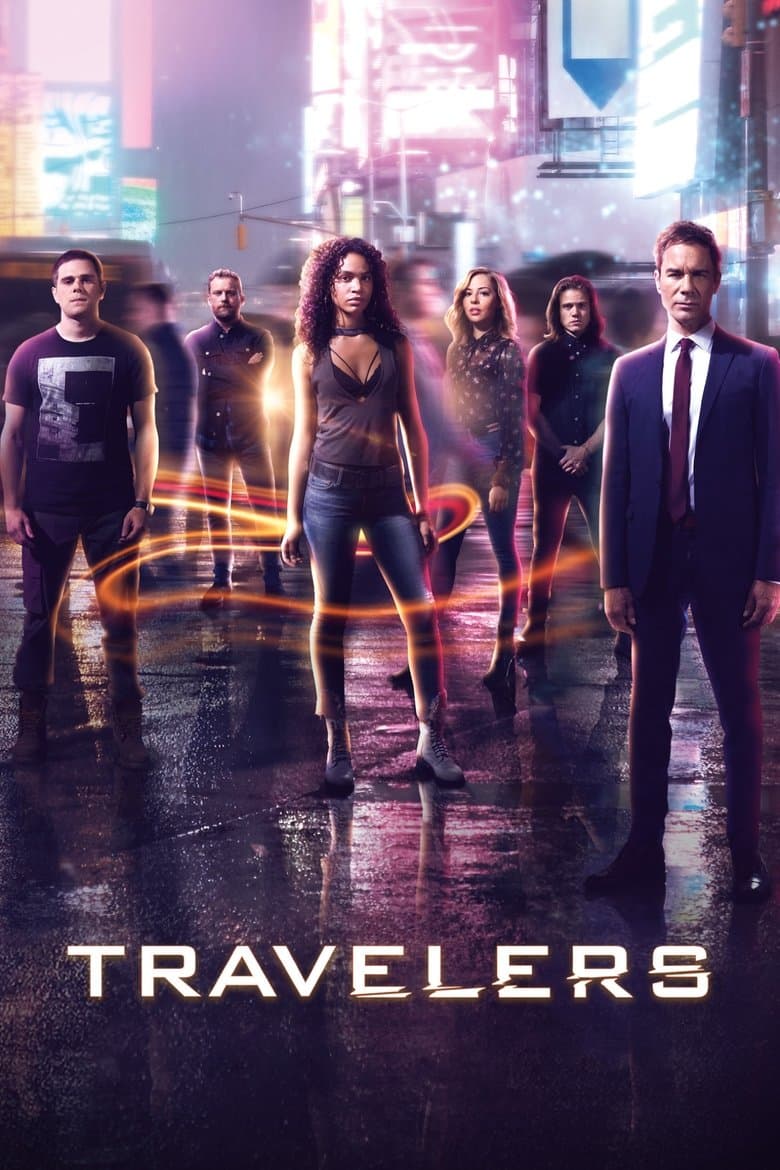
TV Show · 2016
Hundreds of years from now, the last surviving humans discover the means of sending consciousness back through time, directly into people in the 21st century.
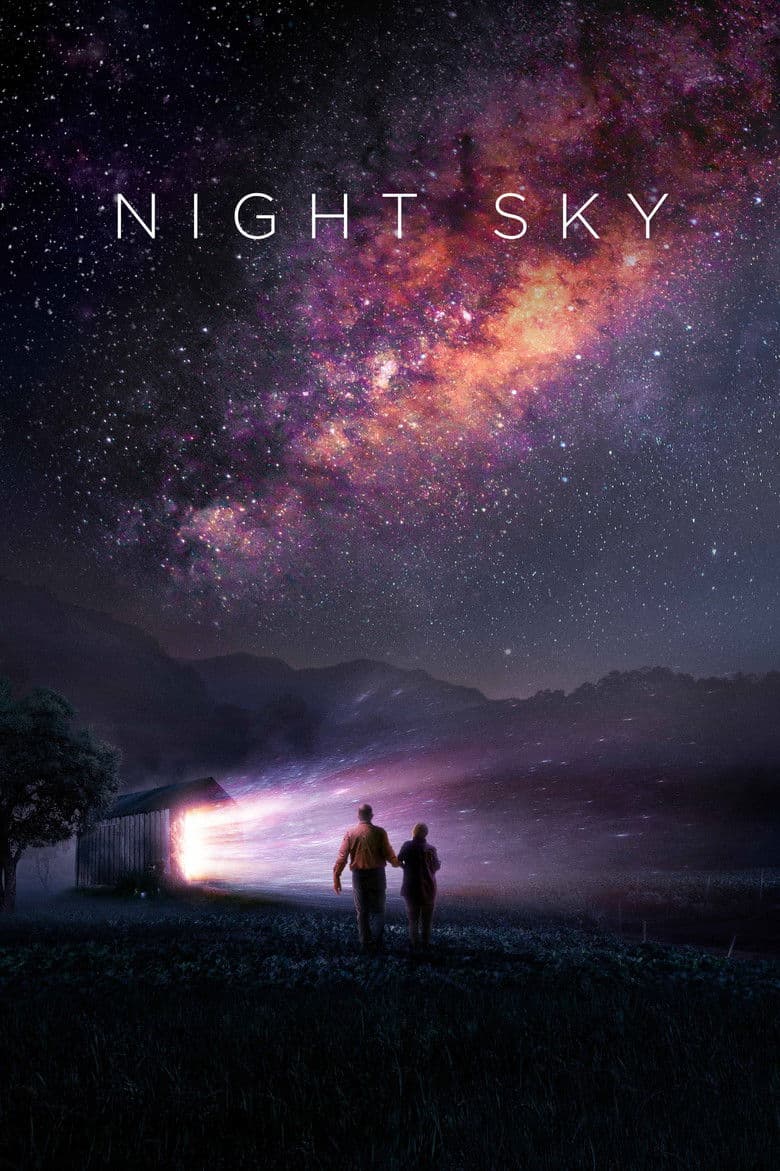
TV Show · 2022
Irene and Franklin York, a retired couple, have a secret: a Chamber buried in their backyard that miraculously leads to a strange, deserted planet.
TV Show · 2021
Interconnected phone conversations chronicle the mysterious story of a group of strangers whose lives are thrown into disarray in the lead-up to an apocalyptic event.
