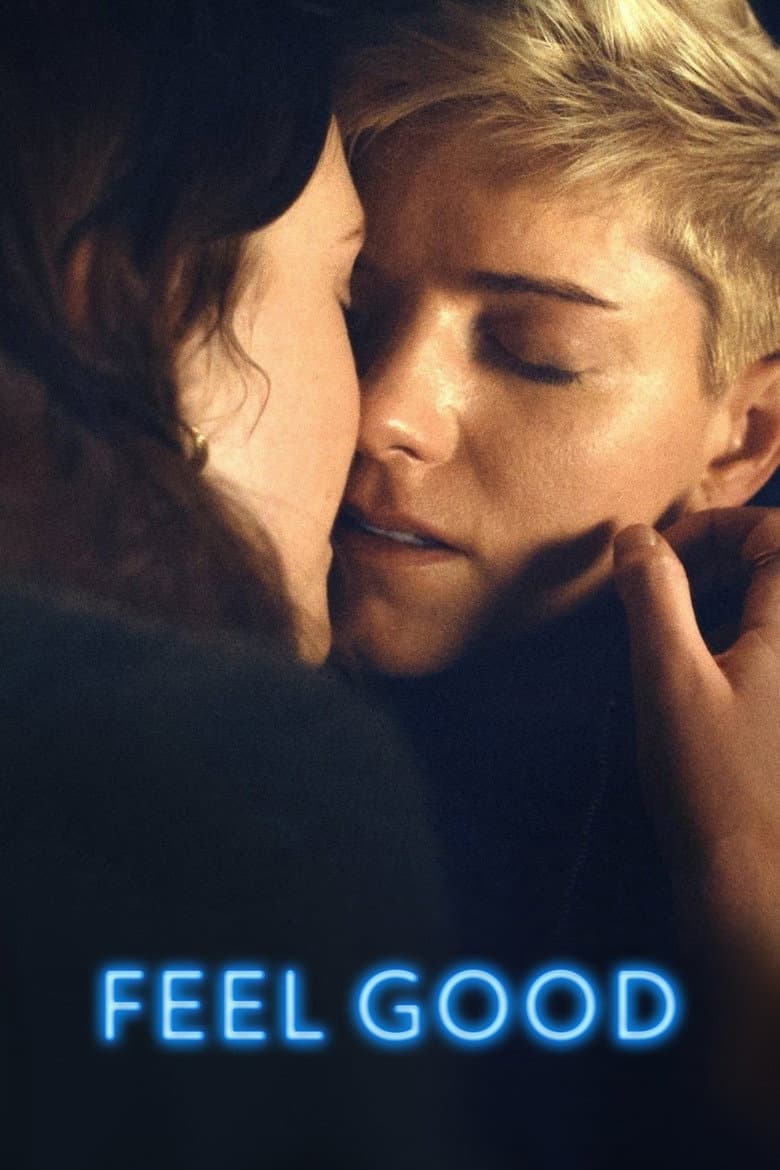
Started March 18, 2020 · Ended · Based on 2 seasons, 12 episodes through June 4, 2021 · TV-MA · 25 min
Feel Good follows Mae, a stand-up comic in London who is trying to stay sober after drug addiction. Mae falls into a fast, intense relationship with George, a schoolteacher who has only dated men and is afraid to tell people about the relationship. Mae's need for love and George's fear of being open keep turning small problems into bigger ones. The comedy is warm and silly, but both seasons also deal with relapse, family pain, sexual abuse, and trauma.
The show's main woke element is its queer focus. The central romance is between two women, and George slowly accepts that she is attracted to women. Mae also questions their gender, and season 2 makes a move toward a non-binary identity a clear part of the story. The show treats choosing how to describe yourself, pronouns, queer sex, and acceptance as normal and positive. These themes shape the romance, Mae's main character arc, and the ending, while the criticism of the male comedy world stays tied to recovery.
Community feedback
Was our 87% Woke rating accurate?
Breakdown
These are the editorial factors and ratings behind our score for Feel Good.
Woke representation / casting
The show puts a bisexual, gender-questioning comic and a woman in her first relationship with another woman at the center. Mae and George carry the romance through both seasons, so the queer casting is a main audience-visible feature. The wider main cast is mostly white, so this score is about the strong queer focus rather than a broad race-based casting pattern. Interviews and promotion also present the show as important LGBTQ+ representation.
78%
Woke political dialogue
Mae and George talk about sexuality, labels, and gender identity in both seasons. George challenges a student after he uses a homophobic slur. Season 2 adds talk about pronouns, non-binary identity, bisexuality, and a man who uses feminist language about sex. The show keeps these talks inside personal relationships instead of turning them into speeches about public policy.
35%
Identity-driven story themes
Mae and George's queer relationship is the main story across all 12 episodes. George moves from dating only men and hiding Mae to accepting her own attraction to women. Mae's struggle with gender and the meaning of labels grows from a side tension in season 1 into a clear season 2 arc. The ending accepts Mae's non-binary identity and lets the couple continue with a more open view of love.
91%
Western institutional / cultural critique
The show presents the comedy world as male-run and risky, and season 2 continues that concern. Mae's past with an older comedian and a TV plot about exposing a star's sexual misconduct make abuse of male power a continuing concern. George and her students also form a teacher activist group around causes such as trans rights and climate change. These ideas are visible, but the story stays focused on personal harm and recovery rather than a broad attack on Western institutions.
39%
Woke character or canon changes
Not relevant. Feel Good is an original story based partly on Mae Martin's life. It does not change a known character, canon, or historical figure.
0%
Anti-woke backlash and complaints
Not present. The supplied X pass found no anti-woke campaign, boycott, or review-bombing. One isolated Reddit comment used the phrase “woke crap” without naming a clear complaint, so it does not show meaningful backlash.
0%
Creator track record context
Mae Martin has a strong public record of LGBTQ advocacy and gender-related work. Ally Pankiw describes her work as shaped by a queer perspective and supports mentorship for women and queer filmmakers of color. Joe Hampson, Toby Stevens, Ben Farrell, and Hannah Mackay have no similar high-confidence record in the supplied context. The creator context is therefore strongly identity-focused, even though several producers have ordinary industry careers.
83%
Production
TV Show · 2016
In his funky California beach enclave, Chip's the go-to guy for personal insights. But he isn't quite as enlightened when it comes to his own baggage.

TV Show · 2016
Rebellious Mickey and good-natured Gus navigate the thrills and agonies of modern relationships.

TV Show · 2023
The lives of a realtor, a plumber and a former tennis star unexpectedly collide, exposing America’s obsession with true crime, murder and the slow-close toilet seat.
TV Show · 2019
To win back his ex-girlfriend, a nerdy teen starts selling ecstasy online out of his bedroom -- and becomes one of Europe's biggest dealers.

TV Show · 2019
Tony had a perfect life. But after his wife Lisa suddenly dies, Tony changes. After contemplating taking his own life, he decides instead to live long enough to punish the world…

TV Show · 2016
After being pulled into the webtoon world created by her father, a surgical resident gets entangled in a murder mystery involving the story's hero.

TV Show · 2026
The mayor of a New England town resolves to turn it into the next tourist hot spot, despite local warnings that it's cursed.
TV Show · 2019
Burned out on life, Miles undergoes a strange procedure at a strip mall spa -- and wakes to find he's been replaced by a better version of himself.
