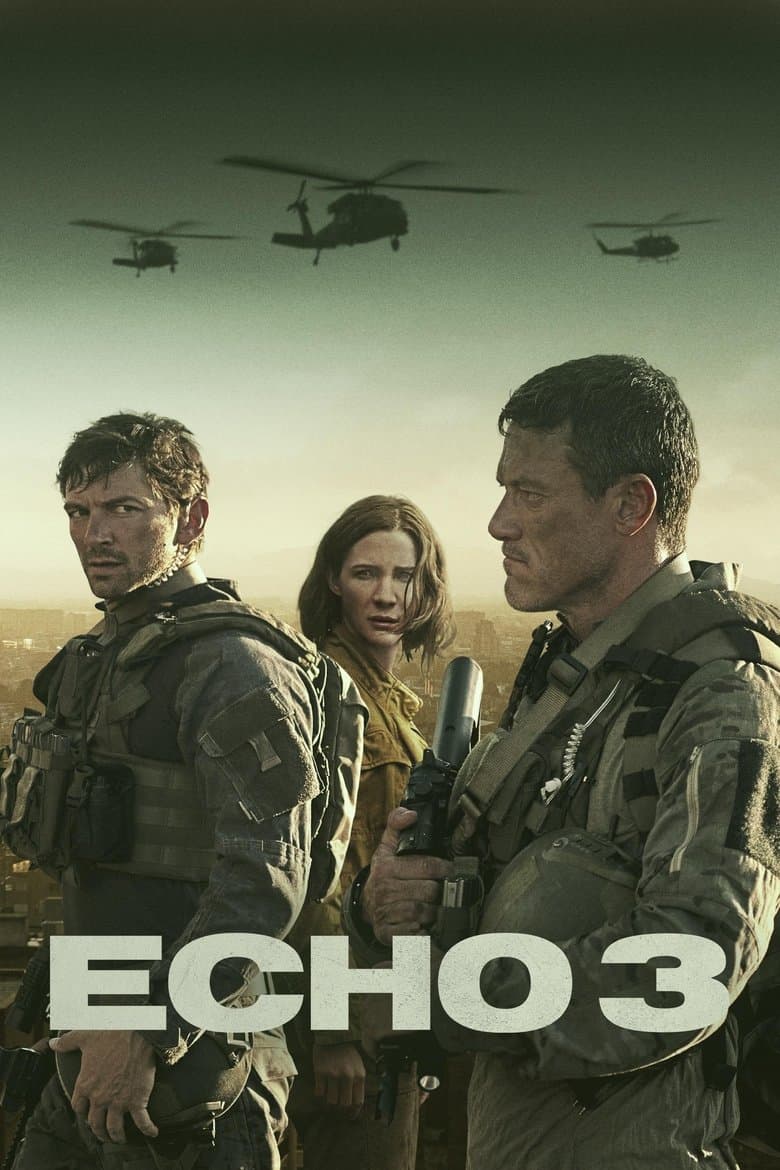
Started November 22, 2022 · Ended · Based on 1 season, 10 episodes through January 12, 2023 · TV-MA
Echo 3 follows Amber Chesborough, an American scientist studying psychedelic plants to help treat addiction. Rebels kidnap her near the Colombia-Venezuela border after they find a military tracking device and suspect she works for the CIA. Her husband Prince and her brother Bambi are Delta Force soldiers who leave official channels and launch a violent rescue. The show moves between cities, jungle camps, prisons, and battle zones, and its tone shifts from family drama to grim military thriller.
The show gives a major role to a brilliant black female scientist, and it also features a Latina journalist and Graciela, a young rebel leader with a girlfriend. The story treats Amber as a woman with secrets, strong will, and moral choices rather than only a helpless hostage. It repeatedly questions CIA secrecy, American power, military violence, government corruption, and the money gained from war. The ending stresses trauma and blame when Amber rejects her old marriage after the rescue, while Violeta warns that the attack has harmed local people and may start a war.
Community feedback
Was our 53% Woke rating accurate?
Breakdown
These are the editorial factors and ratings behind our score for Echo 3.
Woke representation / casting
The show places a brilliant black woman at the center as a scientist and CIA-linked operative. The show also gives major roles to a Black CIA ally, a Latina political reporter, and a young female rebel leader with a girlfriend. This repeated pattern makes representation audience-visible in the main rescue plot, although the story does not openly sell the casting as a diversity-first statement.
42%
Woke political dialogue
The show repeatedly discusses CIA secrecy, U.S. power in Latin America, the Colombian and Venezuelan governments, and the risk of a new war. Violeta brings these issues to radio, television, and meetings with the Colombian president. Prison officials also try to force Amber to condemn America and its democracy on camera, but the scene shows coercion rather than free support. The dialogue is important to the political thriller, but it is not mainly about identity politics.
39%
Identity-driven story themes
Amber is a brilliant woman who works with the CIA, survives captivity, and makes her own moral choices. Graciela leads the rebels, and the show presents her girlfriend as part of that storyline before the girlfriend is killed. Violeta is also a powerful journalist who challenges officials and keeps pushing the truth into public view. These identity-visible themes recur through the season, but the main story remains a kidnapping, rescue, family trauma, and war thriller.
34%
Western institutional / cultural critique
The show repeatedly presents CIA secrecy, a wealthy arms family, political cover-ups, military force, and drug money as sources of harm. Violeta says leaders use the crisis for power, while the rescue leaves civilians dead and risks a war between Colombia and Venezuela. The finale makes Prince and Bambi face the damage caused by their violent choices. This is a recurring Western institutional / cultural critique, but it is not framed around race, gender, or modern identity politics.
46%
Woke character or canon changes
Not relevant. The show changes its Israeli source setting and story details, but no confirmed woke identity-driven canon change was found.
0%
Anti-woke backlash and complaints
Several Reddit commenters called Graciela’s same-sex relationship a forced diversity check and called the show a liberal or leftist story. Other viewers argued about U.S. propaganda, bad writing, military mistakes, or Amber’s ending without calling the show woke. The supplied X research found no dedicated anti-woke thread, boycott, or review-bombing, so the complaints are small and fringe.
24%
Creator track record context
Mark Boal has a low political profile and no strong identity-politics record in the cached context. Omri Givon has no high-confidence public record of activist or identity-driven politics. Claudia Llosa and several writers have socially aware work about women, inequality, Indigenous communities, climate, or race. The overall creative record is mixed and mostly mild, with title-specific interviews focusing on Latin American power, journalism, and psychedelic research.
25%
Production
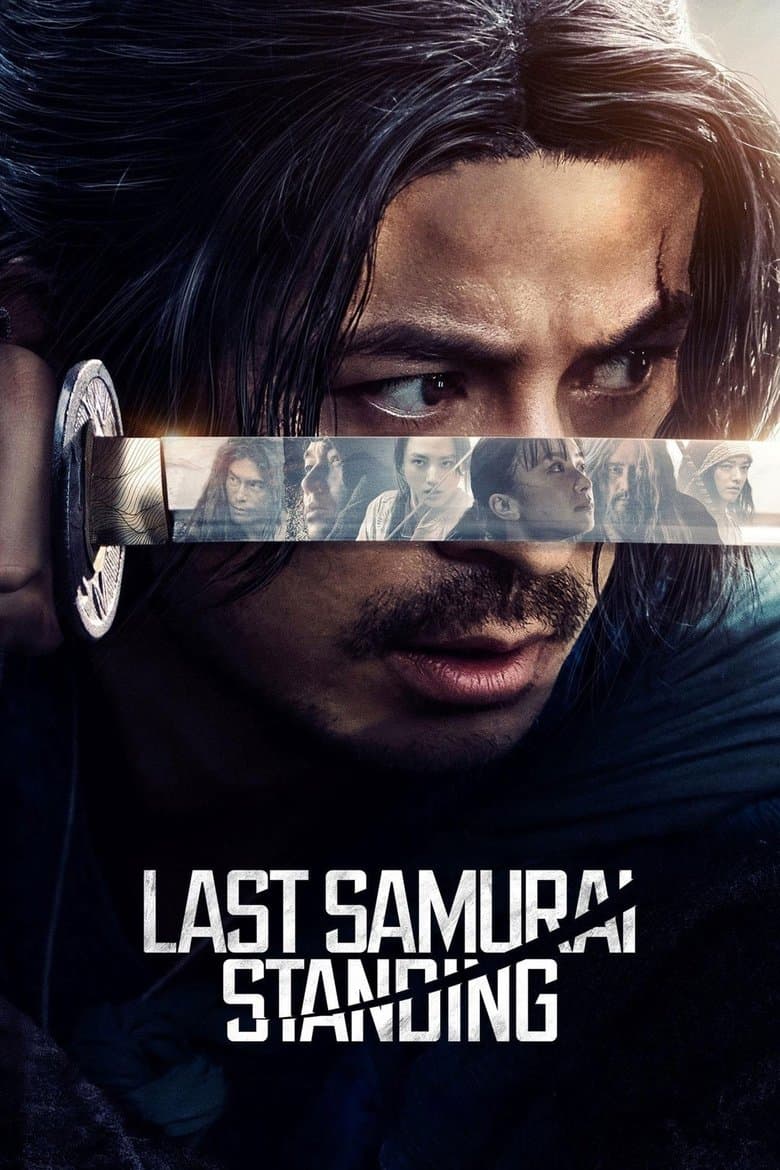
TV Show · 2025
In the early Meiji era, Shujiro, once known as an undefeated samurai, decides to participate in a deadly survival game to save his family and villagers.
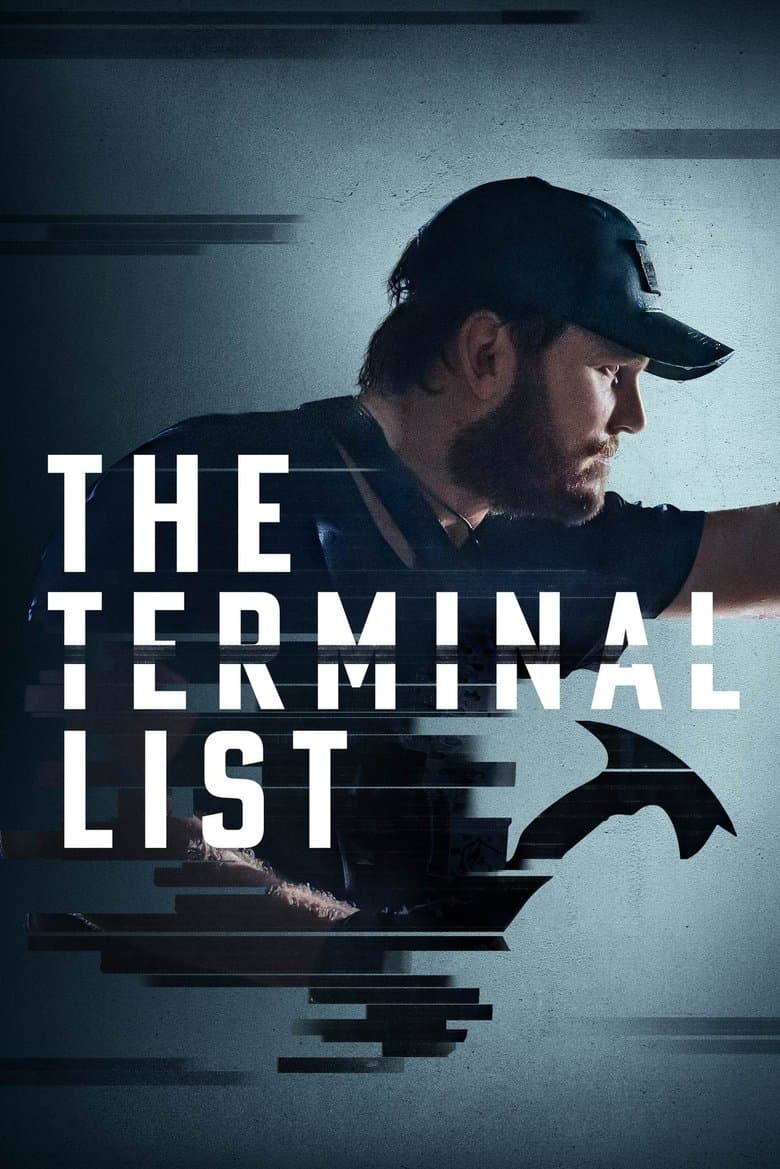
TV Show · 2022
Navy SEAL Commander James Reece turns to vengeance as he investigates the mysterious forces behind the murder of his entire platoon.
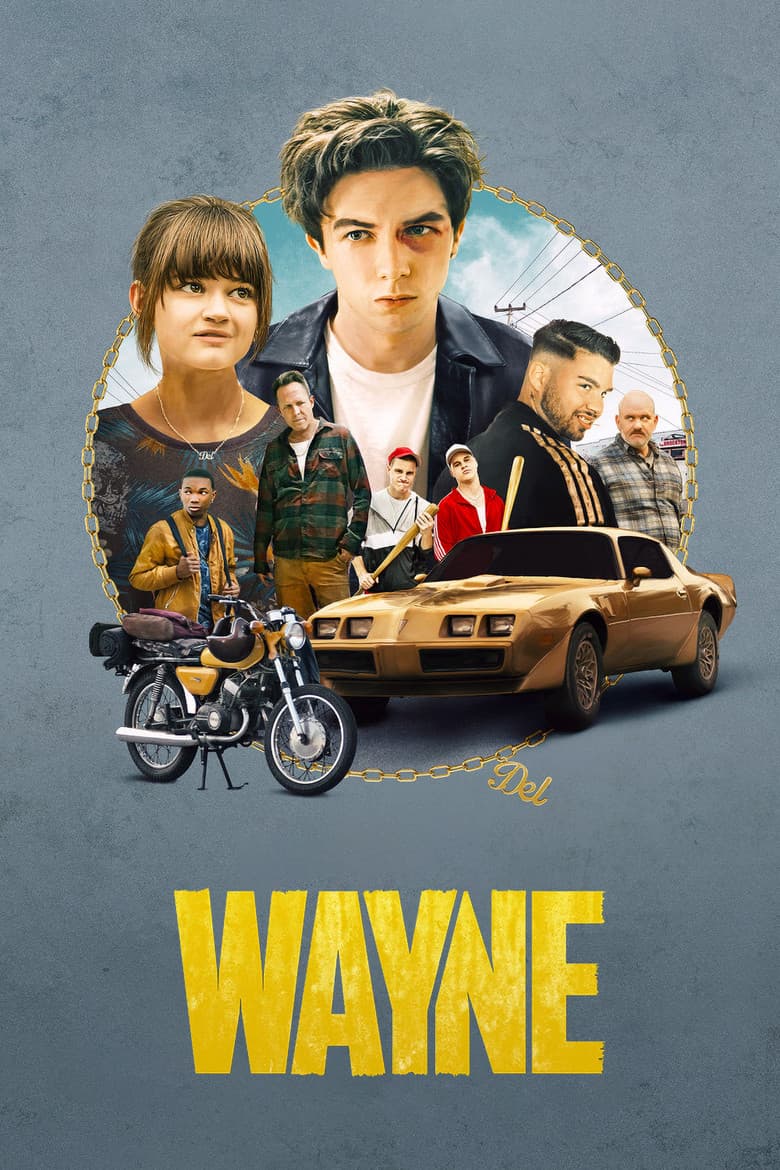
TV Show · 2019
In this gritty and sometimes bloody tale, sixteen year-old Wayne sets out on a dirt bike with his new crush Del to take back the 1978 Pontiac Trans Am that was stolen from his…
TV Show · 2022
When a small plane crashes in the middle of the Canadian wilderness, a lone survivor must battle the elements — and her personal demons — to stay alive.
TV Show · 2018
When CIA analyst Jack Ryan stumbles upon a suspicious series of bank transfers his search for answers pulls him from the safety of his desk job and catapults him into a deadly…
TV Show · 2022
Escaped convict Lin Ford flees to the teeming streets of 1980s Bombay, looking to disappear. Working as a medic for the city's poor and neglected, Lin finds unexpected love…
TV Show · 2016
Bob Lee Swagger is an expert marksman living in exile who is coaxed back into action after learning of a plot to kill the president.
TV Show · 2016
The story of Mac Conway, a Marine who returns home to Memphis from Vietnam in 1972 and finds himself shunned by those he loves and demonized by the public.
