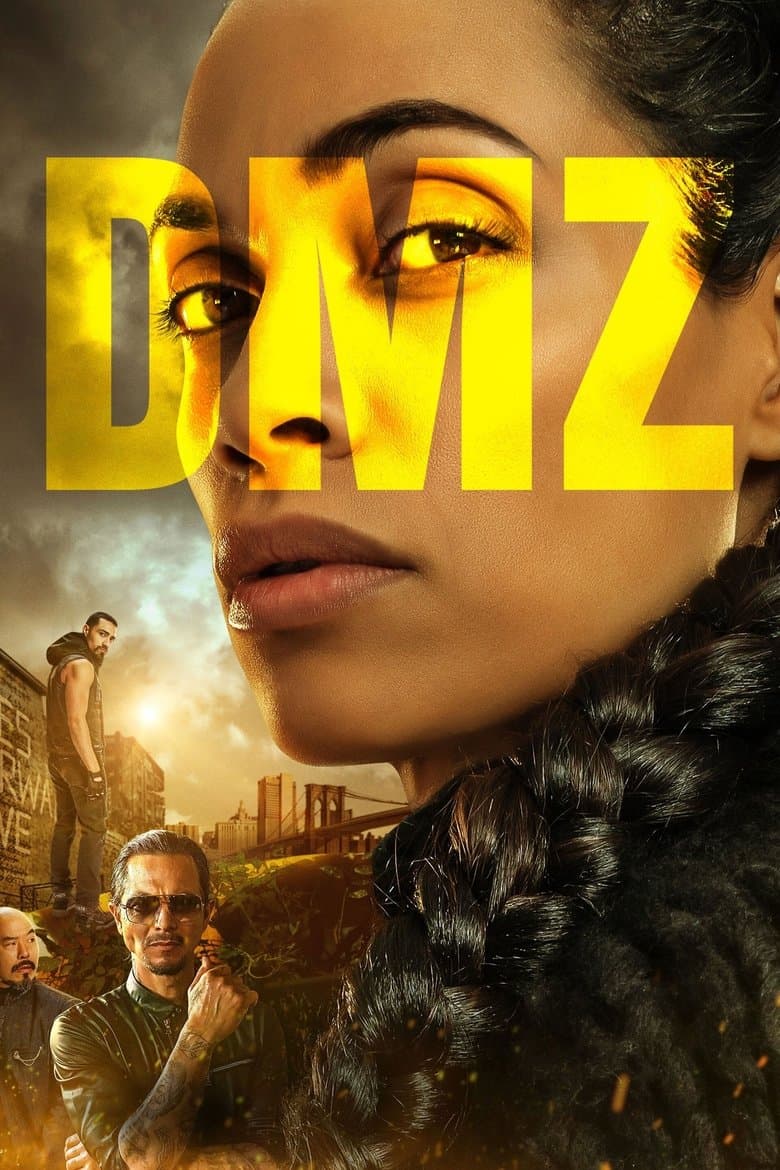
Started March 17, 2022 · Ended · Based on 1 season, 4 episodes through March 17, 2022 · TV-MA · 59 min
DMZ follows Alma Ortega, a New York medic who returns to Manhattan to find Christian, the son she lost during the evacuation. Eight years after a second American Civil War, the island sits between the United States and the Free States and survives through gangs, local leaders, and fragile deals. Alma soon learns that Christian is alive as Skel, a feared killer who works for his father, Parco Delgado. The four-part story mixes family pain, gun violence, elections, and a colorful but dangerous city, while keeping a serious but hopeful tone.
The show puts a Latina mother at the center and makes her the strongest moral and political force in the city. Alma gains support from neglected residents, challenges two male power brokers, and becomes governor after promising health care, fair resources, peace talks, and shared rule. The story presents the DMZ as a home built by people abandoned by larger governments, and it favors community action over old power systems. These ideas recur through the election and Alma's struggle to break the cycle of violence, while family and rebuilding remain more important than race, sexuality, or identity politics.
Community feedback
Was our 63% Woke rating accurate?
Breakdown
These are the editorial factors and ratings behind our score for DMZ.
Woke representation / casting
The show centers Rosario Dawson as Alma Ortega, a Latina medic, and gives major roles to Latino, Asian American, and black characters. Manhattan can naturally support a mixed cast, so the score does not rest on ethnicity alone. Patino said putting Dawson and Benjamin Bratt at the center was a mandate after they had often played side roles, and Dawson's press coverage stressed representation of marginalized people. Alma is also a prominent female healer, candidate, and governor, while female bodyguards protect Wilson.
42%
Woke political dialogue
The season returns to the election, debates, and the question of who should rule Manhattan. Alma calls for fair resources, health care, peace talks, shared leadership, and a voice for people left behind. The story presents these ideas as an answer to war and division. The speeches stay broad and do not push a detailed current race or sexuality platform.
25%
Identity-driven story themes
The show centers a woman from a community abandoned by larger governments. Alma becomes a moral leader and then governor while male leaders use violence, fear, and control. The DMZ is shown as a place where mixed communities build a new society from the ground up. The theme of people creating their own future recurs through the election and final speech, but motherhood and family remain the main focus.
34%
Western institutional / cultural critique
The United States and the Free States leave Manhattan trapped between a war and local power struggles. The city answers failed outside rule with elections, community control, health care, and shared resources. Male bosses often use violence and old power habits, while Alma argues for diplomacy and a new system. The show criticizes war, abandonment, and power abuse more than Christianity, family, or Western culture, so the critique is present but limited.
28%
Woke character or canon changes
The comic centers Matty Roth, a white male photojournalist who enters Manhattan to report on the war. The show removes him as the lead and makes Zee, renamed Alma Ortega, a Latina medic and mother. The change shifts the story from a reporter's view of war and media to a woman-led search, election, and family drama. Patino called putting Rosario Dawson and Benjamin Bratt at the center a mandate, which makes the identity change part of the public creative framing.
64%
Anti-woke backlash and complaints
Some comic fans called the change from Matty Roth to Alma a woke or leftist rewrite. Other posts said the show had been wokeified and objected to replacing a white male hero with a woman of color. Many other viewers focused on poor writing, weak world building, or the gap from the comic instead of ideology. The anti-woke reaction appeared mostly on Reddit and fan forums, so it was real but limited.
24%
Creator track record context
Ava DuVernay has a strong cached record of stories about Black experiences and racial injustice, and the show uses her company and directs the pilot. Brian Wood's cached record includes political activism, environmental themes, media power, and female-centered representation. Paul Goodwin Garnes has a cached record of films about Black life and civil rights. Roberto Patino's stored context is mainly craft-focused, so the project has a mixed but clear representation-focused background.
48%
Production
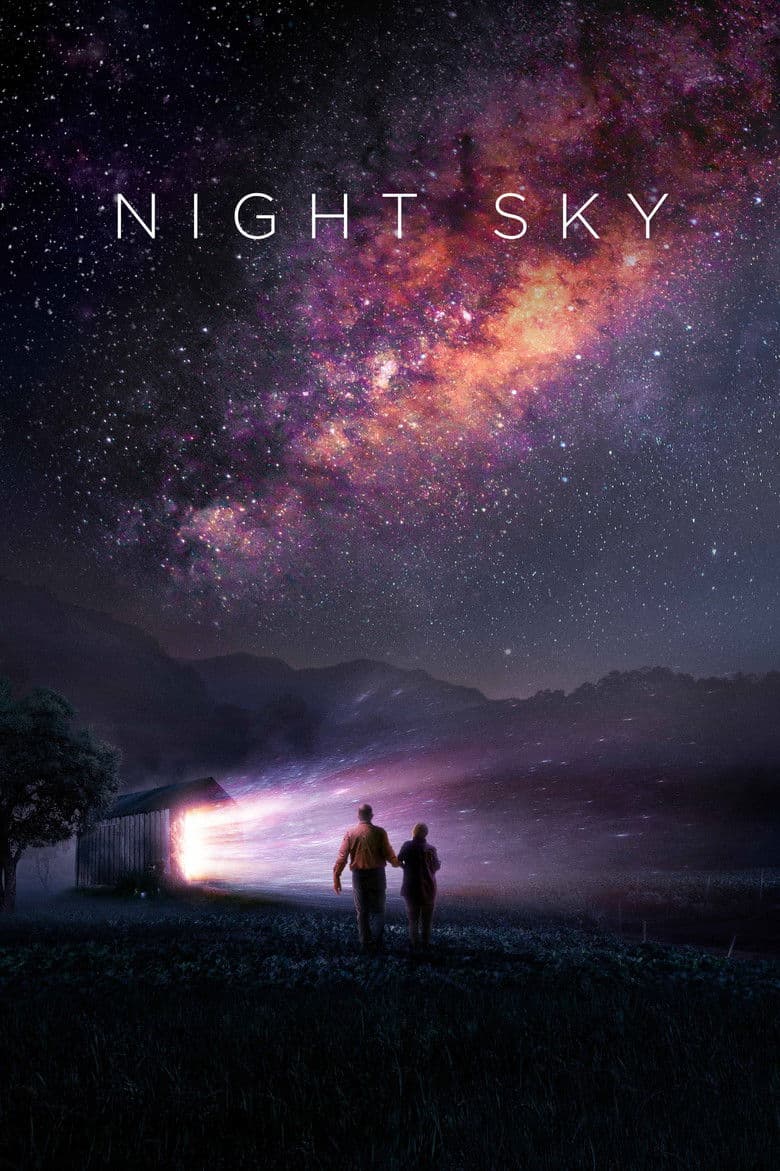
TV Show · 2022
Irene and Franklin York, a retired couple, have a secret: a Chamber buried in their backyard that miraculously leads to a strange, deserted planet.
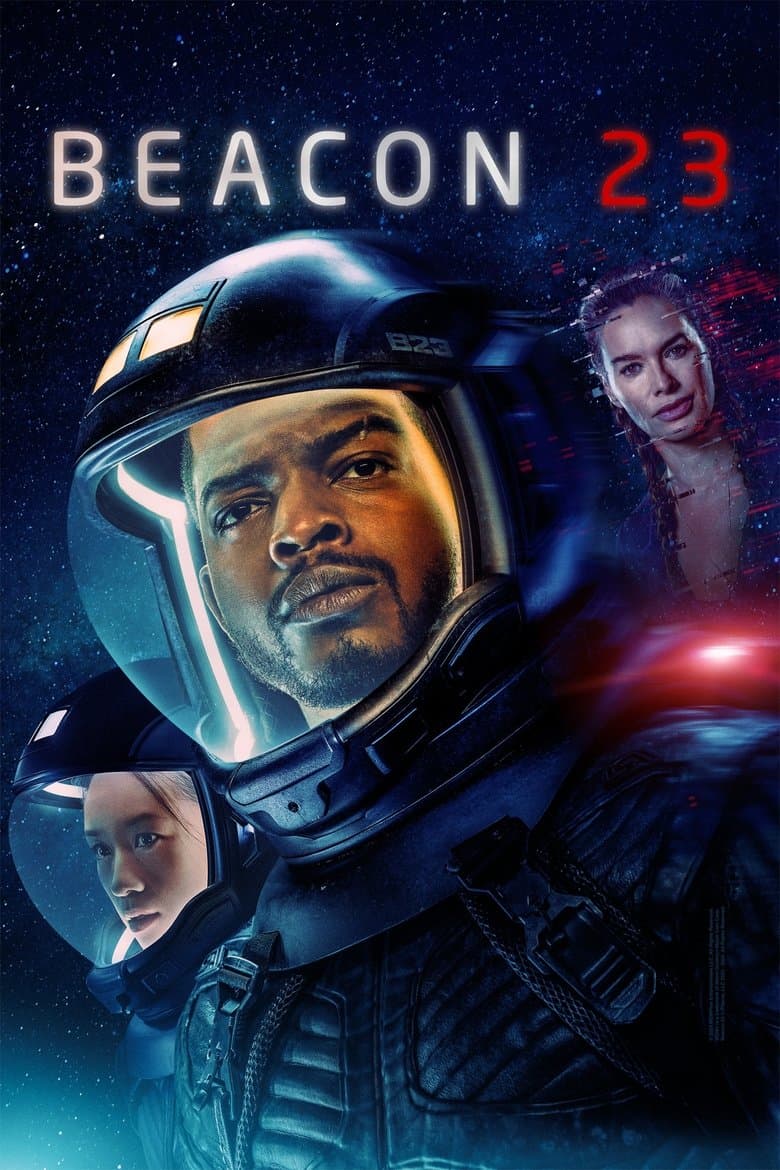
TV Show · 2023
Aster Calyx and Halan Kai Nielsen are inextricably drawn to Beacon 23. Navigating one threat after another, they unravel the beacon’s mysteries, just in time to face their most…

TV Show · 2023
At the brink of going to hell, Yee-jae must cycle through twelve separate lives and twelve separate deaths in this reincarnation drama.
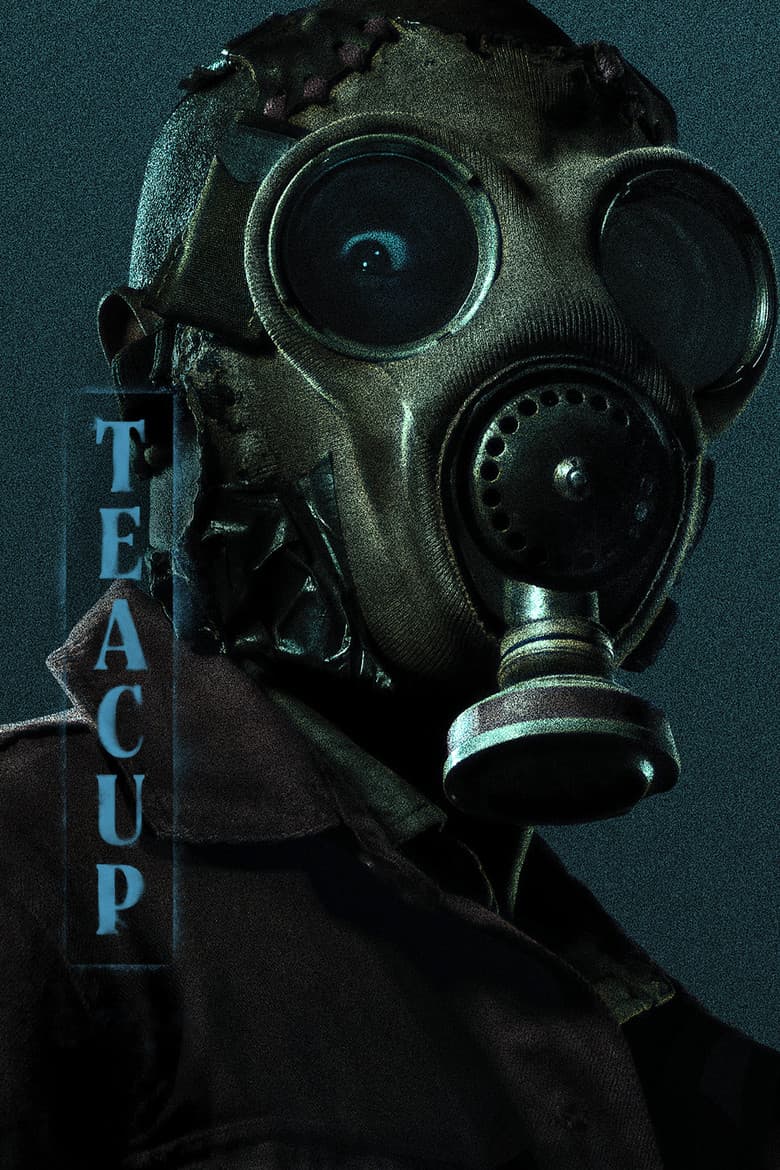
TV Show · 2024
A mysterious event traps people on a rural Georgia farm, forcing them to unite against an unknown, deadly force. A young boy named Arlo becomes central to uncovering the truth.
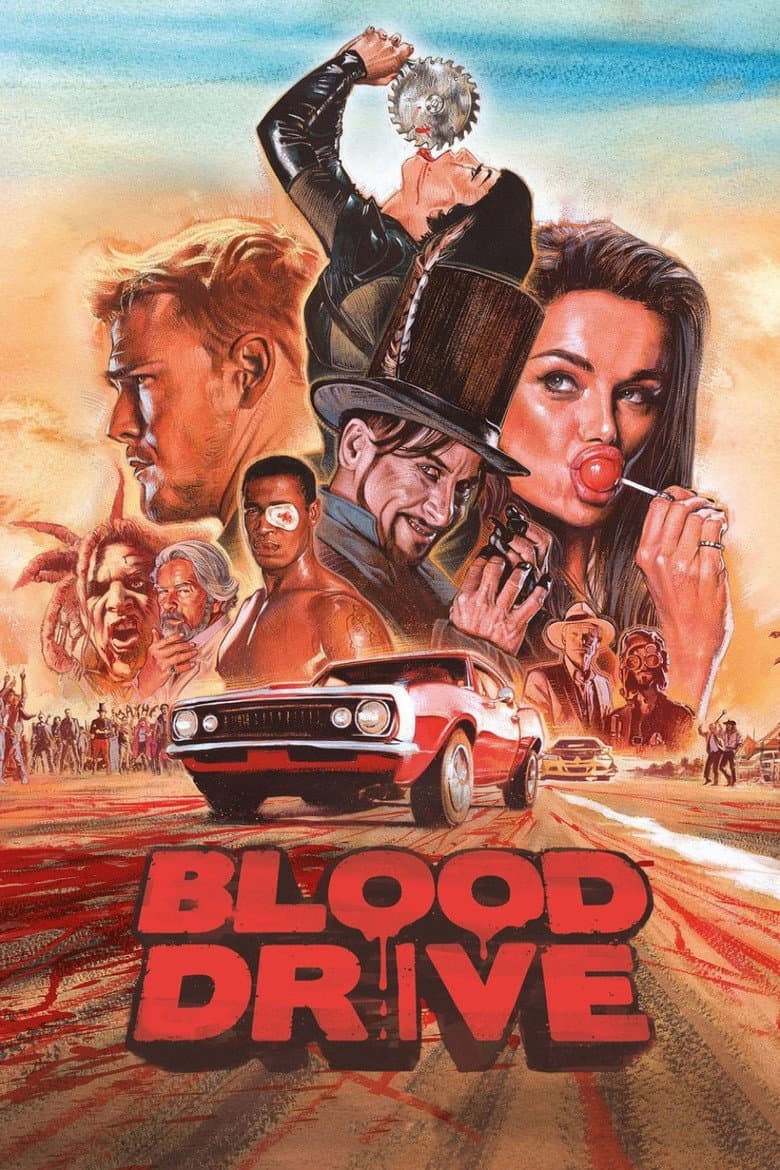
TV Show · 2017
Set in a near-dystopian future, a former cop is forced to take part in a death race where the cars run on human blood. You lose a leg and you lose your head.
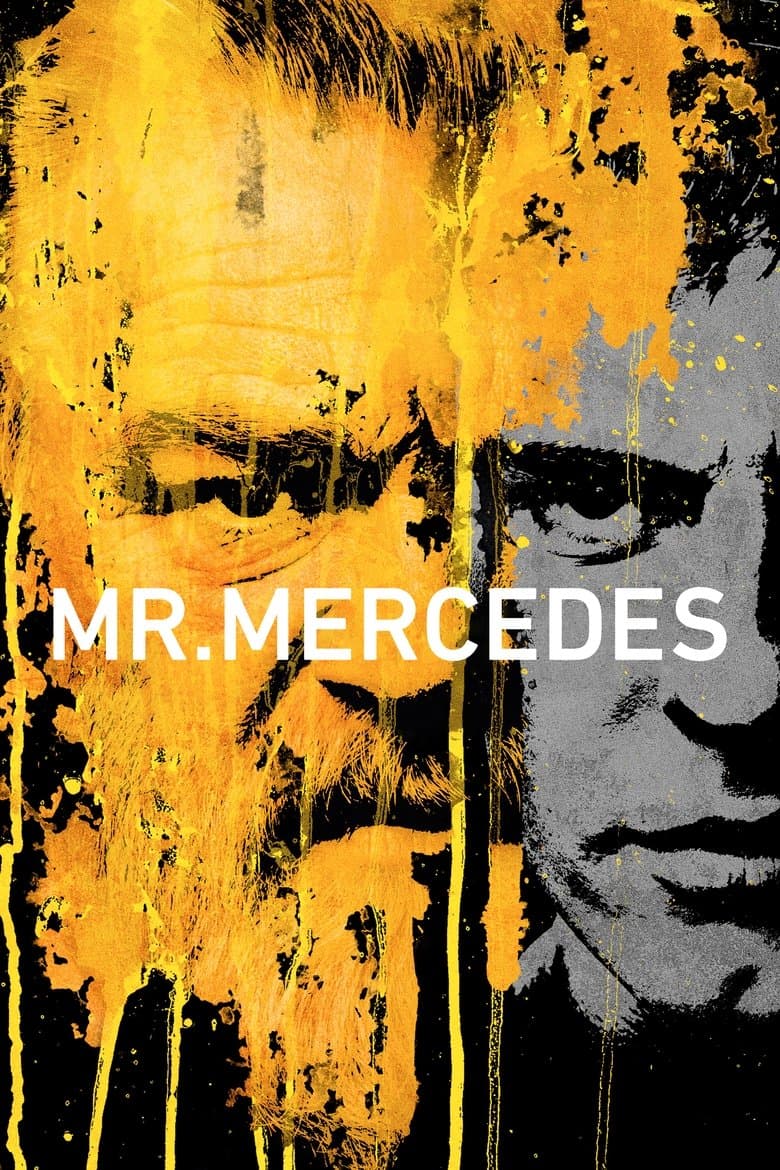
TV Show · 2017
A demented serial killer taunts a retired police detective with a series of lurid letters and emails, forcing the ex-cop to undertake a private, and potentially felonious, crusade…
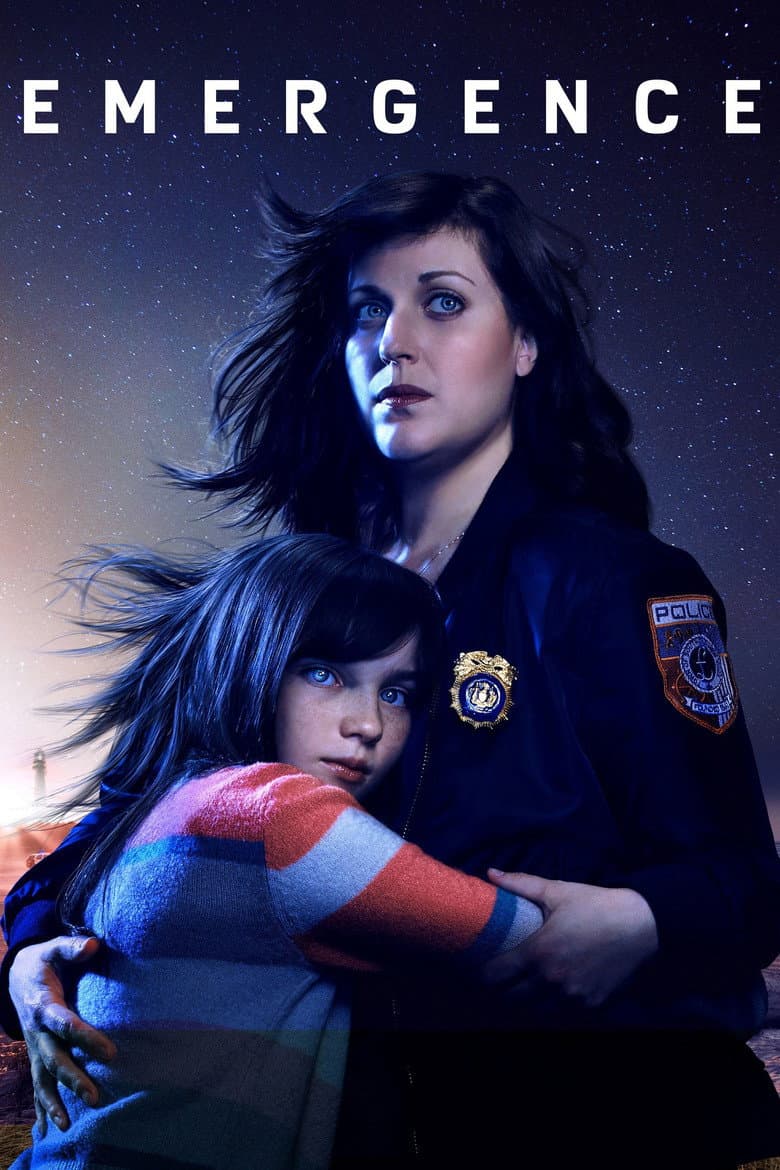
TV Show · 2019
A police chief takes in a young child she finds near the site of a mysterious accident who has no memory of what has happened.
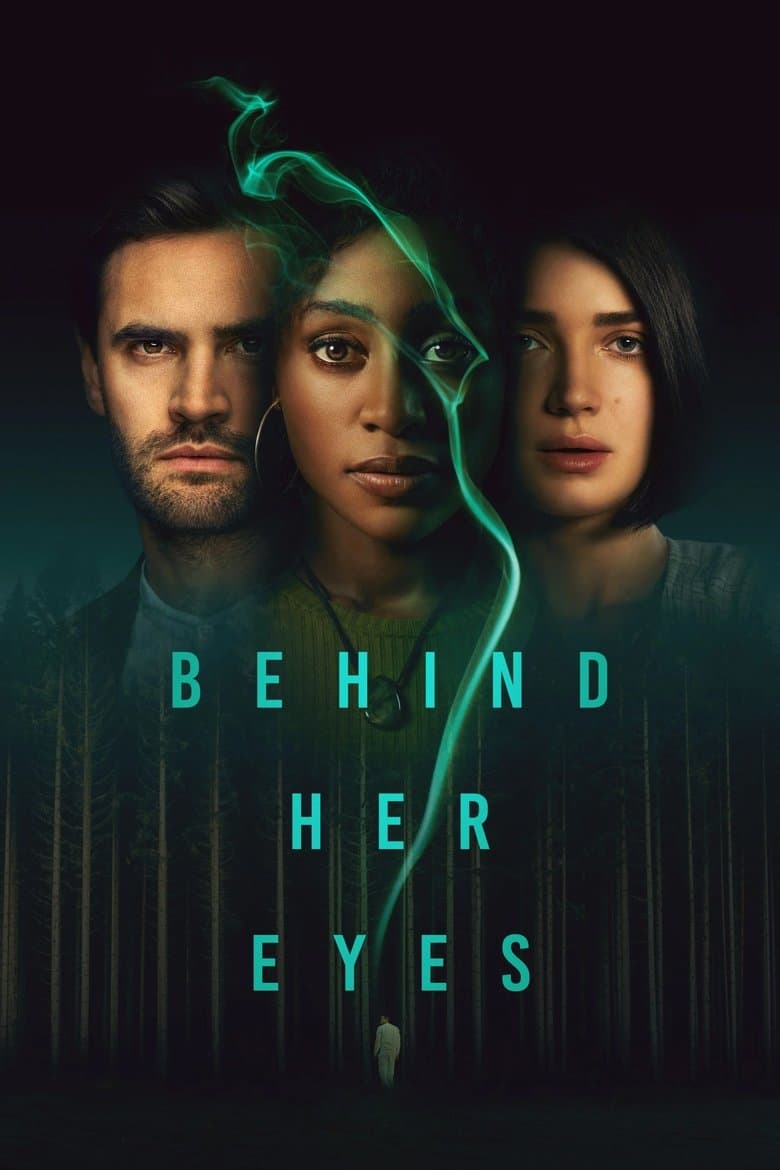
TV Show · 2021
A single mother enters a world of twisted mind games when she begins an affair with her psychiatrist boss while secretly befriending his mysterious wife.
