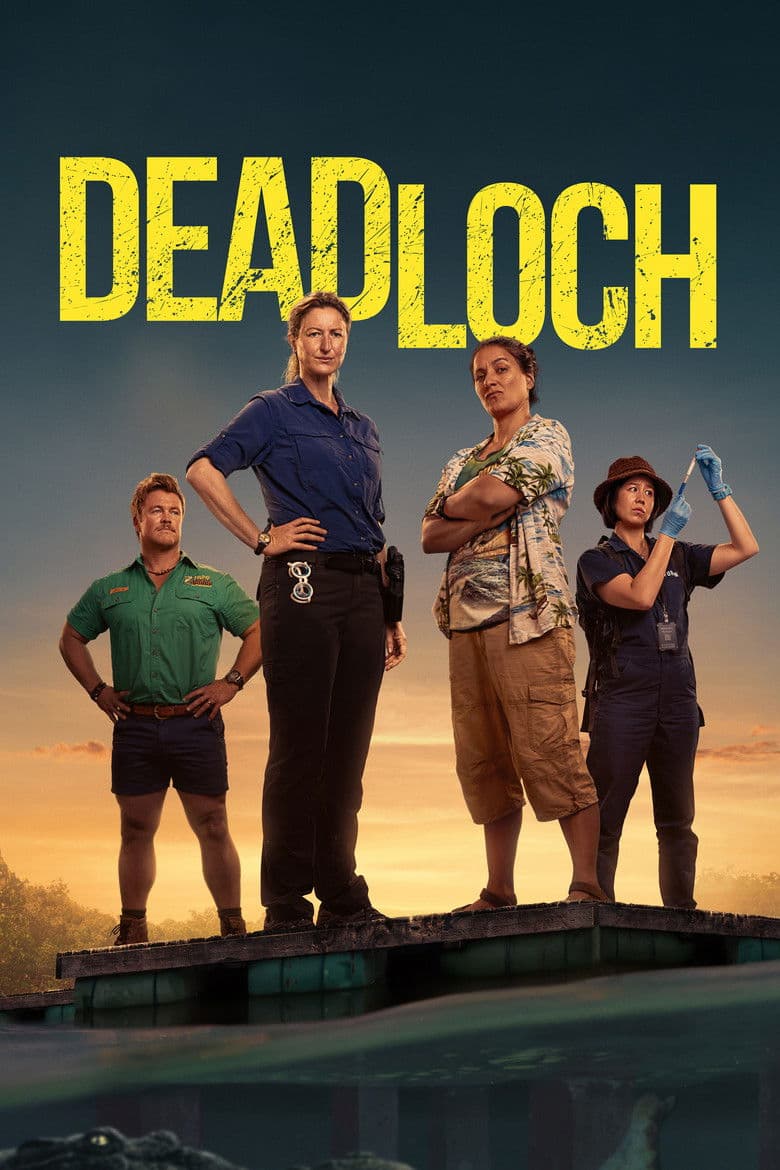
Started June 1, 2023 · Returning Series · Based on 2 seasons, 14 episodes through March 19, 2026 · TV-MA
Deadloch follows Dulcie Collins, a careful senior police officer in a small Tasmanian town. She is pulled back into major casework when a man is found dead before the town’s winter festival. Eddie Redcliffe, a loud and reckless detective from Darwin, joins her and clashes with her calm style. Their search uncovers more bodies, old secrets, and a killer who believes he is helping women. The show mixes a grim murder mystery with crude jokes, strange locals, and a warm story about friendship.
Both seasons put women at the center of the police work and make queer life part of the town itself. Dulcie is married to Cath, and many police officers, couples, and side characters are lesbian or queer. The first season turns male violence and male entitlement into the main subject of the killings, while women and girls gain more power in the town. The second season keeps that focus and adds an Indigenous ranger who challenges police thinking about land, race, and young people. These themes are repeated through the cases and character changes, but the show remains a comedy crime story rather than a pure political drama.
Community feedback
Was our 87% Woke rating accurate?
Breakdown
These are the editorial factors and ratings behind our score for Deadloch.
Woke representation / casting
The show puts two women in the main detective roles and gives them most of the police power. Season 1 places queer actors and lesbian characters in prominent police and town roles. Season 2 adds a Brown woman detective and an Indigenous woman ranger to major roles. The creators also describe the choice as moving the usual straight white male detective aside and building a world of lesbians.
75%
Woke political dialogue
The first season uses direct words about patriarchy, toxic men, women being oppressed, and male allies during the murder case. The killer uses feminist language to defend killing abusive men, and the detectives reject his claim that he is helping women. Season 2 has Miki challenge Eddie’s carceral thinking and connect policing with land theft and the treatment of Indigenous people. The show returns to these arguments across both seasons, although they do not fill every episode.
55%
Identity-driven story themes
The series makes queer life a central part of its world instead of a small side plot. Season 1 follows a lesbian detective, her wife, and a town where women and queer people hold much of the social power. The murder plot turns male violence, male entitlement, and feminist ideas into the main source of conflict. Season 2 adds Indigenous identity, land theft, and unequal policing to the continuing character story.
82%
Western institutional / cultural critique
Season 1 mocks male entitlement through a patronizing commissioner, macho local men, and a campaign to make the town like its past. The story treats the old male order as a problem and gives women more authority in the town and police force. Season 2 shows macho officers, police bias, and the harm that tough-on-crime thinking can cause Indigenous families. Miki openly challenges Eddie’s policing ideas, so the institutional criticism remains tied to the case rather than appearing in one stray scene.
72%
Woke character or canon changes
Not relevant. Deadloch is an original series and does not change established characters, source material, or real historical figures.
0%
Anti-woke backlash and complaints
A few small social-media accounts called the show a woke or feminist lecture. Other isolated posts complained about anti-White messaging or gender and pronoun themes. The complaints had little or no reach, and no large campaign, review-bombing effort, or boycott was found. Broader discussion was mostly fans praising the lesbian cast and queer themes.
15%
Creator track record context
The two creators have a clear feminist satire background through Get Krack!n. Their cached context links that work to sexism, media culture, and the role of privileged white women. Cached context also links director Beck Cole to Indigenous culture, racism, colonisation, and Indigenous women’s experiences. This record supports a clear social-theme signal, and the show’s themes match it.
55%
Production
TV Show · 2019
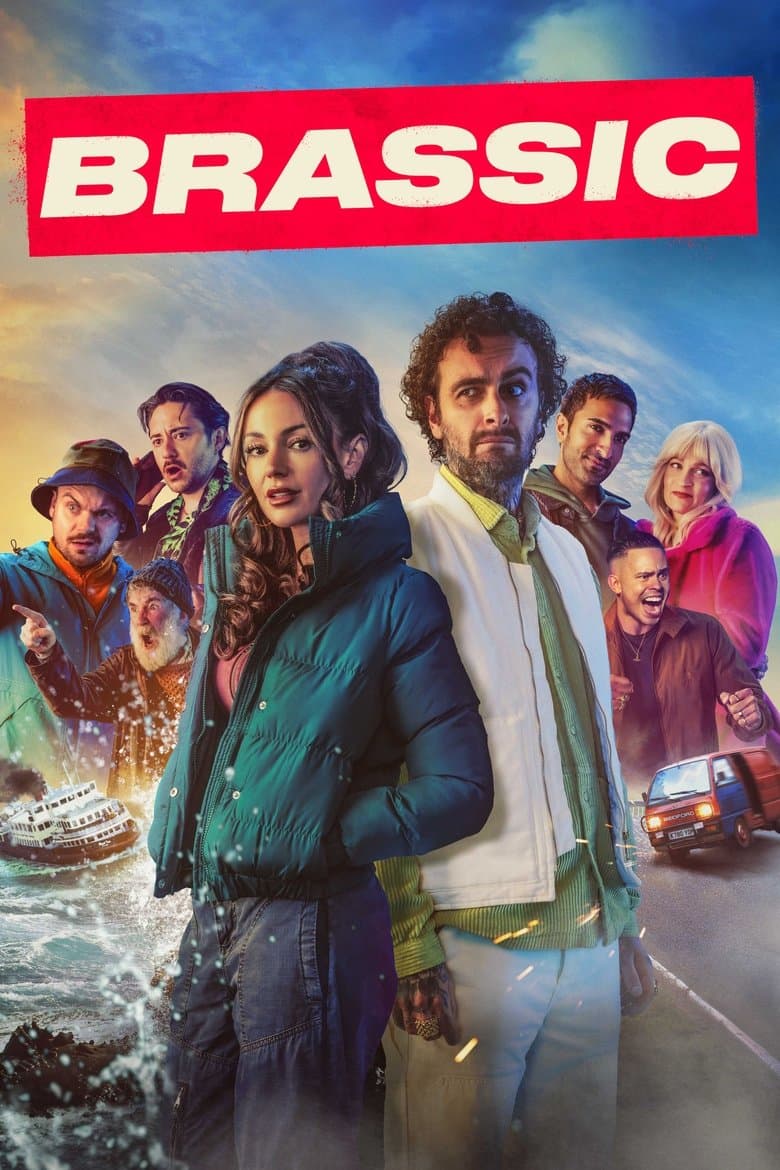
A group of working-class friends finding unconventional ways to win at life in suburban northern England. These lads have dealt, scammed, bribed and conned their way through…
TV Show · 2017
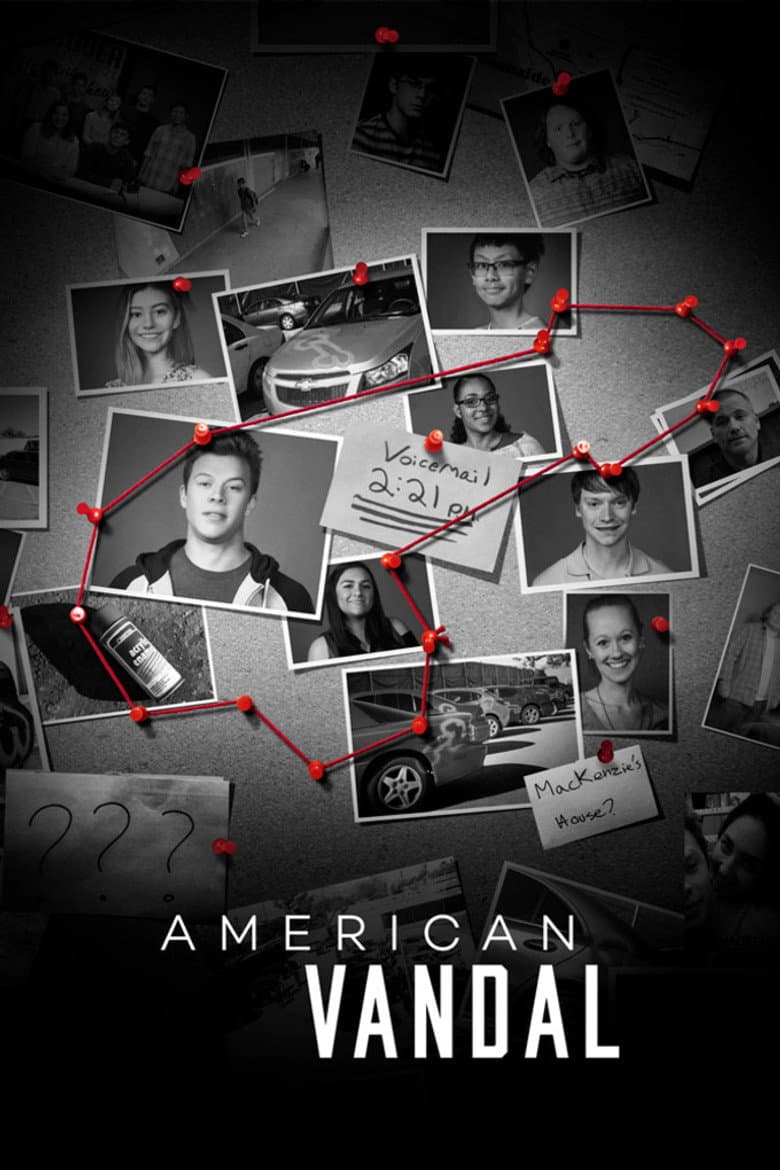
In the wake of their first documentary's success, Peter and Sam seek a new case and settle on a stomach-churning mystery at a Washington high school.
TV Show · 2024
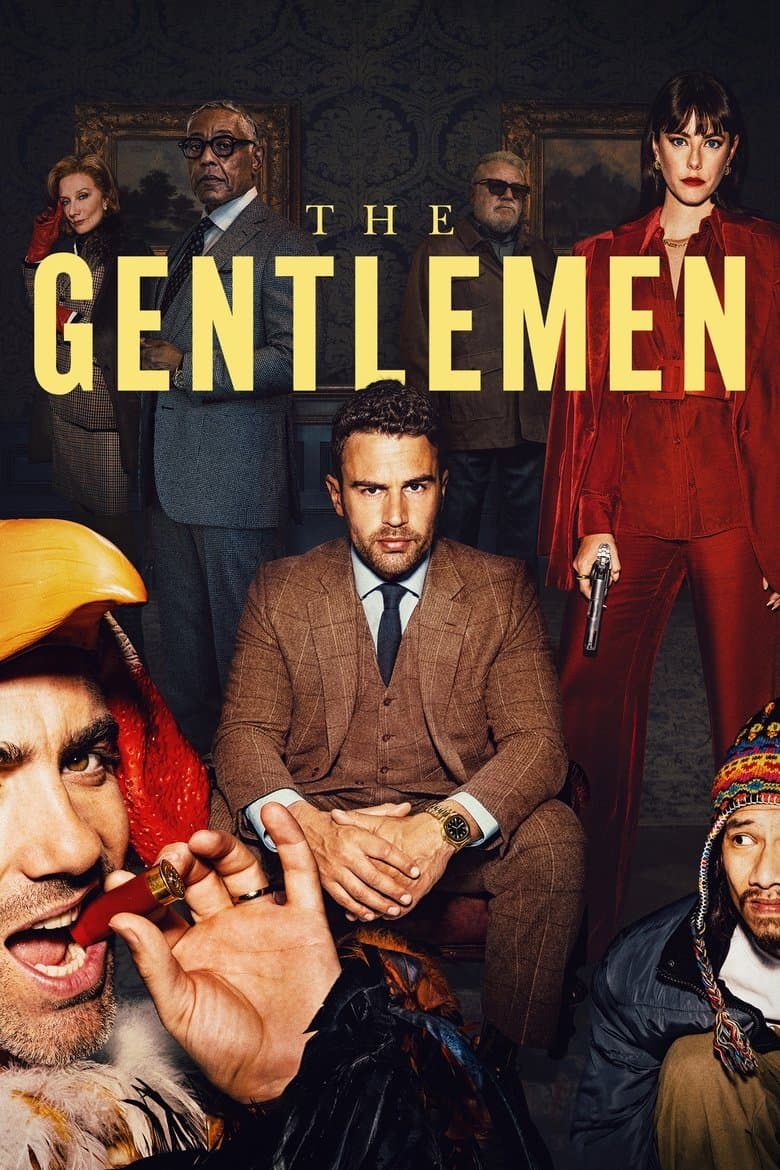
When aristocratic Eddie inherits the family estate, he discovers that it's home to an enormous weed empire — and its proprietors aren't going anywhere.
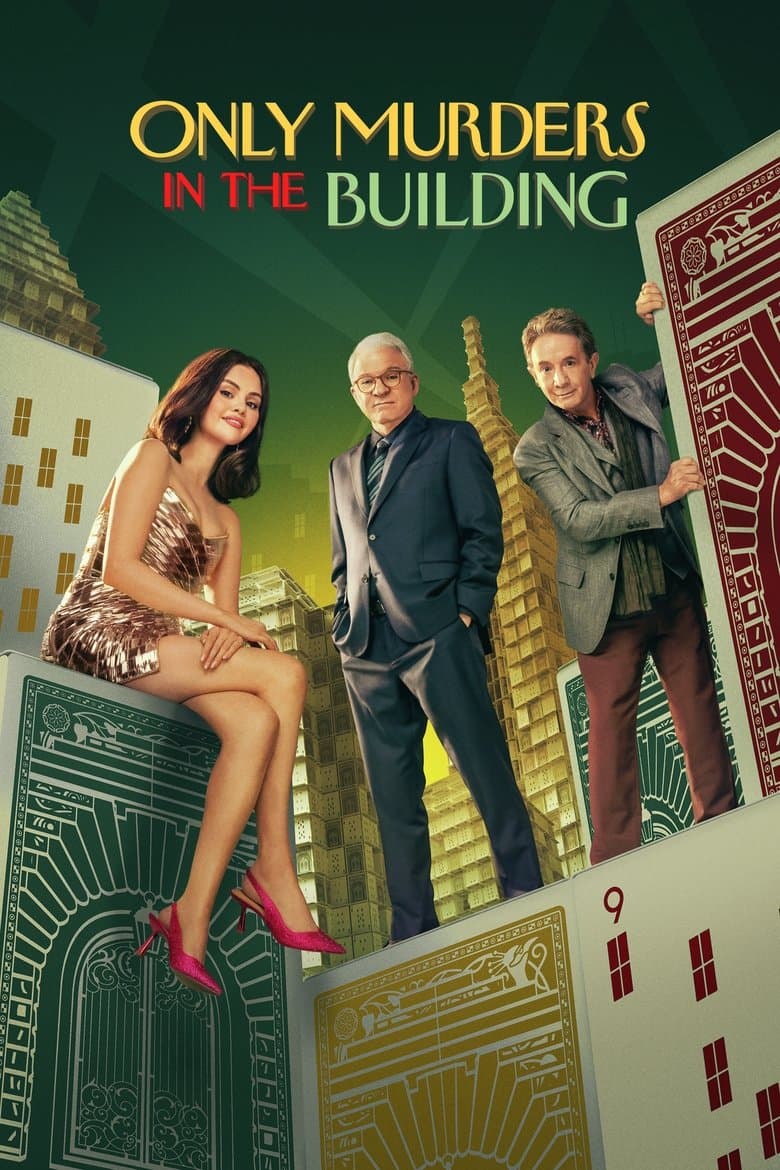
TV Show · 2021
Three strangers share an obsession with true crime and suddenly find themselves wrapped up in one.
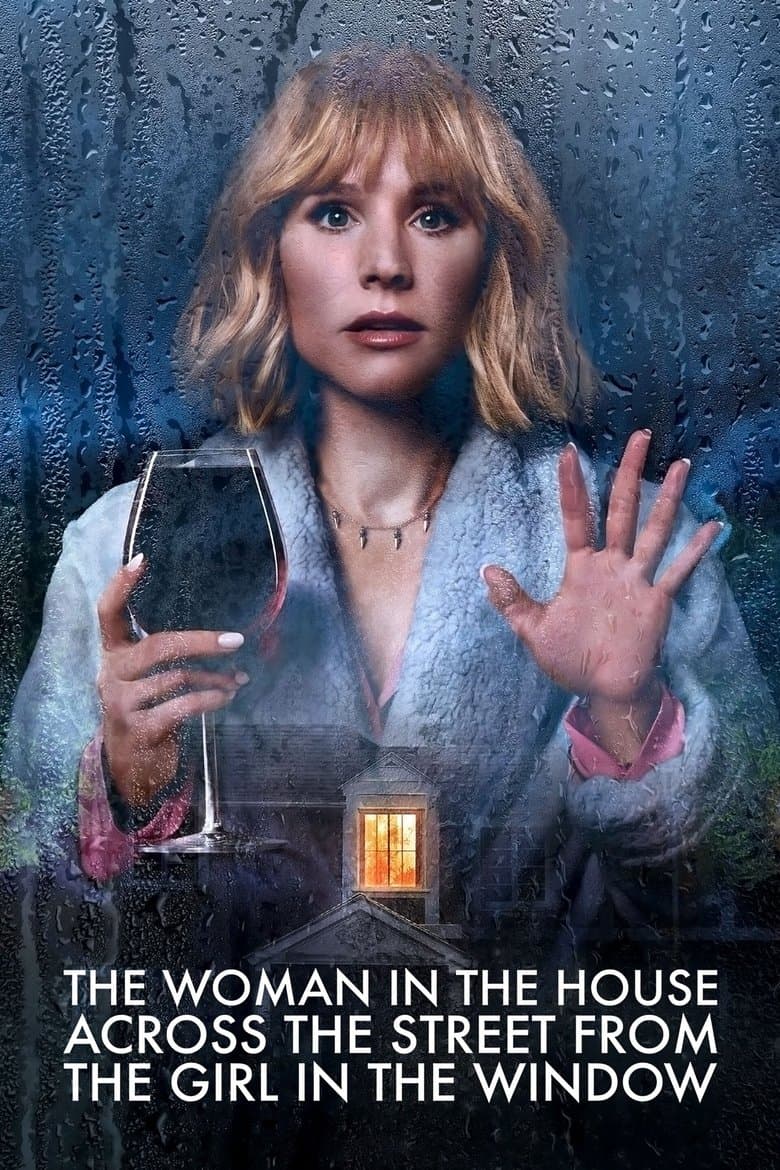
TV Show · 2022
For Anna, every day is the same. She sits with her wine, staring out the window, watching life go by without her.
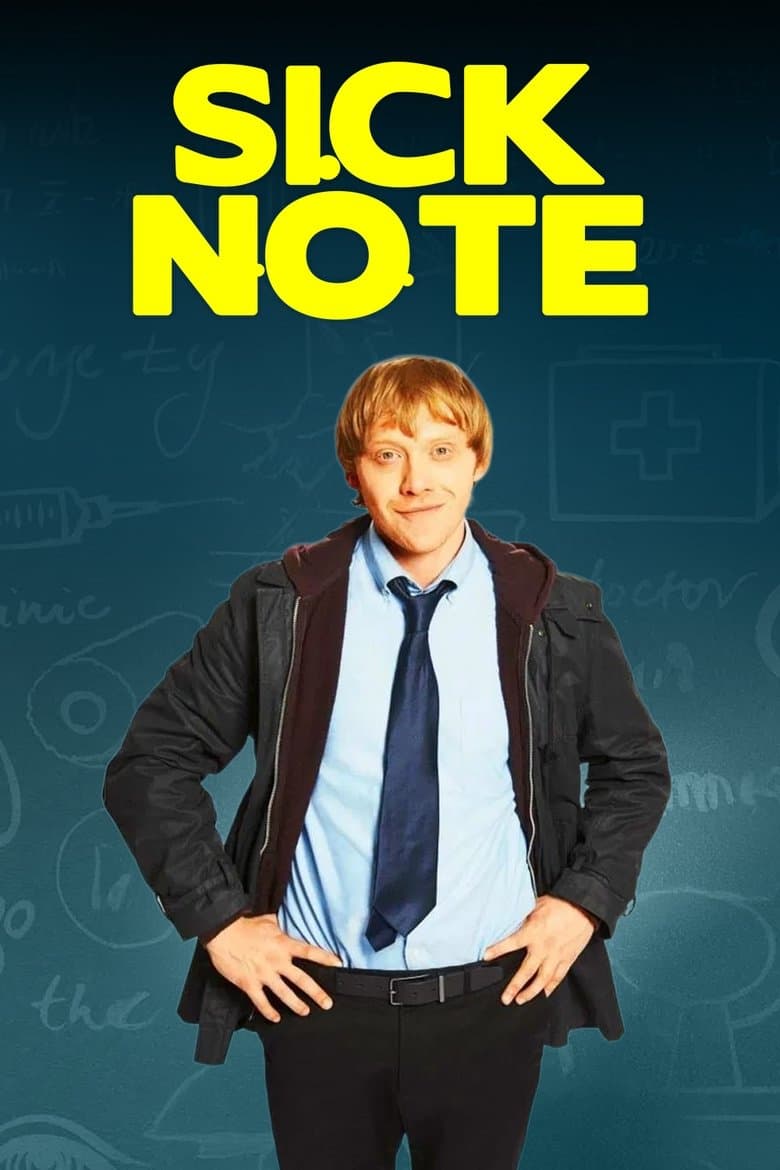
TV Show · 2017
When Daniel Glass is misdiagnosed with a fatal disease he begins to notice how everyone around him treats him better.
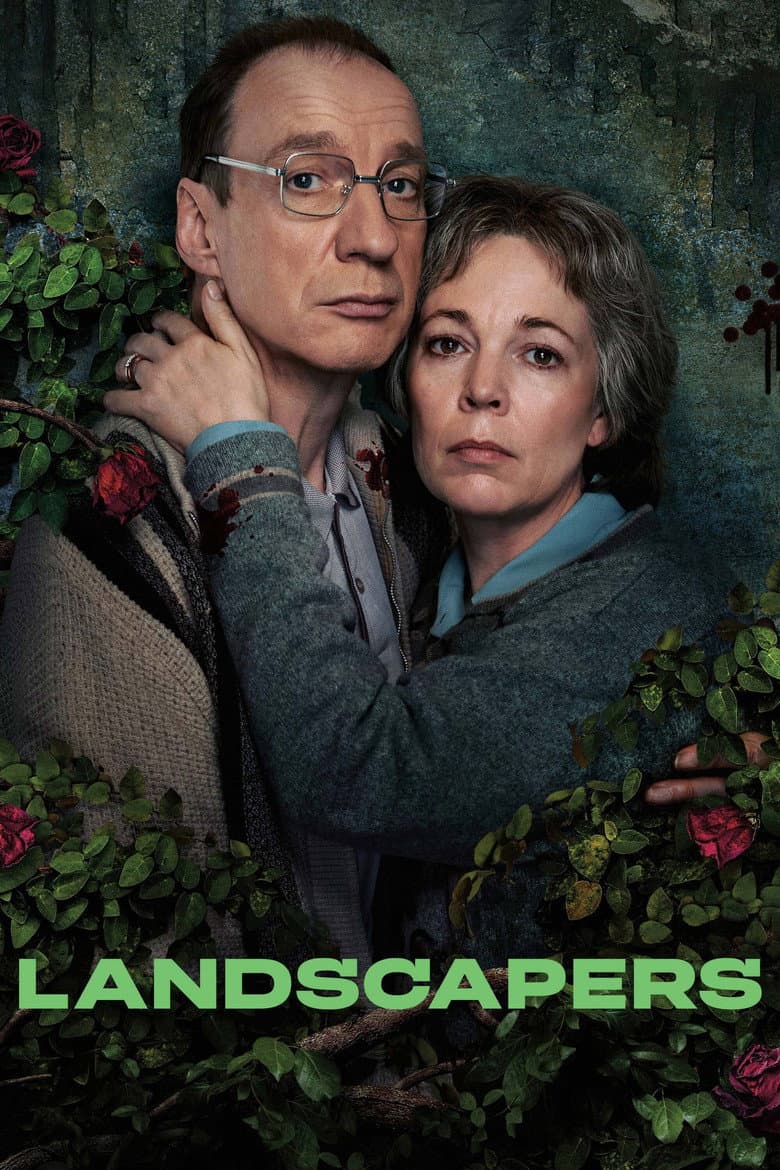
TV Show · 2021
A seemingly ordinary British couple become the focus of an extraordinary investigation when two dead bodies are discovered in the back garden of a house in Nottingham.
TV Show · 2019
To win back his ex-girlfriend, a nerdy teen starts selling ecstasy online out of his bedroom -- and becomes one of Europe's biggest dealers.
