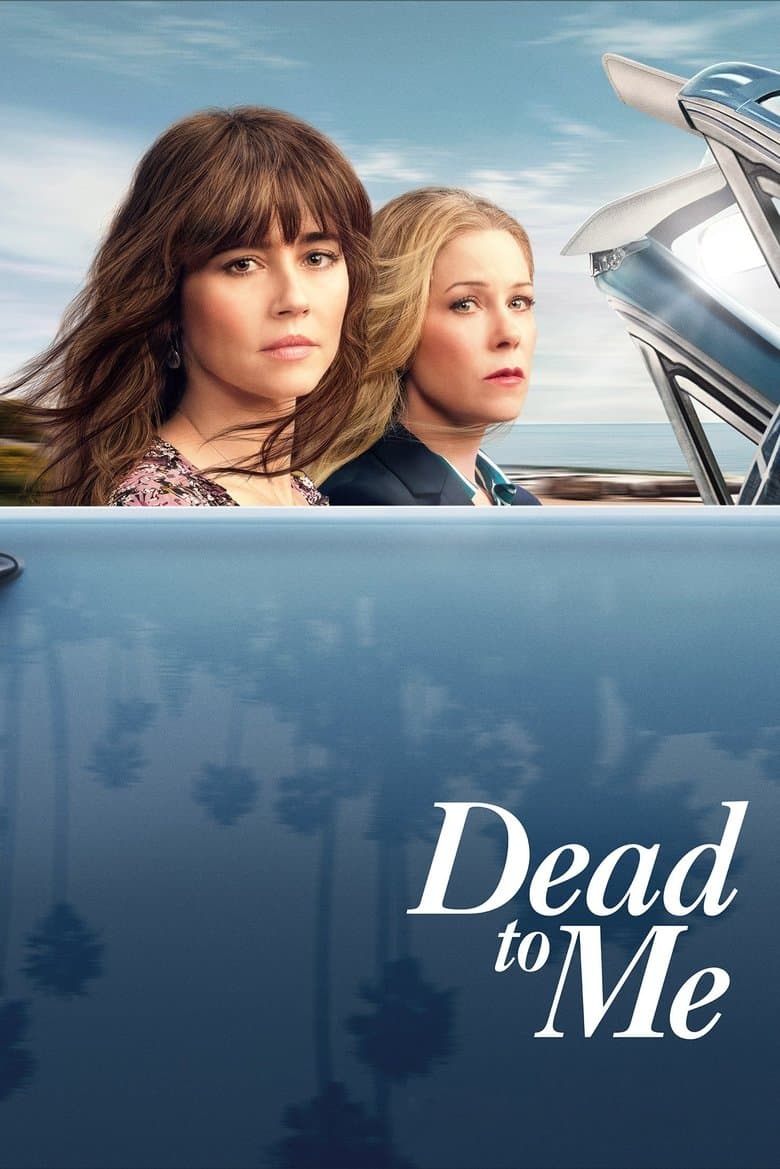
Started May 3, 2019 · Ended · Based on 3 seasons, 30 episodes through November 17, 2022 · TV-MA
Dead to Me follows Jen Harding, a Laguna Beach realtor whose husband is killed in a hit-and-run. She meets free-spirited Judy Hale at a grief group and the two form a close bond. Judy hides that she was the driver who caused the crash. Across three seasons the story centers on secrets, cover-ups, grief, and a deep friendship between the two women. The series mixes dark comedy with crime and personal drama as those lies grow harder to keep.
From season two onward, Judy begins a warm same-sex romance that becomes a major storyline. The show also includes a gay series-regular partner, lesbian characters among the police and love interests, and other queer supporting lives shown as normal. Jen accepts Judy’s relationship easily and even teases her about being queer. The creator framed this as casual queerness under a female lens rather than a lecture. Abusive and controlling male partners also shape the story’s view of toxic masculinity, while the main engine stays friendship and crime.
Community feedback
Was our 62% Woke rating accurate?
Breakdown
These are the editorial factors and ratings behind our score for Dead to Me.
Woke representation / casting
The leads are white women in affluent Orange County. Supporting roles include a Latina lesbian detective, a black ex-detective, an Asian pastor and neighbor, a gay series-regular partner, and Judy’s queer Latina love interest. The clear lift is dense LGBTQ casting in major support and in one lead’s romance, not race-swapped savior leads.
46%
Woke political dialogue
Most talk is about crime, grief, and sharp personal jabs. Named political or identity lines are light and rare, such as Jen’s Republican miscarriage joke, mockery of the Christian pastor, and casual acceptance of Judy’s queer relationship without a lecture.
28%
Identity-driven story themes
The core engine is friendship, guilt, cover-ups, and forgiveness, not an identity thesis. From seasons two and three, Judy’s bisexual romance with Michelle is a large warm subplot, and other queer lives are treated as normal. Confirmed LGBTQ elements raise this score, but queer identity stays secondary to the crime and friendship premise.
64%
Western institutional / cultural critique
Toxic and abusive masculinity is a clear pattern through Steve and Ted. Jen mocks Christian grief-group religion. Corrupt police and mafia-adjacent power serve the plot. The critique stays at character and relationship level rather than a broad activist attack on whiteness or capitalism.
36%
Woke character or canon changes
Not relevant. This is an original series with no source-canon identity rewrites.
0%
Anti-woke backlash and complaints
Not present. No meaningful anti-woke or anti-DEI backlash campaign was found. Reception was mainly praise and queer-media celebration, and faith-based content notes do not meet the bar for this factor.
0%
Creator track record context
Cached scores place Liz Feldman at 54 with women-centered and queer-positive work, and other creatives in a mixed range. Overall context is moderately elevated and matches the show’s female-forward and queer-normalizing choices.
50%
Production

TV Show · 2019
A group of working-class friends finding unconventional ways to win at life in suburban northern England. These lads have dealt, scammed, bribed and conned their way through…
TV Show · 2024
When aristocratic Eddie inherits the family estate, he discovers that it's home to an enormous weed empire — and its proprietors aren't going anywhere.
TV Show · 2019
Following an emotional breakup, tough but tender FBI super-agent Will Chase (codename: “Whiskey Cavalier”) is assigned to work with badass CIA operative Frankie Trowbridge…

TV Show · 2026
The dynamic between the two contrasting personalities, a seasoned cop who prefers old-school methods and a tech-savvy cop who relies on modern technology for investigations, as…

TV Show · 2019
To win back his ex-girlfriend, a nerdy teen starts selling ecstasy online out of his bedroom -- and becomes one of Europe's biggest dealers.

TV Show · 2021
A seemingly ordinary British couple become the focus of an extraordinary investigation when two dead bodies are discovered in the back garden of a house in Nottingham.
TV Show · 2018
A hit man from the Midwest moves to Los Angeles and gets caught up in the city's theatre arts scene.

TV Show · 2016
A slightly unhinged former Navy SEAL lands a job as a police officer in Los Angeles where he's partnered with a veteran detective trying to keep maintain a low stress level in his…
