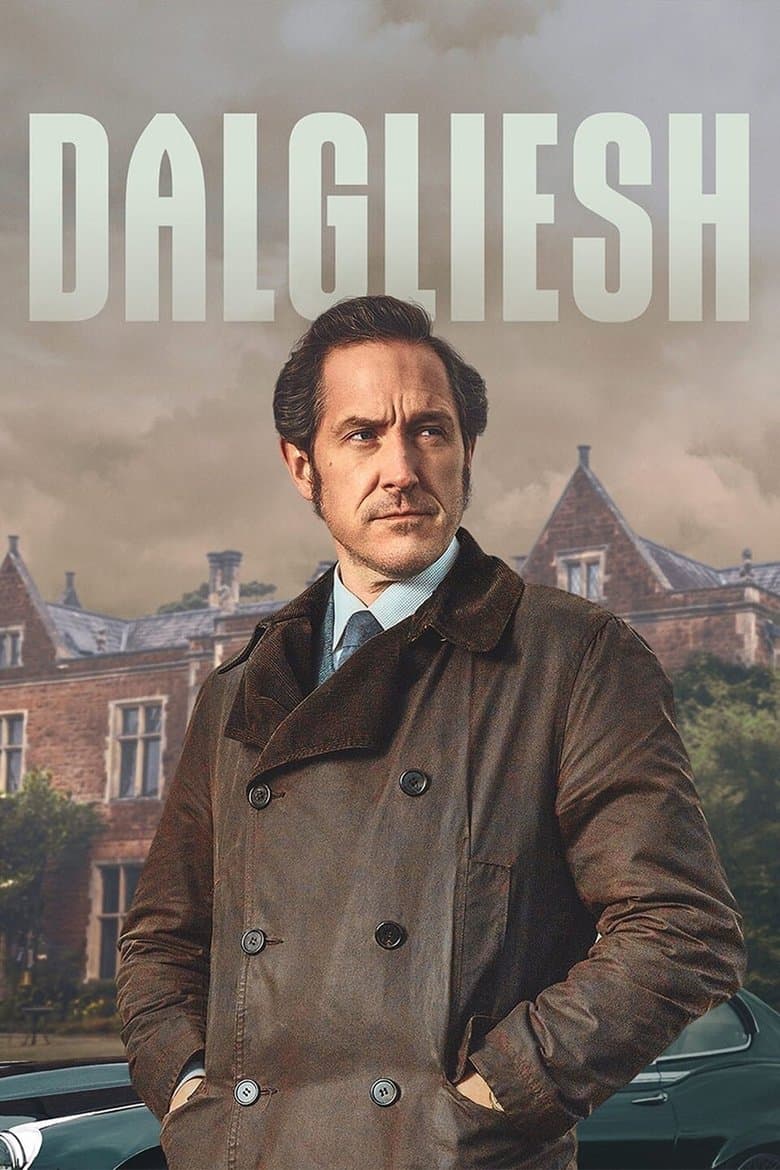
Started November 4, 2021 · Returning Series · Based on 3 seasons, 18 episodes through December 20, 2024 · TV-14
Dalgliesh follows Adam Dalgliesh, a quiet London police commander and published poet who still grieves the death of his wife and baby. He investigates murders in England during the 1970s, often in closed places such as a nursing school, a church, a law office, a country house, and a nuclear town. His calm questions expose lies, family secrets, abuse, and old grudges. The tone is slow, serious, bleak, and focused on people more than action.
The show repeatedly places women at the center of danger and work conflicts shaped by powerful men and strict institutions. Season three changes the original white family in Cover Her Face into the South Asian Mehta family, and it shows a pregnant police leader who fears losing active work. The season also includes a racist National Front suspect, while season one includes a gay character and season two has scenes about women reaching top jobs. These points are visible, but the main story remains traditional murder solving and Dalgliesh's long grief.
Community feedback
Was our 73% Woke rating accurate?
Breakdown
These are the editorial factors and ratings behind our score for Dalgliesh.
Woke representation / casting
Kate Miskin is a recurring mixed-race female detective who becomes a senior investigator. Black nurse Christine Dakers is prominent in season one. Season three gives a wealthy South Asian family the main suspect roles in Cover Her Face. These choices create a clear diverse pattern in prominent roles in a 1970s British crime show.
48%
Woke political dialogue
Season two has a law-office plot about a brilliant female lawyer challenging an old boys' club. Characters discuss women reaching top government jobs and women facing unfair treatment at work. Season one also includes a line about Miskin's gender and skin color. These moments are clear but limited to a few scenes.
34%
Identity-driven story themes
The show repeatedly places women at the center of danger and work conflict. Season one shows nurses facing a powerful surgeon, while season two follows a brilliant female lawyer. Season three adds a pregnant police leader, women targeted at work, racist nationalist politics, and an Asian family. The stories still use these issues inside traditional murder plots.
46%
Western institutional / cultural critique
Several cases show trusted institutions protecting powerful men or old customs. A nursing school hides a surgeon's abuse, a law chamber resists women, and a seminary is shaken by a pupil scandal. Season three also shows police rules that could sideline a pregnant detective. These are repeated critiques of sexism and closed institutions, but the show does not attack Christianity or Western culture as a whole.
39%
Woke character or canon changes
Season three changes the Maxie family in the original Cover Her Face novel into the South Asian Mehta family. The change affects the head of the house, his wife, his son, and other suspects across both episodes. The same story adds a nationalist politics thread, though that is a plot update rather than an identity swap. The main source-based identity change is substantial but affects one two-part case.
62%
Anti-woke backlash and complaints
Small X accounts called the Mehta family a race swap, tokenism, or DEI treatment of P. D. James. A small review called dialogue about Miskin's gender and skin color “woke.” An IMDb review and a forum post also complained about token black casting or a “woke” update. The reaction stayed small, with no major boycott or review-bomb campaign.
34%
Creator track record context
Helen Edmundson has a cached score of 66/100 because her work often centers women and political themes. P. D. James has a cached score of 45/100 because she called herself a feminist while keeping a conservative public outlook. Jill Robertson and most other writers and directors have low cached scores. Bertie Carvel has a cached score of 55/100 because of arts diversity work and industry activism. The mixed record supports a midrange context score.
44%
Production
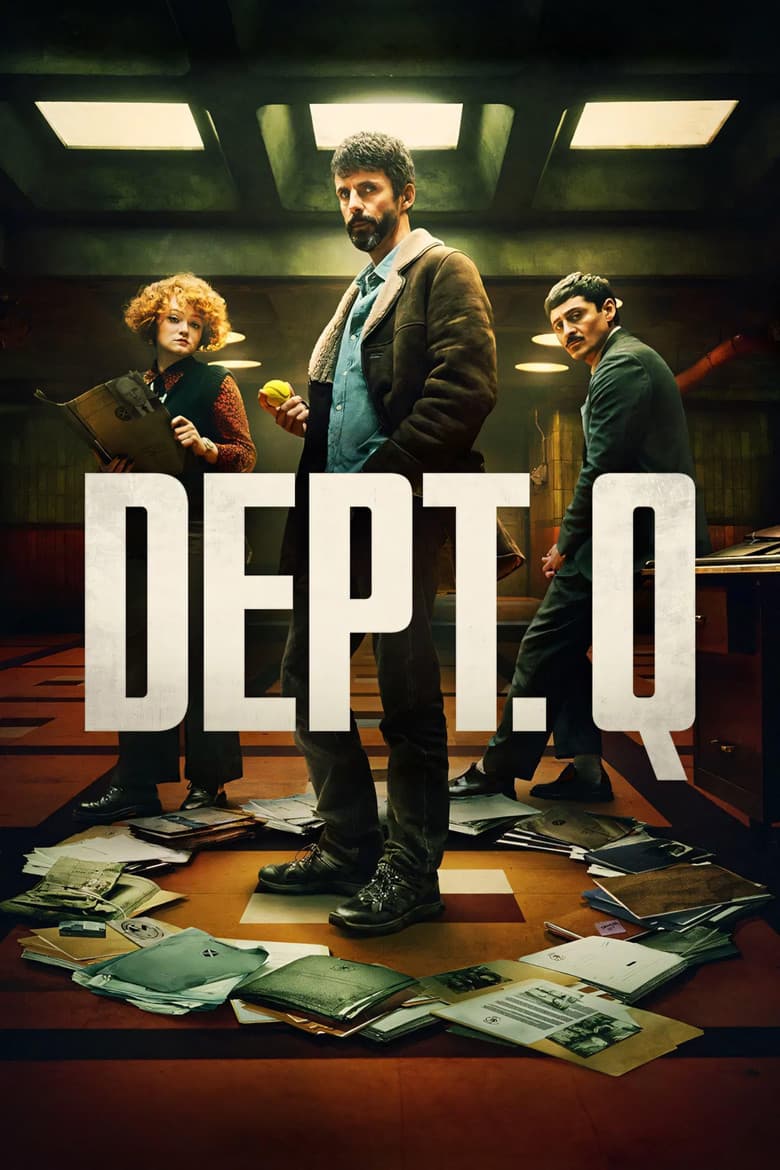
TV Show · 2025
A brash but brilliant cop becomes head of a new police department, where he leads an unlikely team of misfits in solving Edinburgh's cold cases.
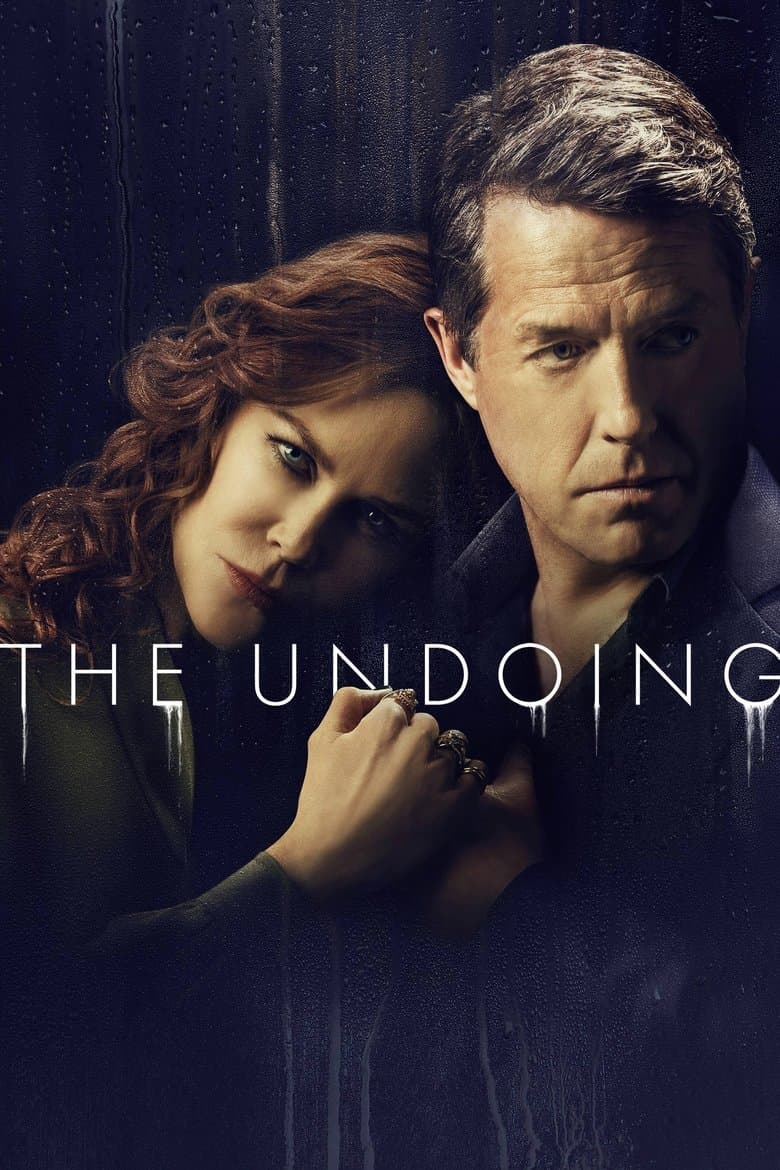
TV Show · 2020
Grace and Jonathan Fraser are living the only lives they ever wanted. Overnight a chasm opens in their lives: a violent death and a chain of terrible revelations.
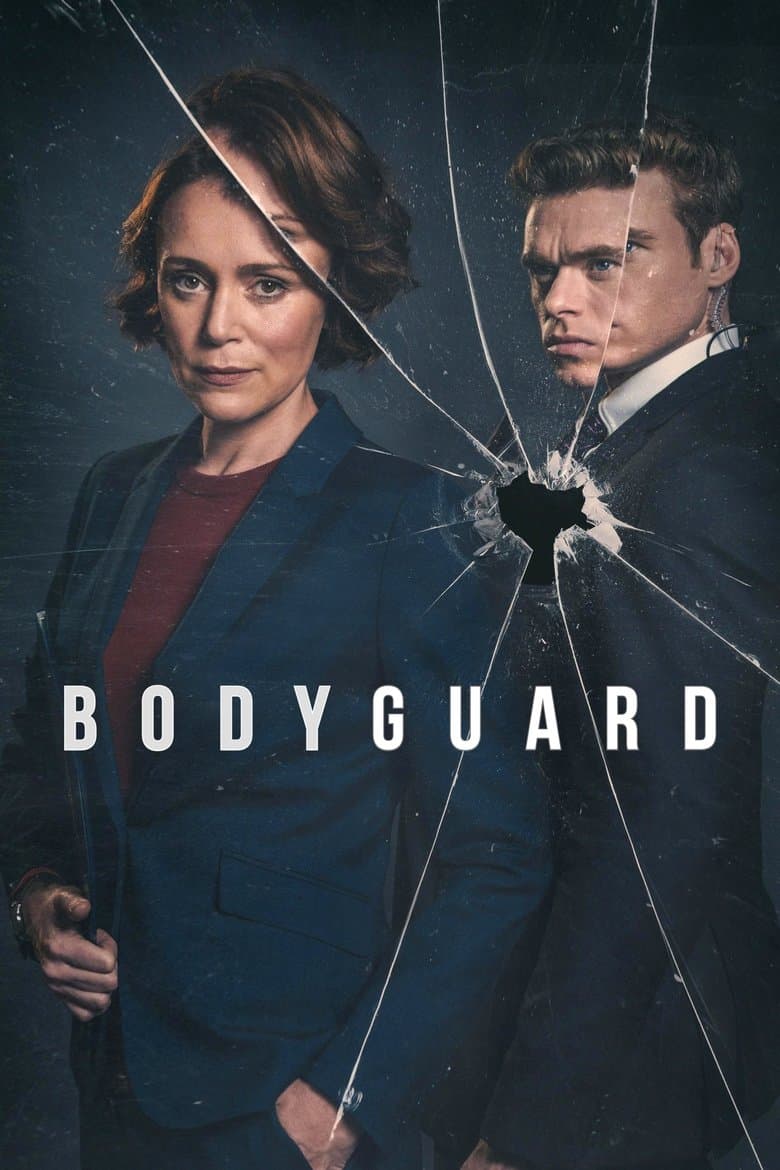
TV Show · 2018
A troubled war veteran is assigned to protect a controversial politician who may be the target of a terror plot.
TV Show · 2021
A detective in a small Pennsylvania town investigates a local murder while trying to keep her life from falling apart.

TV Show · 2021
Facing an existential threat that could bring down the Crime Lab, a brilliant team of forensic investigators must welcome back old friends and deploy new techniques to preserve…
TV Show · 2020
Hiding a twisted past, a man maintains his facade as the perfect husband to his detective wife — until she begins investigating a series of murders.
TV Show · 2017
A war veteran turned private detective operates out of a tiny office in London’s Denmark Street. Although wounded both physically and psychologically, his unique insight and…
TV Show · 2026
Ben Reilly, an aging and down on his luck private investigator in 1930s New York, is forced to grapple with his past life as the city's one and only superhero.
