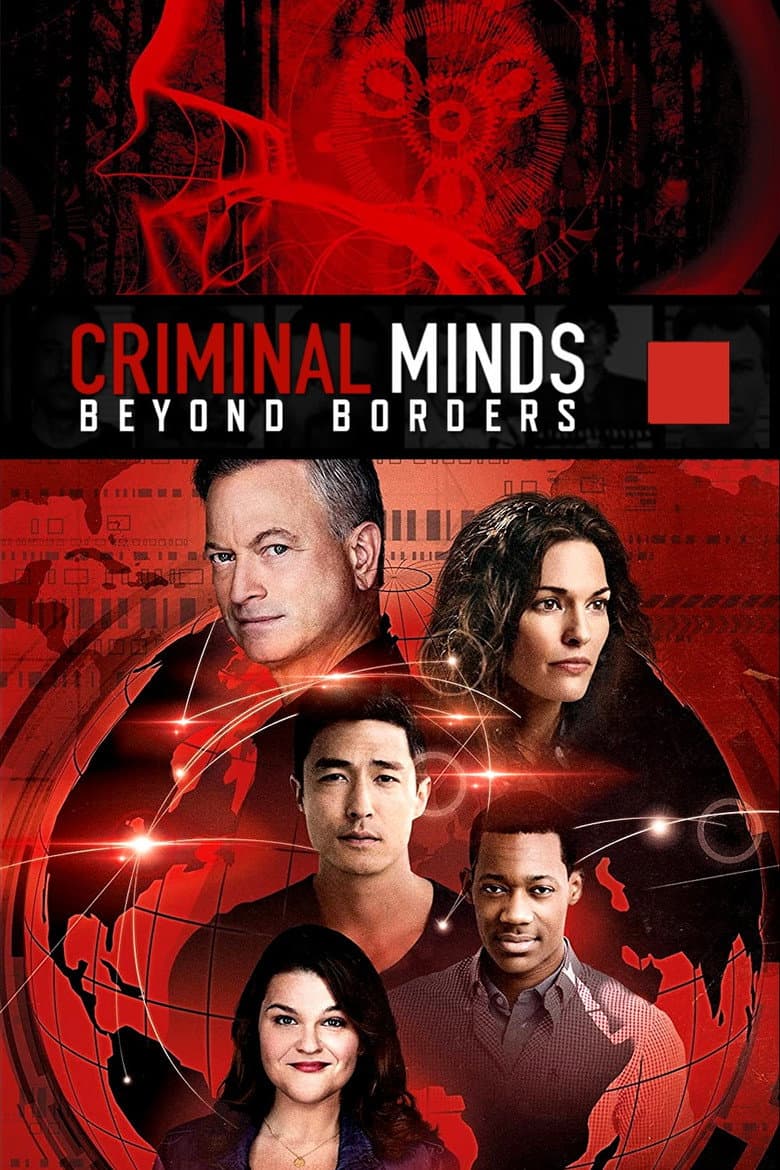
Started March 16, 2016 · Canceled · Based on 2 seasons, 26 episodes through May 17, 2017 · TV-14 · 60 min
Criminal Minds: Beyond Borders follows Jack Garrett, a senior FBI agent who leads the International Response Team. The team flies to foreign countries when Americans are kidnapped, murdered, or trapped in danger. Clara Seger brings language and culture skills, while Matt Simmons, Russ Montgomery, and Mae Jarvis handle field work, technology, and medical evidence. The show uses a dark crime-drama tone with violent cases, quick clues, and family stories at home.
The core team has a visibly mixed cast, with a Latina woman, a Korean American man, a black man, and a white woman around a white male chief. The show usually treats this as a normal FBI team instead of making representation the main subject. One first-season case centers on two men whose relationship brings the team into a murder and anti-gay danger in Egypt. That story gives LGBTQ themes real weight in one episode, but the other episodes mostly follow serial killers, kidnappings, gangs, and corrupt officials. The lasting message is loyalty to family and country, not a continuing identity campaign.
Community feedback
Was our 29% Woke rating accurate?
Breakdown
These are the editorial factors and ratings behind our score for Criminal Minds: Beyond Borders.
Woke representation / casting
The main team is visibly mixed, with a Latina woman, a Korean American man, a black man, and a white woman led by a white male chief. The roles give several minority and female characters important jobs in the unit. CBS publicly described the show as part of a push for greatly diverse casts and said it was casting with race in mind. The modern FBI setting makes the mix believable, so the pattern is visible without becoming the main story message.
32%
Woke political dialogue
The third episode includes direct talk about homosexuality being illegal across much of the Middle East, arrests, and a possible hate crime. The dialogue supports the Cairo case about a missing male partner. This is a clear political point, but it is concentrated in one episode. The other episodes focus on crime procedure, family, and the FBI’s duty to protect Americans.
18%
Identity-driven story themes
The episode “Denial” makes a gay relationship and anti-gay danger central to its Cairo case. The team treats the missing boyfriend as a possible hate-crime victim and discusses the danger gay men face under Egyptian law. That gives identity-driven themes real weight in one episode. The other 25 episodes mostly use murder, kidnapping, gang, family, or serial-killer plots.
25%
Western institutional / cultural critique
Not present. The show does not build a modern activist critique of Western institutions, family life, or traditional social norms. It usually presents the FBI, family loyalty, and church life as part of the heroes’ world.
0%
Woke character or canon changes
Not relevant. The backdoor pilot changes the cast and sets up a new spin-off team. No confirmed change is tied to race, gender, sexuality, or DEI messaging.
0%
Anti-woke backlash and complaints
Not present. The supplied X research found no anti-woke complaints, boycott, or review-bomb campaign. Reported criticism focused on xenophobia and inaccurate foreign settings, not on the show pushing DEI or identity politics.
0%
Creator track record context
Erica Messer has no high-confidence record of activist or DEI-focused work. Most cached writers and directors have low scores, and the group has no shared political pattern. Adam Glass has some urban social-setting work, Oz Scott has civil-rights-related work, and Tawnia McKiernan has spoken about gender fairness in Hollywood. Those points add mild context but do not show a strong activist track record for this title.
18%
Production
TV Show · 2019
Following an emotional breakup, tough but tender FBI super-agent Will Chase (codename: “Whiskey Cavalier”) is assigned to work with badass CIA operative Frankie Trowbridge…
TV Show · 2022
Bosch is now making a living as a private investigator two years after he quit the LAPD and finds himself working with one time enemy and top-notch attorney Honey “Money”…

TV Show · 2019
The origin story of Bruce Wayne's legendary butler, Alfred Pennyworth, a former British SAS soldier who forms a security company in 1960s London and goes to work with young…
TV Show · 2017
Covert operative Tom Keen joins forces with Susan "Scottie" Hargrave, the brilliant and cunning chief of a covert mercenary organization that solves problems that are too…
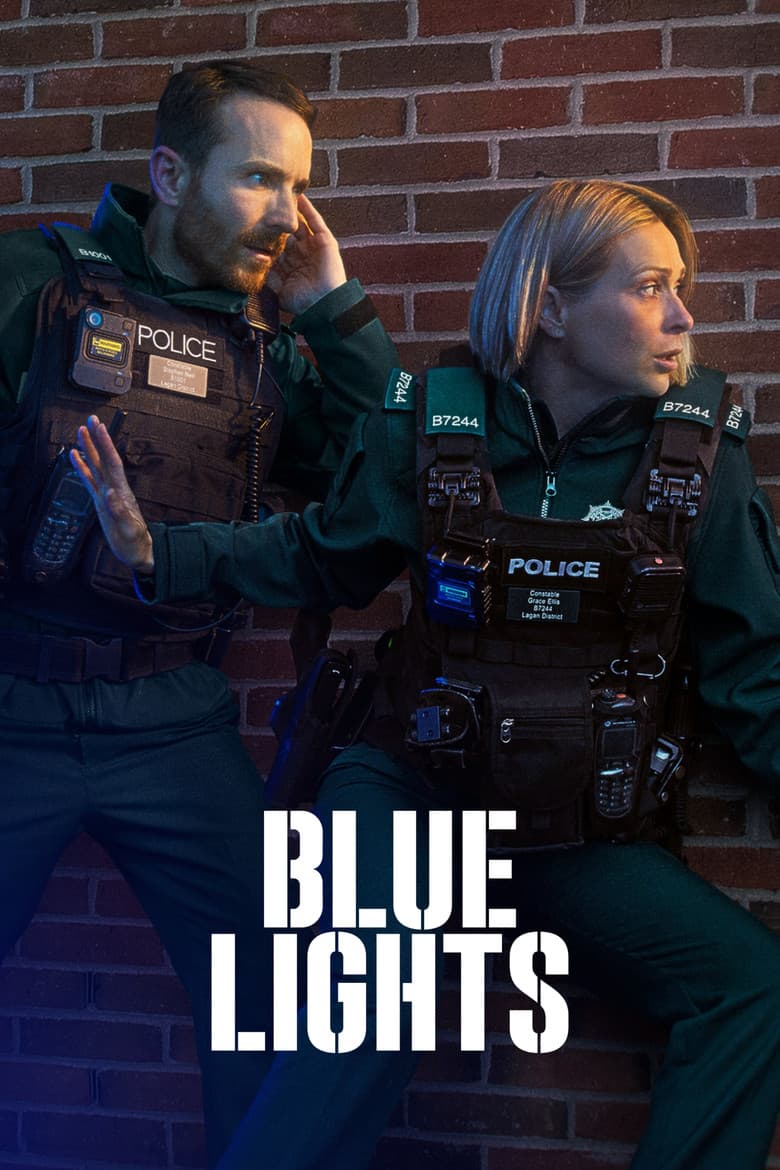
TV Show · 2023
Follows rookie police officers working in Belfast, a city in which being a frontline response cop comes with unique pressures and dangers.
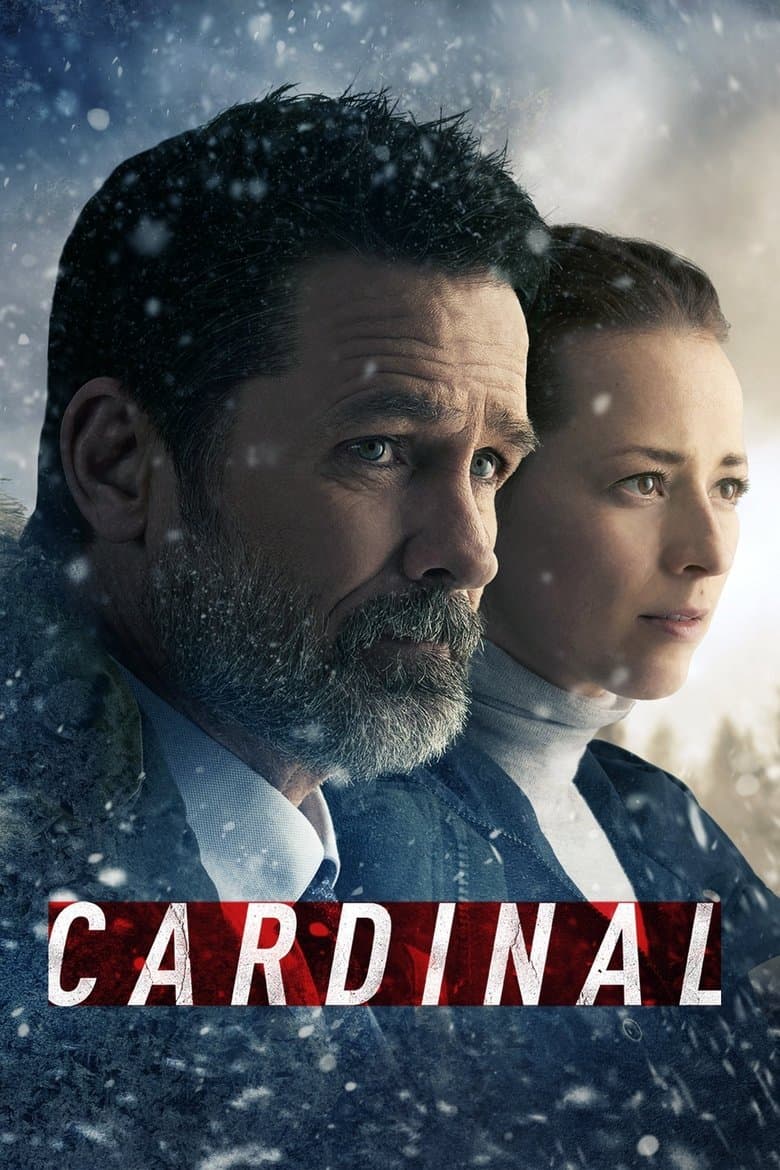
TV Show · 2017
Detective John Cardinal attempts to uncover the mystery of what happened to the missing 13-year-old girl whose body is discovered in the shaft-head of an abandoned mine.
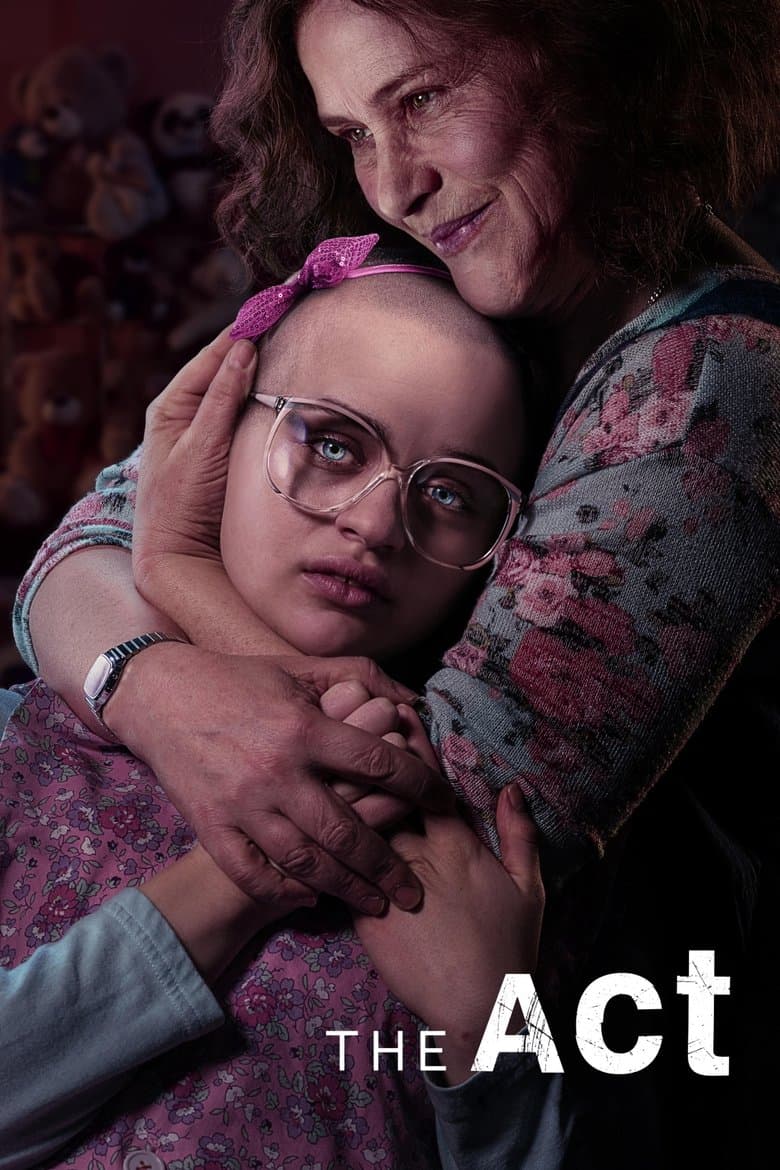
TV Show · 2019
Gypsy Blanchard struggles to deal with the toxic relationship with her overprotective mother, but her attempts to free herself lead to murder.
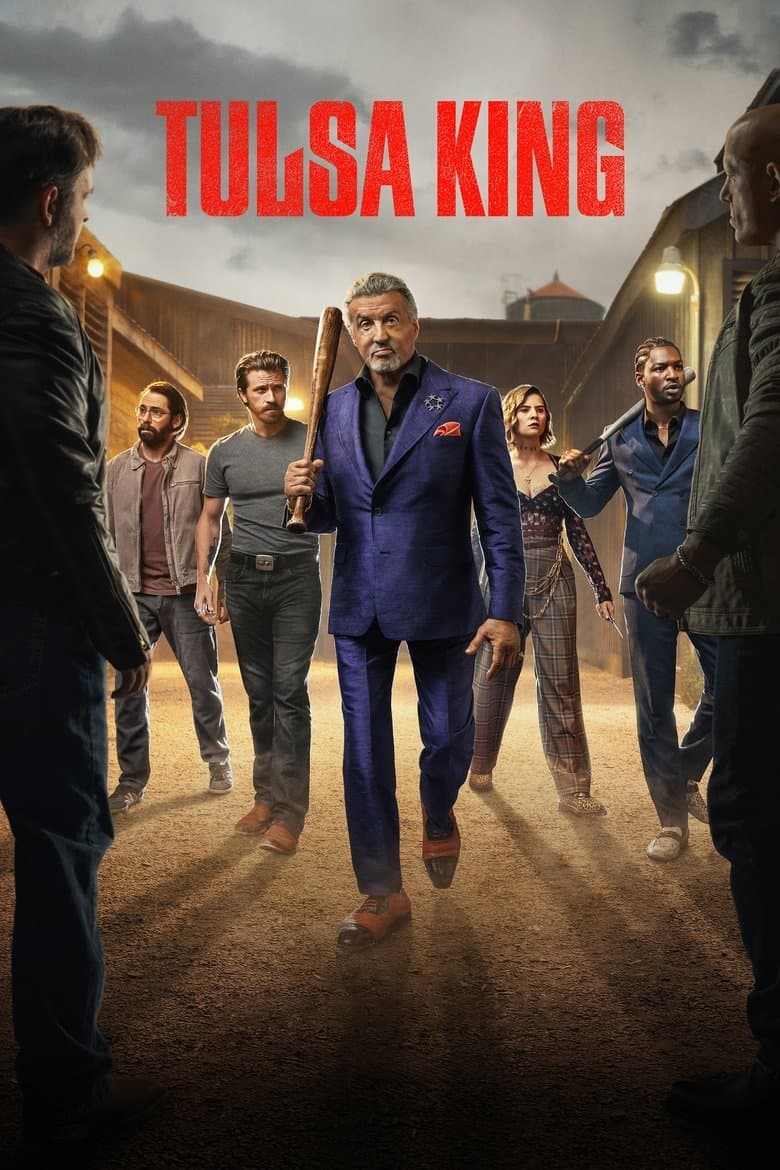
TV Show · 2022
New York mafia capo Dwight "The General" Manfredi is released from prison after 25 years and exiled by his boss to set up shop in Tulsa, Oklahoma.
