
Started December 1, 2022 · Returning Series · Based on 3 seasons, 21 episodes through August 17, 2026 · TV-14 · 27 min
Colin from Accounts is an Australian romantic comedy set in present-day Sydney. Ashley is a medical student who becomes linked to Gordon, a brewery owner, after she flashes him and he hits a stray dog with his car. They care for the injured dog, Colin, while their messy friendship turns into a difficult romance. The show uses crude jokes, awkward fights, sex, family trouble, and sudden sad moments.
The main woke elements come from modern sex and identity talk rather than the main romance. Ashley's friends include Megan, whose relationships with women become a recurring side story, and the show treats that as normal. Ashley and Gordon's family circle also includes WAWAM, a men's rights group that the comedy mocks through speeches, songs, and arguments about equality, online outrage, and how men are treated. The latest season keeps WAWAM in the background while it focuses on the couple's breakup, new partners, adult dating, and painful attempts to reconnect. These ideas are visible in several episodes, but they remain side plots beside the love story.
Community feedback
Was our 49% Woke rating accurate?
Breakdown
These are the editorial factors and ratings behind our score for Colin from Accounts.
Woke representation / casting
Not present. The recurring cast is a normal mix for present-day Sydney, with a white lead couple and several mixed-background side characters. The show does not frame those casting choices as a diversity or identity statement.
0%
Woke political dialogue
Season 1 uses lines about not slut-shaming Ashley and taking control of her sexuality. Season 2 repeatedly discusses men's rights, equality, online outrage, and ethical porn, with WAWAM speeches and songs. Season 3 keeps WAWAM and its talk about men being under siege in the background. The show presents these ideas as jokes and relationship arguments rather than as a serious campaign.
40%
Identity-driven story themes
The main romance is not about politics, but the show repeatedly makes gender and sexuality part of the side cast. Megan's relationships with women recur across seasons and include a girlfriend and queer romantic scenes. Ashley's sexual freedom and rejection of old female stereotypes shape her character. WAWAM turns the clash between feminism and men's-rights ideas into recurring comedy.
42%
Western institutional / cultural critique
Lynelle and Lee build WAWAM as a men's rights group that says men are under siege and women have dethroned them. The show makes the group look foolish through a fundraiser, slogans, songs, and arguments about online outrage. The story also mocks Lee for blaming women after he loses his job because of an online affair with a student. Season 3 keeps WAWAM in the family story.
48%
Woke character or canon changes
Not relevant. The series is an original story with no earlier characters, source book, or historical figures to change.
0%
Anti-woke backlash and complaints
One tiny X account called the season 2 lesbian-affair subplot “filth,” and another joked that a woman got a job as a diversity hire. Other small right-leaning accounts recommended the show because it was “not even a bit woke.” No boycott, review-bombing push, or large anti-woke news campaign appeared. The backlash evidence is real but very small.
12%
Creator track record context
Harriet Dyer's wider work often covers mental health, trauma, neurodiversity, and better screen representation. Dyer has called herself and Brammall extremely liberal in a title interview, while Brammall has no strong activist public record. Moore and most producers have low or modest stored scores and mainly commercial television records. Dyer is the main creator-context signal.
30%
Production
TV Show · 2018
Offbeat comic James Acaster covers the strange, the mundane and everything in between in this collection of four wide-ranging stand-up specials.
TV Show · 2020
All Nikki and Jason want is a baby—the one thing they can't have. So they decide to adopt. With their dysfunctional friends, screwball families, and chaotic lives, will the…

TV Show · 2016
Jeremy Clarkson, Richard Hammond and James May are back with a show about adventure, excitement and friendship...
TV Show · 2023
The inner workings of an American jury trial through the eyes of one particular juror, Ronald Gladden. Gladden is unaware the entire case is fake, everyone except him is an actor…
TV Show · 2025
Eight years after an unforgivable mistake nukes his promising college football career, hotshot quarterback Russ Holliday tries to resurrect his dreams by disguising himself as…
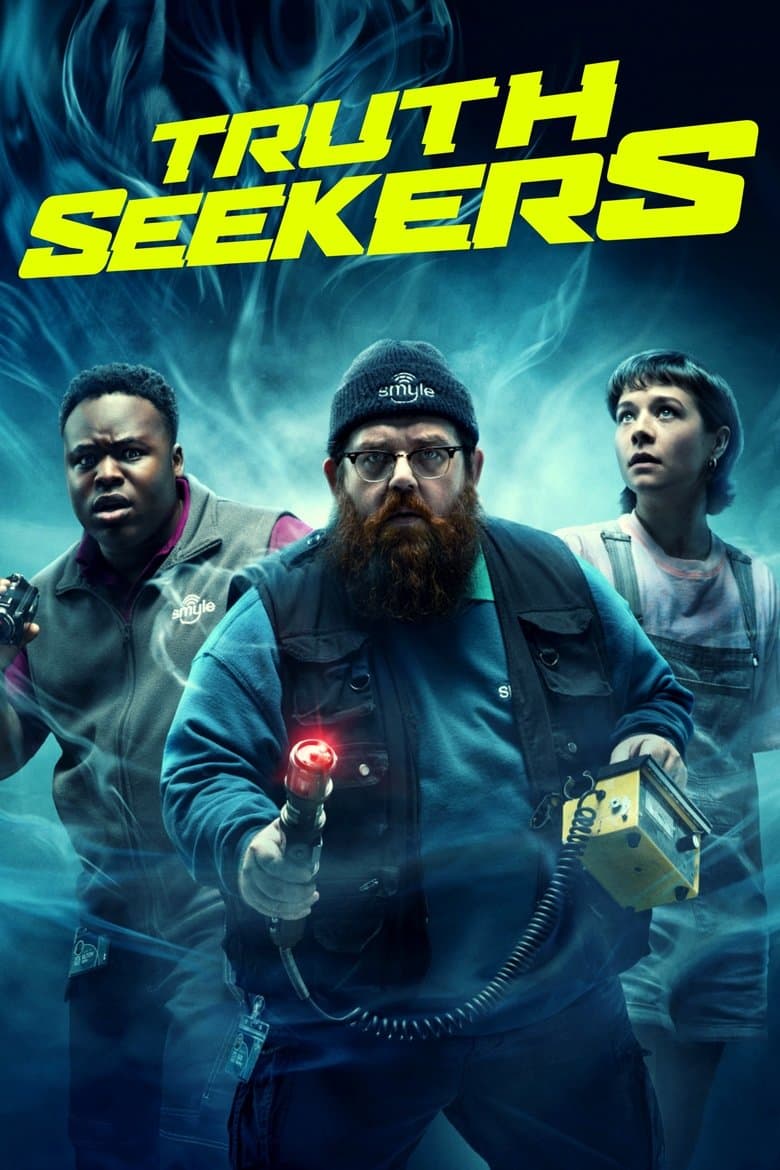
TV Show · 2020
A ghost-hunting duo team up to uncover and film paranormal sightings across the U.K. and share their adventures on an online channel.
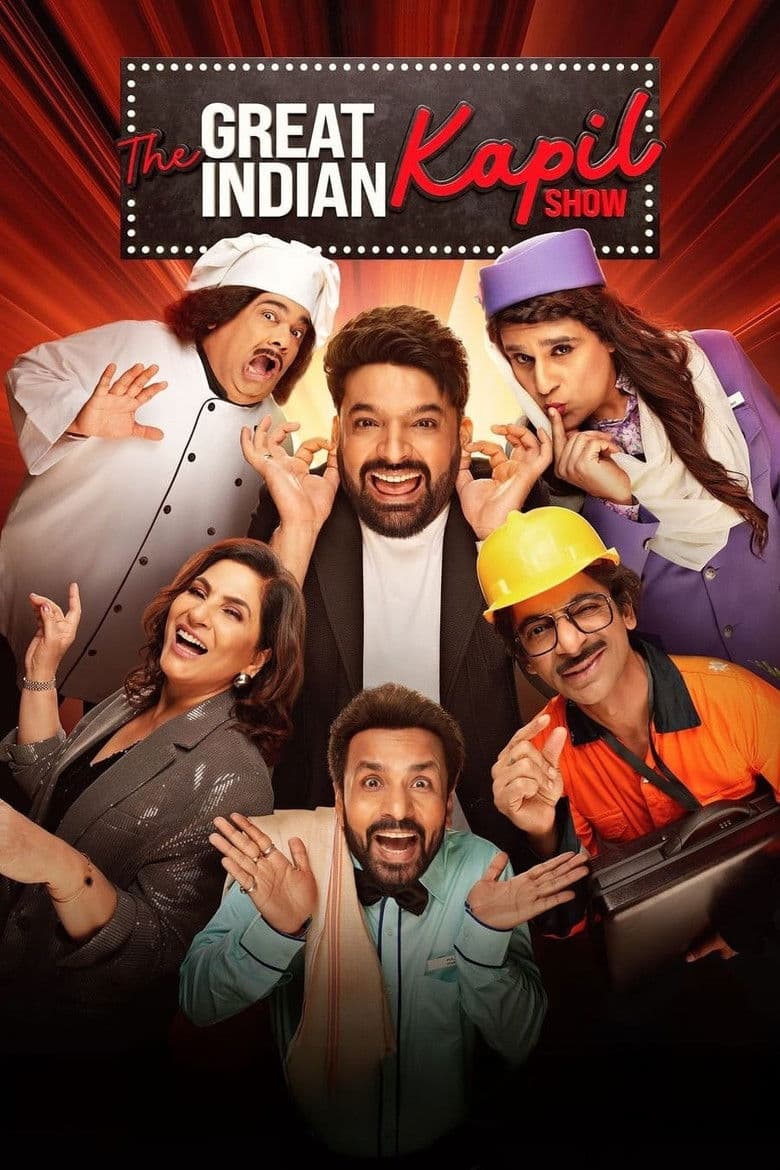
TV Show · 2024
Comedian Kapil Sharma hosts this laugh-out-loud variety talk show with celebrity guests, hilarious antics and his signature supporting cast.
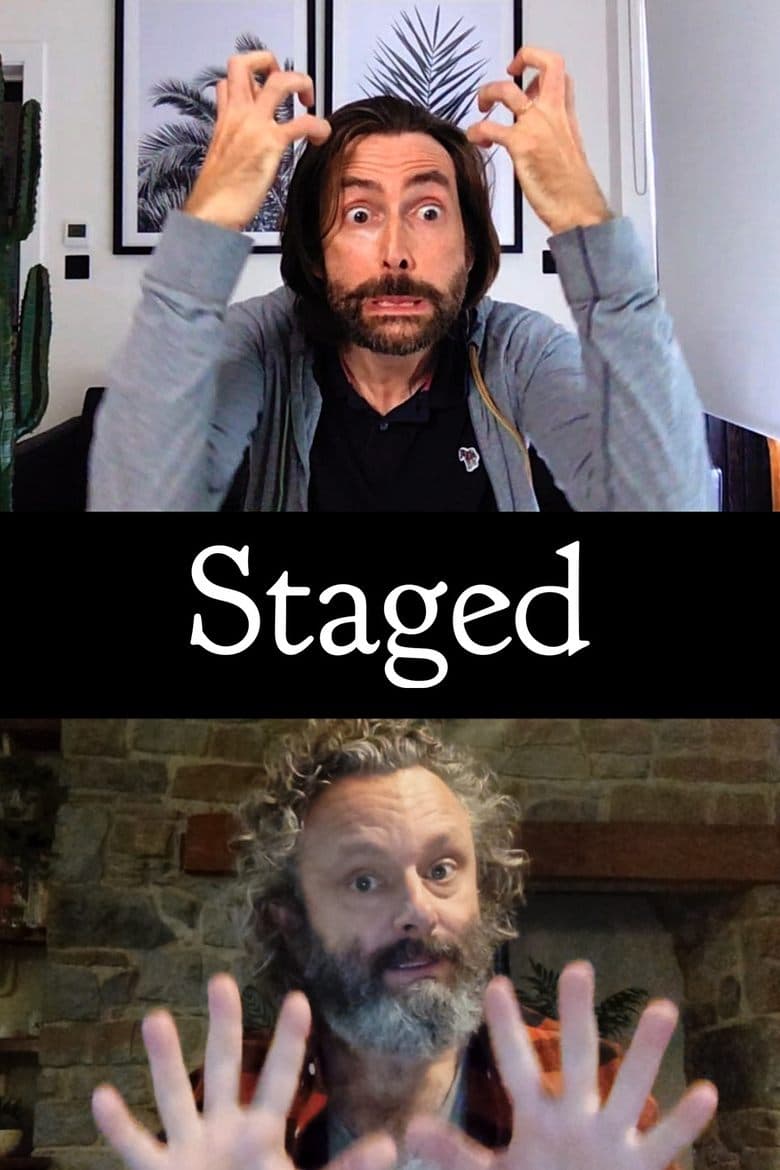
TV Show · 2020
David Tennant and Michael Sheen (playing themselves) were due to star in a production of 'Six Characters in Search of an Author' in the West End.
