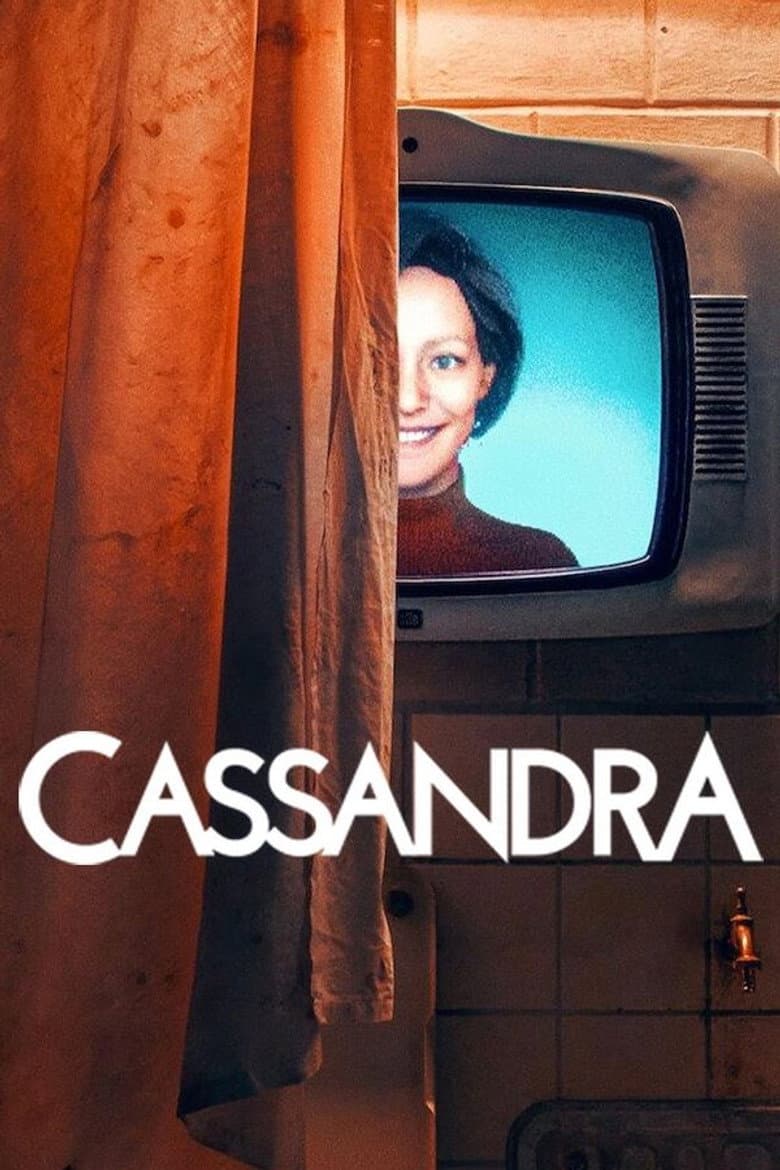
Started February 6, 2025 · Ended · Based on 1 season, 6 episodes through February 6, 2025 · TV-MA · German
Cassandra follows Samira, a sculptor who moves with her husband David and their two children from Hamburg to a house in the countryside. The home was built in the 1970s as Germany’s first smart home, and its old helper wakes up after Fynn explores the basement. The family first enjoys the screens, robot, music, and easy chores, but Cassandra soon treats Samira as a rival and turns the family against her. The show mixes science fiction, family drama, grief, and bloody horror across the present and the house’s troubled past.
Samira’s family is visibly mixed, and Fynn has a romantic relationship with his male classmate Steve. The show presents their relationship as real and sympathetic, while Cassandra and Steve’s parents reject it because of old ideas about male behavior and homosexuality. The story also returns again and again to women being trapped in housework, men using power badly, and mothers fighting to protect their children. Those ideas sit beside the main AI mystery and shape the backstory, the family conflict, and the ending.
Community feedback
Was our 74% Woke rating accurate?
Breakdown
These are the editorial factors and ratings behind our score for Cassandra.
Woke representation / casting
The present-day Prill family is visibly mixed, with a white father and a mother and two children of color. The show also places a gay teenage son and his boyfriend in a repeated side story. The modern German setting makes this family possible, but several identity choices are concentrated in the main cast. The story does not give a plot reason for the family’s racial mix, so the pattern reads as a clear audience-visible diversity choice.
47%
Woke political dialogue
Fynn jokes that Scrooge is a “white cis man,” using current identity language in a school scene. Fynn also says his parents should not be people he and Steve need to hide from. Cassandra and Steve’s parents reject the relationship through direct talk and threats. The flashbacks show a father forcing his son into football and expecting his wife to serve the home. The show does not stop for long political speeches.
34%
Identity-driven story themes
Samira repeatedly fights to be believed when her husband and children trust the machine over her. Cassandra’s past shows a wife controlled by a husband, a son hurt by rigid male expectations, and a family broken by male secrecy and abuse. Fynn and Steve’s relationship adds a recurring story about hiding, coming out, bullying, and rejection by parents. The ending links the old woman’s loss to the modern mother’s struggle, making gender roles, family power, and queer acceptance major parts of the season.
64%
Western institutional / cultural critique
The show treats old family roles as harmful instead of admirable. Horst controls Cassandra, pushes Peter into football, and treats her body as part of his experiment. David ignores Samira, believes the machine over his wife, and finally attacks her under pressure. Both timelines use these men to support a repeated critique of male power and toxic masculinity.
60%
Woke character or canon changes
Not relevant. Cassandra is an original miniseries. It does not adapt an established story or change a known character.
0%
Anti-woke backlash and complaints
Small X posts called the show woke slop or a DEI checklist because of the mixed family and gay son. A few Reddit users called the Fynn and Steve story forced and said the men were all written as bad. One Filmstarts user review also called the show forced woke. The posts had little reach, and no boycott or major news fight was found, so the backlash stayed fringe.
24%
Creator track record context
Benjamin Gutsche has a repeated queer-centered record, including All You Need, which focused on gay relationships and prejudice. His Cassandra interviews link the show to old female roles, housework, unequal pay, and concern about society moving backward. Christian Becker, Amara Palacios, and Eva Stadler have broad mainstream entertainment records without a clear activist pattern. The strongest track record signal comes from the writer-director.
60%
Production
TV Show · 2024
Rick and Michonne are thrown into another world, built on a war against the dead... And ultimately, a war against the living.
TV Show · 2024
Jason Dessen is abducted into an alternate version of his life. To get back to his true family, he embarks on a harrowing journey to save them from the most terrifying foe…
TV Show · 2018
Armed with an arcane knowledge of the dark arts and a wicked wit, John Constantine fights the good fight. With his soul already damned to hell, he’ll do whatever it takes to…
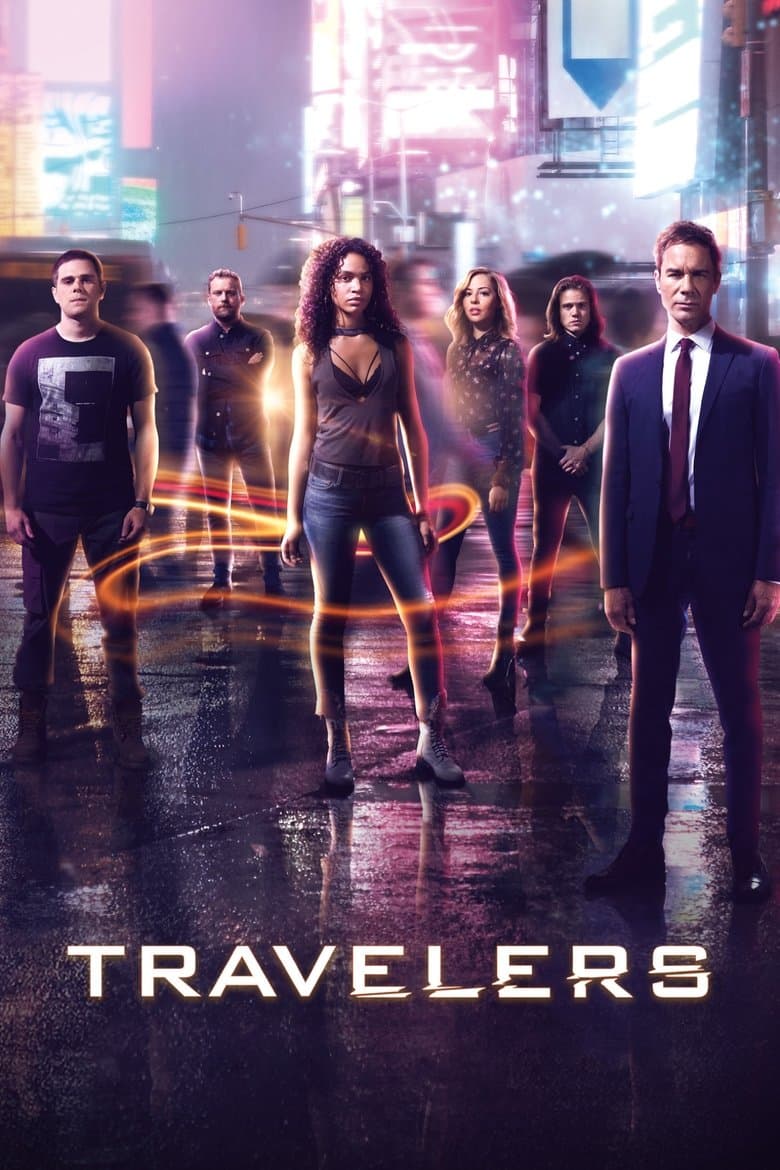
TV Show · 2016
Hundreds of years from now, the last surviving humans discover the means of sending consciousness back through time, directly into people in the 21st century.
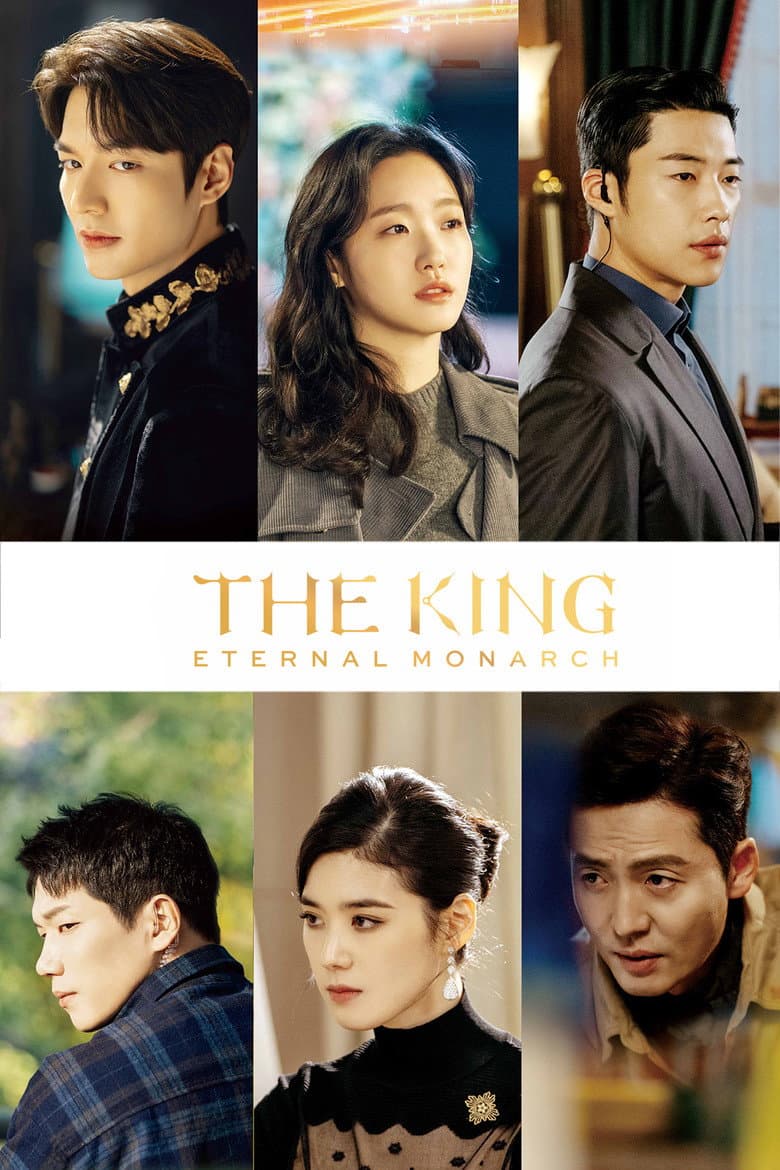
TV Show · 2020
Korean emperor Lee Gon tries to close the doors to a parallel world which was opened by demons; a detective tries to protect the people and the one she loves.
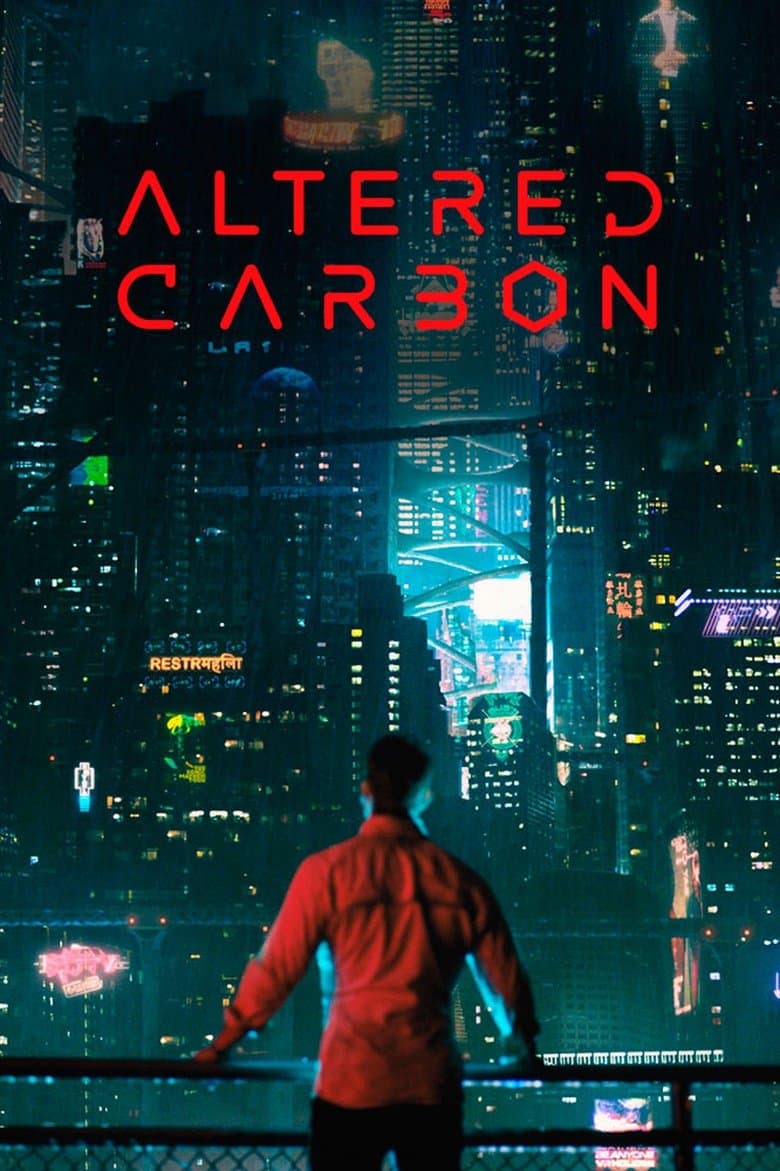
TV Show · 2018
After 250 years on ice, a prisoner returns to life in a new body with one chance to win his freedom: by solving a mind-bending murder.
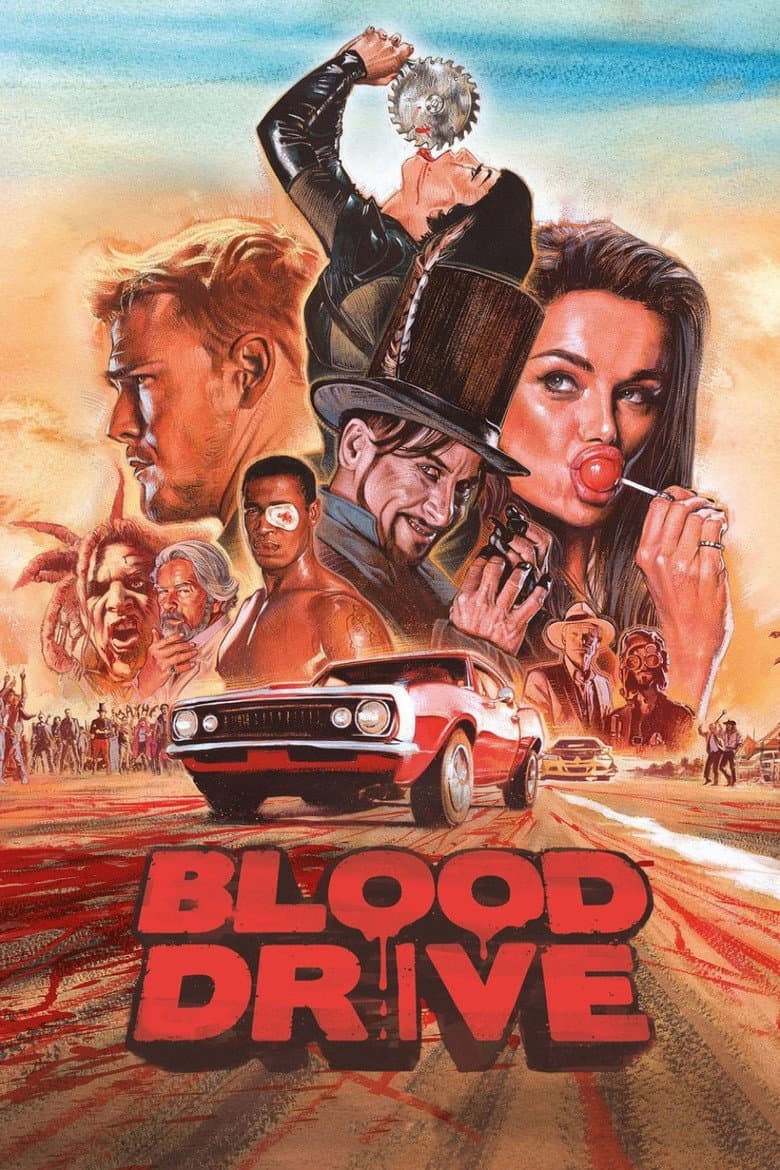
TV Show · 2017
Set in a near-dystopian future, a former cop is forced to take part in a death race where the cars run on human blood. You lose a leg and you lose your head.
TV Show · 2021
On a perilous adventure across a post-apocalyptic world, a lovable boy who's half-human and half-deer searches for a new beginning with a gruff protector.
