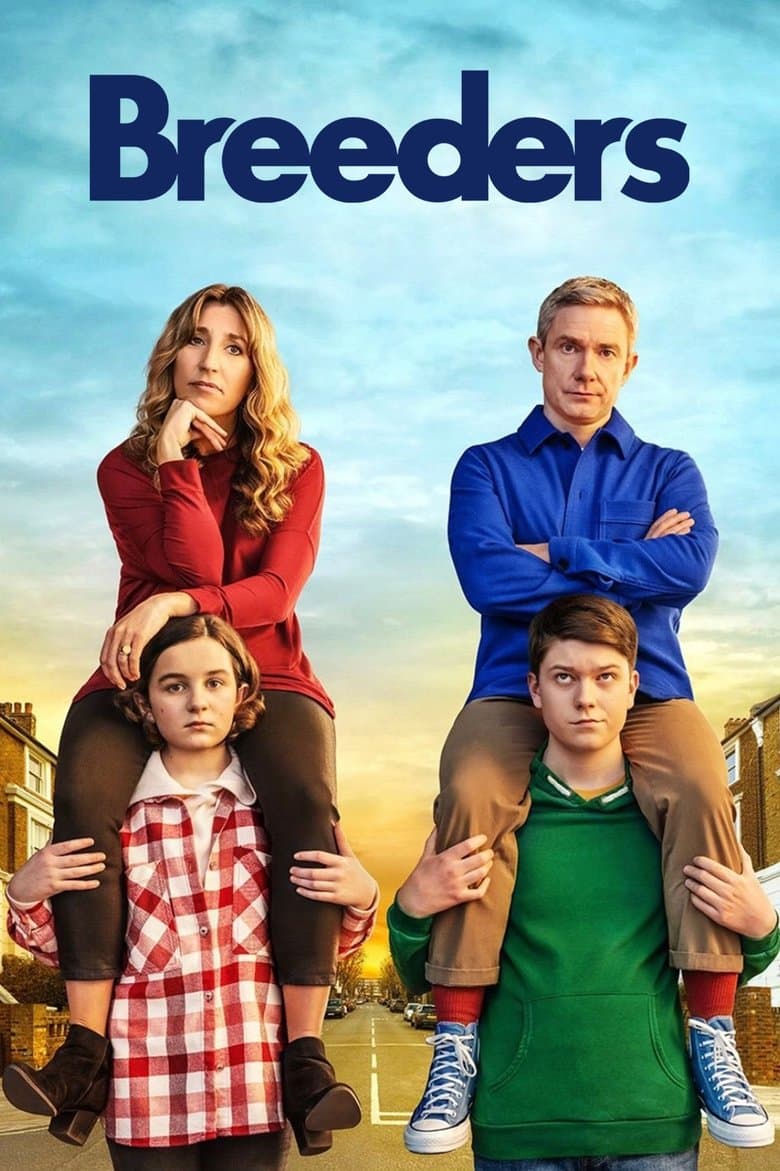
Started March 2, 2020 · Ended · Based on 4 seasons, 40 episodes through September 25, 2023 · TV-MA · 25 min
Breeders follows Paul and Ally, a married couple raising Luke and Ava in present-day Britain. Paul loves his children but often loses his temper, while Ally tries to hold together the home, her work, and their strained marriage. The family also faces aging parents, money worries, health problems, separation, and the shock of Luke becoming a young father. The show uses dark, rude comedy with serious scenes about anger, anxiety, sex, illness, faith, and death.
The strongest woke element arrives in season four when Ava falls for Holly, tells her parents about her girlfriend, and later tells Grace that she loves her as more than a friend. The story treats Ava's same-sex relationships as a normal part of family life, while still showing her hurt when adults treat the news too casually. The show also gives Maya's South Asian family and other minority characters important places in the later family story, but it does not make race or diversity the main subject. Paul's anger, Jim's old-fashioned view of housework, and Ally's work and menopause story question some older ideas about men, women, and family life.
Community feedback
Was our 44% Woke rating accurate?
Breakdown
These are the editorial factors and ratings behind our score for Breeders.
Woke representation / casting
Season 4 gives Ava a visible same-sex relationship, and Maya's South Asian family becomes part of the main family story. Grace also has a close role in Ava's later story. The main family remains a white British family, and no diversity-first casting message was found. The pattern is noticeable late in the run but is mild beside the parenting story.
18%
Woke political dialogue
Not present. The show has arguments about religion, work, health, and parenthood, but it does not build a repeated activist or identity-politics debate. Its language stays personal rather than political.
0%
Identity-driven story themes
Season 4 makes Ava's relationships with Holly and Grace a continuing story over several episodes. The show treats her same-sex attraction as normal and asks the family to listen when she says the news matters to her. The story also connects this to her feeling overlooked beside her brother. Earlier seasons focus on parenting, anxiety, religion, menopause, and marriage, so queer identity is important late content but not the whole series.
47%
Western institutional / cultural critique
The show repeatedly presents Paul's anger as a family problem, not a strength. Luke copies that anger and learns to name his anxiety while becoming a father. Jim's affair and his lack of home skills expose older male roles as harmful and unfair. Ally's job, menopause, and unequal load challenge the idea that women should quietly carry family work. These storylines recur across seasons, but they stay within family drama and do not become a broad attack on Western institutions.
43%
Woke character or canon changes
Not relevant. Breeders is an original series and does not alter an established character, canon, historical figure, or real event.
0%
Anti-woke backlash and complaints
One Rotten Tomatoes audience review objected to Ava being a lesbian and asked whether at least one child had to be gay. That complaint is direct but isolated. The separate X check found no anti-woke reaction, and mainstream coverage focused on parenting and family drama. The evidence shows weak, fringe backlash.
8%
Creator track record context
Blackwell's past work is mainly political satire without strong identity activism. Addison and Freeman bring general left or political signals, while Parsons, Brittain, and Kelly add some identity-focused work. Most other listed writers and director Ben Palmer have little such public record. This is mixed context, and the show itself remains a parenting comedy.
27%
Production
TV Show · 2020
All Nikki and Jason want is a baby—the one thing they can't have. So they decide to adopt. With their dysfunctional friends, screwball families, and chaotic lives, will the…
TV Show · 2016
After North Jackson High's long-time principal steps down to tend to his ailing wife, Neal Gamby and Lee Russell, the school's vice principals, are forced to put their mutual…
TV Show · 2025
Eight years after an unforgivable mistake nukes his promising college football career, hotshot quarterback Russ Holliday tries to resurrect his dreams by disguising himself as…
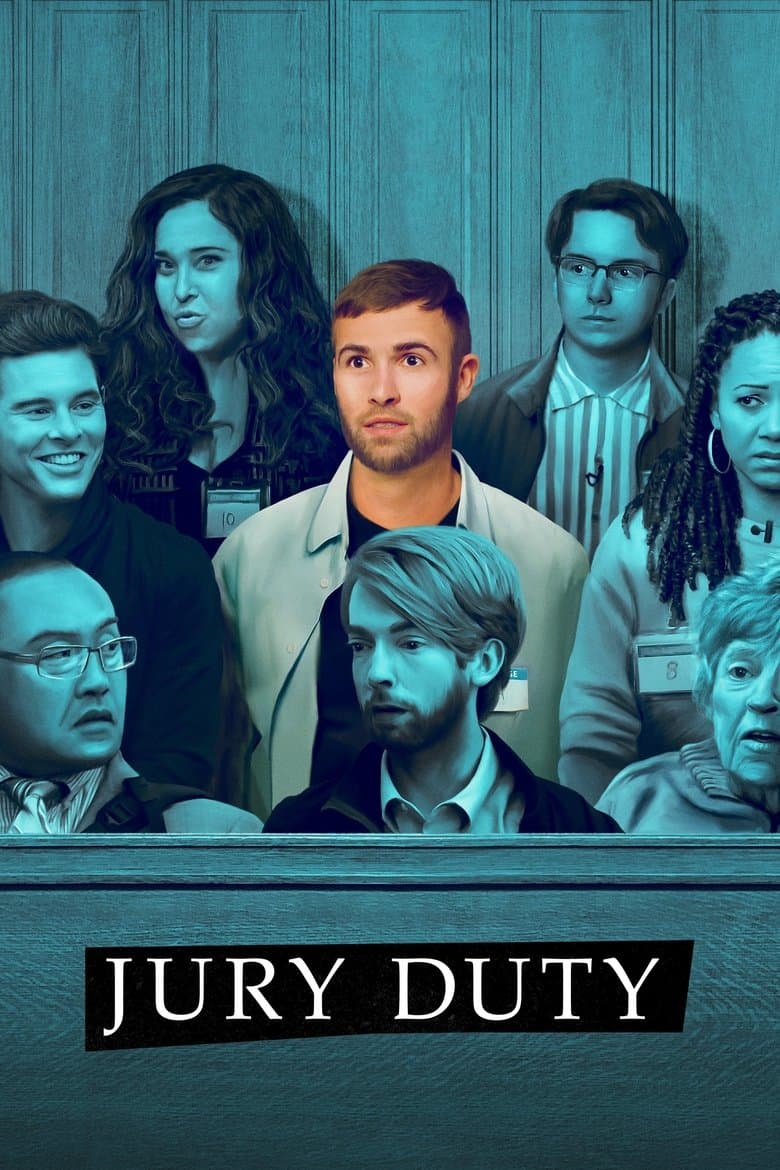
TV Show · 2023
The inner workings of an American jury trial through the eyes of one particular juror, Ronald Gladden. Gladden is unaware the entire case is fake, everyone except him is an actor…
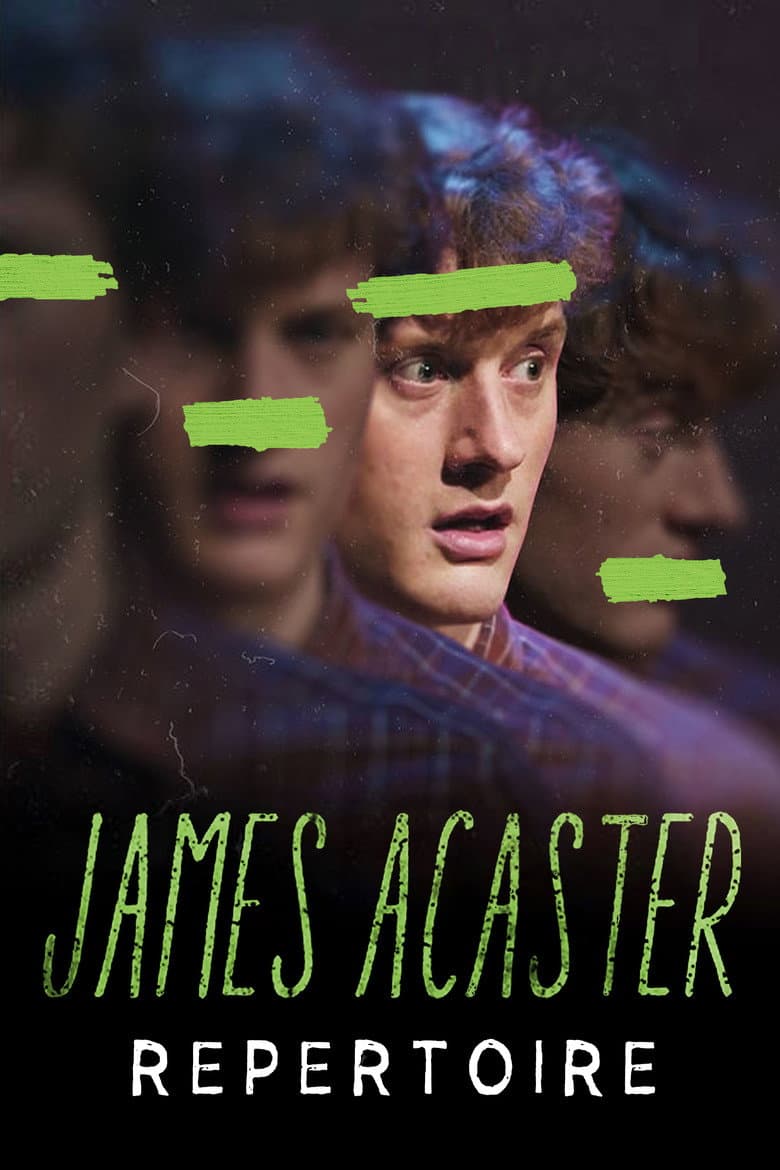
TV Show · 2018
Offbeat comic James Acaster covers the strange, the mundane and everything in between in this collection of four wide-ranging stand-up specials.
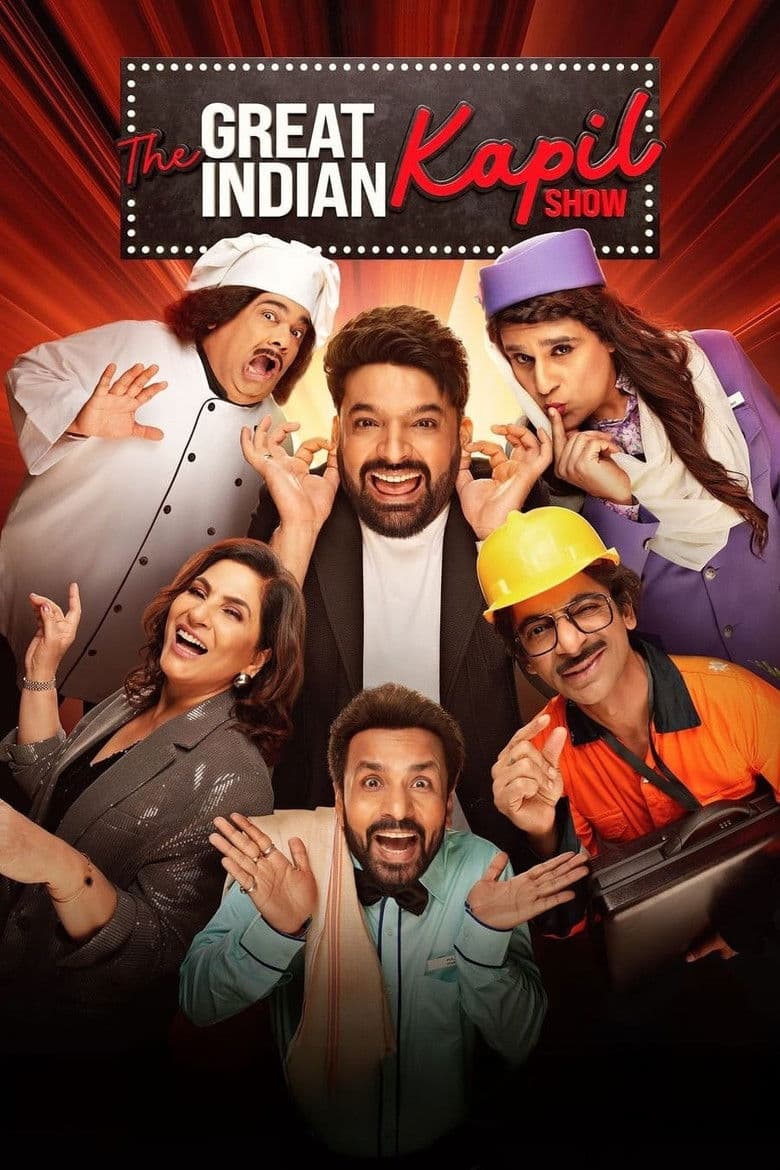
TV Show · 2024
Comedian Kapil Sharma hosts this laugh-out-loud variety talk show with celebrity guests, hilarious antics and his signature supporting cast.
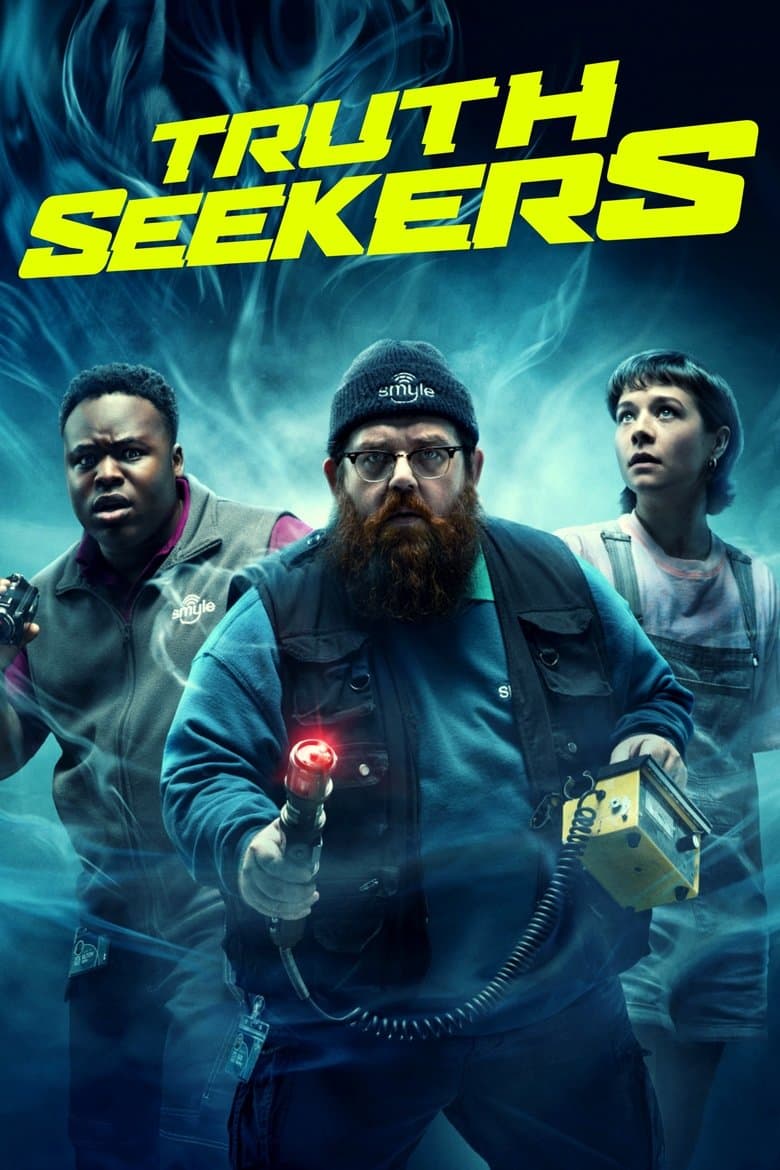
TV Show · 2020
A ghost-hunting duo team up to uncover and film paranormal sightings across the U.K. and share their adventures on an online channel.
TV Show · 2016
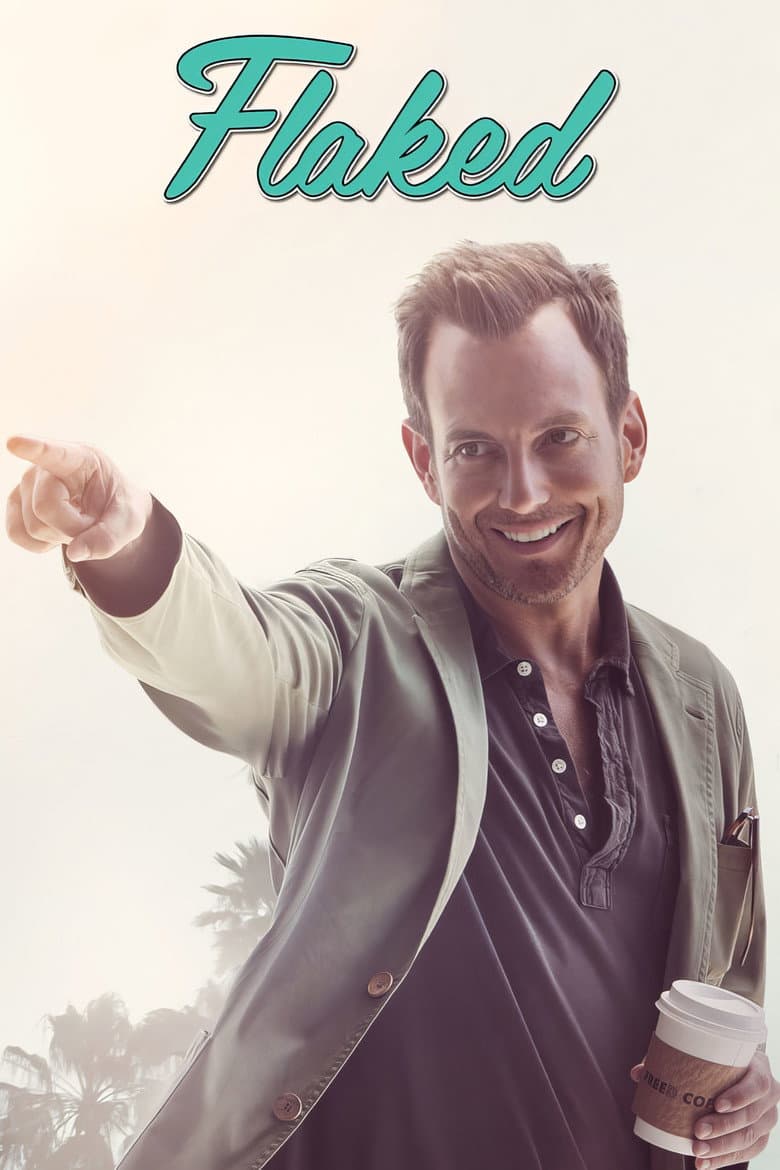
In his funky California beach enclave, Chip's the go-to guy for personal insights. But he isn't quite as enlightened when it comes to his own baggage.
