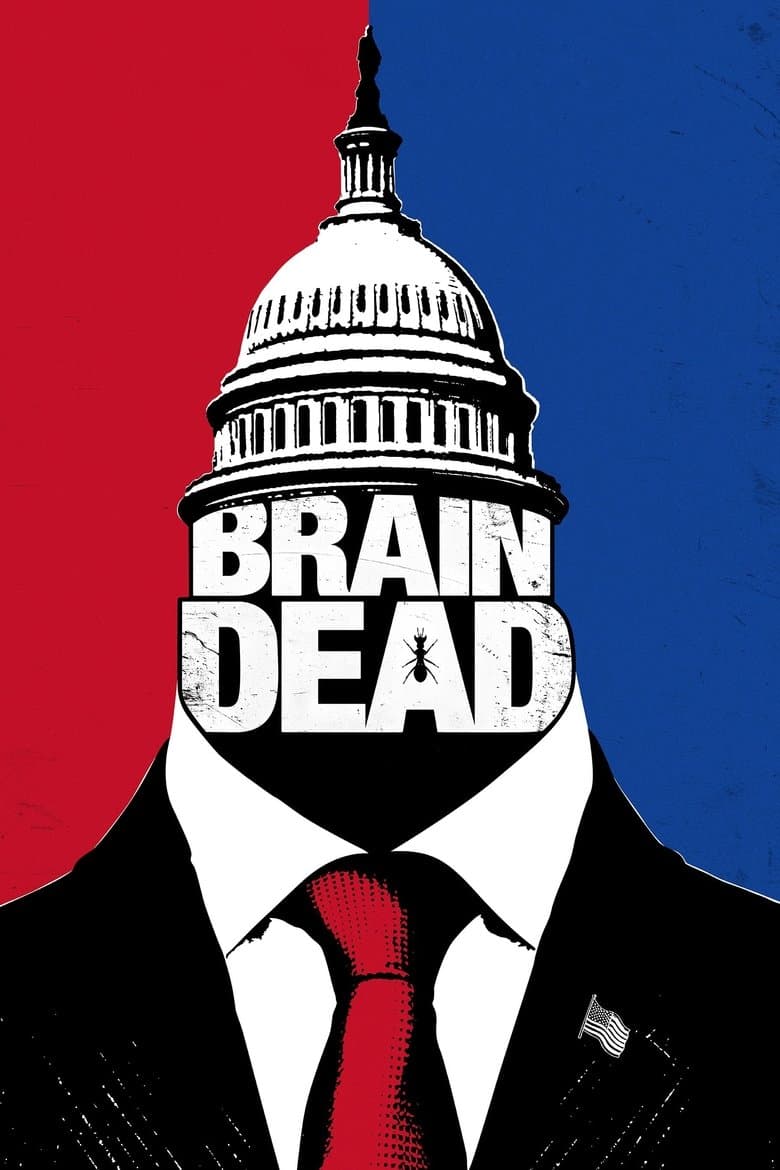
Started June 13, 2016 · Canceled · Based on 1 season, 13 episodes through September 11, 2016 · TV-14 · 45 min
BrainDead follows Laurel Healy, a documentary maker who returns to Washington, D.C., to work for her brother, Senator Luke Healy. A government shutdown leaves Congress stuck while strange insects from a meteor enter the ears of lawmakers and staff. The bugs eat part of each brain and make people more focused, extreme, and loyal to a political side. The show mixes science fiction, blood, romance, and broad comedy with a story about a broken capital.
The main woke signal comes from the show's repeated political fights rather than from queer or race-based themes. The season talks about gun control, abortion, immigration, torture, Syrian refugees, war, arts funding, and the one percent. Late episodes show Republican leaders using fake evidence to push a war and hiding refugee camps, while Laurel's viral video stops the plan. The show also mocks Democratic leaders, liberal activists, and conservative groups, so its message favors compromise more than one side. Laurel, Gustav, and Rochelle solve the central mystery, but the story does not present their race or gender as a lesson.
Community feedback
Was our 49% Woke rating accurate?
Breakdown
These are the editorial factors and ratings behind our score for BrainDead.
Woke representation / casting
The show gives major problem-solving roles to Gustav Triplett, a black scientist, and Rochelle Daudier, a black medical student. Laurel, a white woman, leads the investigation and becomes the main public voice against the Capitol plot. This creates visible diversity in the core team and places minority characters in capable roles. The show does not frame those identities as a political lesson, and the choices fit a modern Washington setting.
24%
Woke political dialogue
The show fills nearly every episode with arguments about party extremism, gun control, abortion, immigration, torture, gerrymandering, war, and government spending. The late story follows fake evidence for a war in Syria and a plan to place Syrian refugees in camps. Laurel's viral video opposes the war and attacks political division. The show also mocks liberal activists and Democratic excuses, so the message is a moderate political satire rather than a one-sided campaign.
41%
Identity-driven story themes
The late-season story treats Syrian refugees and immigration as part of a present-day political fight. The Republican plotters use a false terror story to support war and plan hidden camps for Syrian refugees. The show presents Laurel's abortion rumor and sexual history as weapons used to attack a woman in politics. These themes matter for several episodes, but race, sexuality, and queer identity do not drive the main story.
27%
Western institutional / cultural critique
The show repeatedly presents Congress, the FBI, the CIA, and political media as broken or easy to control. The government shutdown, torture vote, fake Syria evidence, secret war room, and refugee camp plan make public institutions look dangerous. The story blames rigid party loyalty and failed compromise more than it blames one political side. The satire does not attack Christianity or traditional family life, but it does show modern American government as deeply corrupt and weak.
37%
Woke character or canon changes
Not relevant. BrainDead is an original series. It does not change established characters or real historical events.
0%
Anti-woke backlash and complaints
NewsBusters called the show a “lefty” series that used alien ants to bash Ted Cruz. A later NewsBusters review objected to its treatment of Syria, animal suffering, and claims that America helped cause terrorism. The separate X pass found no anti-woke complaint thread, boycott, or review-bomb push. The reported criticism came from a small right-leaning outlet, so the backlash was real but limited.
18%
Creator track record context
Michelle and Robert King have a moderate political track record from The Good Wife and The Good Fight, which often used current events, race, gender, and liberal viewpoints. The writing team includes Jonathan Tolins and Peter Parnell, whose work centers LGBTQ+ themes. Jacquelyn Reingold and Aurin Squire also have inclusion or political work in their backgrounds. Other listed writers and directors have low or limited political context, so the team gives a moderate creator-context signal rather than a dominant one.
48%
Production
TV Show · 2016
A disgraced, 75-year-old ex-sheriff, whose life ends at the hands of corrupt cops, is brought back to life and given a second chance by a pair of young tech scientists, as a…
TV Show · 2018
After landing from a turbulent but routine flight, the crew and passengers of Montego Air Flight 828 discover five years have passed in what seemed like a few hours.
TV Show · 2016
In the near future a family must make difficult decisions as they balance staying together with trying to survive.

TV Show · 2016
In his quest for a bride to break his immortal curse, a 939-year-old guardian of souls meets a grim reaper and a sprightly student with a tragic past.
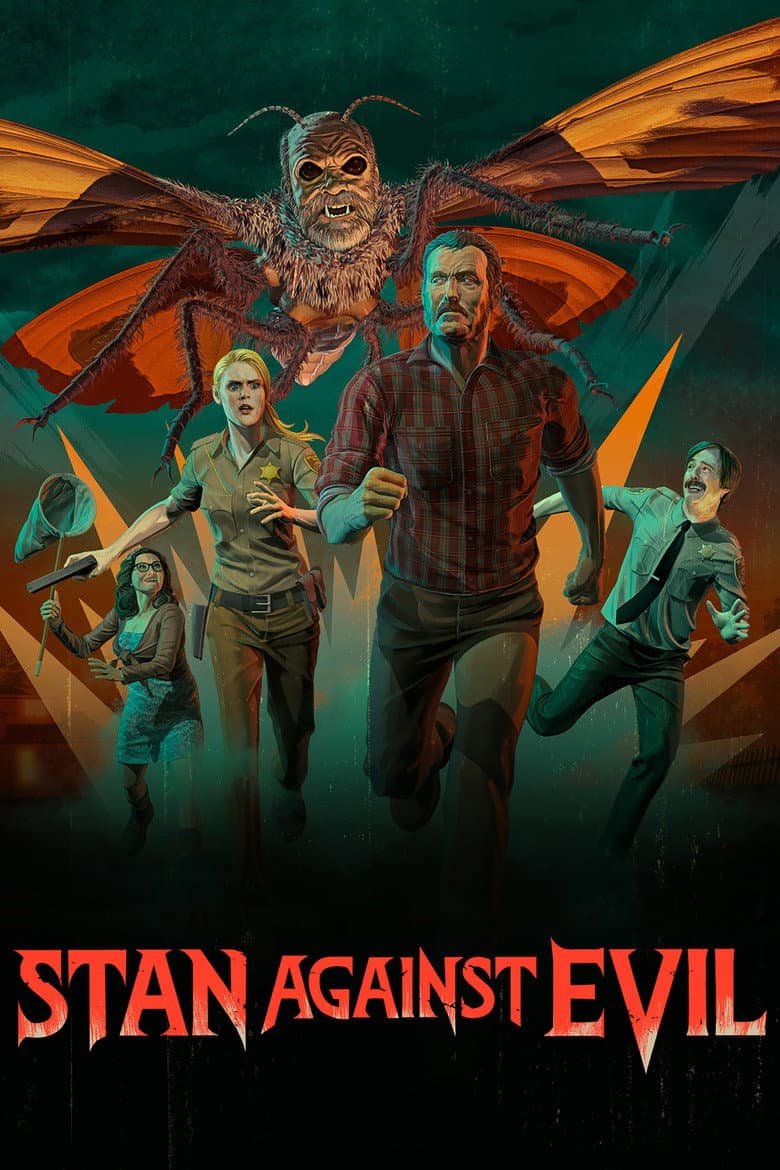
TV Show · 2016
An aging police sheriff who has recently lost his position due to an angry outburst begrudgingly joins an alliance with new sheriff, Evie Barret to battle angry demons haunting…
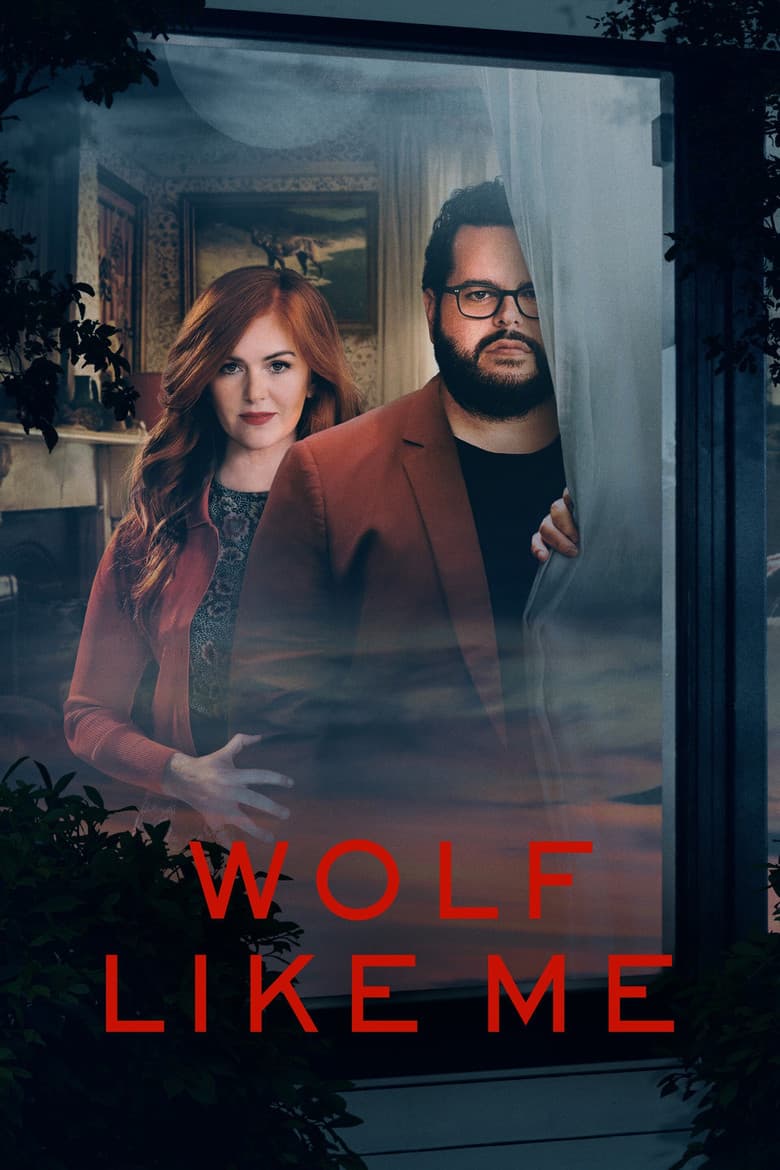
TV Show · 2022
Gary is an emotional wreck and struggles to provide for his daughter since the death of his wife. Mary has a secret she can't bring herself to share with anyone.
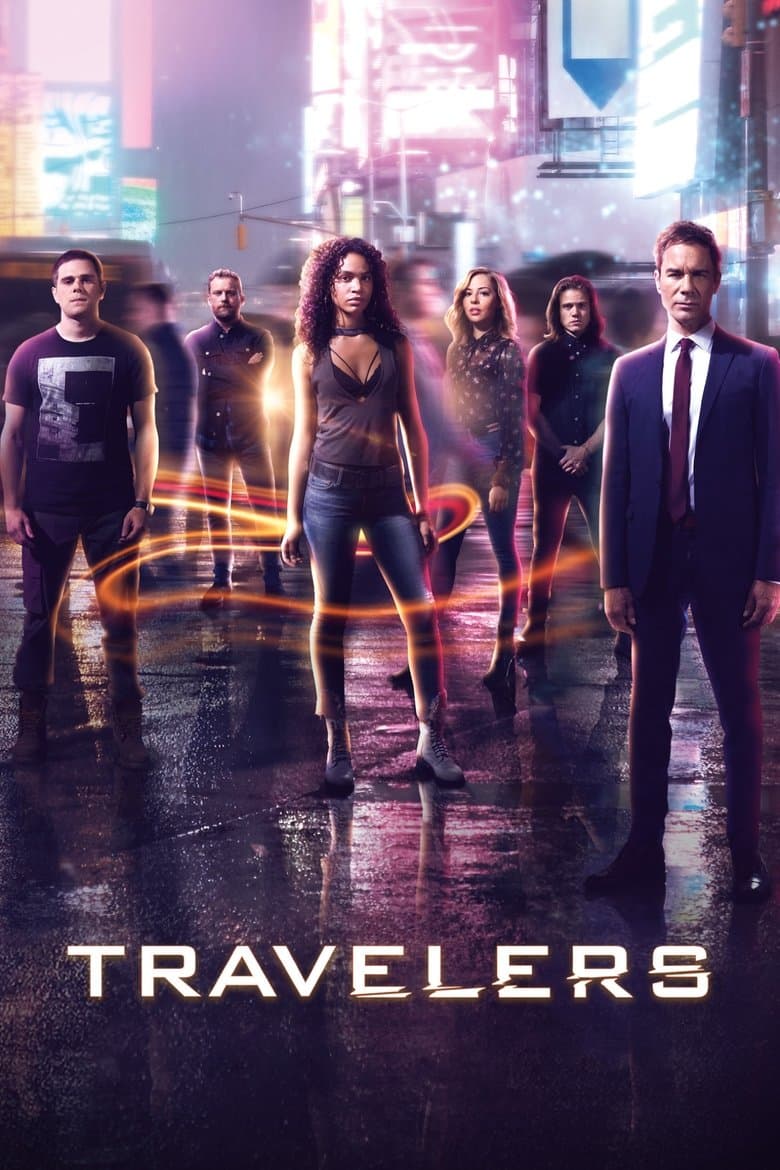
TV Show · 2016
Hundreds of years from now, the last surviving humans discover the means of sending consciousness back through time, directly into people in the 21st century.
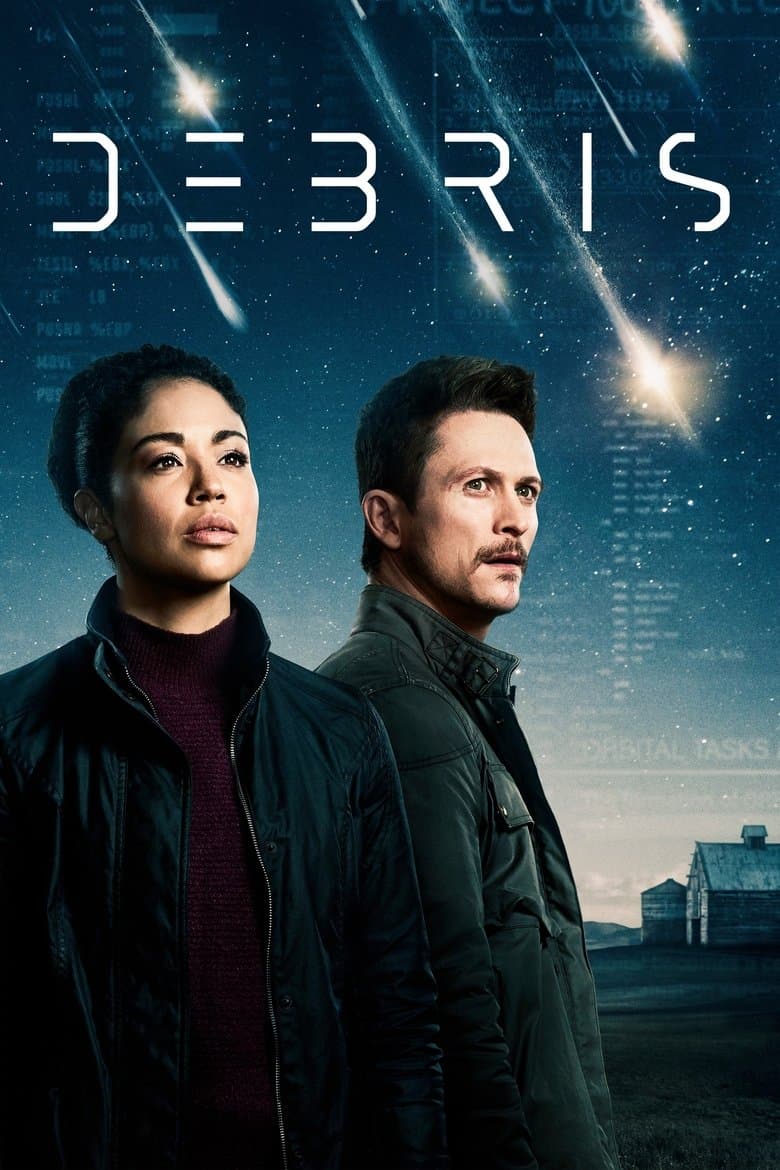
TV Show · 2021
Two federal agents from two different continents, and two different mindsets, must work together to investigate when wreckage from a destroyed alien spacecraft has mysterious…
