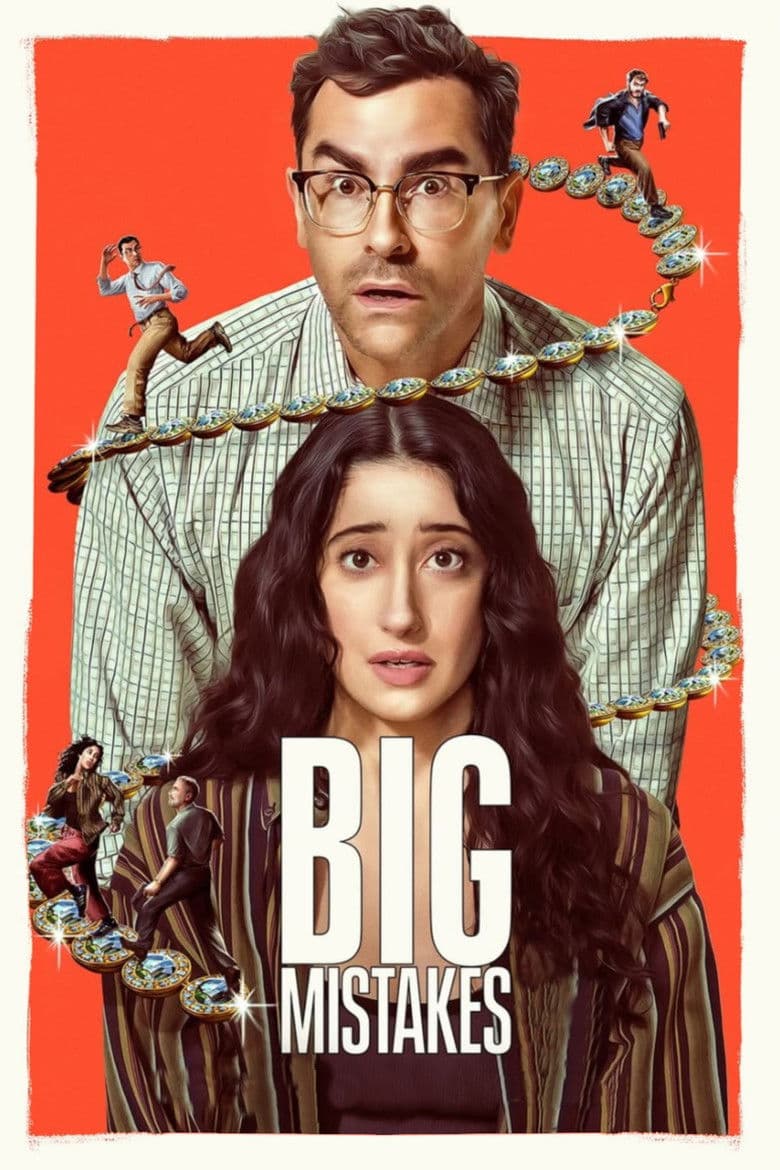
Started April 9, 2026 · Returning Series · Based on 1 season, 8 episodes through April 9, 2026 · TV-MA
Big Mistakes follows siblings Nicky and Morgan Dardano in Glenview, a small New Jersey town. Nicky is a nervous church pastor, while Morgan is a frustrated school teacher who has returned home after failing to build an acting career in New York. Morgan steals a necklace meant for their dying grandmother, and a Turkish gangster forces both siblings to do dangerous jobs for a drug network. The season mixes sharp family arguments, dark crime, sex, violence, and fast absurd comedy. Nicky’s life as a gay pastor is a major part of the season. His church accepts him as gay only if he stays celibate, so he hides his boyfriend and later leaves the church when he chooses a public relationship. Morgan also questions the usual path of marriage and family, and she ends her long relationship after seeing that it does not fit her life. The show often treats women as the sharper or stronger figures, while it mocks male pride and presents family acceptance of queer love as a good thing.
Community feedback
Was our 74% Woke rating accurate?
Breakdown
These are the editorial factors and ratings behind our score for Big Mistakes.
Woke representation / casting
Big Mistakes puts a gay pastor and a woman at the center of its crime story. A gay male partner is a recurring supporting character, and women fill several high-profile roles, including Morgan, Linda, and Annette. This creates a visible identity pattern beyond a standard crime ensemble. The wider ethnic mix fits the modern New Jersey and Miami settings, and no ethnicity-based quota claim is reported.
40%
Woke political dialogue
Characters repeatedly discuss Nicky’s gay identity, celibacy rule, and whether faith can accept an active gay relationship. Nicky says that God is perfect but the people who interpret him are not. Linda’s campaign includes sexist attacks about her divorce and family life, while another character says that confident men are not threatened by strong women. These ideas appear across several episodes, but the show has no long political speeches.
39%
Identity-driven story themes
Nicky’s struggle as a gay pastor is a continuing main story. The church accepts him only if he stays celibate, so he hides Tareq, questions his faith, and leaves his post when he chooses a public relationship. Morgan rejects a long relationship and treats marriage as a path that may not fit her, while crime makes her feel more capable. The finale uses forced marriage as a threat, so queer self-acceptance and resistance to expected gender roles remain important through the season.
78%
Western institutional / cultural critique
The church’s rule that a gay pastor must be celibate is shown as unfair, and Nicky’s faith crisis grows from that conflict. Morgan sees the engagement ring and expected married life as a social demand rather than a clear choice. Linda’s opponent uses sexist insults about her divorce and family, while the show treats his behavior as a weakness. Linda’s campaign also suggests that money and status shape who can enter local politics, but that idea stays secondary.
50%
Woke character or canon changes
Not relevant. Big Mistakes is an original series, so it does not change an established character, canon, or real historical figure.
0%
Anti-woke backlash and complaints
MRC/NewsBusters criticized the show for allegedly mocking Christianity through the gay pastor and Bible-related jokes. A few small X posts called the series woke or objected to an LGBT-event scene. The supplied reaction pass found almost no reach, no boycott, no review-bombing, and no large campaign.
18%
Creator track record context
Dan Levy has a stored creator score of 28/100 and is known mainly for family comedy with a non-activist public style. Rachel Sennott has a stored score of 64/100 because her best-known work often centers queer and women-focused sex comedy. The other listed creators and crew mostly have low scores, with Timothy Greenberg providing mild progressive context. Together, the key creative record gives moderate support for the show’s identity-driven material.
45%
Production
TV Show · 2017
When Daniel Glass is misdiagnosed with a fatal disease he begins to notice how everyone around him treats him better.
TV Show · 2019
To win back his ex-girlfriend, a nerdy teen starts selling ecstasy online out of his bedroom -- and becomes one of Europe's biggest dealers.
TV Show · 2019
A group of working-class friends finding unconventional ways to win at life in suburban northern England. These lads have dealt, scammed, bribed and conned their way through…
TV Show · 2017
In the wake of their first documentary's success, Peter and Sam seek a new case and settle on a stomach-churning mystery at a Washington high school.
TV Show · 2024
When aristocratic Eddie inherits the family estate, he discovers that it's home to an enormous weed empire — and its proprietors aren't going anywhere.
TV Show · 2018
A hit man from the Midwest moves to Los Angeles and gets caught up in the city's theatre arts scene.
TV Show · 2021
A seemingly ordinary British couple become the focus of an extraordinary investigation when two dead bodies are discovered in the back garden of a house in Nottingham.
TV Show · 2022
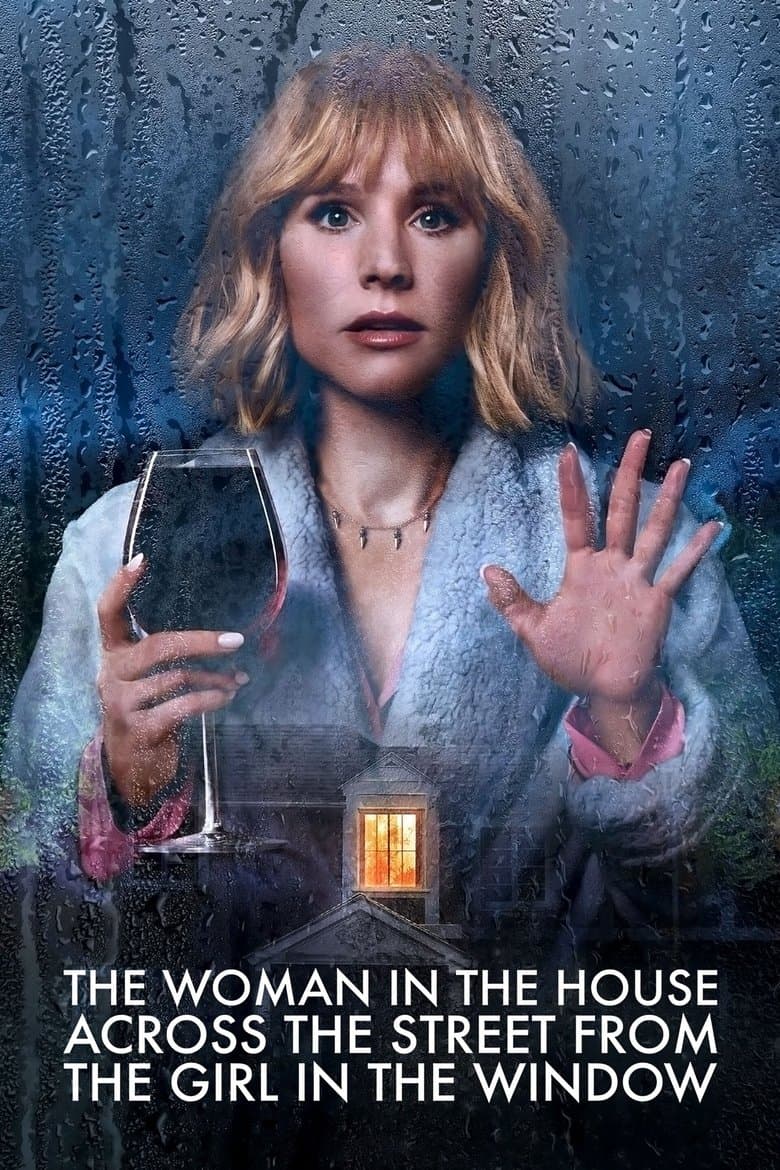
For Anna, every day is the same. She sits with her wine, staring out the window, watching life go by without her.
