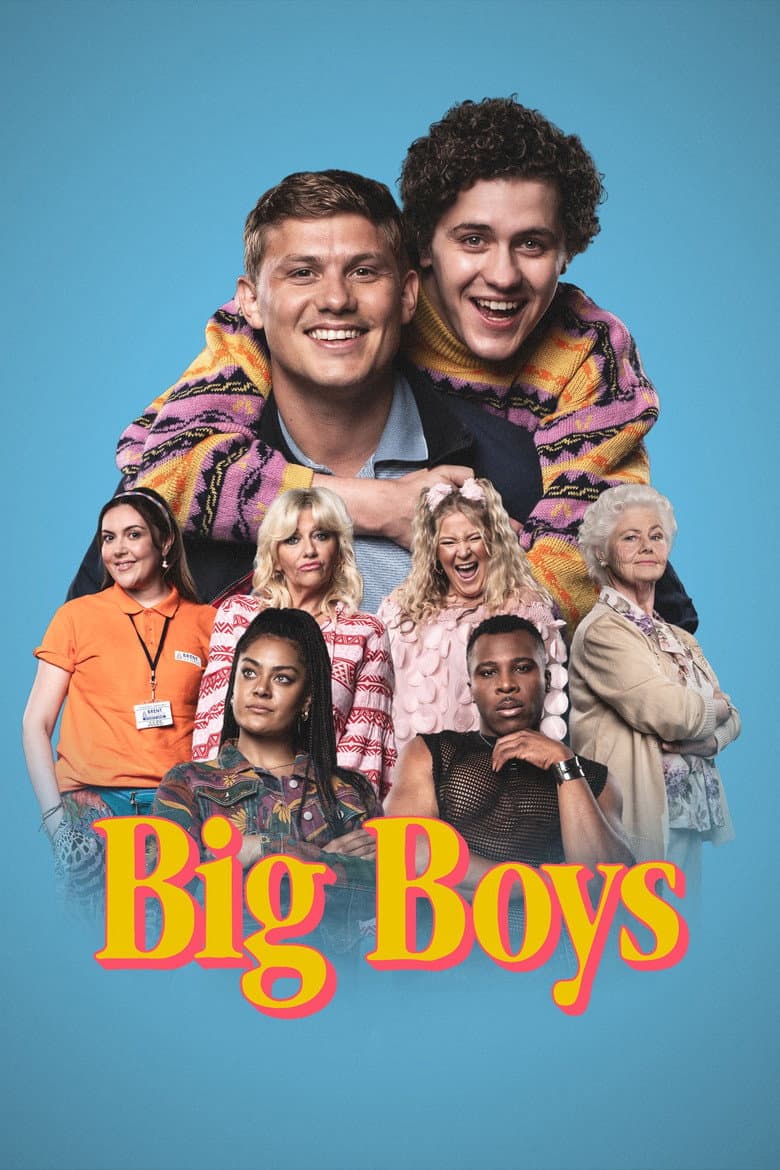
Started May 26, 2022 · Ended · Based on 3 seasons, 18 episodes through February 9, 2025 · TV-PG · 24 min
Big Boys follows Jack, a shy nineteen-year-old who starts at Brent University after his father dies. He shares a campus shed with Danny, an older, loud, straight student who loves women, beer, and football. The two men come from different kinds of masculinity, but they become close friends while Jack faces grief, sex, study, and adult life. The show mixes rude jokes and silly nights out with sadness, family warmth, and serious mental health problems. Jack’s gay identity is a central part of the story across all three seasons. The show follows his slow coming out, first sexual experiences, gay clubs, dating, and growing comfort with himself. Yemi is a confident gay fashion student and leader of the LGBTQ+ society, while Danny’s friendship shows a straight man supporting a gay friend without becoming a joke. The later seasons keep the queer focus but give more space to chosen family, men showing their feelings, depression, and the painful cost of hiding serious problems.
Community feedback
Was our 86% Woke rating accurate?
Breakdown
These are the editorial factors and ratings behind our score for Big Boys.
Woke representation / casting
The main group is built around a gay student, his straight male best friend, and Yemi, a confident gay fashion student who leads the LGBTQ+ society. The show gives queer spaces, sex, and relationships a visible place in the main cast. The setting is a modern London university, so the wider racial mix feels believable. The strong queer focus makes representation a major part of the audience’s first view of the series.
70%
Woke political dialogue
The series repeatedly has characters talk about coming out, gay sex, the LGBTQ+ society, sexual health, and media representation of homosexuality. Yemi’s society role and Jack’s dissertation bring those subjects back in different seasons. The talk is usually placed inside jokes, dates, and friendship scenes. The show has identity-focused dialogue often, but it does not stop for long political speeches.
47%
Identity-driven story themes
Jack’s coming out and sexual discovery run through all three seasons. Gay sex, gay clubs, dating, and queer friendship are repeated story material. The show treats chosen family and accepting identity as good answers to loneliness and grief. Season 3 adds Jack’s work on gay media representation and gives Danny’s depression a major place beside the queer story.
90%
Western institutional / cultural critique
The show repeatedly questions the idea that men should be tough, sexually confident, and silent about pain. Danny’s laddish image hides depression, while Jack and Danny learn to show care and emotion. The story also treats narrow ideas about gay and straight friendship as limits that can be pushed aside. The show does not attack Christianity, capitalism, or other Western institutions.
42%
Woke character or canon changes
Not relevant. The series is an original semi-autobiographical story. It does not rewrite established characters or historical events.
0%
Anti-woke backlash and complaints
Not present. The X reaction pass found no anti-woke complaints. No sustained boycott, review-bombing, or anti-woke campaign appeared in the wider coverage.
0%
Creator track record context
Jack Rooke’s public creative record is strongly tied to queer representation, emotional openness, chosen family, and challenges to narrow masculinity. Big Boys grows directly from his own coming out, grief, and friendships. He has described the show as a place for gay and straight men to choose each other and as a more inclusive story. His identity-led creative focus is a major part of the context around this title.
75%
Production
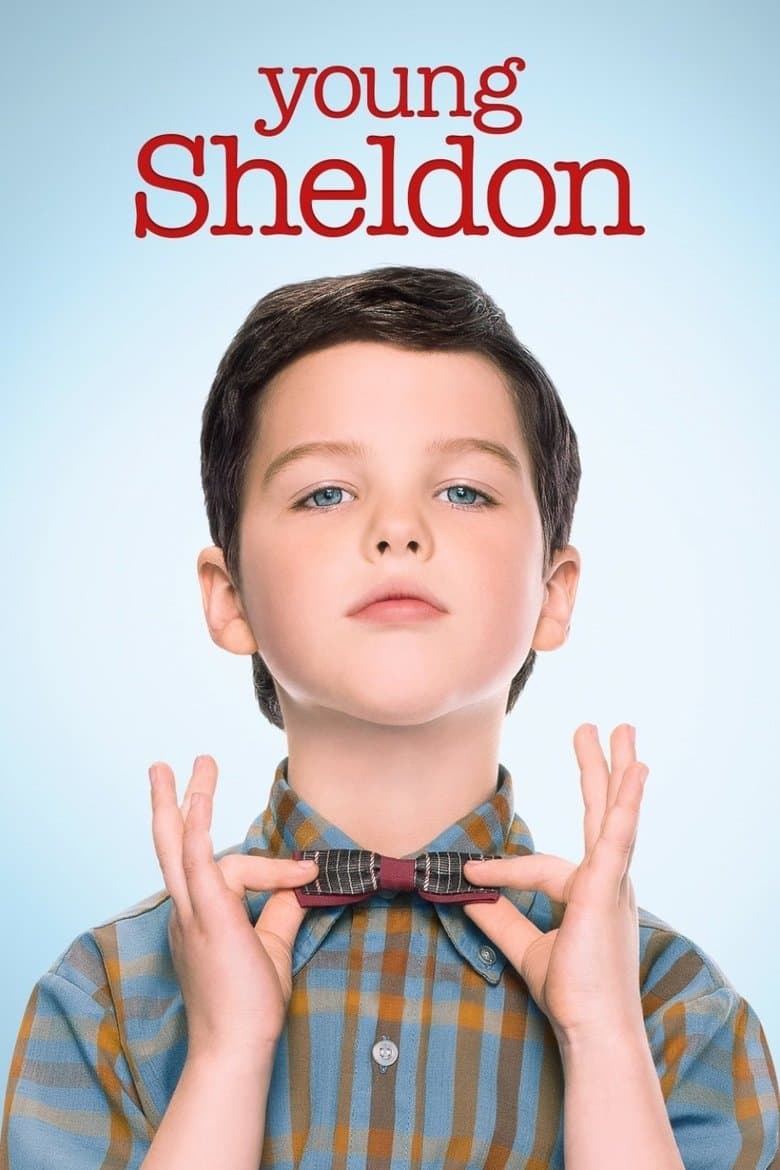
TV Show · 2017
The early life of child genius Sheldon Cooper, later seen in The Big Bang Theory.
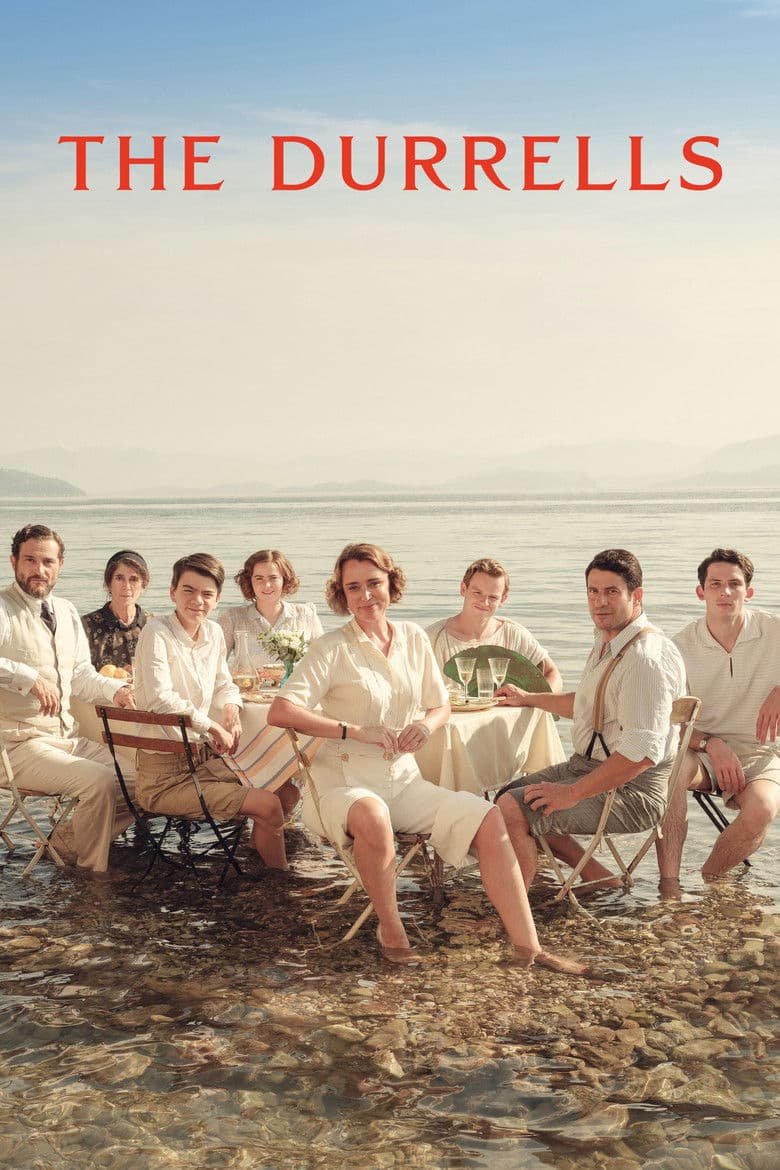
TV Show · 2016
In 1935, financially strapped widow Louisa Durrell, whose life has fallen apart, decides to move from England, with her four children (three sons, one daughter), to the island of…
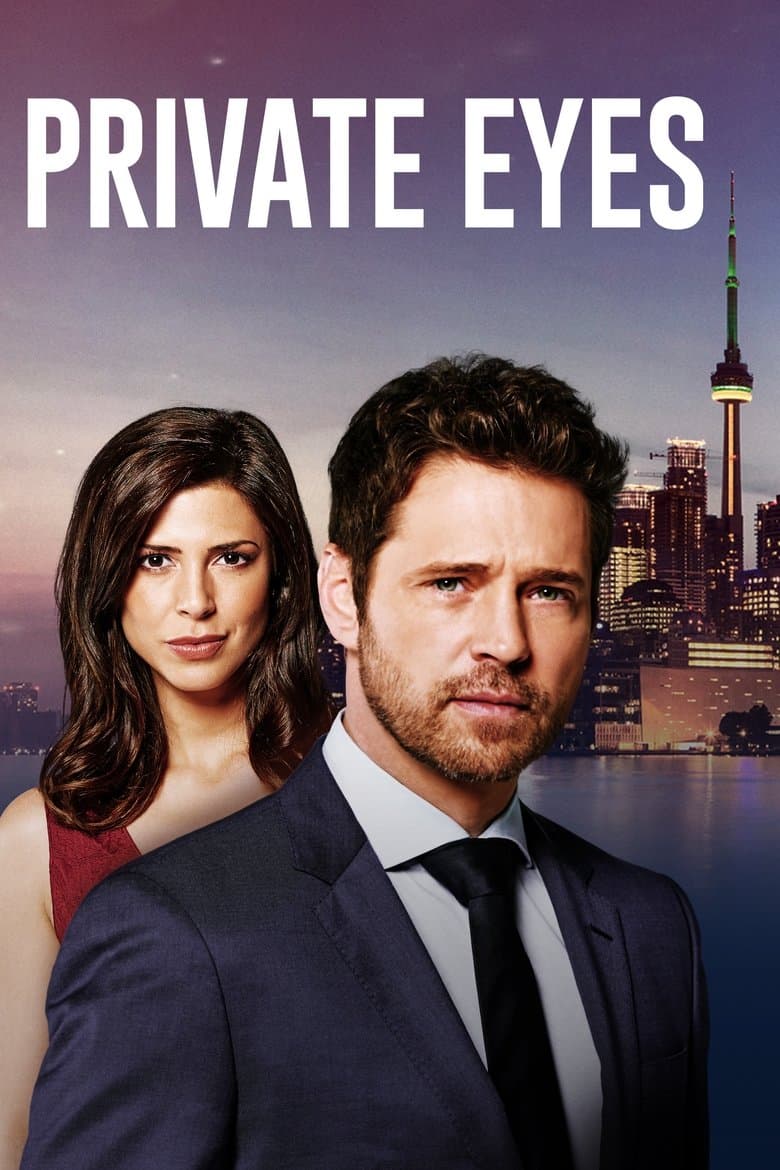
TV Show · 2016
Ex-pro hockey player Matt Shade irrevocably changes his life when he teams up with fierce P.I. Angie Everett to form an unlikely investigative powerhouse.
TV Show · 2024
John Taylor lives in quiet solitude, designing puzzles for a living, under the nom-de-plume of 'Ludwig'. When his identical twin, James, disappears off the face of the earth, John…
