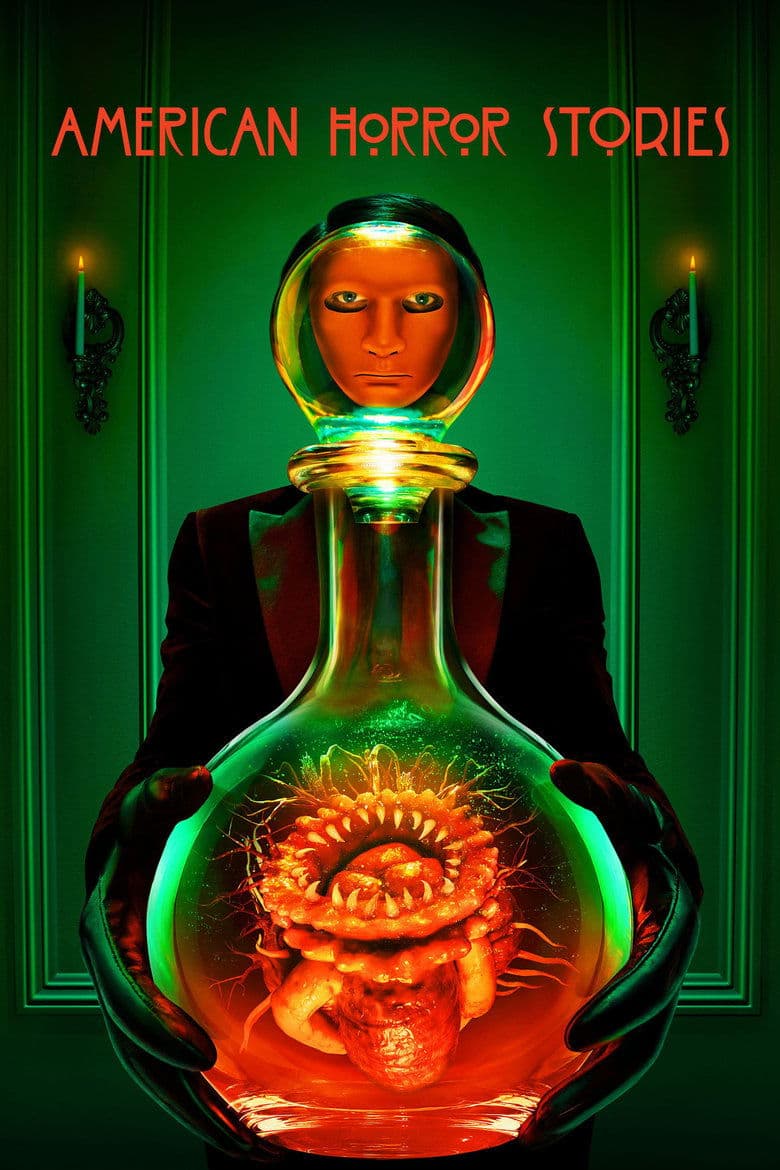
Started July 15, 2021 · Canceled · Based on 3 seasons, 24 episodes through October 15, 2024 · TV-MA
American Horror Stories is a horror anthology, so each episode tells a mostly separate story. The settings move from the haunted Murder House to small towns, schools, hospitals, fashion work, online spaces, and strange science labs. The main characters include lonely teens, families, couples, workers, and people chasing love or success. Ghosts, demons, killers, curses, and cruel technology turn normal fears into bloody, often campy horror.
The clearest woke elements appear in the two-part premiere, where two gay fathers raise a lesbian daughter whose romance with a female ghost drives the story. Season three later centers a gay male couple in Clone, while Milkmaids uses a plague story to argue over science, faith, and health. Bloody Mary gives a black group of girls a supernatural story linked to slavery and an African spirit, and Tapeworm attacks the fashion world’s demand for extreme thinness. These themes are visible in several episodes, but the anthology still spends most of its time on personal horror, sex, technology, folklore, and shock.
Community feedback
Was our 61% Woke rating accurate?
Breakdown
These are the editorial factors and ratings behind our score for American Horror Stories.
Woke representation / casting
Season 1 opens with two gay fathers raising a lesbian daughter, and her romance with a female ghost drives both premiere episodes. Season 3's Clone centers on a gay male couple and makes their relationship the heart of the story. Season 2's Bloody Mary also gives a mostly black cast of girls the main roles, while many other episodes use mixed modern American casts. The repeated queer leads and prominent identity-focused casting make representation easy to notice, even though the anthology uses new characters in every story.
44%
Woke political dialogue
Milkmaids repeatedly argues that science, not prayer or claims of divine healing, is what stops disease. The episode also echoes modern arguments about vaccines and public health through its smallpox story. Drive In stages a short debate over censorship through fictional scenes with Tipper Gore. Most episodes use horror, sex, social media, or personal danger without political speeches, so the dialogue is clear but limited.
28%
Identity-driven story themes
Rubber (Wo)man makes a lesbian teenager's desire, family, and romance with a female ghost the main conflict of the opening two episodes. Clone later follows a gay couple and ties their love to a story about age, power, and artificial copies. Bloody Mary links a black heroine's supernatural origin to slavery, revenge, and Mami Wata. Tapeworm follows a young model who harms herself to meet extreme beauty demands, while most other episodes remain focused on ordinary horror plots.
48%
Western institutional / cultural critique
Milkmaids presents a church leader's religious control and the rejection of medical knowledge as threats during a plague. Tapeworm attacks fashion and beauty rules that push women toward dangerous weight loss. Dollhouse and Daphne show men treating women as replaceable or obedient objects, but each idea stays inside a horror plot. These critiques recur in separate episodes, yet the series does not build one continuing attack on Western institutions or family life.
27%
Woke character or canon changes
Not relevant. The series uses new characters and mostly stand-alone stories. It revisits Murder House, the Rubber Man image, and the Bloody Mary legend, but it does not make a clear identity-driven change to an established character or continuing canon.
0%
Anti-woke backlash and complaints
Only a few tiny X accounts called the spin-off woke or said it was made under woke censorship. Another small post mocked a multi-ethnic friend group as a woke moment and hoped later titles would be less woke. No boycott, review-bomb, or organized anti-woke campaign appeared in the separate X pass. The complaints were fringe, low-engagement, and sometimes confused this show with American Horror Story.
12%
Creator track record context
Ryan Murphy has a strong record of queer and identity-focused shows, including Pose, Glee, and American Horror Story. Murphy also created the Half foundation to increase hiring of women, minority, and LGBT directors. Brad Falchuk shares a long pattern of LGBTQ characters and social themes through Glee, American Horror Story, and The Politician. Several credited writers also have queer or identity-centered work, so the creator signal is much stronger than the politics in most episodes.
84%
Production
TV Show · 2023
Aster Calyx and Halan Kai Nielsen are inextricably drawn to Beacon 23. Navigating one threat after another, they unravel the beacon’s mysteries, just in time to face their most…
TV Show · 2020
Young computer engineer Lily Chan investigates the secretive development division of her employer, a cutting-edge tech company based in San Francisco, which she believes is behind…
TV Show · 2017
A demented serial killer taunts a retired police detective with a series of lurid letters and emails, forcing the ex-cop to undertake a private, and potentially felonious, crusade…

TV Show · 2023
At the brink of going to hell, Yee-jae must cycle through twelve separate lives and twelve separate deaths in this reincarnation drama.
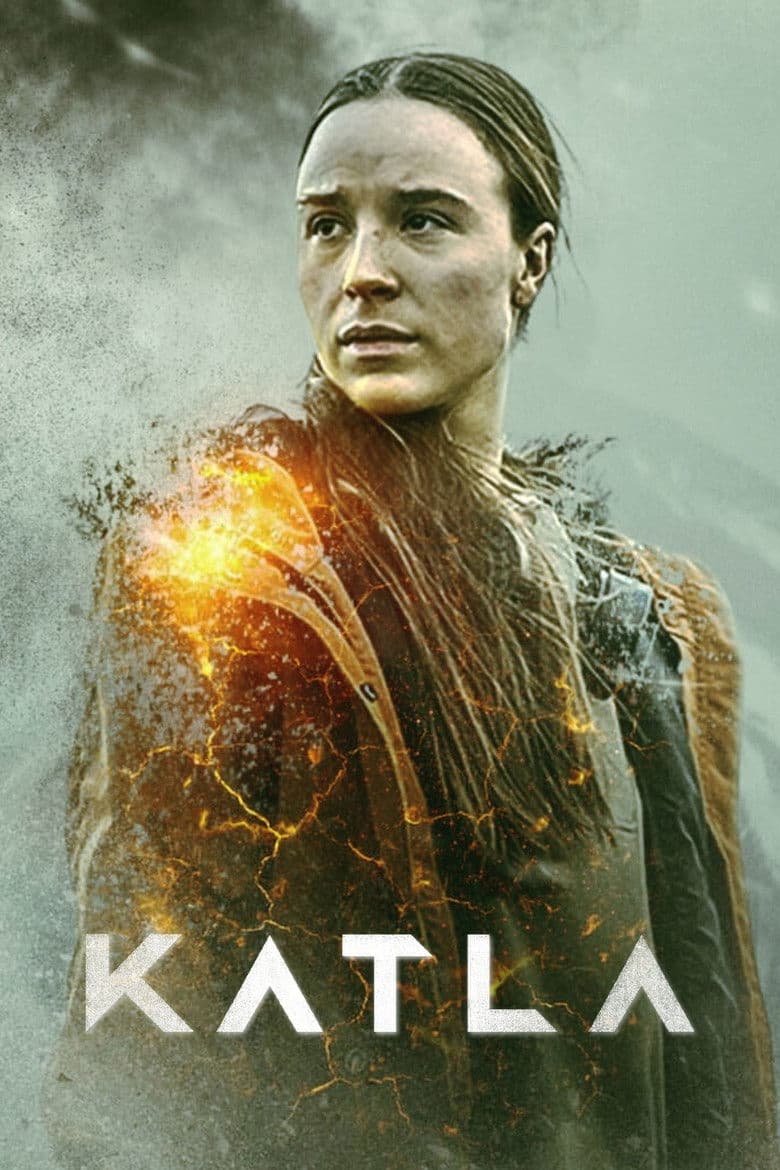
TV Show · 2021
A year after a subglacial volcano erupts, mysterious elements from prehistoric times emerge from the melting ice, bringing unforeseen consequences.
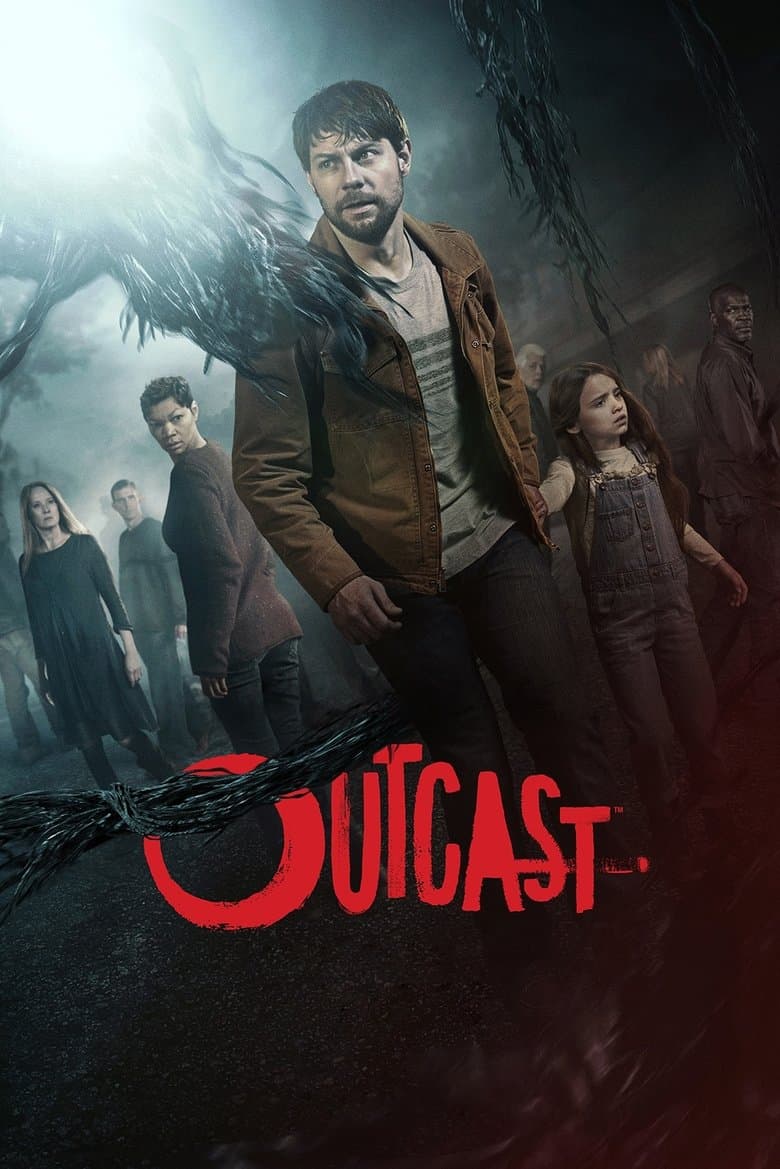
TV Show · 2016
Kyle Barnes has been plagued by possession since he was a child. Now an adult, he embarks on a spiritual journey to find answers, but what he uncovers could mean the end of life…
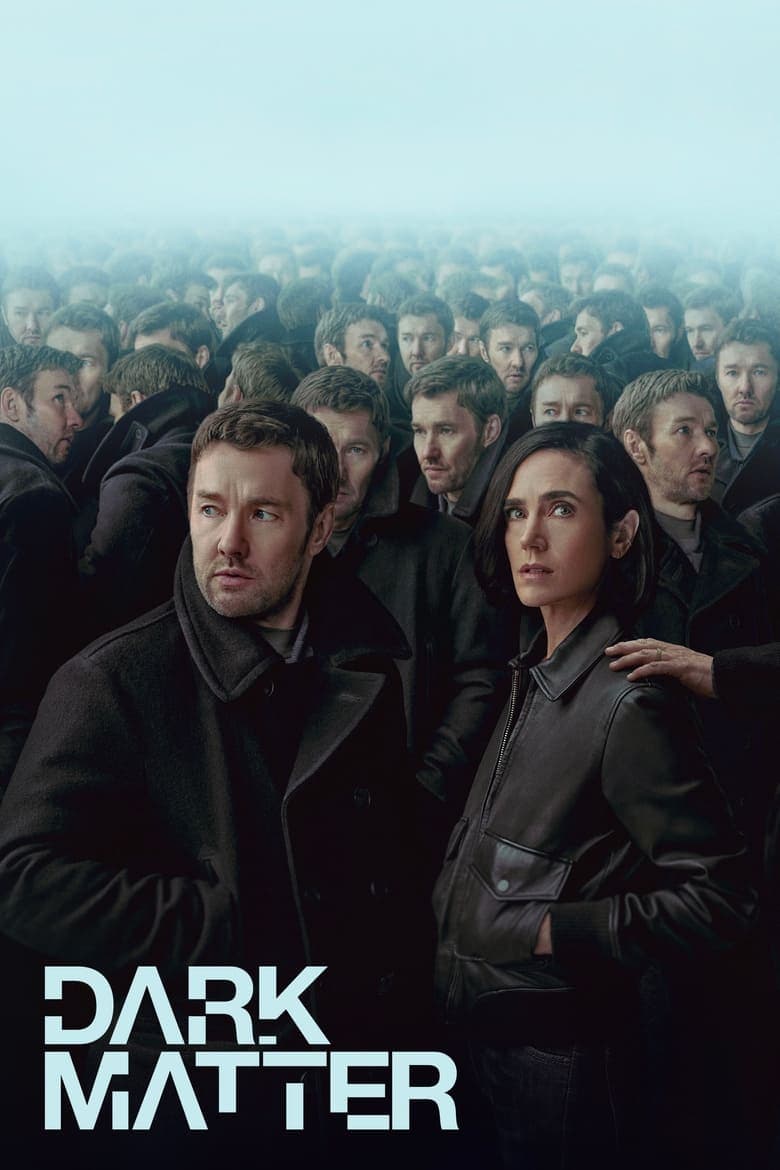
TV Show · 2024
Jason Dessen is abducted into an alternate version of his life. To get back to his true family, he embarks on a harrowing journey to save them from the most terrifying foe…
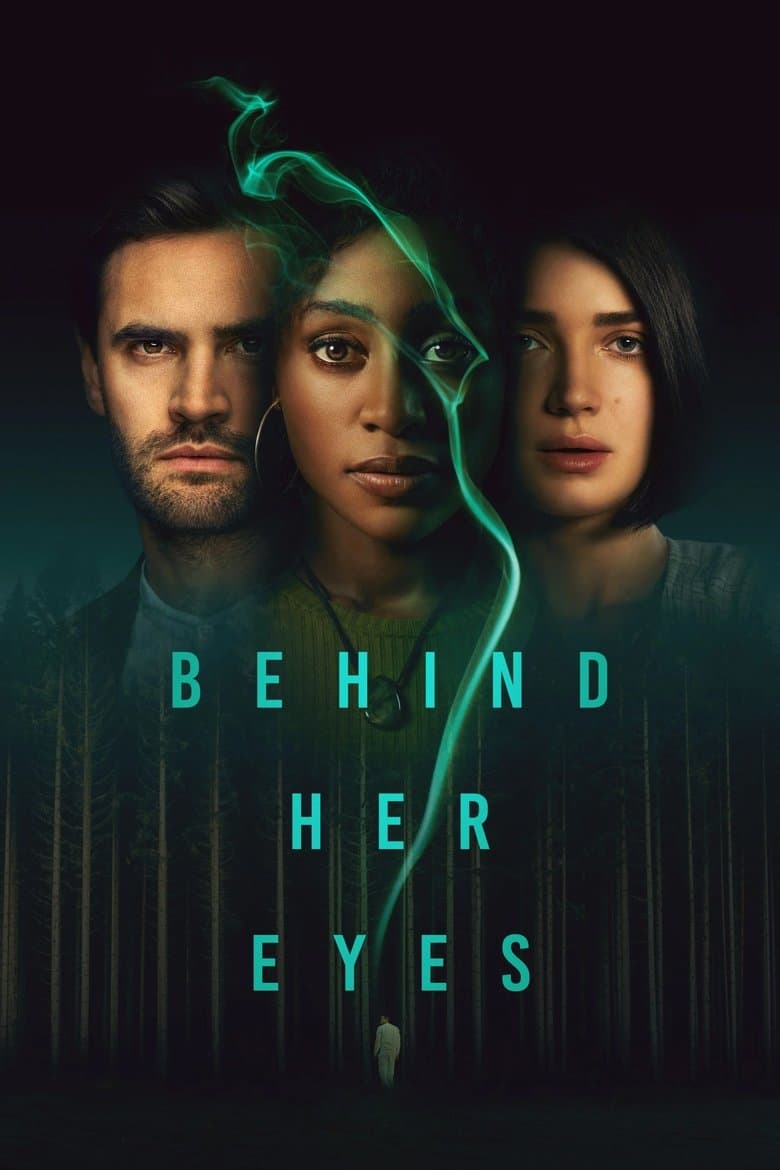
TV Show · 2021
A single mother enters a world of twisted mind games when she begins an affair with her psychiatrist boss while secretly befriending his mysterious wife.
