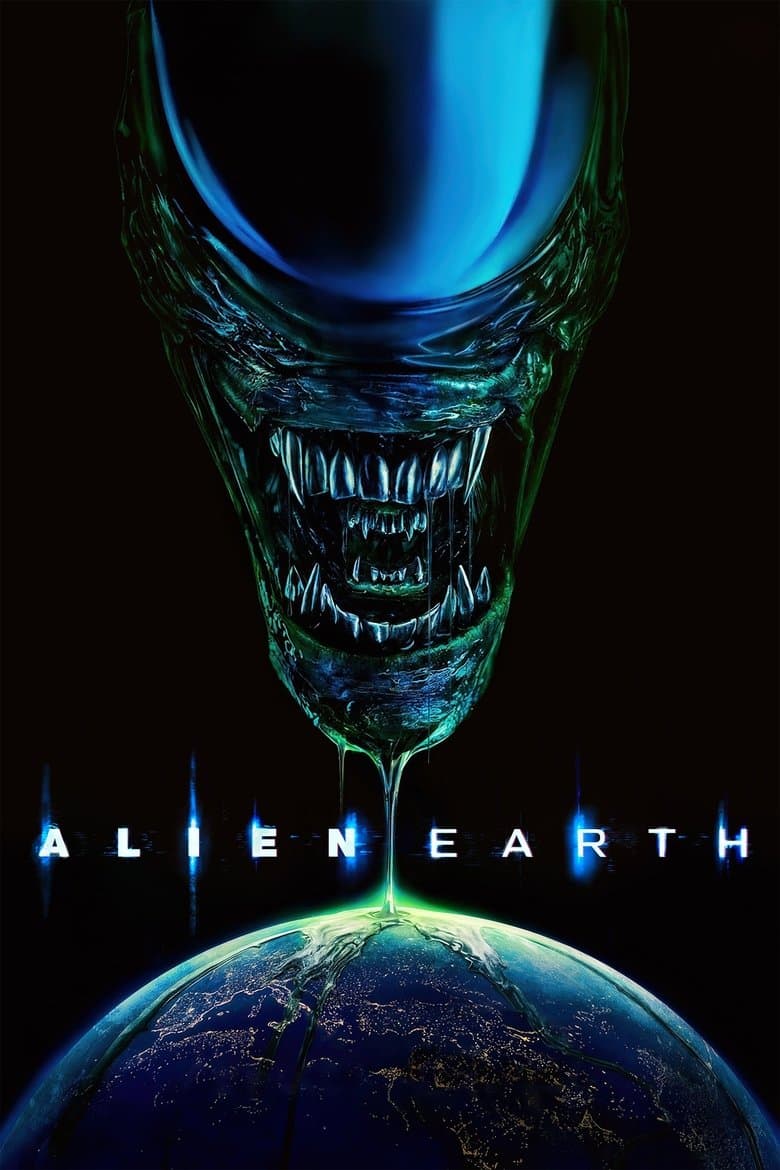
Started August 12, 2025 · Returning Series · Based on 1 season, 8 episodes through September 23, 2025 · TV-MA
In the year 2120, five megacorporations rule Earth in place of nation states. When the Weyland-Yutani ship USCSS Maginot crashes into Prodigy’s New Siam, hybrid Wendy and Prodigy’s Lost Boys face xenomorphs and other alien specimens. Wendy has a child’s mind placed in a synthetic adult body she did not choose. Prodigy CEO Boy Kavalier treats people and hybrids as corporate assets. Season 1 follows that clash of hybrids, companies, and creatures across eight episodes.
The story makes corporate ownership of cities, bodies, and wealth-based rescue triage easy to see on screen. Wendy’s arc shows moral specialness and female-led power as she outthinks adults, bonds with a xenomorph, and leads hybrids to seize Neverland from Kavalier. The ensemble casting is intentionally broad across race and background without swapping legacy franchise heroes. Hybrid identity, body autonomy, and dehumanization drive the main themes more than confirmed LGBTQ plotlines. Anti-corporate oligarchy is the main social frame of Earth society, stronger than a one-off evil boss plot.
Community feedback
Was our 47% Woke rating accurate?
Breakdown
These are the editorial factors and ratings behind our score for Alien: Earth.
Woke representation / casting
The future global corporate setting supports a multiethnic cast, so this is not pure historical mismatch. Still, the on-screen cast is intentionally broad across race and background. Wendy leads as the first hybrid with exceptional powers, and other prominent roles include South Asian, Black, Māori, and Asian characters. It reads more like modern diversity-first ensemble casting than pure story necessity, without race-swapping legacy franchise heroes.
34%
Woke political dialogue
Talk and plot stress corporate ownership of cities, bodies, and rescue triage by wealth, plus company-over-crew loyalty on the Maginot. That continues classic Alien anti-company talk and Hawley’s inequality framing more than modern race or gender identity slogans. Anti-oligarch and anti-corporate lines are clear. It is not constant identity-politics lecturing.
18%
Identity-driven story themes
The core arc is hybrid identity and bodily autonomy as sick children’s minds are moved into synthetic adult bodies they did not choose. A boy-genius CEO owns and edits them, including memory wiping. Wendy’s path is moral specialness and girlboss dominance as she outthinks adults, commands a xenomorph, and leads hybrids to seize Neverland. Gendered power fantasy and body-identity themes are hard to miss even without confirmed LGBTQ plotlines.
36%
Western institutional / cultural critique
Season 1 worldbuilding is systemic, with nation-states replaced by five corps and continents run as corporate zones. Children raised as product are shown as moral horror. The critique of corporate oligarchy and elite failure is the main social frame of Earth society. It is stronger than generic evil-company pulp and is not mainly about toxic masculinity, anti-Christian mockery, or race-as-system messaging.
34%
Woke character or canon changes
Most characters are original, and the story sits in a prequel window two years before Alien from 1979. Continuity debates about Weyland-Yutani naming or timing are ordinary franchise hygiene, not identity rewrites of Ripley or other icons. Wendy’s xeno-communication and hybrid tech expand the universe rather than remaking known figures. The mild score is for a representation-heavy original ensemble inside legacy IP, not for ideological swaps of canon people.
12%
Anti-woke backlash and complaints
Backlash was real and is recurring. Fans pushed back early when Hawley called the series about inequality. Coverage and posts labeled Wendy a girlboss or Mary Sue, called the cast DEI, and called the show woke or agenda-driven. Complaints track the overpowered female lead, diversity optics, and political framing more than one single viral scandal.
40%
Creator track record context
Listed creators sit mostly low to moderate, with Hawley at 23 for craft and civic themes rather than hard identity advocacy. Directors land near 20 to 21, and writers are largely single digits to low 20s. Producers and the casting director are in the single digits to teens. That supports mild progressive and corporate-critical storytelling more than a DEI-activist creative team.
20%
Production
TV Show · 2023
At the brink of going to hell, Yee-jae must cycle through twelve separate lives and twelve separate deaths in this reincarnation drama.
TV Show · 2024
Rick and Michonne are thrown into another world, built on a war against the dead... And ultimately, a war against the living.
TV Show · 2017
Set in a near-dystopian future, a former cop is forced to take part in a death race where the cars run on human blood. You lose a leg and you lose your head.
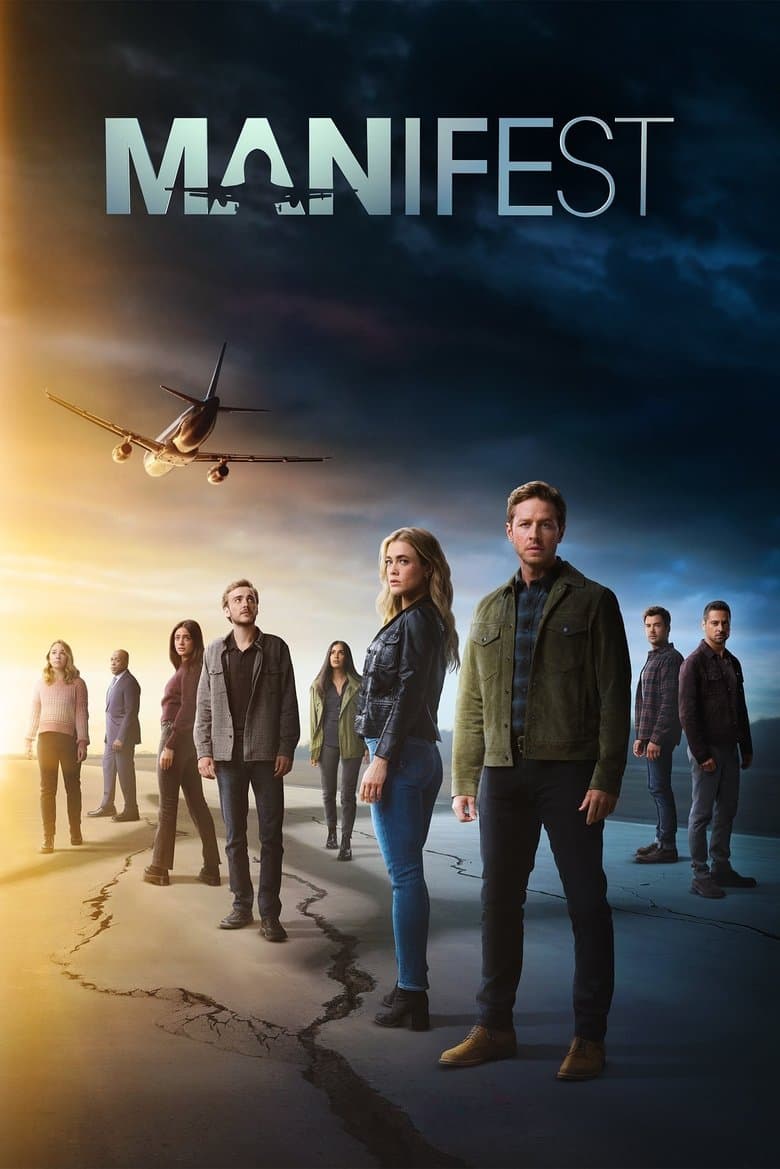
TV Show · 2018
After landing from a turbulent but routine flight, the crew and passengers of Montego Air Flight 828 discover five years have passed in what seemed like a few hours.
TV Show · 2021
Interconnected phone conversations chronicle the mysterious story of a group of strangers whose lives are thrown into disarray in the lead-up to an apocalyptic event.
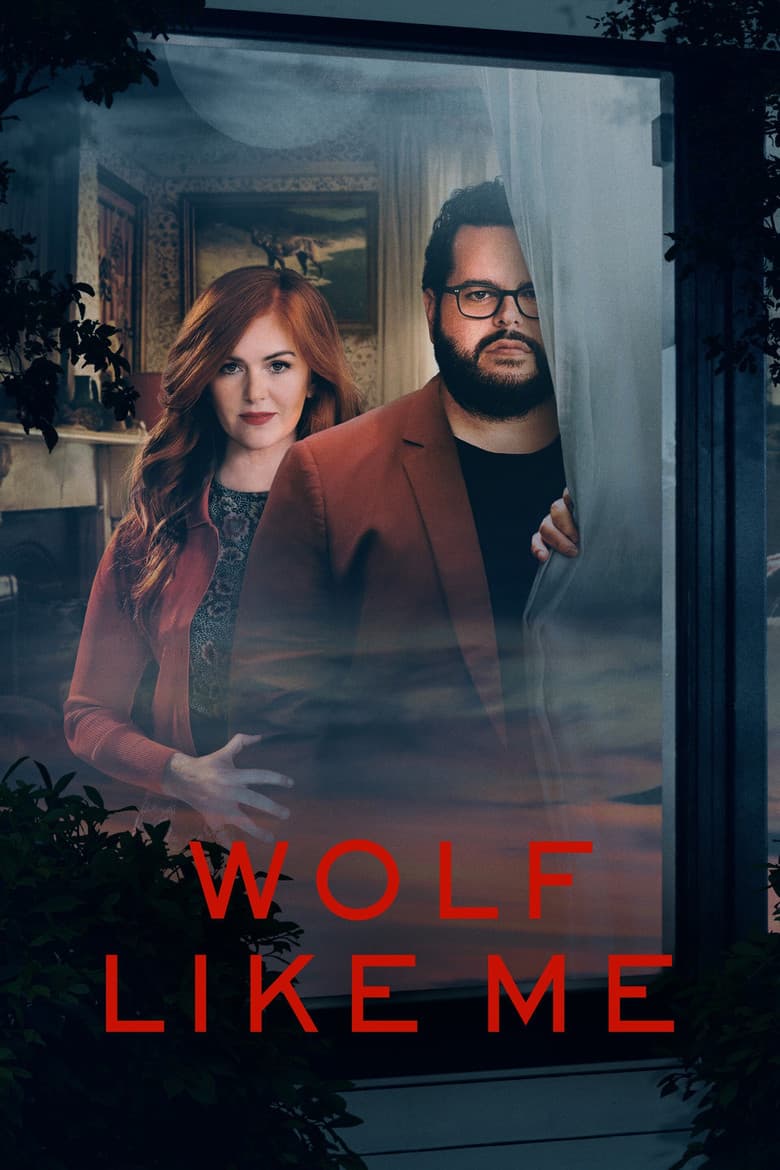
TV Show · 2022
Gary is an emotional wreck and struggles to provide for his daughter since the death of his wife. Mary has a secret she can't bring herself to share with anyone.
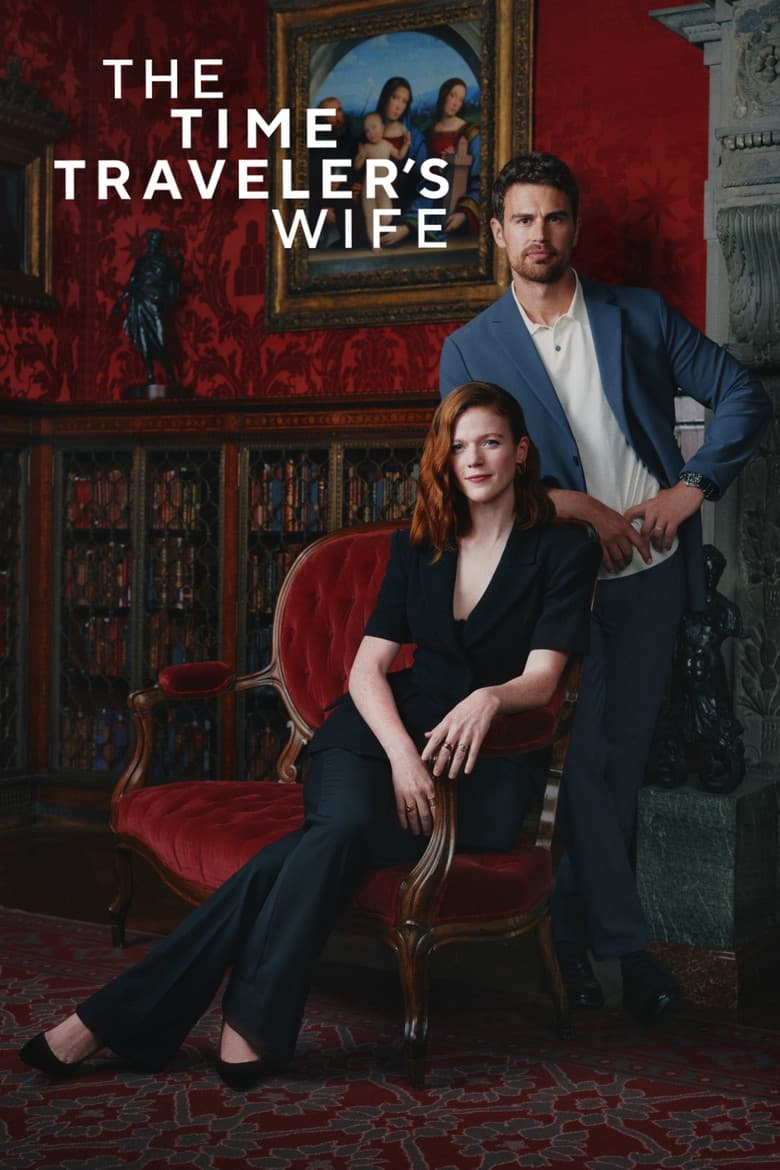
TV Show · 2022
The intricate and magical love story of Clare and Henry, and a marriage with a problem… time travel.
TV Show · 2016
Kyle Barnes has been plagued by possession since he was a child. Now an adult, he embarks on a spiritual journey to find answers, but what he uncovers could mean the end of life…
