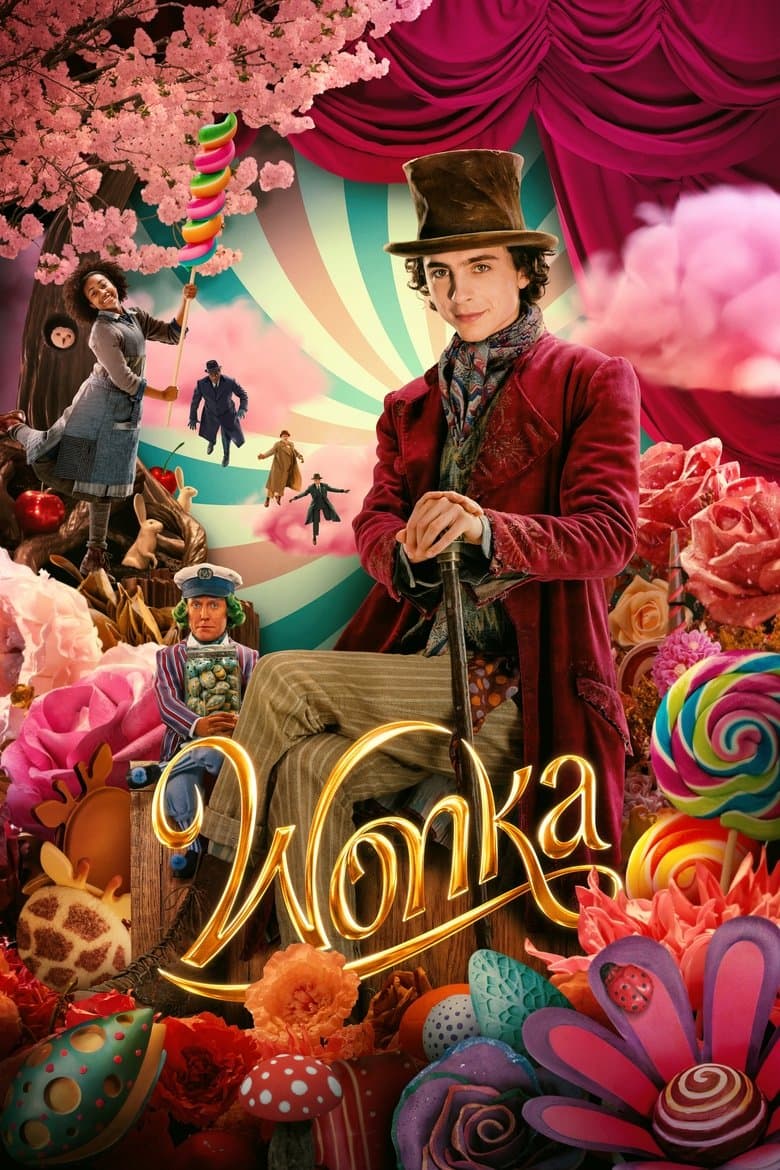
Wonka follows a young Willy Wonka as he arrives in a busy European-style city after seven years at sea. Willy wants to open a chocolate shop, but a powerful group of candy makers controls the market and blocks new sellers. A harsh landlady traps Willy and other poor workers in a laundry through unfair contracts. Willy joins Noodle and the other workers, and the group uses chocolate, tricks, and hope to fight back in a bright family musical.
The film gives Noodle, a black orphan girl, a major role beside the white male lead. Noodle is smart, brave, and often more practical than Willy, and she teaches him to read the contract that traps them. The film also places black actors in the major roles of Slugworth and the police chief. The story mocks a corrupt church, corrupt police, and rich candy owners, but it presents these targets through broad jokes instead of modern political speeches.
Community feedback
Was our 57% Woke rating accurate?
Breakdown
These are the editorial factors and ratings behind our score for Wonka.
Woke representation / casting
The film gives major roles to black actors, including Noodle, Slugworth, and the police chief. Noodle is a clever orphan who teaches Wonka to read and helps plan the group’s escapes. The city also has a wide mix of people in smaller roles. The story never makes race a plot point, but the repeated casting pattern makes representation clearly visible.
50%
Woke political dialogue
Not present. Characters speak about dreams, greed, contracts, and chocolate. The film does not use modern identity, DEI, or activist language in its dialogue.
0%
Identity-driven story themes
The film makes Noodle central to the escape from the laundry and the fight against the cartel. Noodle reads the fine print, teaches Wonka, and often tells him what to do. Willy remains the dreamer and chocolate maker, so Noodle is a strong helper rather than the sole hero. This creates a noticeable girlboss-style pattern, but the main message is teamwork, friendship, and hope.
46%
Western institutional / cultural critique
The movie shows a church, police force, and business cartel working together to control the city. The priest and monks accept chocolate bribes, and the police chief protects the cartel. The heroes expose these leaders and free workers trapped by unfair contracts. The scenes mock Western institutions, but the jokes are broad and do not use current activist language.
35%
Woke character or canon changes
The film changes details from the original stories. Arthur Slugworth is race-swapped to be played by a black actor. Willy Wonka is changed to be completely unable to read, which lets the new young female character act as his teacher and helper.
10%
Anti-woke backlash and complaints
Public X posts included complaints that Noodle was a forced DEI sidekick and that the film centered her over Wonka. Other right-leaning users called the movie woke-free and praised it as a family film without an agenda. Small accounts also used phrases such as woke hell and diversity hire. The reaction had some reach, but no boycott or review-bombing push appeared.
34%
Creator track record context
The cached profiles describe Paul King and Simon Farnaby as mild liberal or kindness-focused creators rather than activists. The cached profiles give moderate inclusion-related scores to Nina Gold, Alexandra Derbyshire, and David Heyman. The wider team has no strong public record of identity-first storytelling. The context supports a mild to moderate creator signal.
31%
Production

Movie · 2021
In suburban Chicago during the late 1980s, ten-year-old Jake Doyle embarks on a herculean quest to get the latest and greatest video game system for Christmas.
Movie · 2018
The Grinch hatches a scheme to ruin Christmas when the residents of Whoville plan their annual holiday celebration.
Movie · 2016
A stuffy businessman finds himself trapped inside the body of his family's cat.
Movie · 2018
Dracula, Mavis, Johnny and the rest of the Drac Pack take a vacation on a luxury Monster Cruise Ship, where Dracula falls in love with the ship’s captain, Ericka, who’s secretly a…
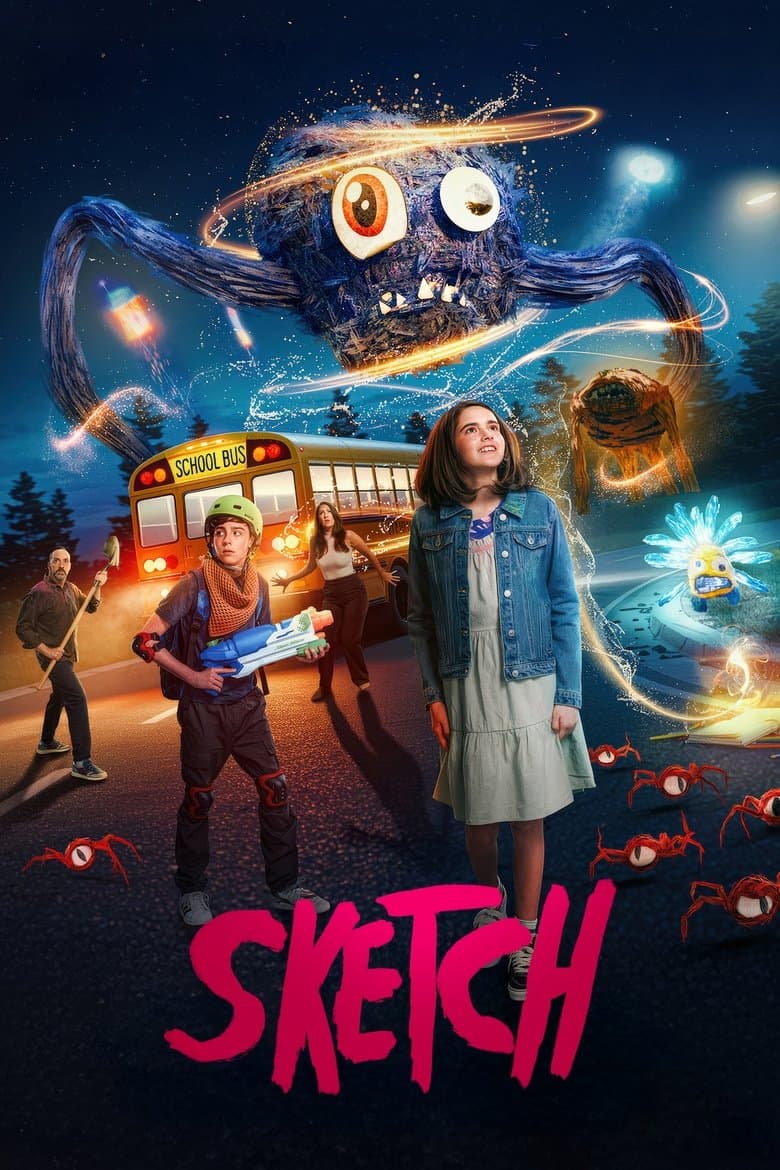
Movie · 2025
When a young girl’s sketchbook falls into a strange pond, her drawings come to life—chaotic, real, and on the loose.
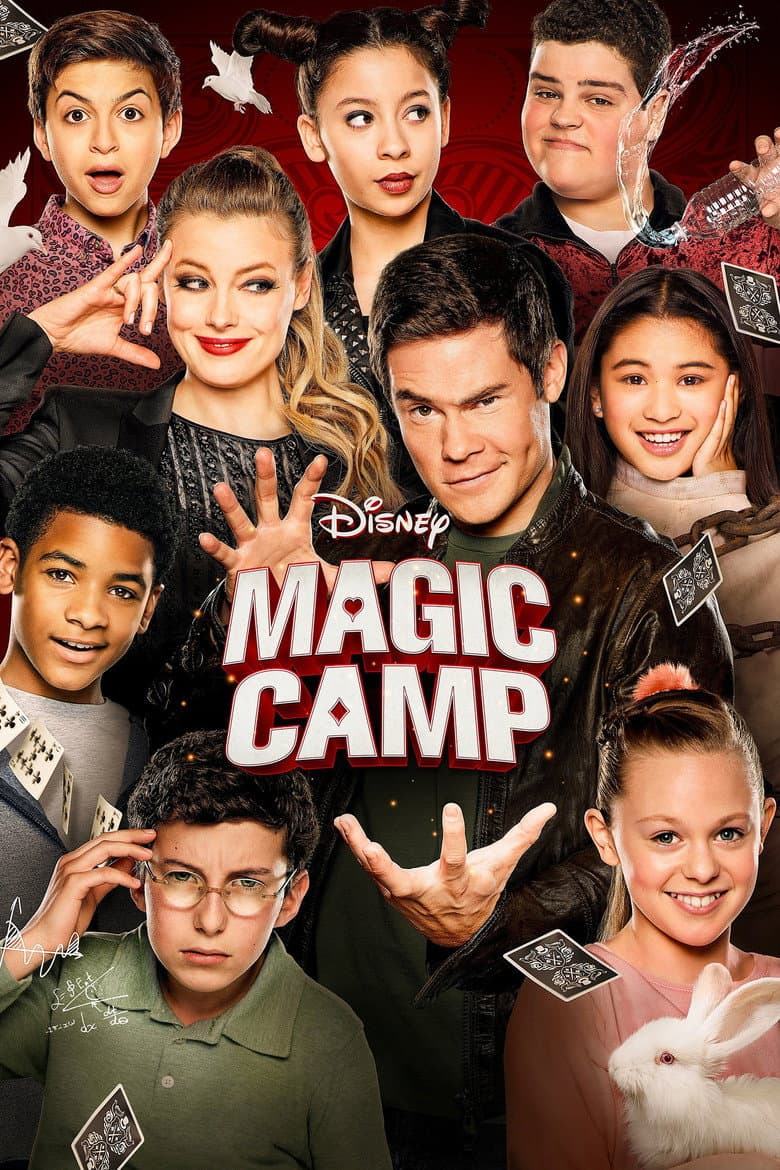
Movie · 2020
Andy, at the urging of his former mentor and Magic Camp owner Roy Preston, returns to the camp of his youth hoping to reignite his career.
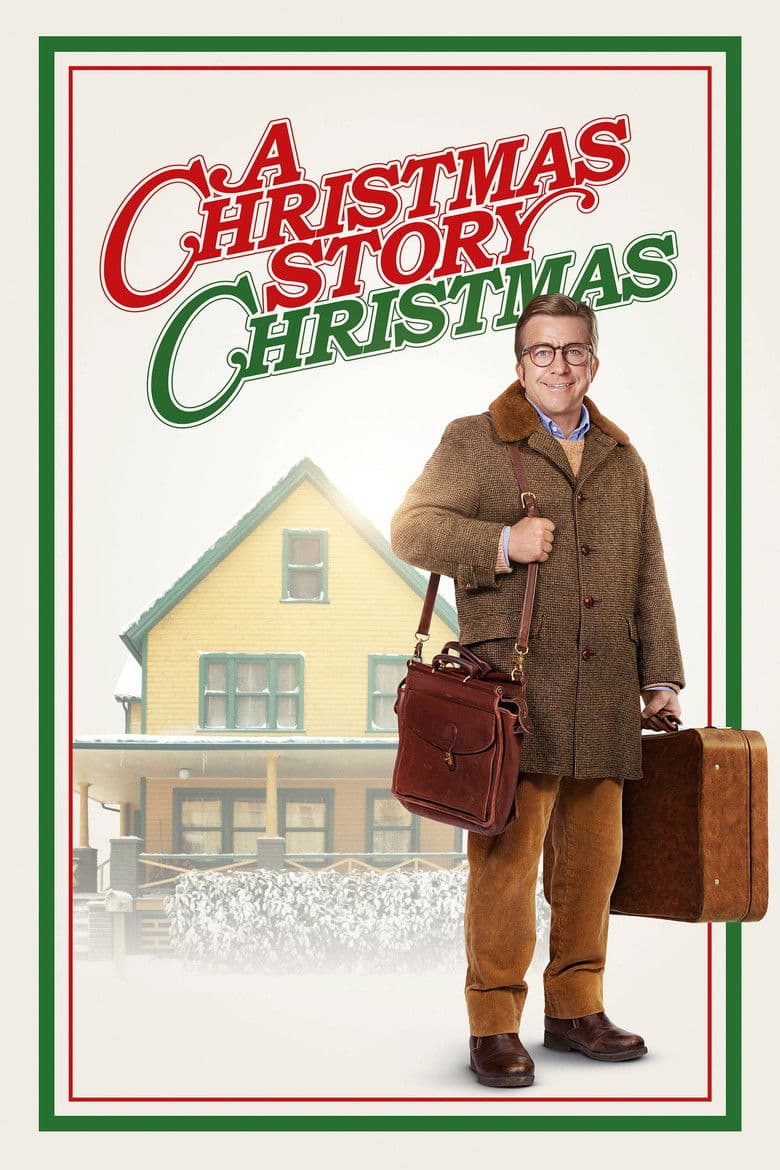
Movie · 2022
Follows Ralphie, now adult, who returns to the house on Cleveland Street to give his kids a magical Christmas like the one he had as a child, reconnecting with childhood friends…
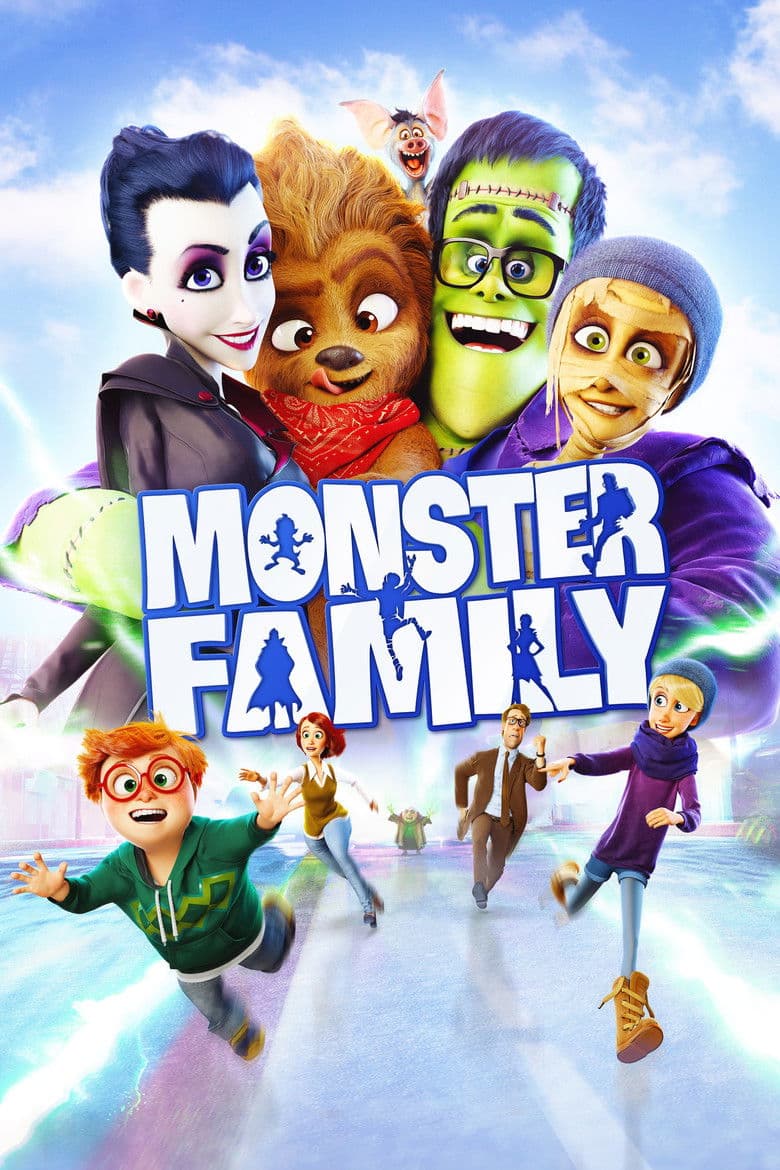
Movie · 2017
The Wishbone family are far from happy. In an attempt to reconnect as a family, they plan a fun night out. However, the plan backfires when they are cursed and all turned into…
