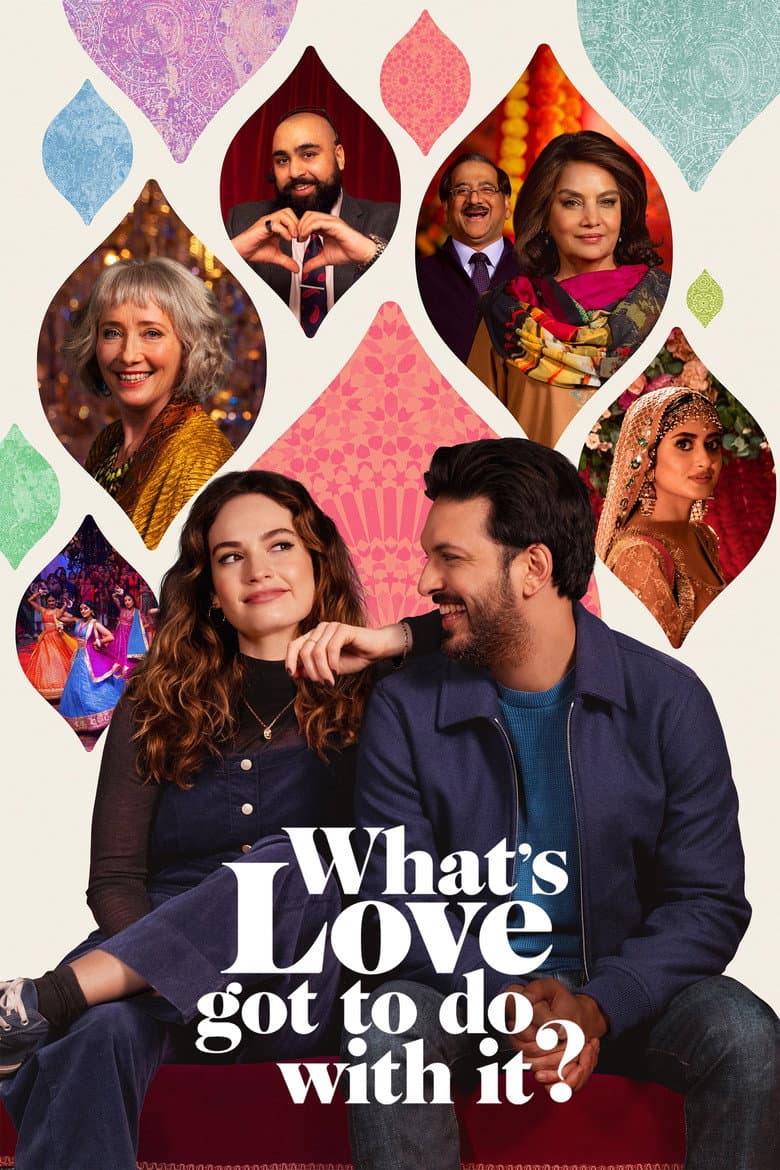
Zoe Stevenson is a London documentary maker who has had little luck with dating apps. Her childhood friend Kazim Khan is a British Pakistani doctor who chooses an assisted marriage arranged with help from his parents. Zoe films his search for a bride, follows the family from London to Lahore, and starts to question her own ideas about love. The film uses bright wedding scenes, family jokes, and romantic comedy while it also shows hurt, pressure, and cultural tension.
The main identity-driven story comes from the clash between Western dating and Pakistani family customs. The film treats assisted marriage as a real choice rather than simply an old or cruel practice, but it also shows how family pressure can trap Maymouna and how Kaz’s sister is pushed away after marrying a non-Muslim man. Zoe’s work raises questions about a white outsider telling a South Asian story, and characters talk about race, Muslim identity, and how Britain sees Pakistan. The story finally gives greatest weight to personal choice and romantic love, so it challenges some family and marriage rules without becoming a broad political message.
Community feedback
Was our 42% Woke rating accurate?
Breakdown
These are the editorial factors and ratings behind our score for What's Love Got to Do with It?.
Woke representation / casting
The film places a white British woman and a Pakistani-British Muslim man at the center of a romance. It gives major roles to Pakistani and South Asian performers in Kaz’s family and in the Pakistan scenes. The mix fits the London and Pakistan setting, so it is not a major mismatch. Interviews and coverage still present the Asian male lead and South Asian talent as a representation goal, which gives the casting a mild score.
24%
Woke political dialogue
The film repeatedly compares Western dating with Pakistani family customs. Zoe and Kaz talk about Muslim identity, racial assumptions, and a documentary made through a “white lens.” A producer’s complaint about who gets to tell the story makes identity part of the plot. The movie keeps these talks inside a romance and family comedy, so the political dialogue stays limited.
30%
Identity-driven story themes
Zoe’s documentary follows Kaz’s struggle between his Pakistani family background and his British life. The story shows Kaz’s sister losing family support after marrying a non-Muslim man. Maymouna enters the marriage under family pressure while loving someone else, and the plot gives her a choice to leave. The ending favors personal choice and romantic love over family rules, so identity and freedom shape the main story.
43%
Western institutional / cultural critique
Zoe’s dating apps, casual relationships, and loneliness are set against assisted marriage. The film calls loneliness a Western disease and questions the idea that passion must come before marriage. The documentary plot criticizes a white outsider’s view of Pakistani life and shows British stereotypes about Muslim families. The film also questions family pressure and ends with a love match, so its cultural critique is mixed rather than total.
34%
Woke character or canon changes
Not relevant. The film is an original story written for the screen. It does not change an established character, canon, or historical event.
0%
Anti-woke backlash and complaints
Not present. Reviewed coverage did not show a clear anti-woke backlash. Audience criticism focused on the white lens, cultural detail, and the abrupt ending.
0%
Creator track record context
Cached creator context gives a mild signal. Jemima Khan has a record of human rights and women’s rights work, and Shekhar Kapur’s earlier films include stories about unfair treatment based on caste and gender and about water inequality. Lucy Bevan has backed more on-screen diversity, while Sarmad Masud has made work about women resisting violence and unfair family rules. Most other cached producers are low or neutral, so the overall context supports the film’s identity focus without dominating it.
27%
Production
Movie · 2019
A struggling musician realizes he's the only person on Earth who can remember The Beatles after waking up in an alternate reality where the group was forgotten.
Movie · 2016
A boy growing up in Dublin during the 1980s escapes his strained family life by starting a band to impress the mysterious girl he likes.
Movie · 2019
Two young people arrive in New York to spend a weekend, but once they arrive they're met with bad weather and a series of adventures.
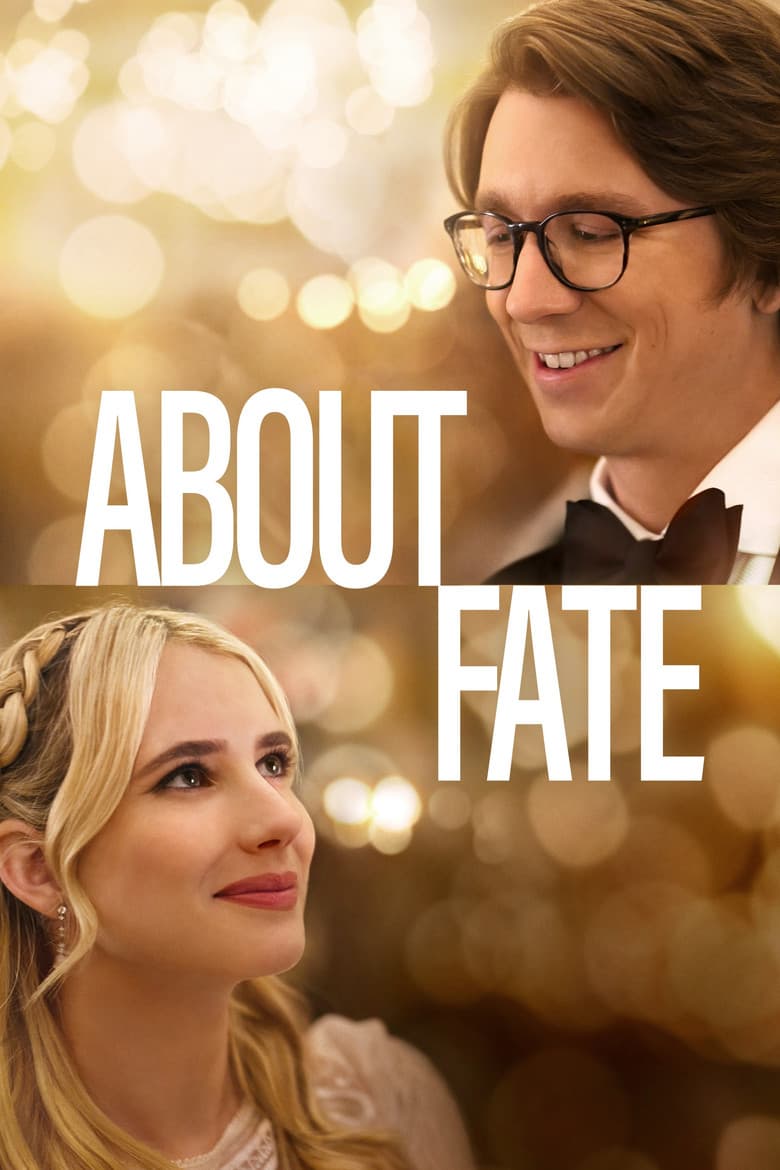
Movie · 2022
Two strangers believe in love but never seem to be able to find its true meaning. In a wild twist of events, fate puts each in the other's path on one stormy New Year's Eve.

Movie · 2019
No beau? No problem! To earn money for college, a high schooler creates a dating app that lets him act as a stand-in boyfriend.
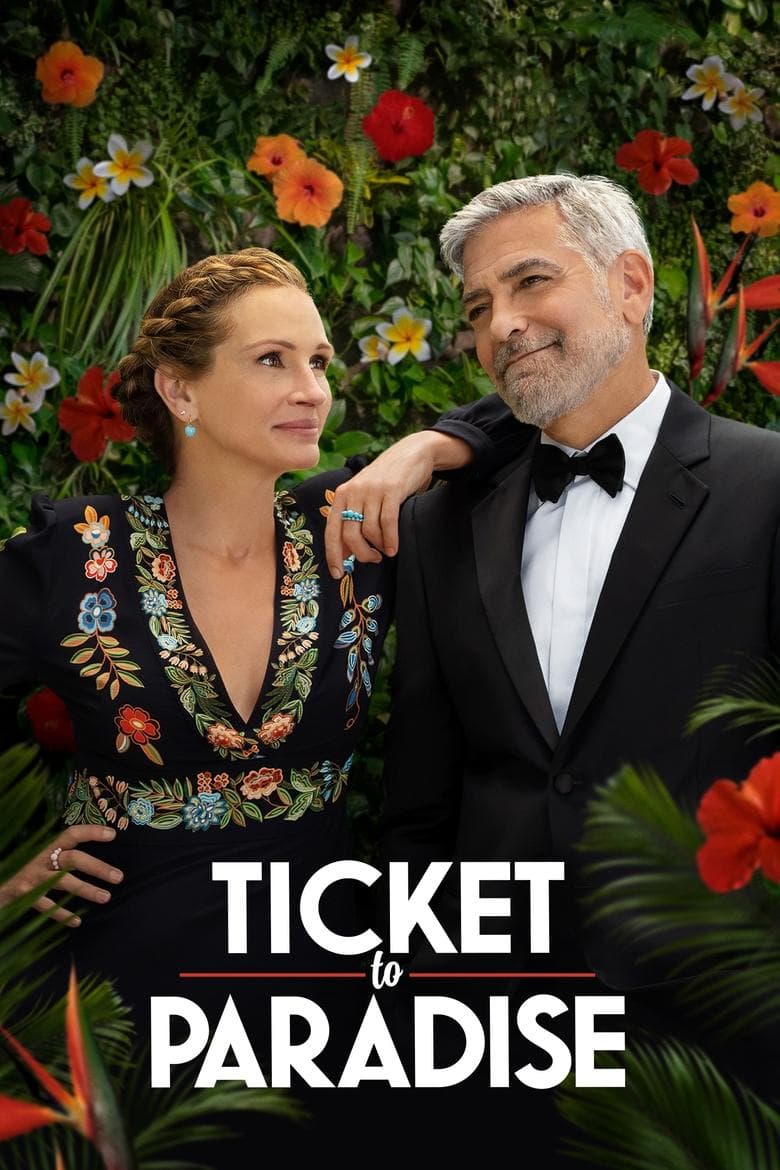
Movie · 2022
Divorced couple Georgia and David find themselves on a shared mission: they team up and travel to Bali to stop their daughter Lily from making the same mistake they once made 25…
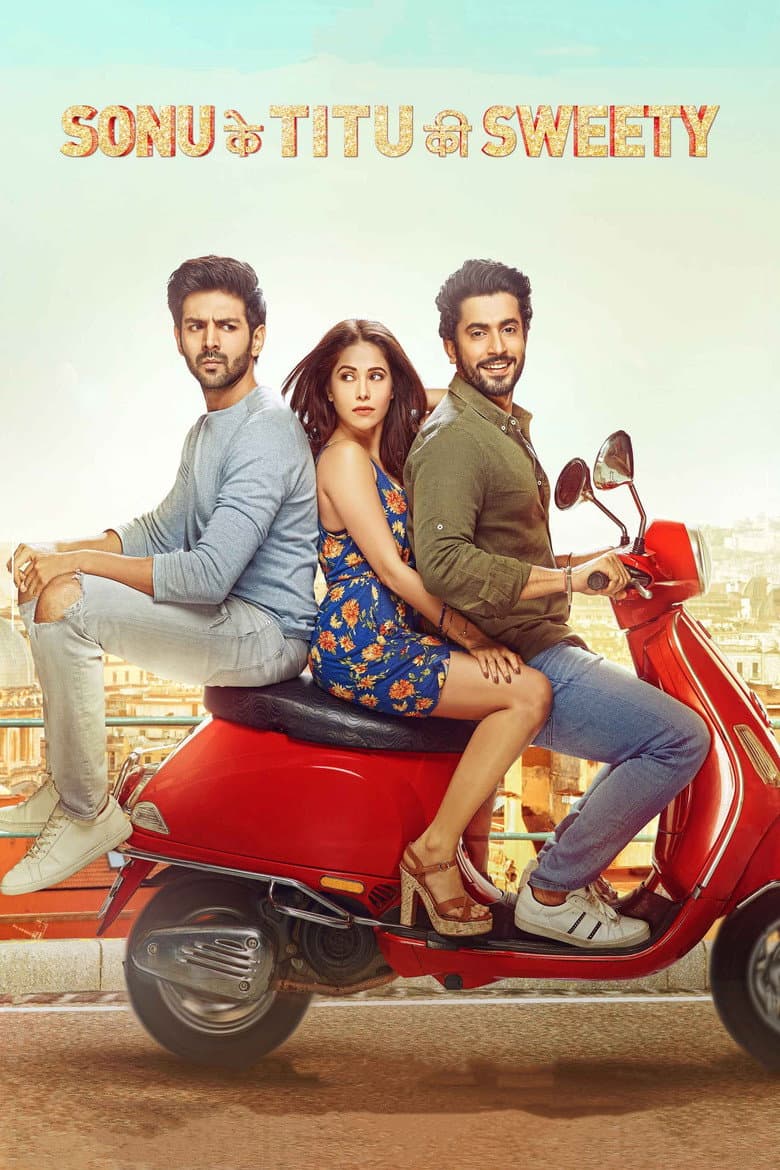
Movie · 2018
Titu is going to marry a perfect woman named Sweety. Titu's best-friend Sonu doubts Sweety's character and tries to break the marriage while Sweety tries to do opposite and which…
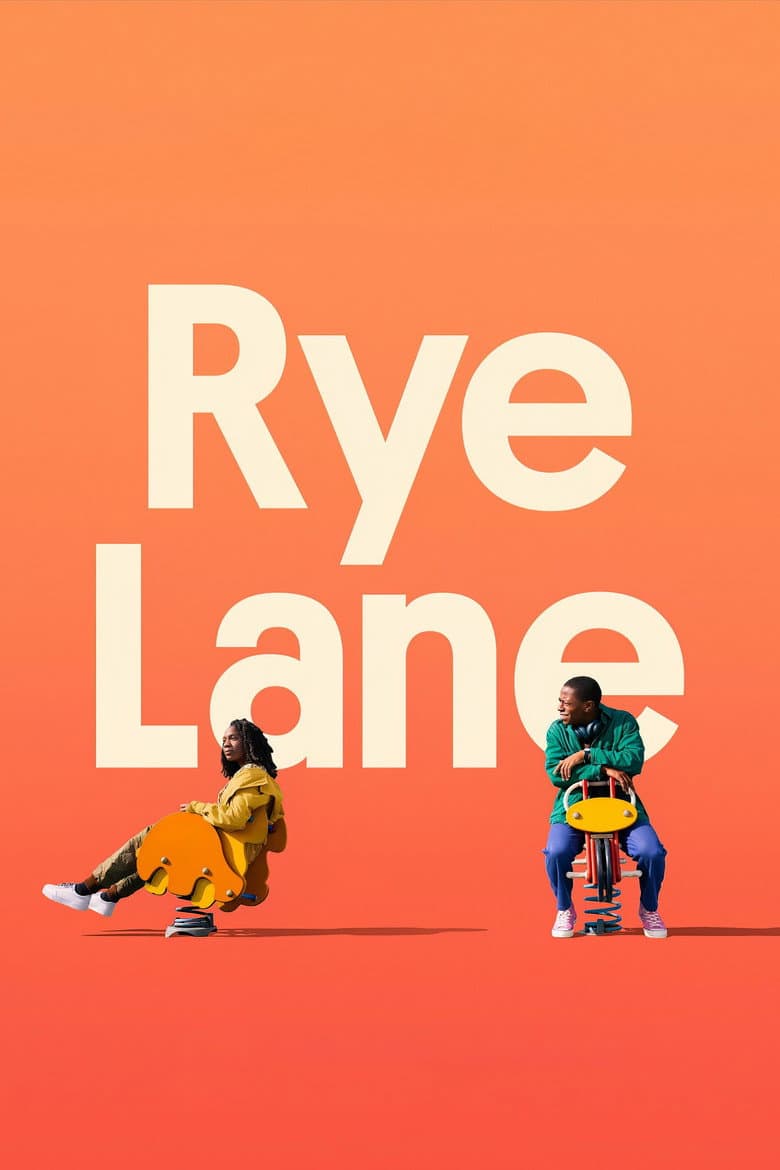
Movie · 2023
Two twenty-somethings, both reeling from bad break-ups, connect over the course of an eventful day in South London – helping each other deal with their nightmare exes, and…
